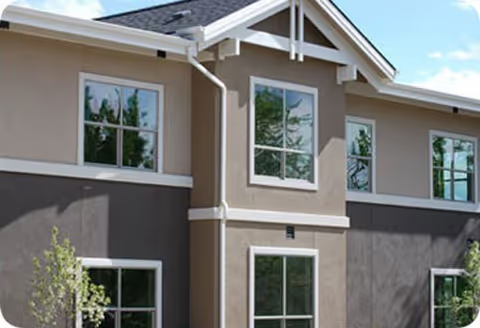
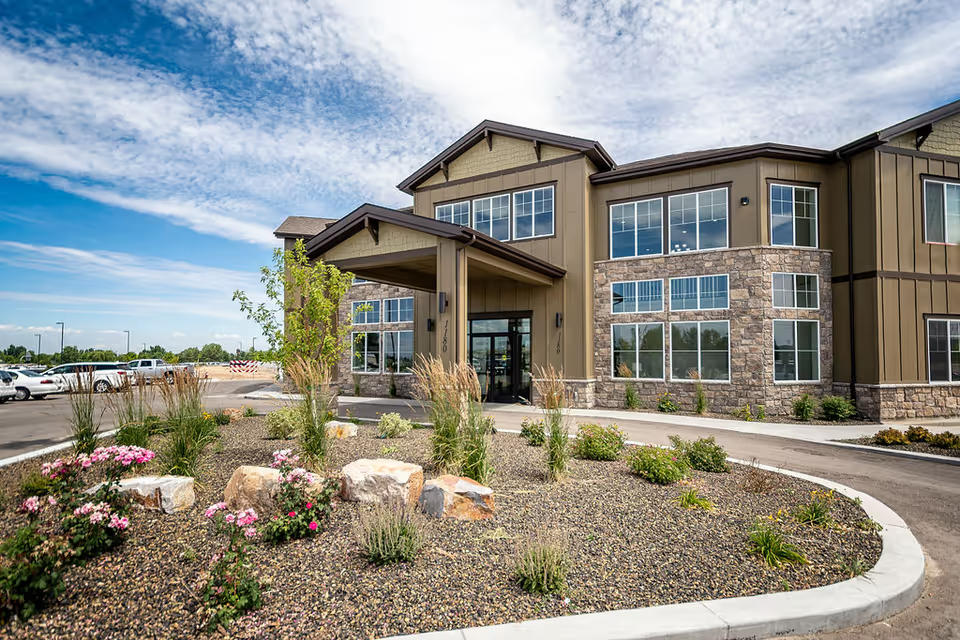
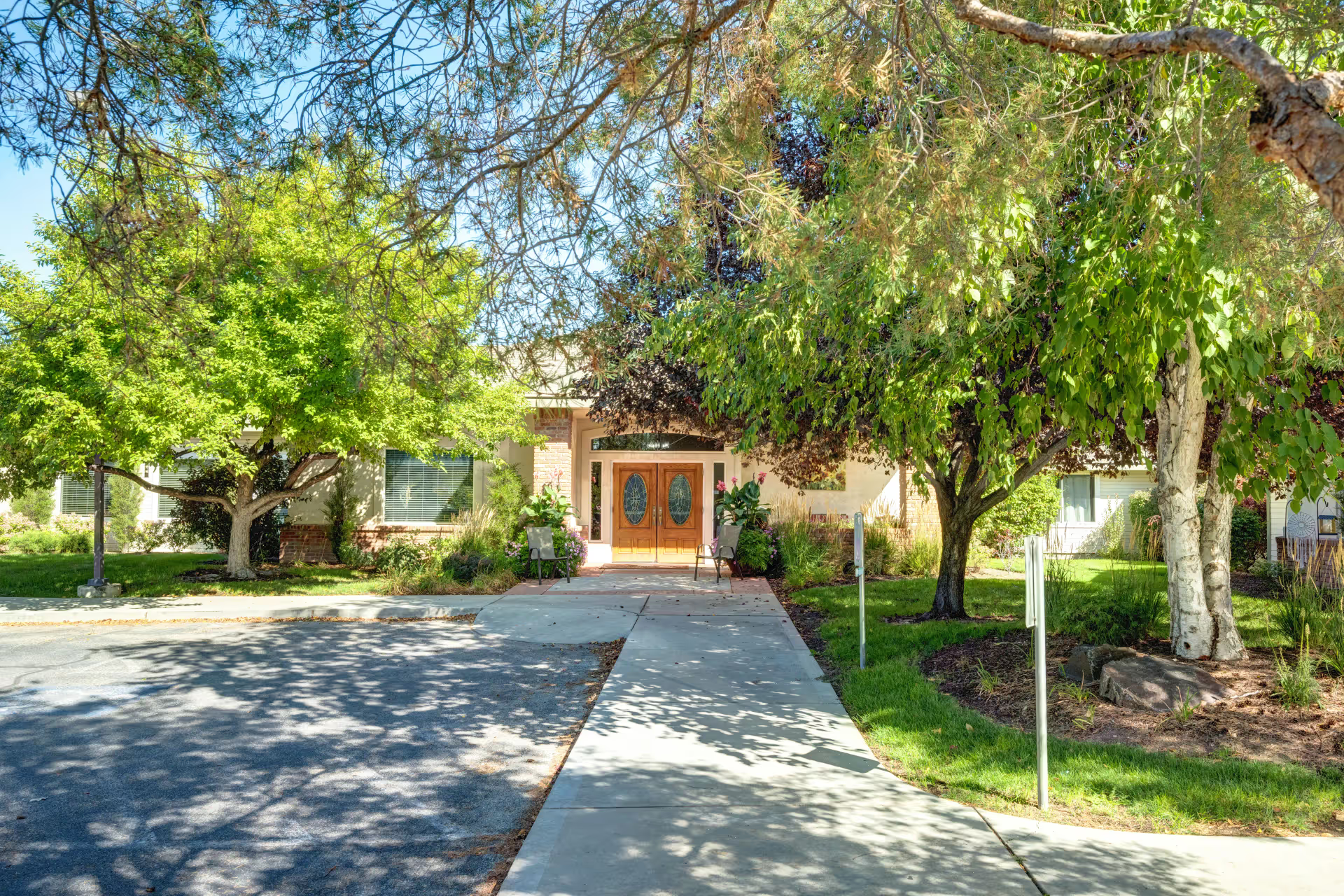
Aspen Transitional Rehab presents a mixed but largely rehabilitative-focused profile. Strengths that recur across reviews include an emphasis on skilled therapy (physical and occupational), a clean and well-maintained building, and a hospitality-oriented dining environment. Many families and residents described compassionate, professional staff who facilitate recovery-oriented goals such as regaining mobility, managing stairs and wheelchairs, and transitioning home. Private, spacious rooms with accessible layouts and pleasant views, along with conveniences like daily laundry service, an extensive library and a resident computer, contribute to a comfortable short-term stay.
Clinical care receives generally positive marks for routine nursing, medication administration, and therapy quality; several reviewers characterized the therapy teams as thorough and effective. Staffing levels are often described as sufficient to assist dependent residents, and long-tenured employees and a perceived family-like culture were cited as supportive elements. Admissions experiences were frequently smooth and the facility's overall cleanliness and dining presentation were praised for creating a hotel-like atmosphere.
However, there are notable and substantive operational concerns that prospective residents and families should evaluate. A subset of reviews describe serious care-safety problems tied to dining and infection control, including allegations of foodborne illness and subsequent clinical complications; these raise questions about kitchen-level safety and outbreak response. Relatedly, some reviewers reported inconsistent food quality, occasional failure to observe dietary restrictions, and variable meal service continuity. Communication and management gaps were also documented: delays in initial mental and physical assessments, uneven information flow during transitions, and difficulty reaching staff or obtaining timely updates were recurring themes.
Other patterns include reports of inconsistent responsiveness to help requests and call buttons, and concerns about incontinence-care delays and resulting skin-integrity issues. Activity offerings were described as limited or focused primarily on rehab classes during some stays, which some residents found insufficient for social engagement—particularly during periods of visitation restrictions for infection control. Finally, a few reviewers expressed dissatisfaction with billing transparency and pricing practices.
In summary, Aspen appears to offer strong rehabilitative services, a clean environment, and many staff who are experienced and caring. Nevertheless, families should probe operational areas where variability was reported: dining safety and food-handling practices, timeliness of clinical assessments, responsiveness to care needs, incontinence and wound-care protocols, activity schedules, and clarity around billing. Asking for documentation of infection-control procedures, examples of recent incident responses, average response times to call systems, and a clear activity calendar will help give a fuller picture before placement.