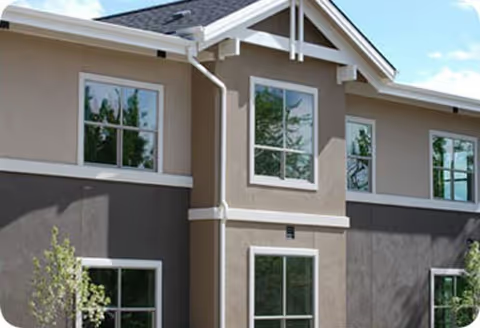
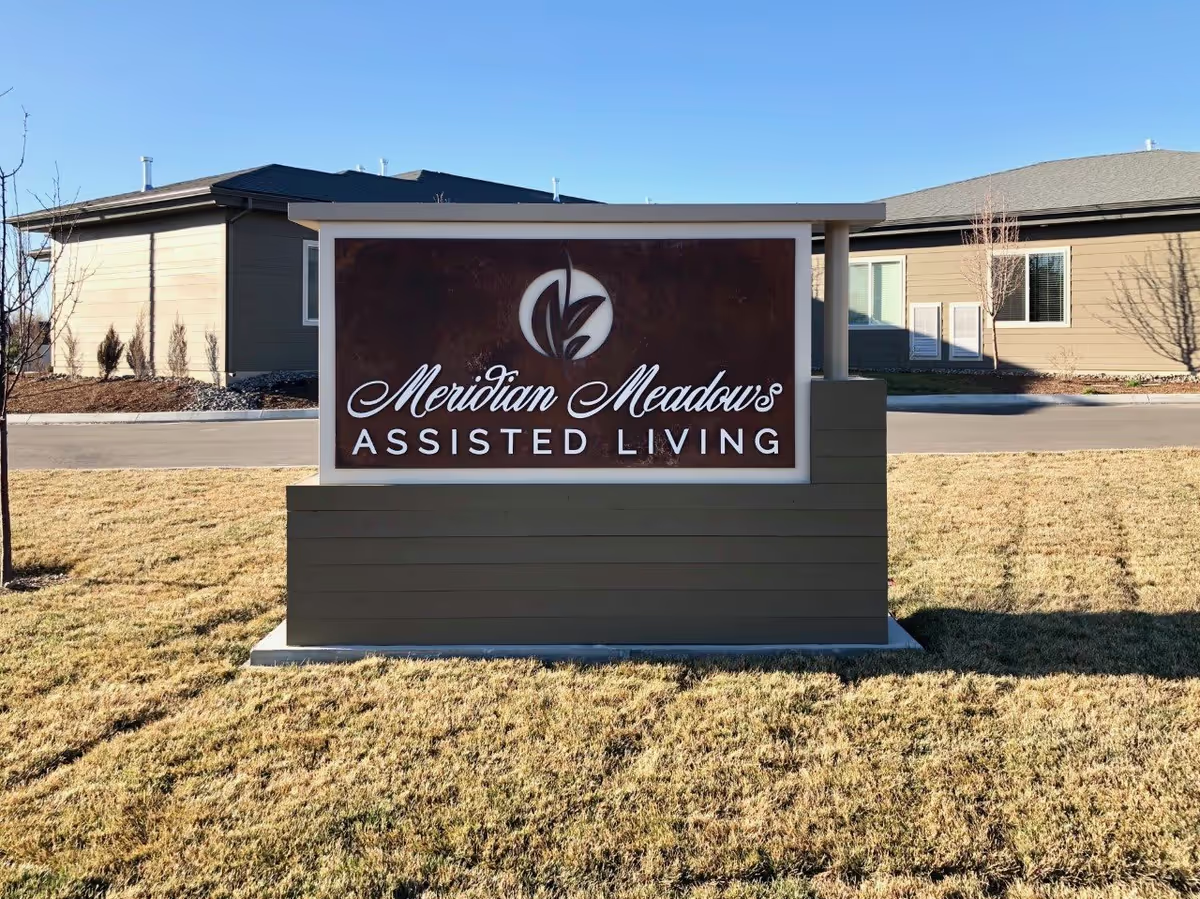
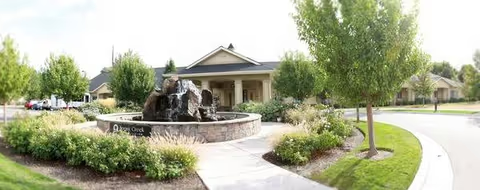
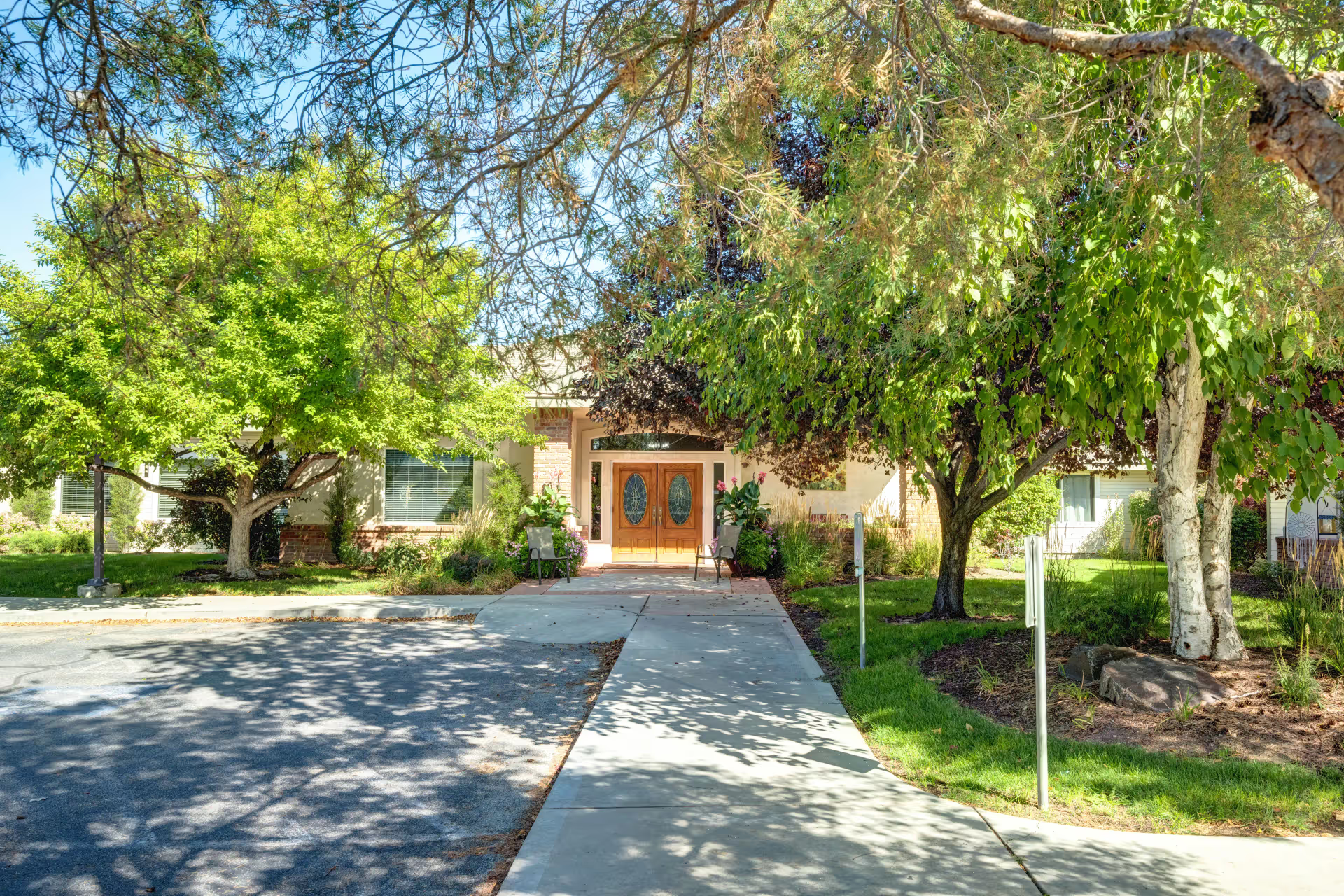
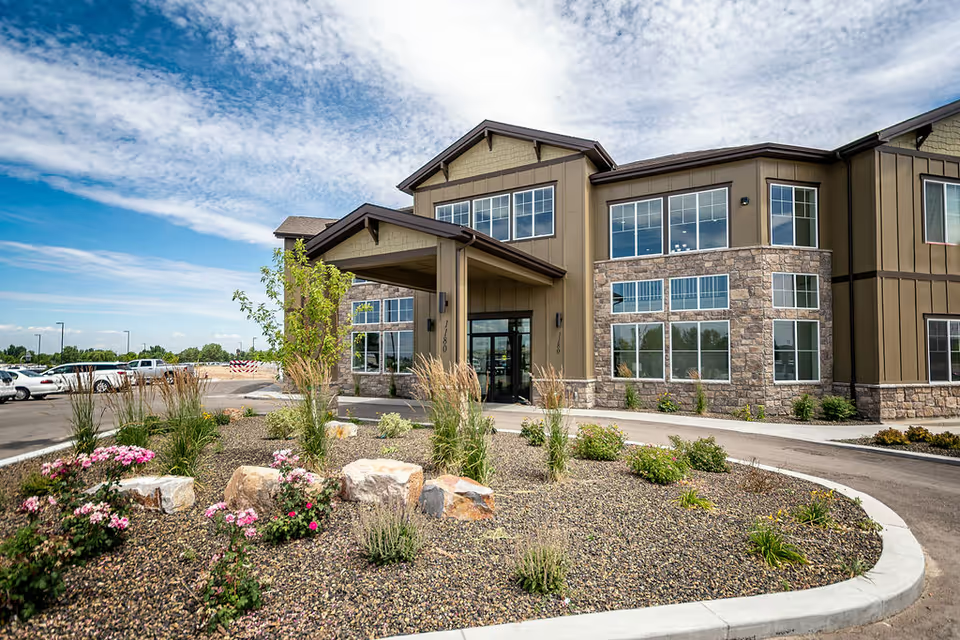
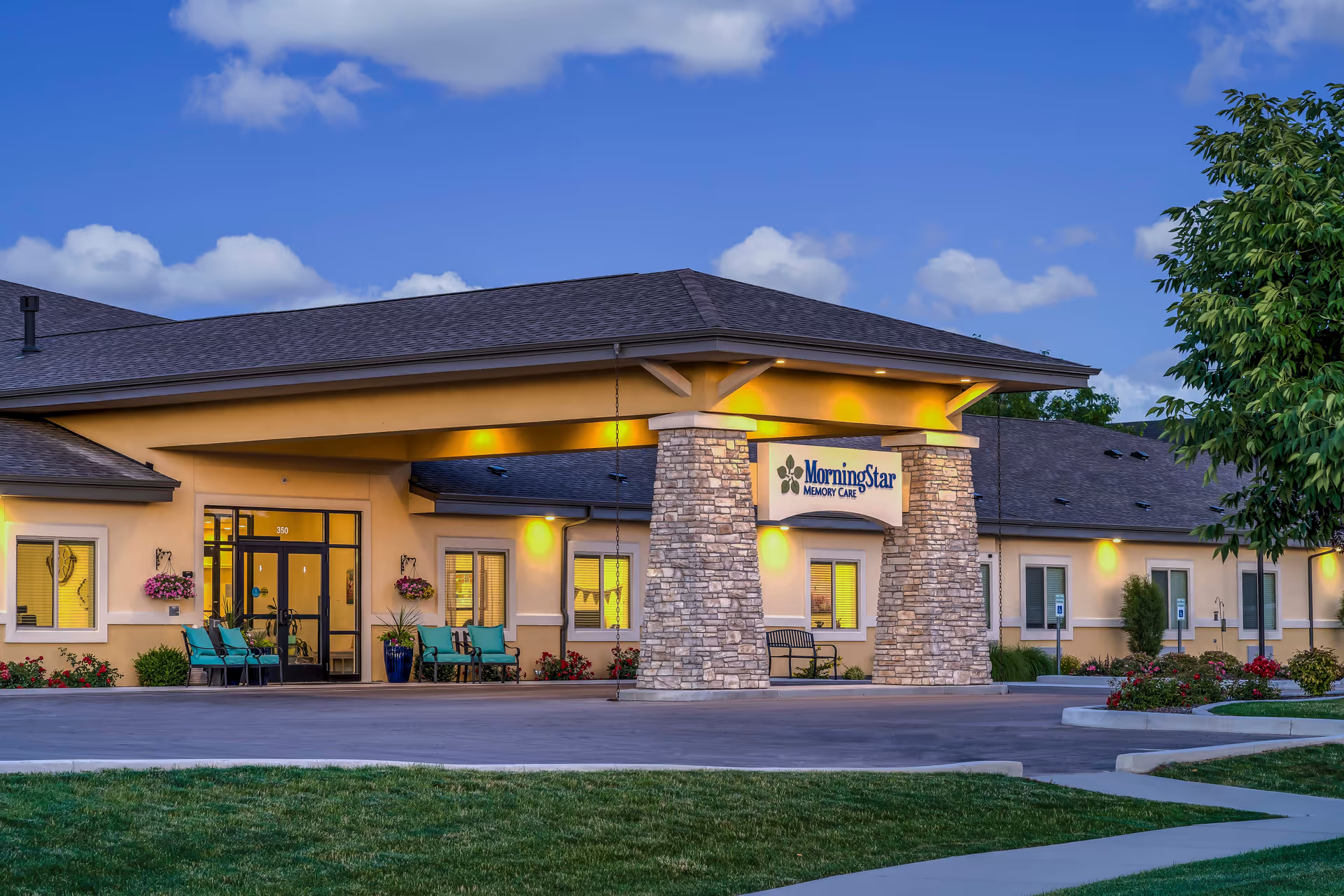
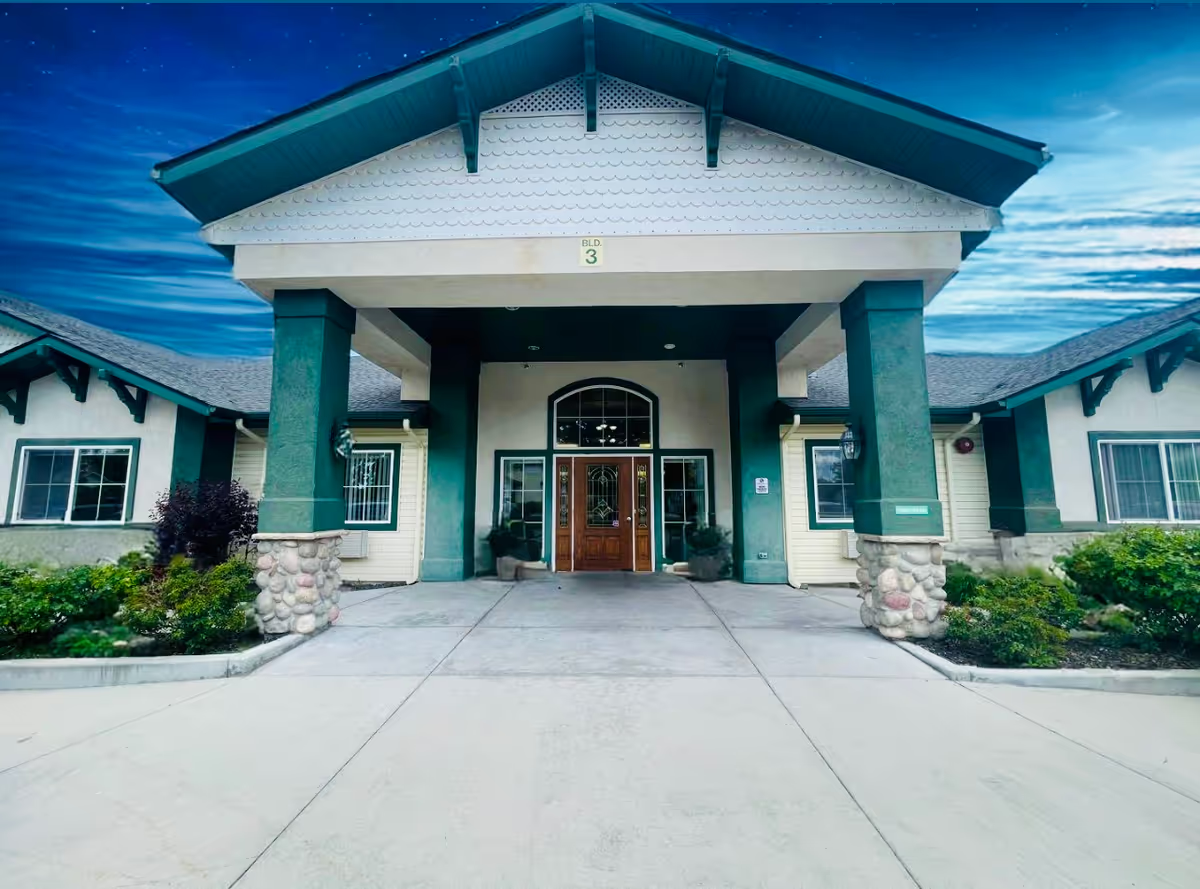
Copper Springs presents a mixed but informative profile for prospective residents and families. The facility's physical setting and newer construction are frequently described as attractive and clean, with a home-like atmosphere that many families find comforting. Numerous reviews praise the caregiving teams—CNAs, nurses, and certain administrators are characterized as compassionate, patient-centered, and willing to go beyond basic expectations. There are repeated positive notes about transition support, individualized recovery care, and sensitive end-of-life attention, which several families cited as meaningful strengths.
Care quality appears uneven. While some families described attentive, recovery-oriented nursing and consistent staff assignment, others raised operational concerns that point to inconsistent day-to-day care: variable personal-care routines (including bathing and linen changes), occasional lapses in medication administration or documentation, and periods of limited supervision. These patterns suggest that quality is dependent on staffing levels and individual caregiver performance; when teams are fully staffed and engaged, outcomes and family satisfaction trend positive, but when staffing is thin or turnover is present, families reported care shortfalls.
Dining and housekeeping receive mixed marks. The community offers active communal dining and multiple social meal occasions, and some reviewers noted improving or home-style meal options and accommodating kitchen staff. Conversely, others described inconsistent meal quality, presentation issues, and occasional service lapses. Housekeeping and general cleanliness are generally seen as strengths in many accounts, though isolated odor concerns and supply shortages (paper products, basic supplies) were noted and appear tied to inventory or operational management issues.
Activities and social life are clear assets. Copper Springs provides a lively calendar—gardening, dancing, excursions, crafts, small-group games, and holiday events were repeatedly mentioned. These offerings contribute to resident engagement and social flourishing for many. That said, reviewers identified gaps specifically for memory-care residents: programming was sometimes limited to low-stimulation options (e.g., coloring), and families expressed a desire for more structured exercise and cognitively targeted activities in that unit. Connectivity limitations (lack of internet access in memory care) were also flagged as a barrier to engagement and family contact.
Facility operations and management show both strengths and weaknesses. Some families described responsive leadership that addressed issues (for example, relocating a smoking area after complaints), good communication during the COVID period, and helpful front-line staff during move-in. At the same time, recurrent criticisms involve inconsistent administrative follow-through: unanswered or delayed responses, front-desk process problems (including mail handling), unclear ancillary charges, transportation commitments that were not met, and occasional operational instability tied to ownership, billing, or vendor issues. These administrative gaps magnify the impact of clinical or service inconsistencies when they occur.
Notable patterns for decision-making: prospective families should weigh the facility's strong social programming, compassionate individual caregivers, and attractive environment against operational risks tied to staffing variability, medication and personal-care consistency, and administrative responsiveness. If possible, request current staffing ratios, medication-management protocols, details on ancillary fees, sample activity schedules for memory care, and documentation of recent regulatory or ownership changes. Visiting during different shifts and asking for references from current families in similar care needs can help clarify whether the community's strengths align with a specific resident's priorities.