Creekside Transitional Care & Rehabilitation elicits strongly mixed impressions: many families and patients describe excellent rehabilitative outcomes, compassionate direct-care staff, and a clean, welcoming environment, while others identify persistent operational weaknesses that affect safety, comfort, and continuity of care. The facility's therapy program — including physical and occupational therapy — is frequently singled out as a strength; therapists and rehab teams are credited with measurable functional improvement and successful short-term transitions back home. Nursing and CNA staff receive substantial positive feedback for bedside care, responsiveness, and personalized attention in numerous accounts.
Alongside those positives, reviewers describe variability in clinical processes and day-to-day operations. Key clinical concerns include inconsistent medication administration and monitoring, delayed responses to call lights, and gaps in hygiene delivery that create pressure-injury and infection risks if not promptly addressed. Some accounts also describe lapses in documentation and transfer procedures (for example, incomplete inventory charts and delayed equipment provision), indicating opportunities to strengthen protocols for clinical handoffs and personal-property tracking.
Dining and activities present a mixed picture. The dietary team and customizable menus are praised by several families, and the activities department offers a range of social options — clubs, arts and crafts, live entertainment, and a resident council — that contribute positively to quality of life. At the same time, reviewers raise concerns about inconsistent meal temperature and portioning, occasional allergy-mitigation lapses, and limited activity resources for long-term residents, particularly when staffing is reduced on weekends.
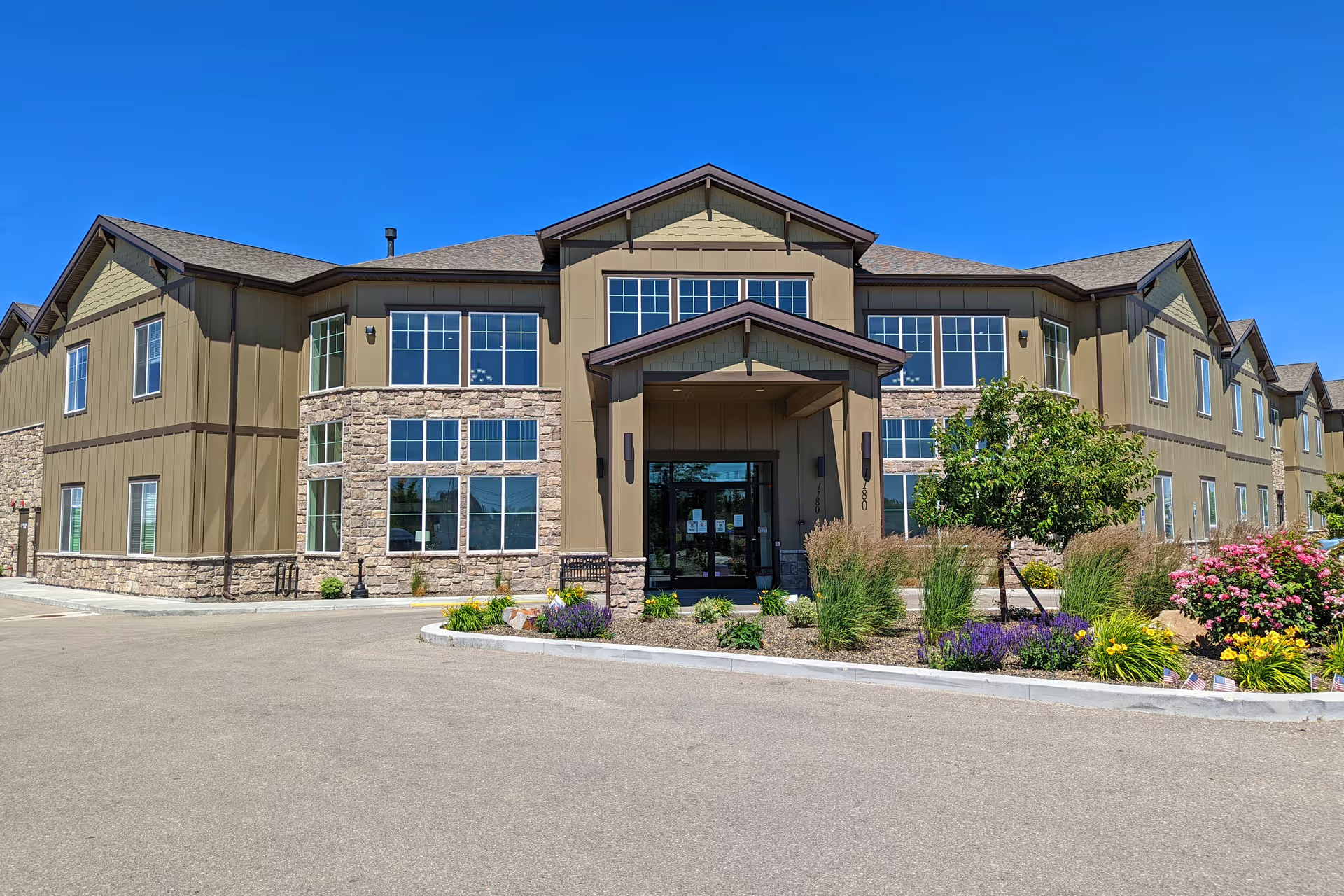
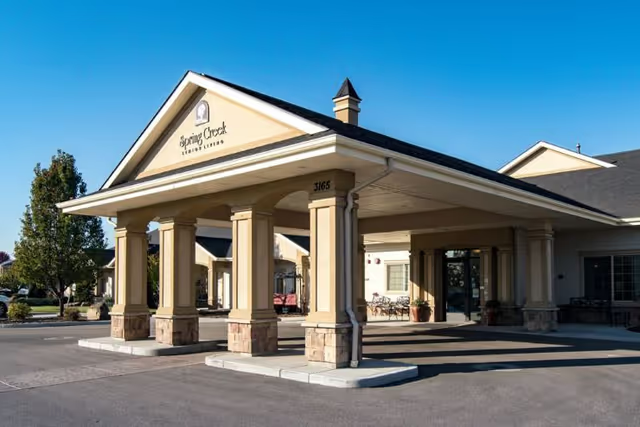
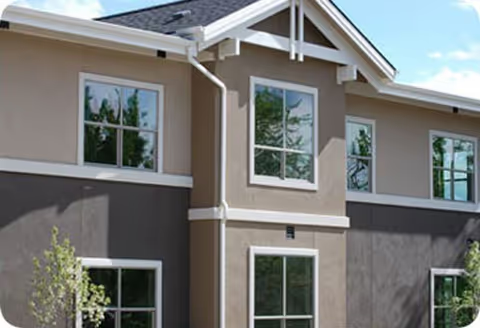
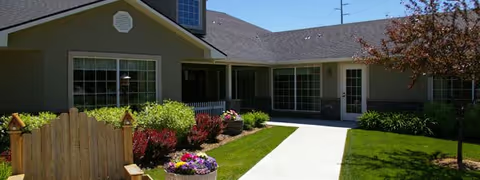
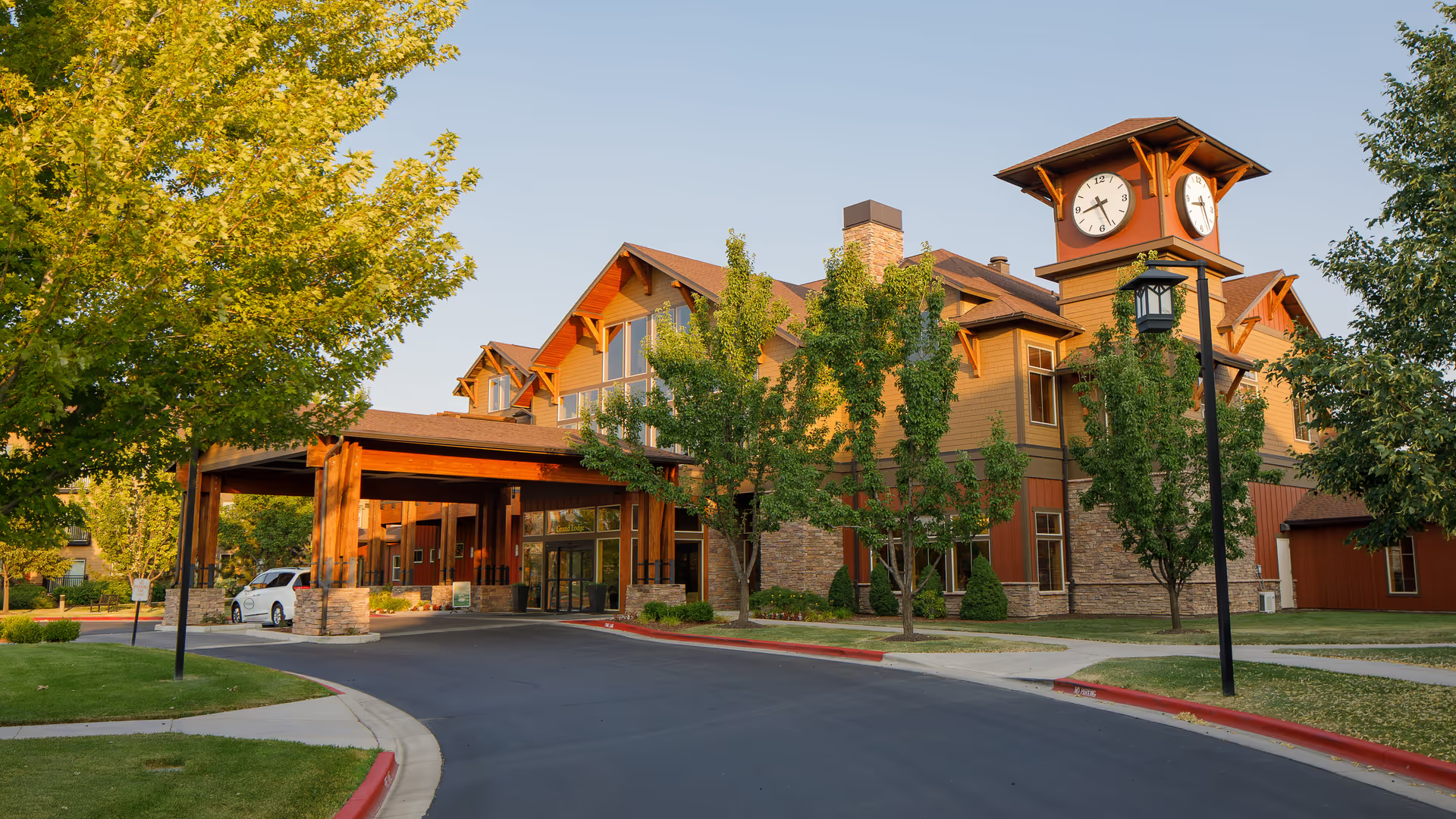
Facility and management issues contribute heavily to the divergent experiences. The building and grounds are often described as clean with attractive landscaping, yet there are recurring notes about aging infrastructure, temperature-control problems, and intermittent odor concerns in hallways. Administrative themes include high staff turnover, uneven management responsiveness, billing and discharge communication problems, and perceived pricing that some families find high relative to the level of consistency in care. Several reviewers highlight positive, family-oriented communication from specific leaders and staff members, while others report difficulty reaching or receiving helpful responses from administrative personnel.
Taken together, Creekside appears to offer strong rehabilitative services and many committed front-line caregivers, but the facility also shows operational variability that can materially affect resident experience and clinical safety. Prospective residents and families should request specific information during tours: current staffing ratios (including weekend coverage), medication-administration and property-inventory policies, protocols for call-light response and pressure-injury prevention, availability of on-site physician and mental-health support, and examples of recent quality-improvement efforts. Those inquiries, combined with in-person observation of mealtime, activity programming, and staff–resident interactions, will help clarify whether the facility's strengths align with an individual resident's clinical needs and expectations.