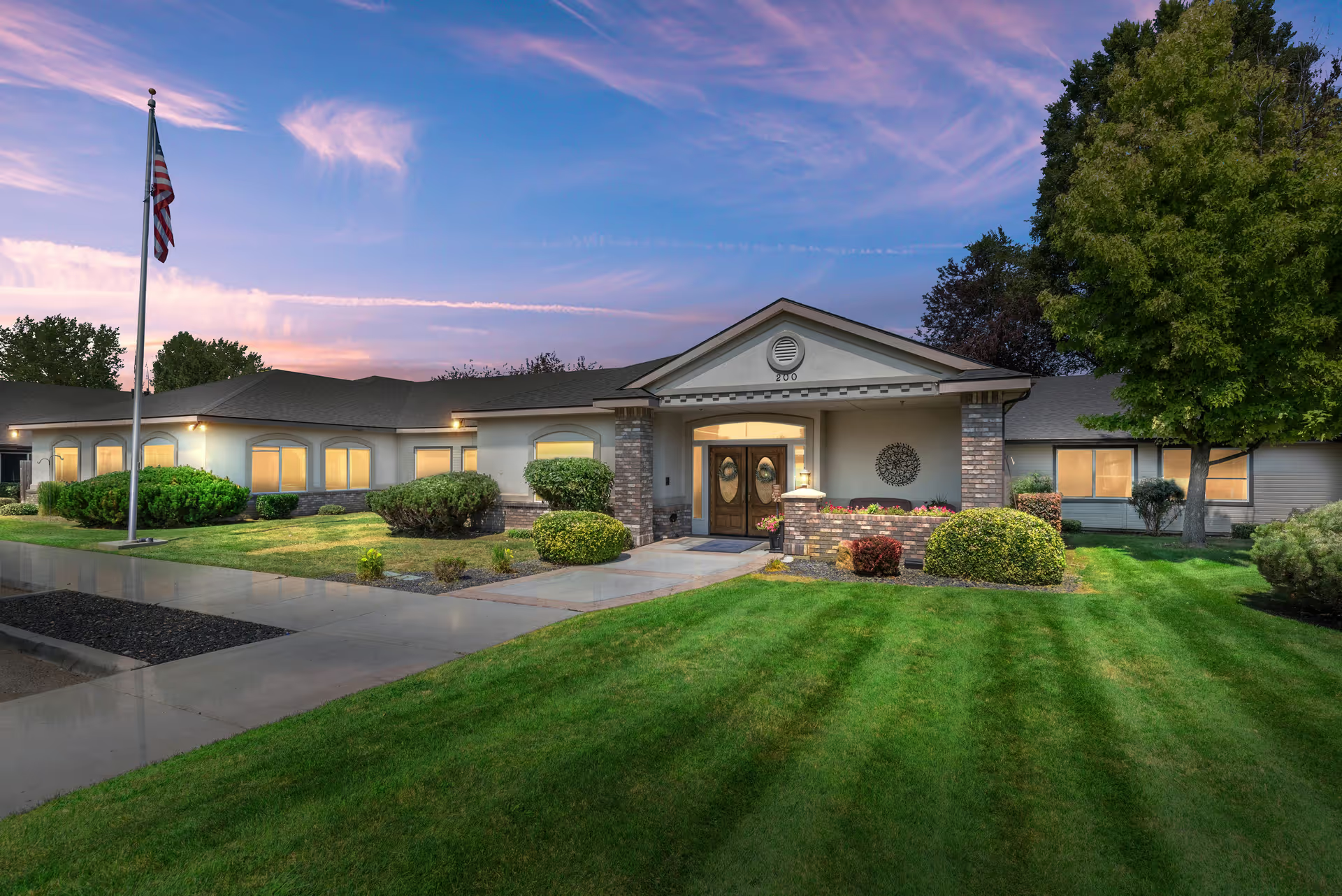
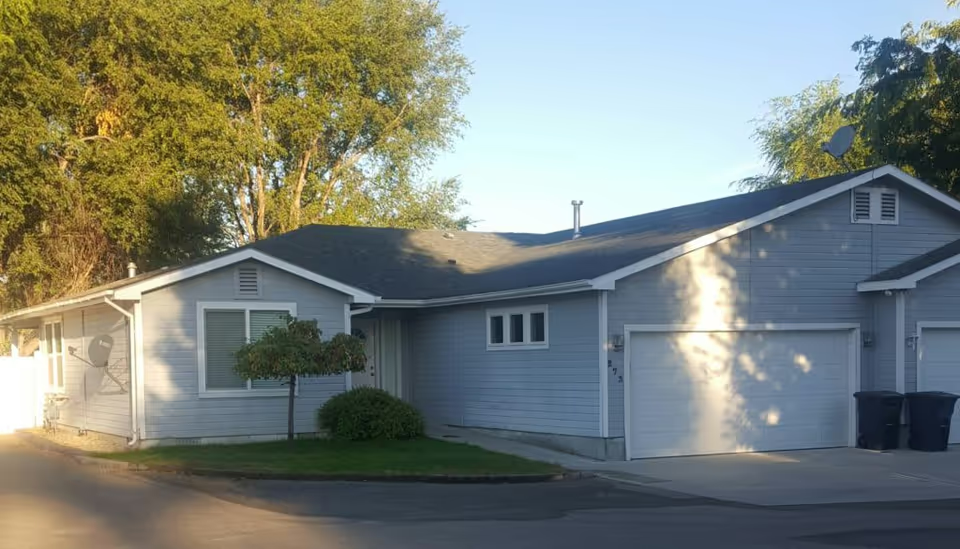
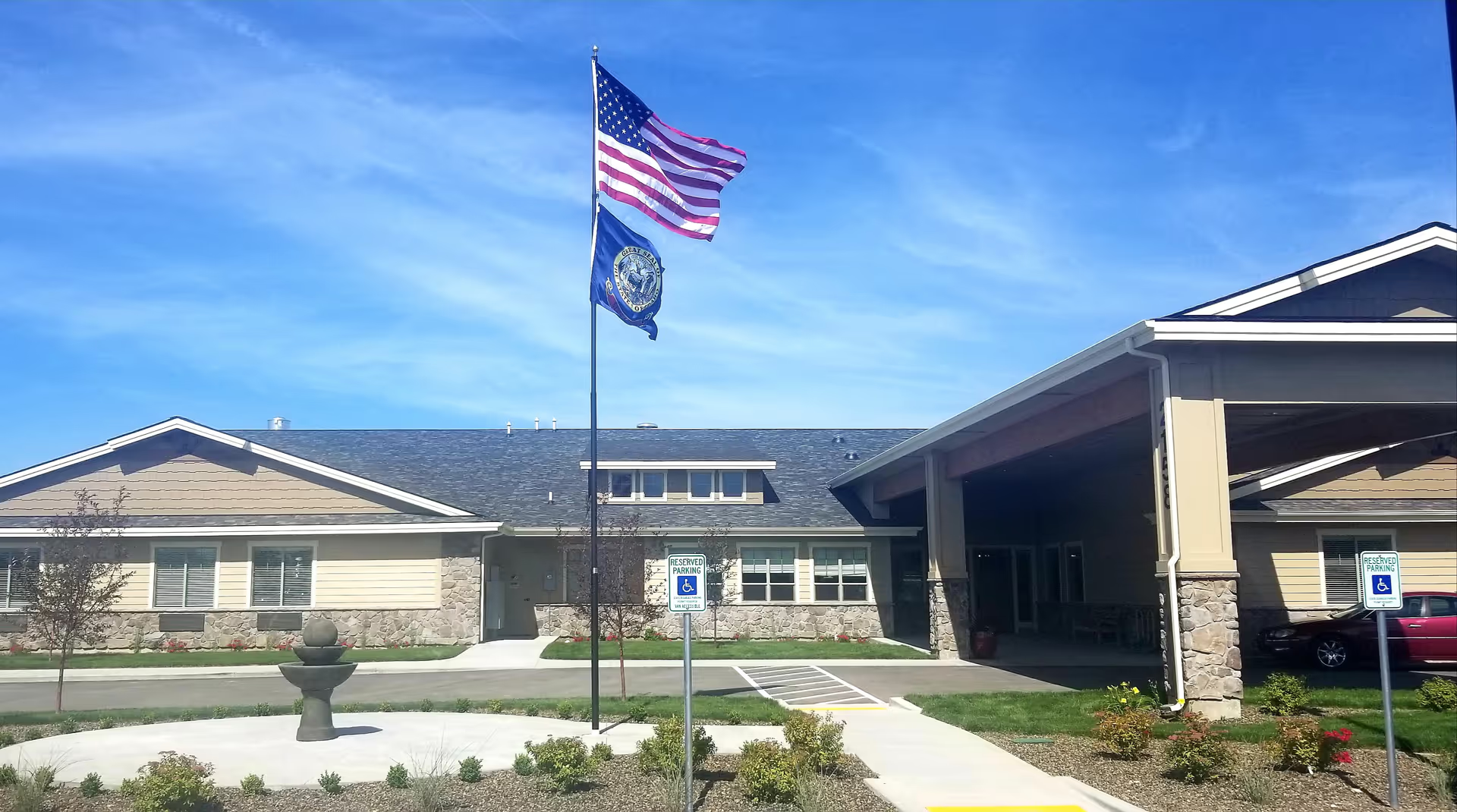
The reviews present a mixed but coherent picture: many families praise the quality of direct care and the facility’s environment, while a subset raise operational and communication concerns. Positively, reviewers repeatedly describe staff as compassionate, knowledgeable, and patient. Families cite respectful treatment, dignity-preserving care, and a home-like atmosphere. Several accounts single out individual caregivers for exemplary work and express gratitude for supportive end-of-life or daily-care interactions. The facility’s cleanliness and partnerships with outside healthcare providers are also noted as strengths.
On care quality, the dominant theme is that clinical and memory-care staff provide attentive, person-centered support for many residents. Praise centers on staff who take time with residents, make them feel safe, and maintain respectful interactions. However, there are consistent notes about gaps in medication handling and nighttime routines in some cases; these point to uneven clinical practice rather than a global pattern of clinical failure. Families who were satisfied describe clear, ongoing communication about care; others report delays or insufficient responsiveness from certain individuals or teams.
Staffing and communication are a clear area of bifurcation. Positive reviews highlight warm, communicative staff and managers who welcome family involvement. Negative feedback focuses on inconsistent responsiveness, poor administrative communication, and difficulties getting accurate, stable information about requirements. Operational elements such as admissions paperwork, deposit disclosures, and move-in coordination generate the most frequent complaints — examples include changing requirements, undisclosed fees, and arriving to an unprepared room. These suggest weaknesses in admissions processes, financial transparency, and handoffs during transitions.
Dining and activities were not widely discussed in the set of summaries provided, so there is limited direct evidence to form a strong conclusion in those areas. When programming is referenced indirectly, it is in the context of staff engagement and the general home-like atmosphere that supports resident comfort and safety.
Facility and management observations point to a generally well-maintained physical environment and an attentive caregiving culture, tempered by administrative inconsistencies. The management-related concerns cluster around high-pressure enrollment tactics, lack of clear billing disclosure, and uneven enforcement or communication of admission requirements. Collectively, these produce a pattern in which families either experience a well-run, compassionate placement or encounter frustrating administrative and coordination issues.
Notable patterns for prospective families: direct caregiving and resident-facing staff performance are frequently cited as strengths, while admissions, billing transparency, and administrative communication appear to be the facility’s weaker operational areas. When evaluating this provider, it would be prudent to confirm billing and deposit policies in writing, observe move-in coordination procedures, ask specific questions about medication administration and nighttime care protocols, and assess how the facility communicates changes in policy or requirements to families.