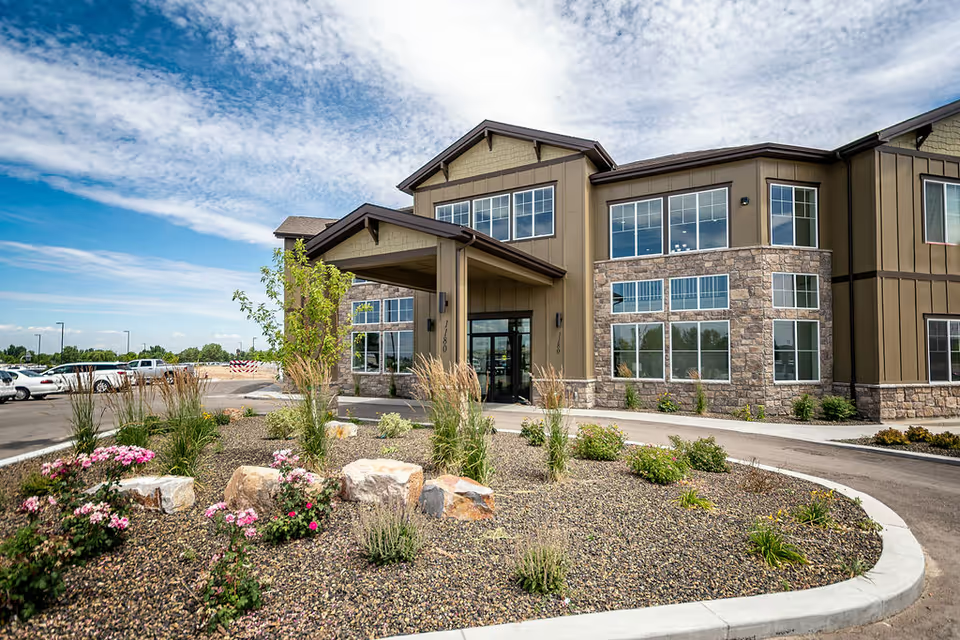
Overall impression: Reviews reflect a facility with evident strengths in personalized caregiving and a small, home-like memory-care setting alongside recurring operational challenges. Families and observers frequently praise individual caregivers for compassionate, respectful interactions and for going beyond scheduled duties to ensure resident comfort. Several accounts describe notable improvements in residents’ engagement and appetite after moving to the facility, and multiple comments highlight clean, up-to-date resident rooms and pleasant common areas.
Care and staff: The staff profile is mixed. Many comments emphasize caring, attentive staff who provide one-on-one attention and who are willing to cover extra shifts when needed; a few caregivers were singled out by name for exceptional performance. At the same time, there are consistent indications of understaffing on some units, which contributes to workload pressure and uneven service delivery. Reviewers also raised concerns about medication-management oversight and responsiveness to changes in resident condition; these items suggest the need to clarify clinical protocols and family communication pathways.
Dining and activities: Dining impressions diverge. Some families describe the food as excellent, while others found meal quality unsatisfactory or inconsistent. Activity programming appears basic but present: reviewers note a designated activity area and routine options such as bingo and puzzles that support engagement. For prospective residents who prioritize a broad or intensive activities schedule, it would be worthwhile to confirm current programming during a visit.
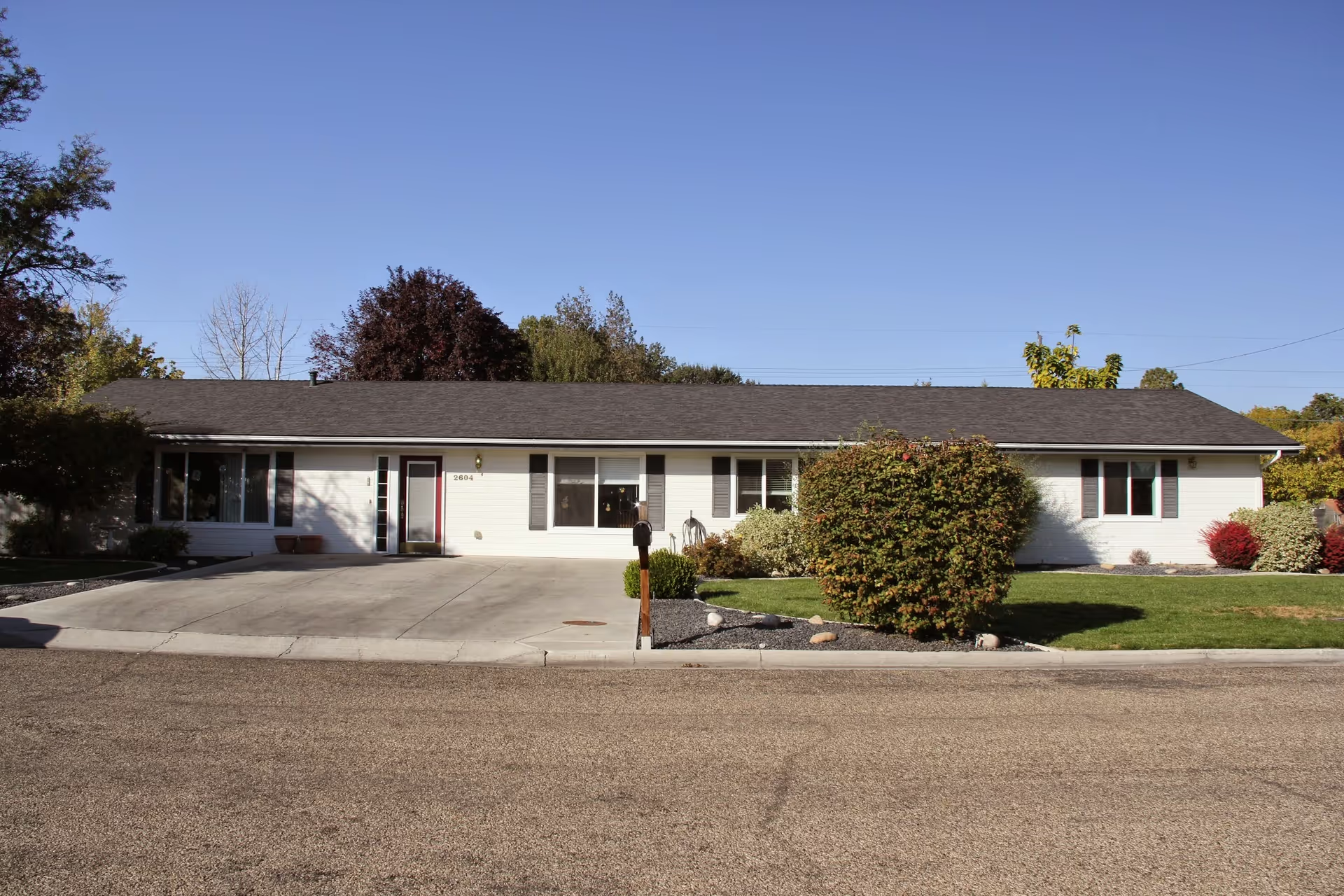
Facilities and sanitation: The facility’s physical environment receives mixed feedback. Positive notes include neat, modern resident rooms and an overall home-like appearance in many areas. However, there are sanitation and pest-control concerns cited for certain spaces, along with comments about limited private-bathroom availability for residents. Housekeeping resource constraints were also mentioned, suggesting variable cleanliness and maintenance in parts of the building.
Management and notable patterns: Reviewers describe organizational instability at times — frequent management changes, disorganization, and occasional staff conflict — which can affect consistency of care and family communication. There is at least one serious individual allegation related to a clinical incident that prompted family concern; this underscores the importance of clear incident-response procedures and transparent communication with families. Prospective families should ask about turnover rates, incident-response protocols, clinical oversight, and how the facility documents and communicates significant events.
What to check on a tour: Given the mixed picture, families should observe staffing levels on the floor at different times of day, inquire about medication-management policies and clinical oversight, ask for specifics on housekeeping and pest-control schedules, confirm bathroom arrangements and privacy, sample current menus, and request references from families of current residents. Verifying recent inspection reports and discussing how management handles incidents and staff turnover will help create a fuller, up-to-date assessment for individual needs.