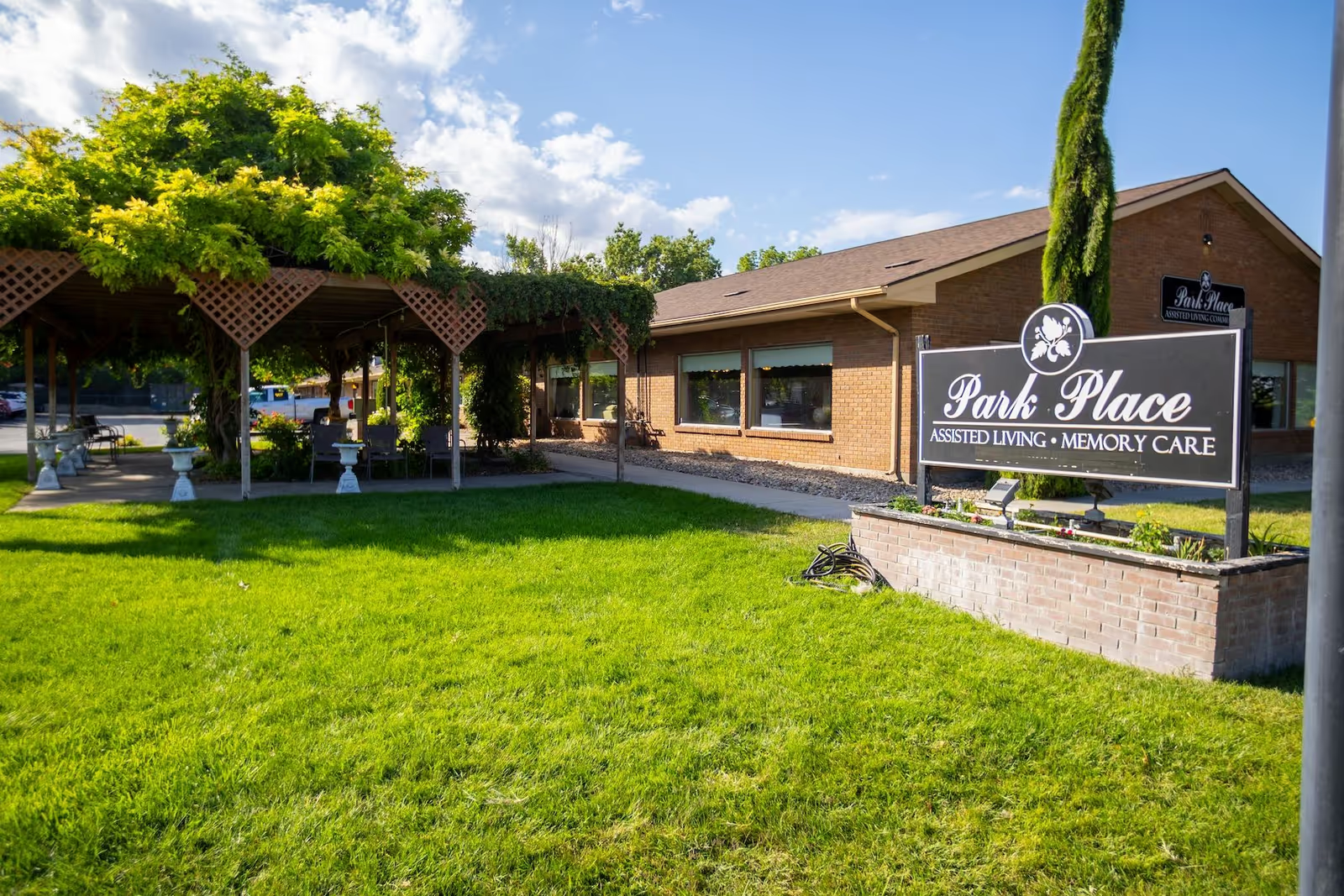
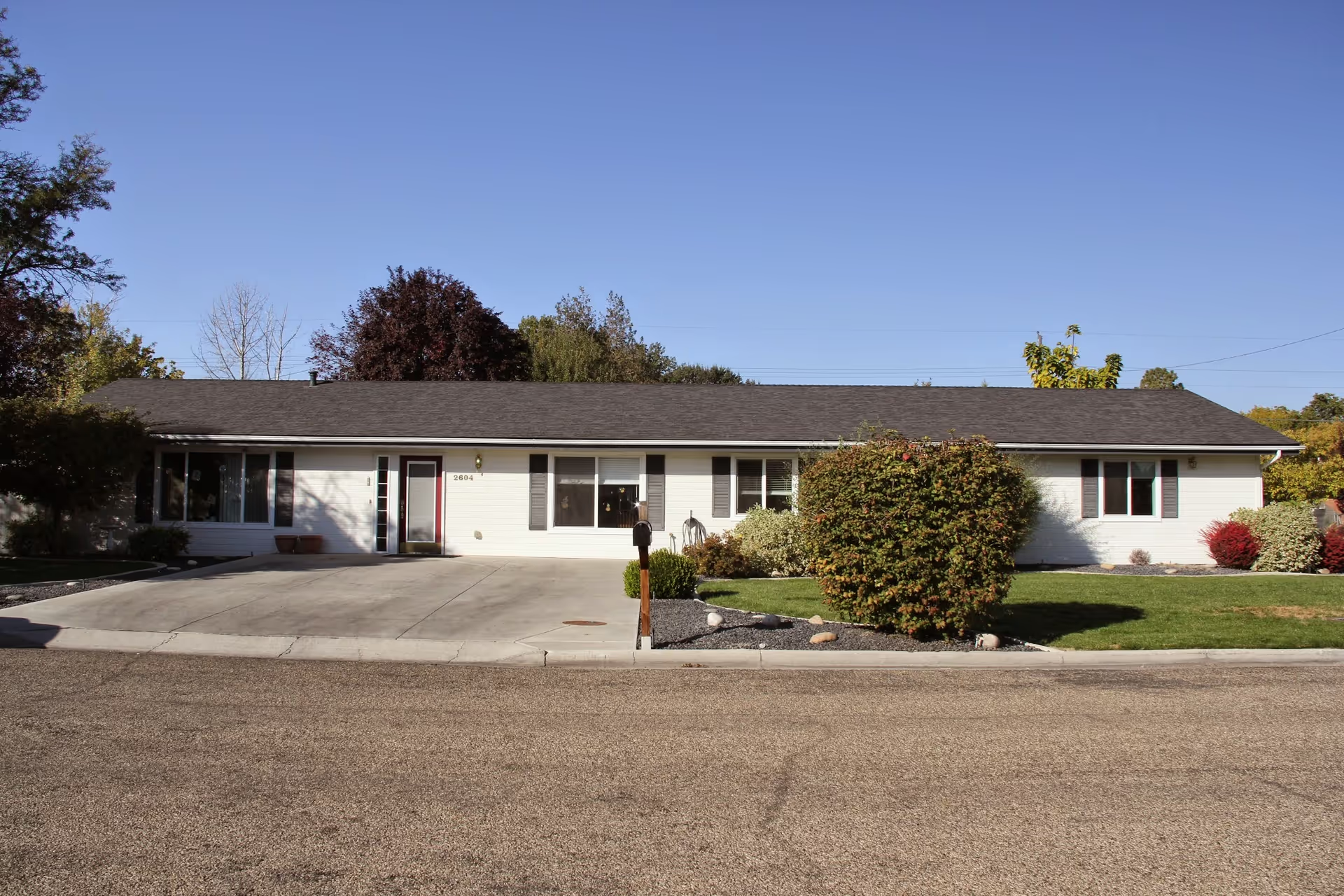
Avista Senior Living Nampa presents as a small, home-like assisted living community with many families praising its compassionate staff, clean environment, and active social programming. Reviewers commonly describe personalized attention driven by a visible activities team and engaged caregivers. The community’s courtyard, outdoor spaces, and interior common areas are frequently described as well maintained and inviting. Apartment variety and accessible layouts make the facility adaptable for different needs, and features such as in-room dining, respite stays, and assistance with veteran benefits were noted as useful practical offerings.
Care quality is described as generally positive: many families reported attentive, empathetic aides and nurses who contributed to residents’ improved mood, appetite, and social engagement. That said, care quality appears variable across time and residents. Multiple accounts indicate effective day-to-day support, but there are also accounts of delayed responses to physical needs and difficulties meeting the requirements of residents with advanced dementia. The facility appears better suited to residents who need moderate assistance and benefit from social engagement rather than those who require intensive memory-care programming or constant supervision.
Dining and activities are strengths for many residents. Reviewers often highlight a chef-driven menu with variety, real cooks, weekend entertainment, and opportunities for outings and craft events. Social dining and meal-delivery options are appreciated. However, there are also recurring comments about inconsistent meal execution (including portion size, occasional undercooked items, and reduced snack availability) that suggest variability in culinary consistency and meal service practices.
Operationally, several themes of concern recur. Staffing shortages and turnover have been cited repeatedly as factors that affect continuity of care, night coverage, and staff availability during larger events. Reviewers described inconsistent clinical oversight, including limited on-site RN coverage, and raised specific clinical concerns that point to the need for stronger medication-management systems and infection-control practices. Financial and billing practices have also been a source of family concern in some cases; a subset of reviews described billing disputes and questions about retroactive price changes. These issues suggest the facility’s administrative and clinical systems sometimes struggle to keep pace with family expectations and regulatory standards.
Management experience appears mixed: some families commend responsive leadership and specific staff members for going above and beyond, while others note management instability, communication gaps, and leadership turnover that have affected care continuity. When leadership and activity staff are engaged, reviewers describe a family-like atmosphere and good follow-through on maintenance and resident preferences. When leadership attention is inconsistent, families report slower responses to clinical questions, billing problems, and a perception that priorities shifted.
In summary, Avista Senior Living Nampa may be a strong fit for families seeking a smaller, social, chef-oriented assisted living community with personalized attention and active programming. Prospective residents and families should assess clinical oversight and dementia-care capacity if advanced memory-support needs exist, and should confirm current staffing levels, RN coverage, and billing practices during the tour. Asking for written medication-management protocols, clarification of financial policies (including post-discharge or end-of-life billing), and examples of night staffing and emergency response procedures will help evaluate whether the facility’s operational practices align with the prospective resident’s needs.