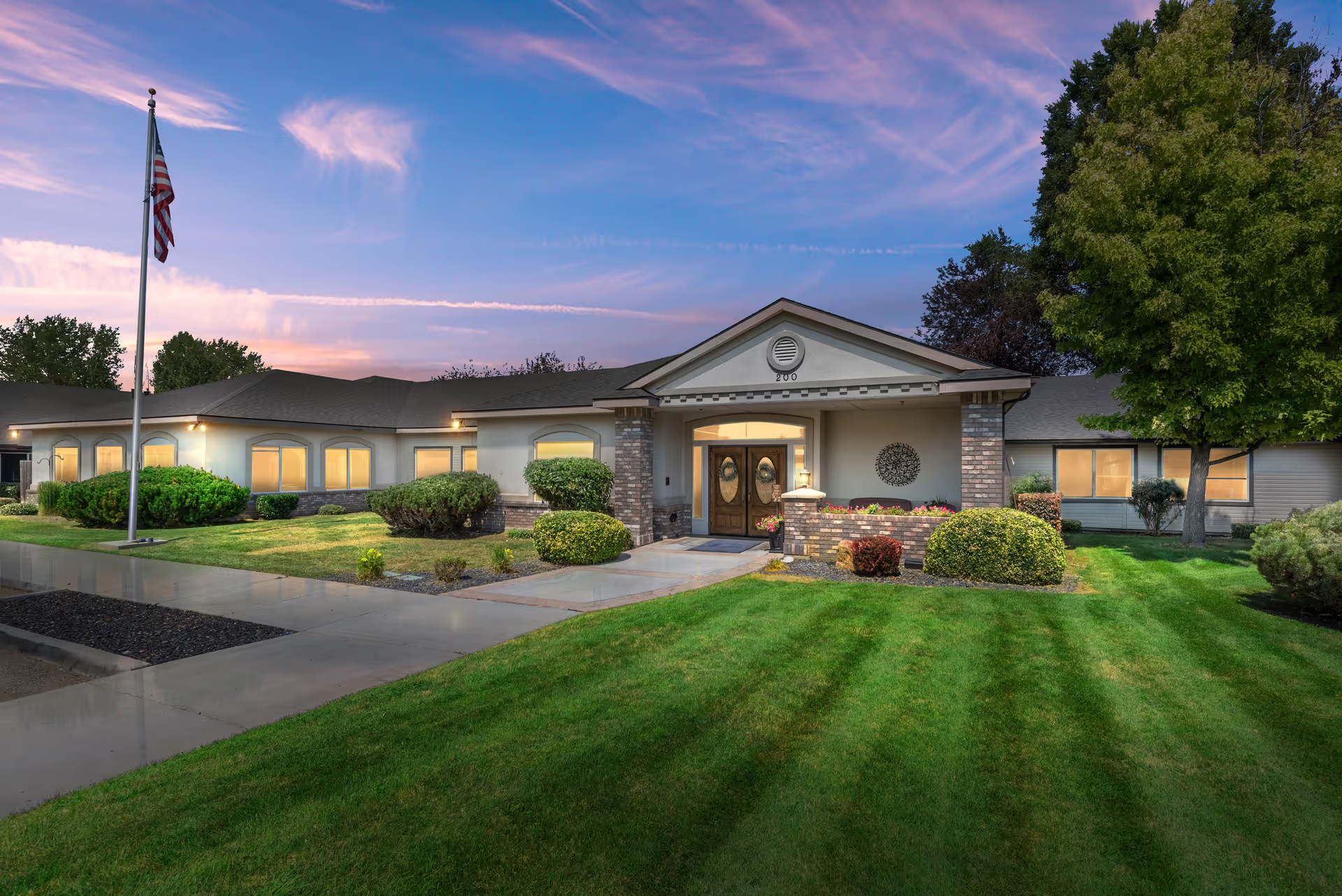
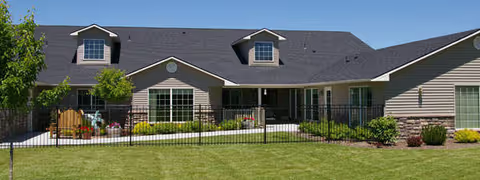
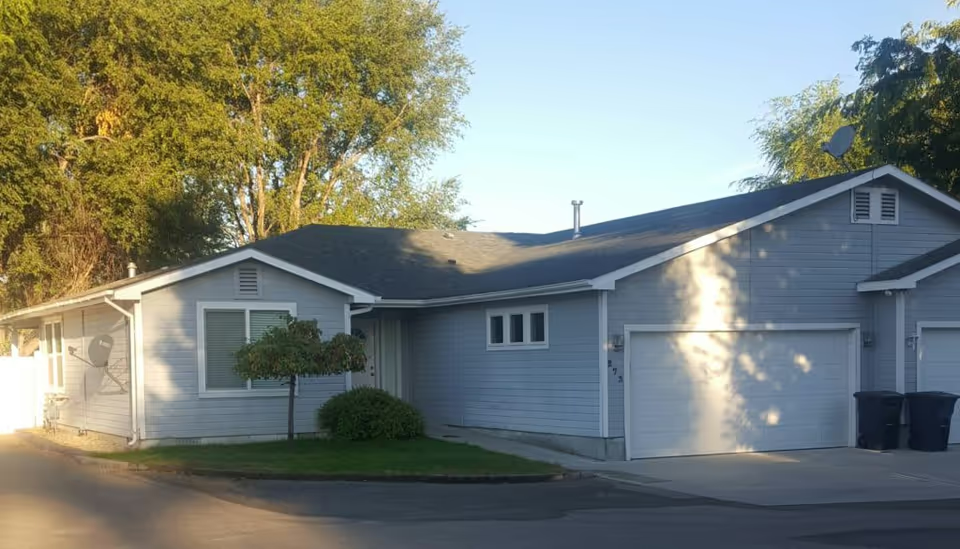
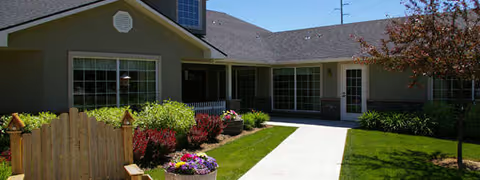
Karcher Senior Living elicits strongly mixed but consistent themes. On the positive side, many families and residents describe a warm, resident-centered culture supported by friendly direct-care staff and a highly regarded therapy department. The facility offers a broad continuum of services — from independent and assisted living to memory care and short-term rehab — and reviewers frequently praise measurable rehab outcomes, attentive therapy staff, and successful transitions back home. The physical plant includes spacious, light-filled one- and two-bedroom apartment options, pleasant common spaces, on-site amenities (salon, library, greenhouse, exercise room), and a range of social activities and outings that many residents find engaging.
Care quality impressions vary by unit and by shift. Strengths include hands-on nursing and CNA teams in many cases, proactive family communication, and sensitivity at end-of-life moments. Conversely, there are recurring concerns about inconsistent clinical continuity: missed or rescheduled medications and appointments, delayed response to call lights, and variability in nursing oversight. These clinical inconsistencies create particular risk for residents with higher medical needs or complex medication regimens.
Memory-care and safety practices are an area of notable divergence. Several accounts describe a supportive environment for residents with milder needs, while others identify gaps in dementia-care training, supervision, and fall-prevention practices. Operational weaknesses here are best characterized as inconsistent supervision and safety-protocol adherence rather than uniform failure; prospective residents with significant cognitive impairment should evaluate specific memory-care protocols during a tour.
Dining and activities receive generally favorable comments but with variation. Many reviewers note substantial menus and enjoyable meals, while others cite limited menu variety, cold food on occasion, or a desire for more snack and dietary options. The activity program is broad — exercise classes, puzzles, games, field trips, and special events — and is a clear strength for social engagement; a subset of residents, however, has found the offerings insufficiently challenging or reduced during pandemic precautions.
Facility condition and management impressions are mixed. Cleanliness, pleasant smells, and well-kept grounds are commonly cited positives. At the same time, reviewers note aging-infrastructure items (AC, roof, carpet repair, parking shortages) and intermittent maintenance issues. Management visibility gets both praise (hands-on admissions staff, positive leadership interactions) and criticism (perceived sales-oriented admissions, billing complaints, and concerns about administrative priorities). There are also isolated but serious claims regarding personal-item handling and role assignments; these have been raised as allegations and merit direct inquiry during a visit.
Notable patterns for prospective family members: the facility can deliver strong rehabilitative outcomes and a warm social environment, particularly for residents with rehabilitation goals or moderate assistance needs. However, variability in staffing, medication practices, dementia supervision, and administrative follow-through means the fit depends on individual clinical requirements and on-site team consistency. When evaluating Karcher, consider asking for recent staffing ratios, medication-administration protocols, dementia-care staffing and training, incident reporting and property-inventory procedures, sample menus, and opportunities to observe activity periods and mealtimes. A thorough, on-site tour and direct questions about continuity of care will help determine whether the facility’s strengths align with a prospective resident’s needs.