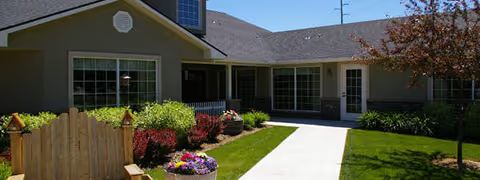
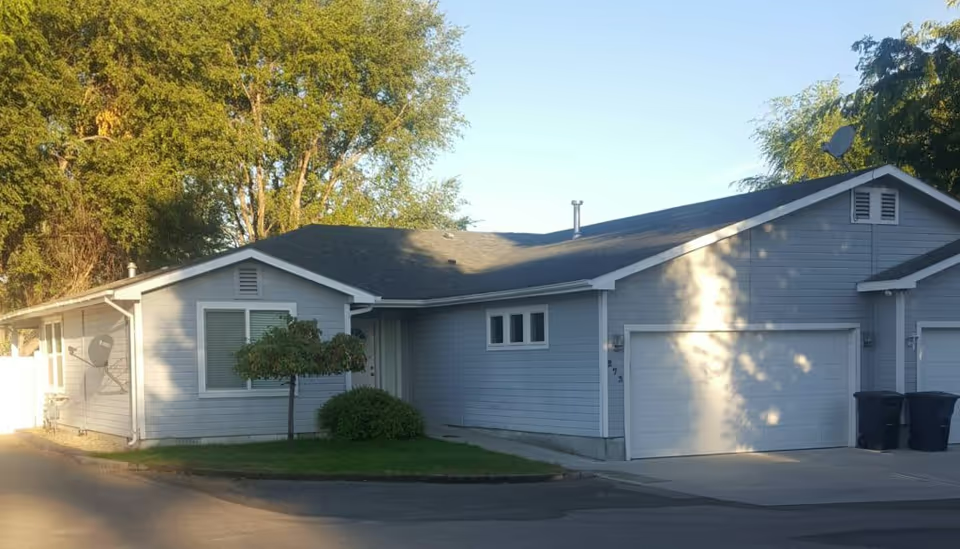
Reviewers present a strongly polarized view of Luna House: many families describe a small, home-like setting with compassionate, hospice-oriented caregiving and excellent end-of-life support, while others raise operational and management concerns that affected safety, responsiveness, or expectations. The facility's small size and residential design are consistently noted as positives for creating a quiet, inviting atmosphere that some families found especially appropriate for hospice and respite care.
Care quality and staff performance are described in divergent terms. Positive accounts emphasize dedicated, compassionate caregivers, personalized care plans, effective family communication, and staff with hospice/dementia experience who make residents comfortable in their final days. Conversely, there are recurring concerns about inconsistent staffing levels, caregiver turnover, and the tone of communication from some employees and managers. Several reviews highlight delays in attending to needs during nighttime hours and gaps in medication or pain-management oversight; these descriptions point to operational weaknesses in coverage and clinical supervision rather than isolated praise or criticism of individual caregivers.
Dining and housekeeping receive mixed feedback. Many reviewers praise home-cooked meals, a pleasant dining atmosphere, and the aroma and presentation of food. Others describe a limited or repetitive menu, occasional use of reheated or quickly prepared items, and instances where meals or food handling raised sanitation concerns. Housekeeping is similarly mixed: the facility is frequently called clean and well-decorated, but there are also mentions of inconsistent room cleaning and bedside sanitation lapses, suggesting variable adherence to housekeeping schedules or standards.
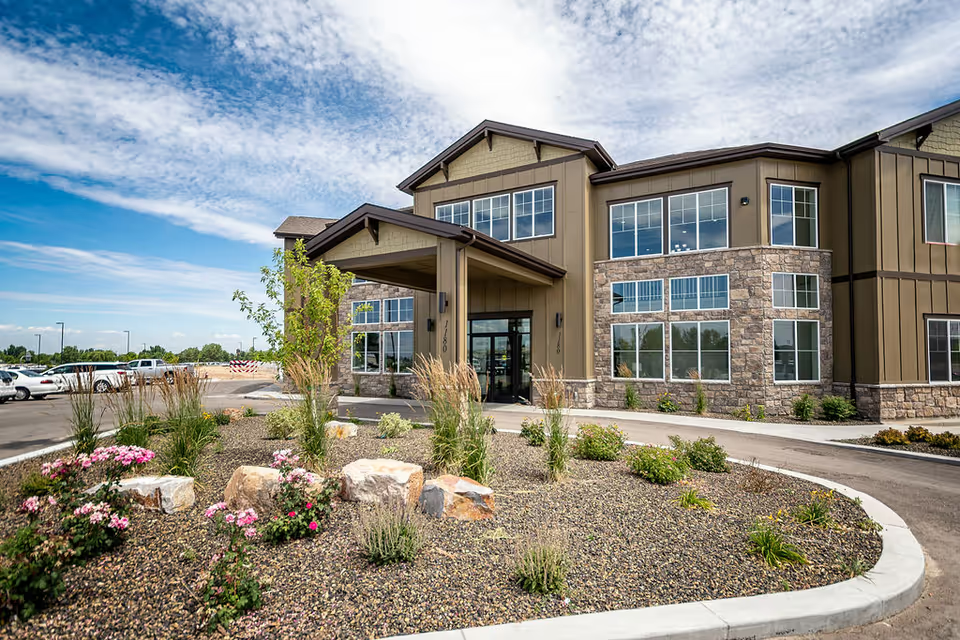
Facilities and resident environment are often highlighted as strengths: the interior is described as thoughtfully decorated, cozy, free of institutional cues, and complemented by attractive outdoor gardens and seating areas for families. At the same time, privacy and safety issues appear in multiple comments. Some families were uncomfortable with in-room monitoring cameras or unclear camera policies; others reported missing or nonfunctional call-button systems and exterior safety hazards such as icy walkways. These concerns emphasize the need to verify safety and privacy practices during a visit.
Management and administrative practices show similar variability. Several reviewers praised an accessible manager and effective care coordination, while others described problematic management behaviors, unclear contracts, billing disputes (including prorating and deposit issues), and slow handling of Medicaid approvals or refunds. Marketing and public materials were also challenged as not always matching on-site meal or staffing realities, which can create expectation gaps for incoming families.
Overall pattern and guidance: Luna House appears to offer strong hospice-focused, small-house care that families seeking a residential, end-of-life environment may value highly. However, operational inconsistencies—particularly around staffing continuity, night coverage, medication oversight, housekeeping, privacy policy, and billing transparency—are recurring themes that can materially affect a resident’s experience. Prospective residents and families should perform targeted due diligence: confirm 24-hour coverage and nighttime response procedures, review medication and pain-management protocols, ask about staffing stability and turnover, inspect call-button and monitoring arrangements and camera policies, verify housekeeping schedules, and obtain clear, written billing and contract terms before admission. Checking licensing status and any state or welfare complaints is also advisable for those weighing placement decisions.