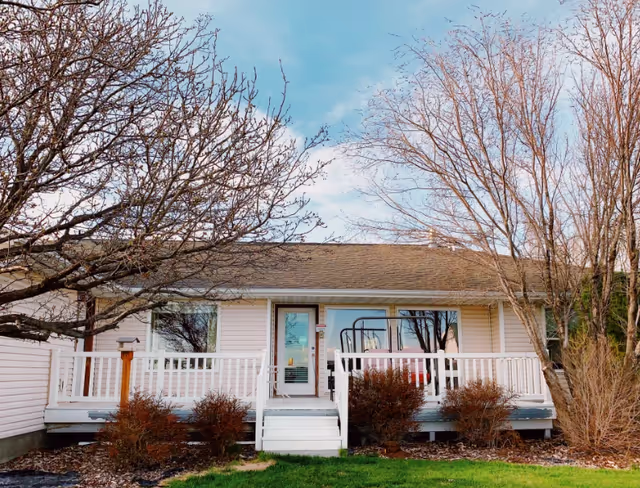
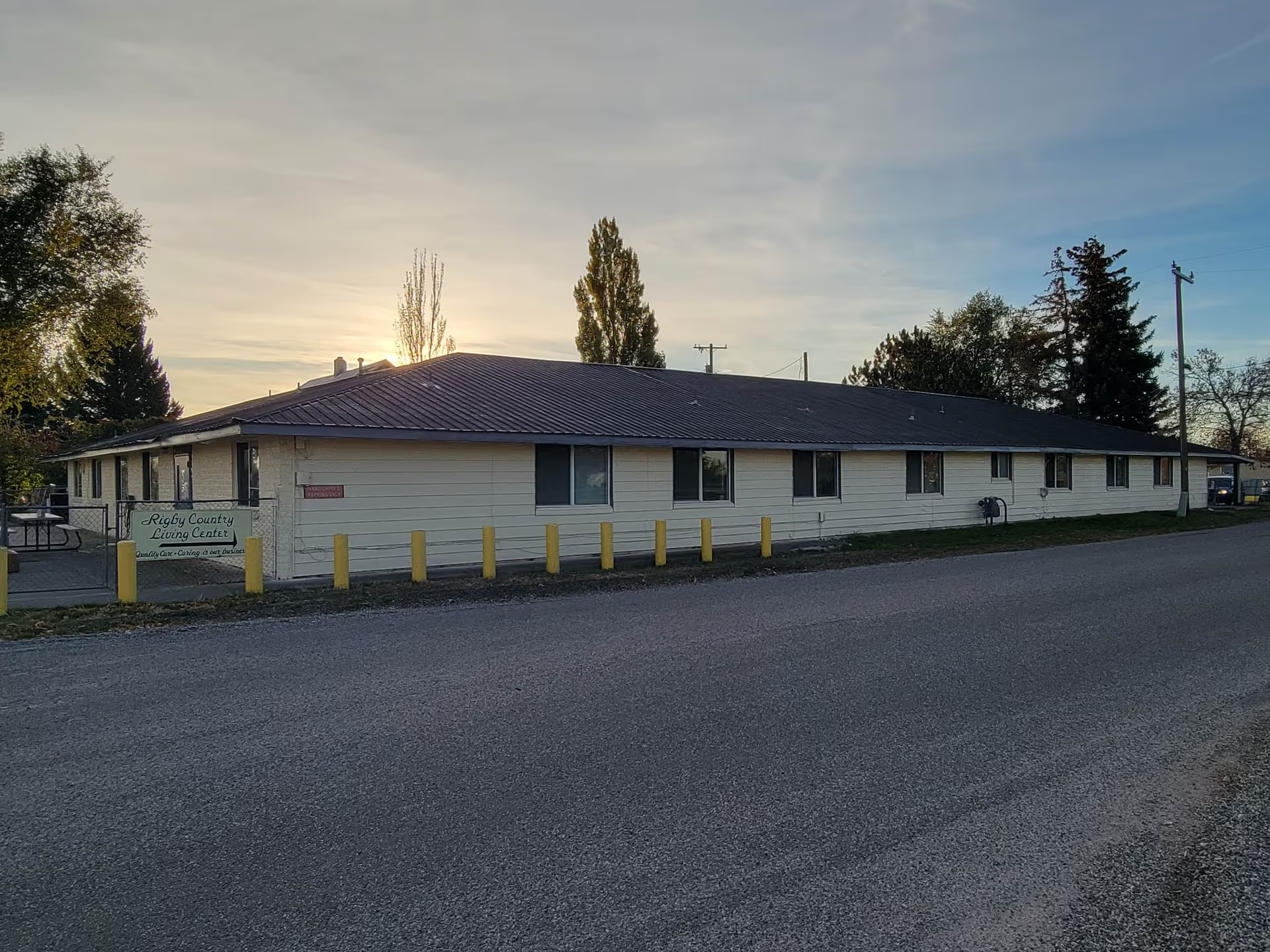
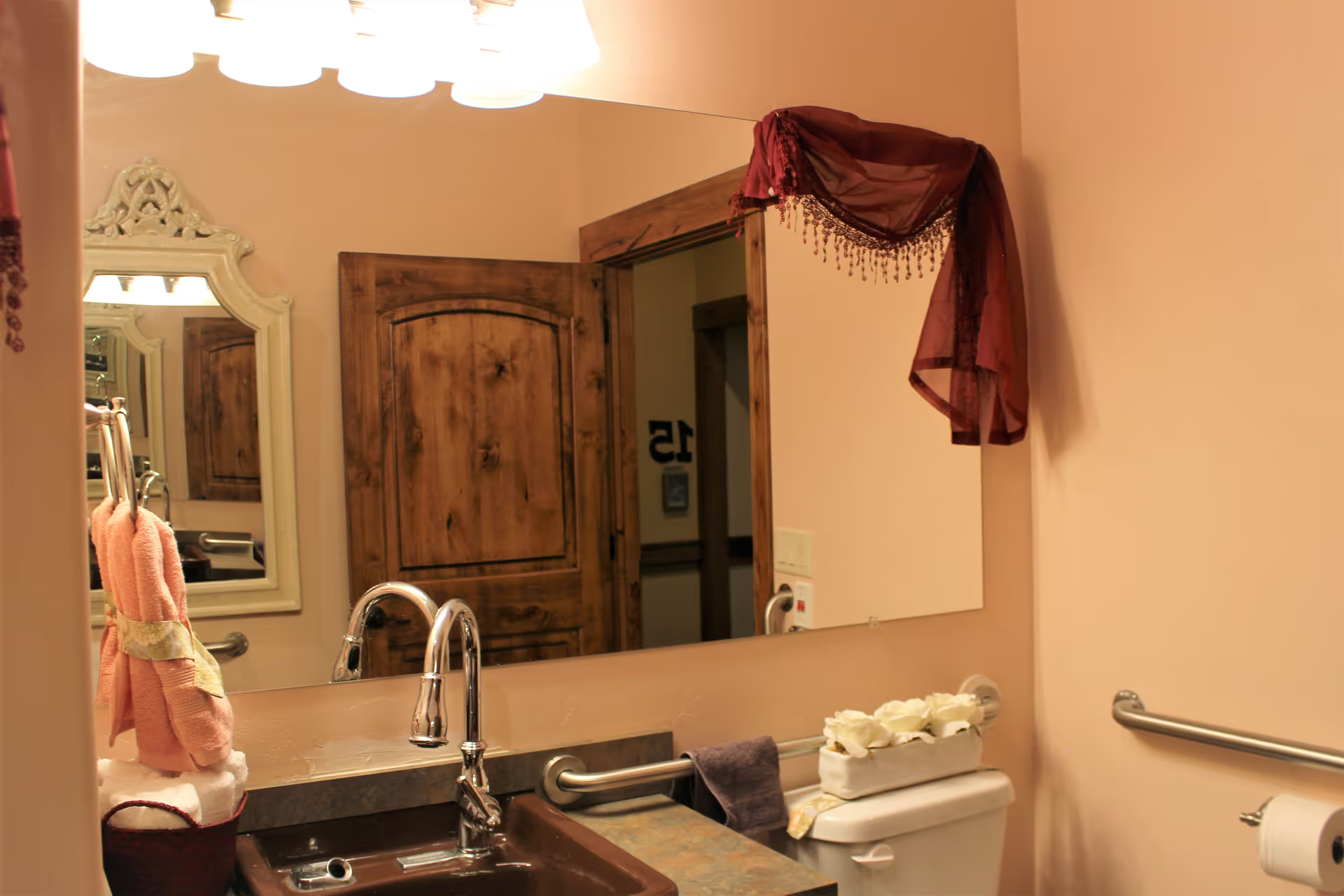
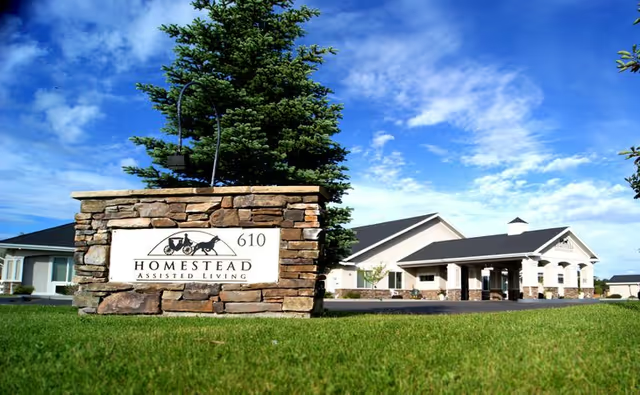
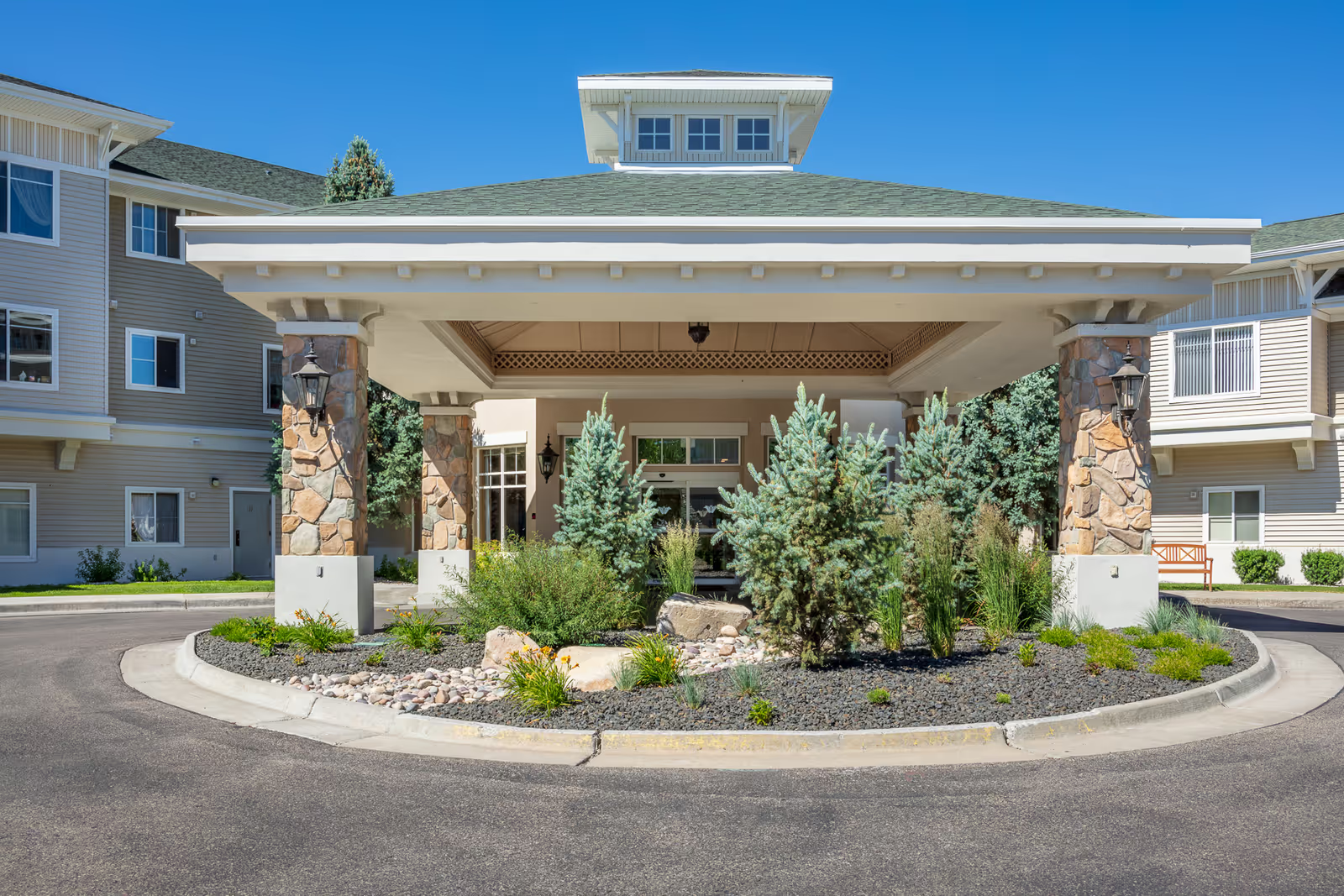
Homestead Assisted Living elicits strongly mixed but largely polarized impressions: many reviewers describe a family-run, home-like environment with engaged staff and abundant programming, while a distinct set of reviews raises serious operational concerns. The facility is commonly praised for its compassionate caregiving, visible owner involvement, and a social atmosphere that includes frequent outings (fishing, sightseeing, regional trips) and on-site amenities such as a spa, hair services, and an ice cream parlor. Reviewers frequently note well-kept buildings, attractive landscaping, comfortable common areas, private studio apartments with kitchens and large bathrooms, and responsive maintenance and housekeeping services.
Care and staff: Numerous comments highlight attentive, affectionate caregivers, a strong sense of family among staff and residents, and continuity of care across assisted living, memory care, and hospice services. Families emphasize prompt responses to needs, personalized care plans, and staff willingness to accommodate resident preferences. At the same time, a pattern of staffing instability appears in the reviews: high turnover, variable training levels, and instances of insufficient staffing on some shifts that reviewers link to delays in assistance and inconsistent attention. Several reviews also describe workplace-culture issues that may contribute to morale and retention challenges.
Dining and nutrition: Dining receives mixed feedback. Many residents and families praise the cafeteria-style food, special treats, and meal options delivered to rooms, describing portions and presentation as appealing at times. However, other reviewers note inconsistent food quality, occasional timing variability (meals served early or late), and uneven protein availability. A subset of comments raises concerns about kitchen practices and food-safety protocols; these critiques are operational in nature rather than experiential and suggest uneven implementation of sanitation procedures.
Activities and community life: Activity programming is a frequent strength. Reviewers report a broad calendar of social and therapeutic activities, arts and crafts, religious services, outings, animal visits, and engagement that many residents find meaningful. Transportation and field trips are recurring positives, and families appreciate opportunities to join meals and events. The community is often described as congenial, with residents who are socially engaged and staff who facilitate a lively atmosphere.
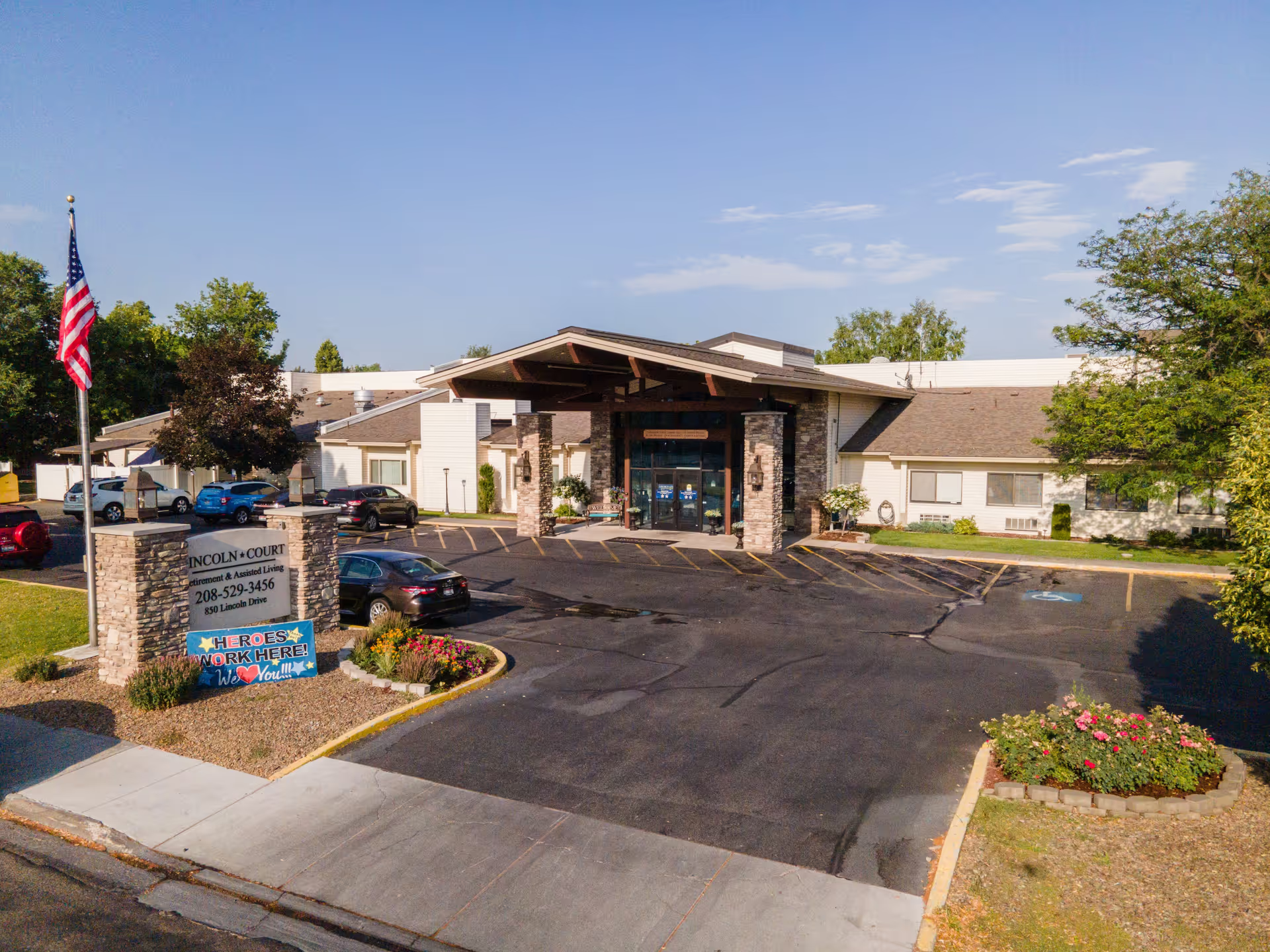
Facilities and amenities: The physical plant and amenities receive consistent praise for being new, clean, and tastefully decorated. Common areas (fireplaces, large-screen TVs, library) and resort-style cottages are noted as comfortable and welcoming. Weekly apartment cleaning and responsive maintenance are specifically highlighted. Some practical limitations are cited, including limited outdoor walking space around the facility and intermittent internet or power reliability issues.
Management and notable patterns: Management is described by many as accessible and involved; owners are frequently characterized as hands-on and willing to go above and beyond. This involvement appears connected to strong family communication and individualized placement assessments. Conversely, a subset of reviews contains serious allegations—including claims of revenue-driven placement decisions and gaps in medication-security practices—that, if accurate, would warrant investigation by oversight parties. Overall, prospective residents and families should weigh the facility's clear strengths in atmosphere, programming, and owner engagement against operational concerns around staffing consistency, meal-service reliability, kitchen practices, and medication-security procedures. A focused conversation with management about staffing ratios, caregiver training, food-safety protocols, and medication controls is advisable for anyone considering placement.