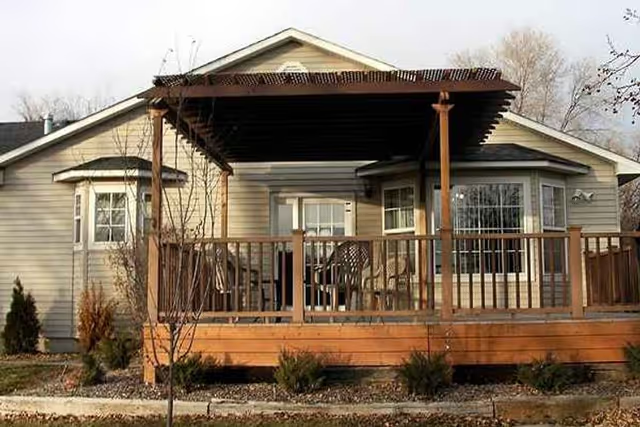
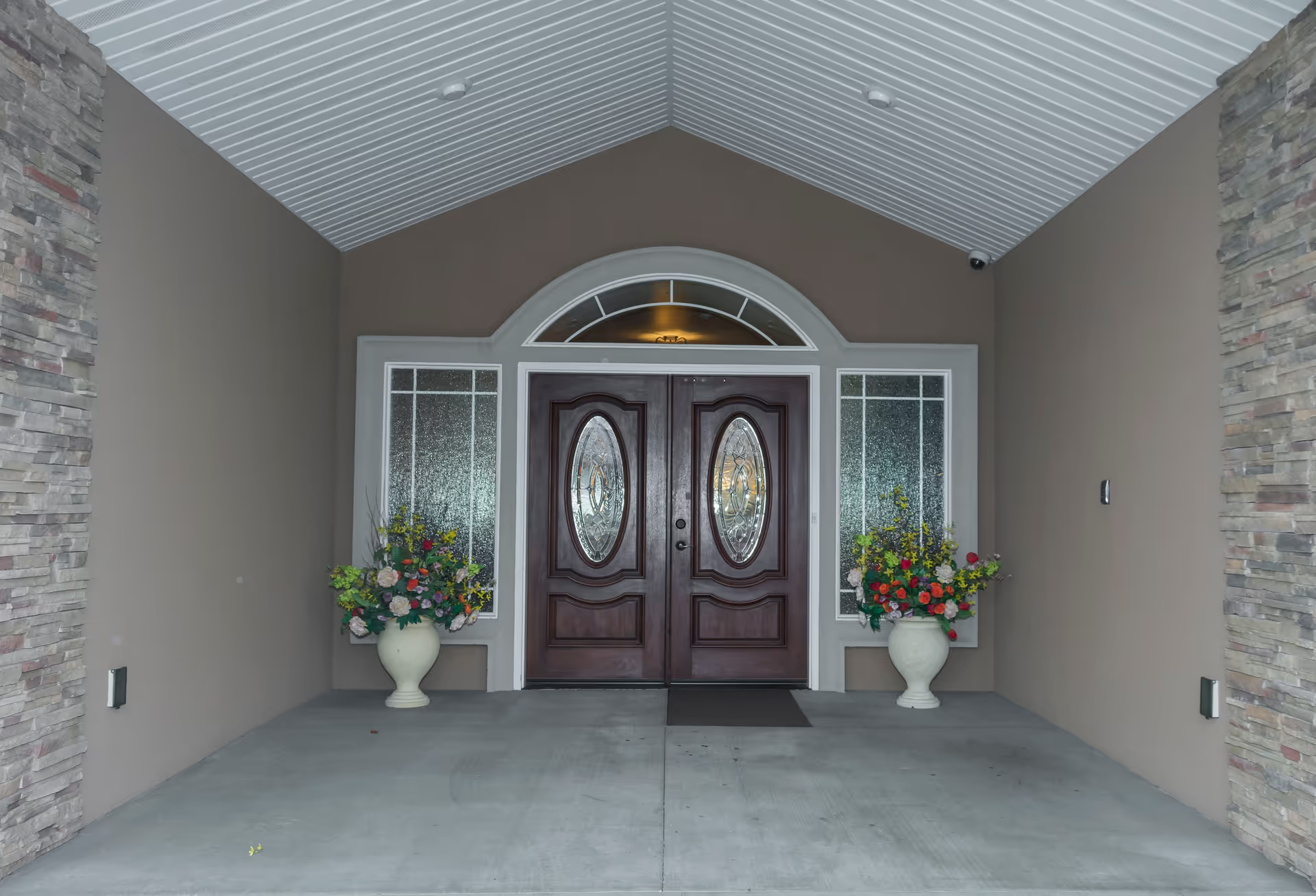
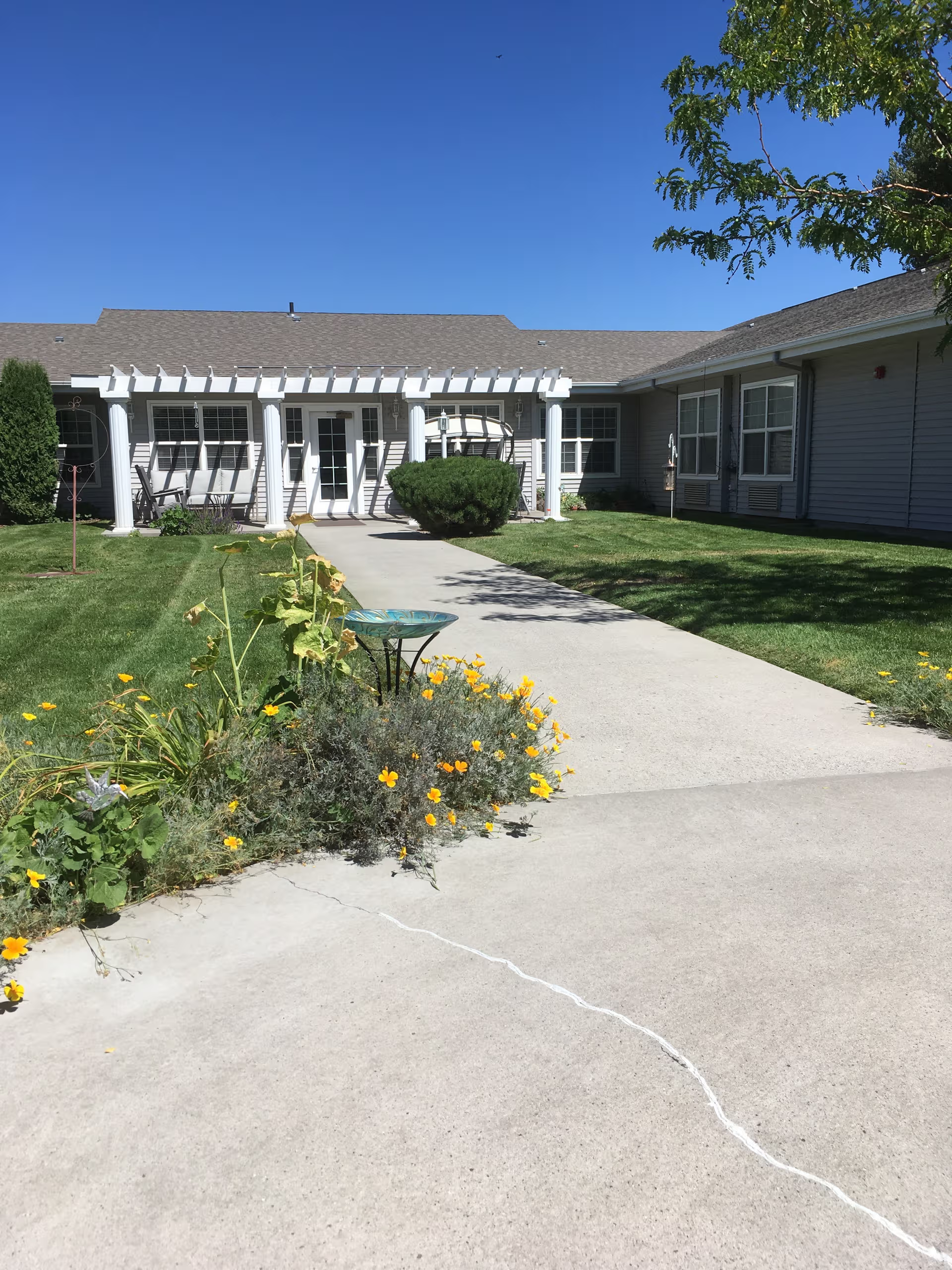
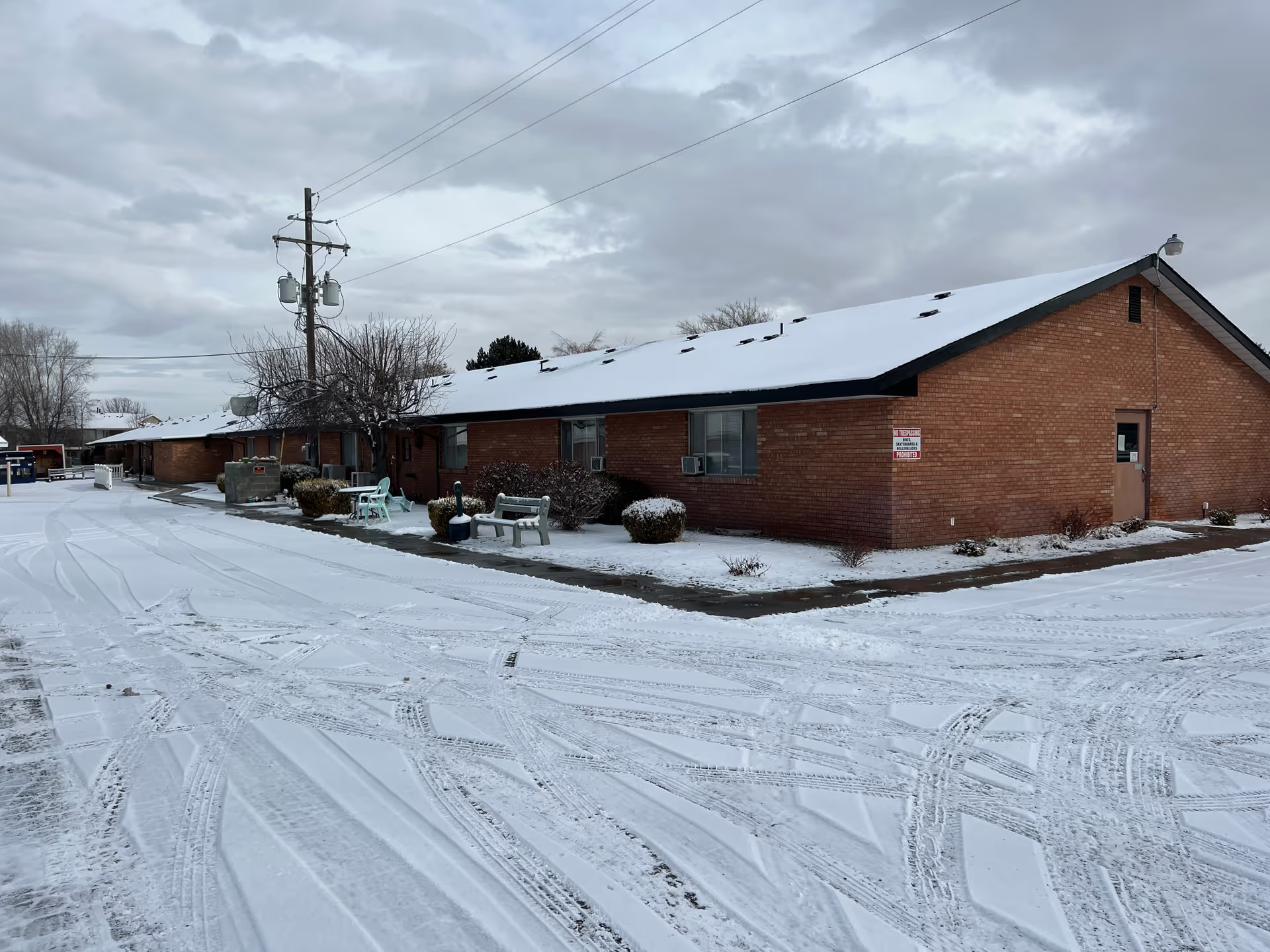
Rosetta Assisted Living - Twin Falls is characterized primarily as a small, home-like memory-care community with a strong emphasis on dementia-specific services. Positive patterns in feedback focus on attentive, compassionate caregiving and a person-centered approach: staff are frequently described as affectionate, patient, and familiar with residents' histories and preferences. Reviewers highlight specialized programming for memory-impaired residents, a range of memory-specific activities and family-friendly events, and leadership that is often credited with setting clinical and relational standards. The physical environment is similarly praised in many accounts — recently remodeled interiors, tidy rooms, and outdoor amenities such as a secure backyard and walking path contribute to a residential atmosphere.
Care quality is perceived as a central strength. Many families indicate that staff provide dignified, respectful assistance with daily needs, that grooming and personalized attention are handled sensitively, and that collaborative efforts to improve residents' strength and mobility are welcomed. Communication with families is often cited as good; advocates and administrators have been credited with keeping relatives informed and engaged. The facility's focus on memory care, combined with consistent staff–resident familiarity, appears to reduce caregiver burden for some families and provide peace of mind.
Dining, activities, and facilities receive mixed but generally favorable comments. Home-cooked-style meals and a small, residential dining experience are mentioned positively. Programming includes memory-focused activities and opportunities for social engagement; events appear designed to include families. The building and grounds are described as attractive and well-maintained by many families, with quiet surroundings and a layout that supports resident movement and supervision.
Alongside the favorable commentary, there is a notable cluster of operational concerns that prospective families should consider. Several account types point to variability in administrative tone and responsiveness; while leadership is praised in many narratives, other accounts describe unprofessional or dismissive interactions. Staffing stability and workload pressure emerge as recurring themes — perceptions of aides being overextended, irregular supervision of residents, and gaps in training for some direct-care staff are present in the feedback. Related operational weaknesses include timekeeping and staffing-accountability issues and inconsistent oversight of activity programming.
Cleanliness and facility maintenance are areas of mixed feedback: many describe clean rooms and a well-kept facility, but other accounts raise sanitation and pest-control concerns and reference regulatory or maintenance issues that required attention. There are also remarks about a staffing model that includes family members employed by the facility; this has been framed by some as a potential source of role confusion or conflict. Taken together, the pattern suggests that Rosetta offers strong, person-centered dementia care much of the time, but that the resident experience may vary depending on current staffing, management consistency, and the resolution of facility-level maintenance and compliance items.
For families evaluating Rosetta, recommended points of inquiry include current staff-to-resident ratios, staff training and supervision practices, the facility's recent regulatory inspection history and corrective actions, pest-control and sanitation protocols, and how activity schedules and the activity-director role are managed. A focused tour that speaks with direct-care staff and observes mealtime and activity periods will help clarify how the strengths and operational concerns manifest on a given day.