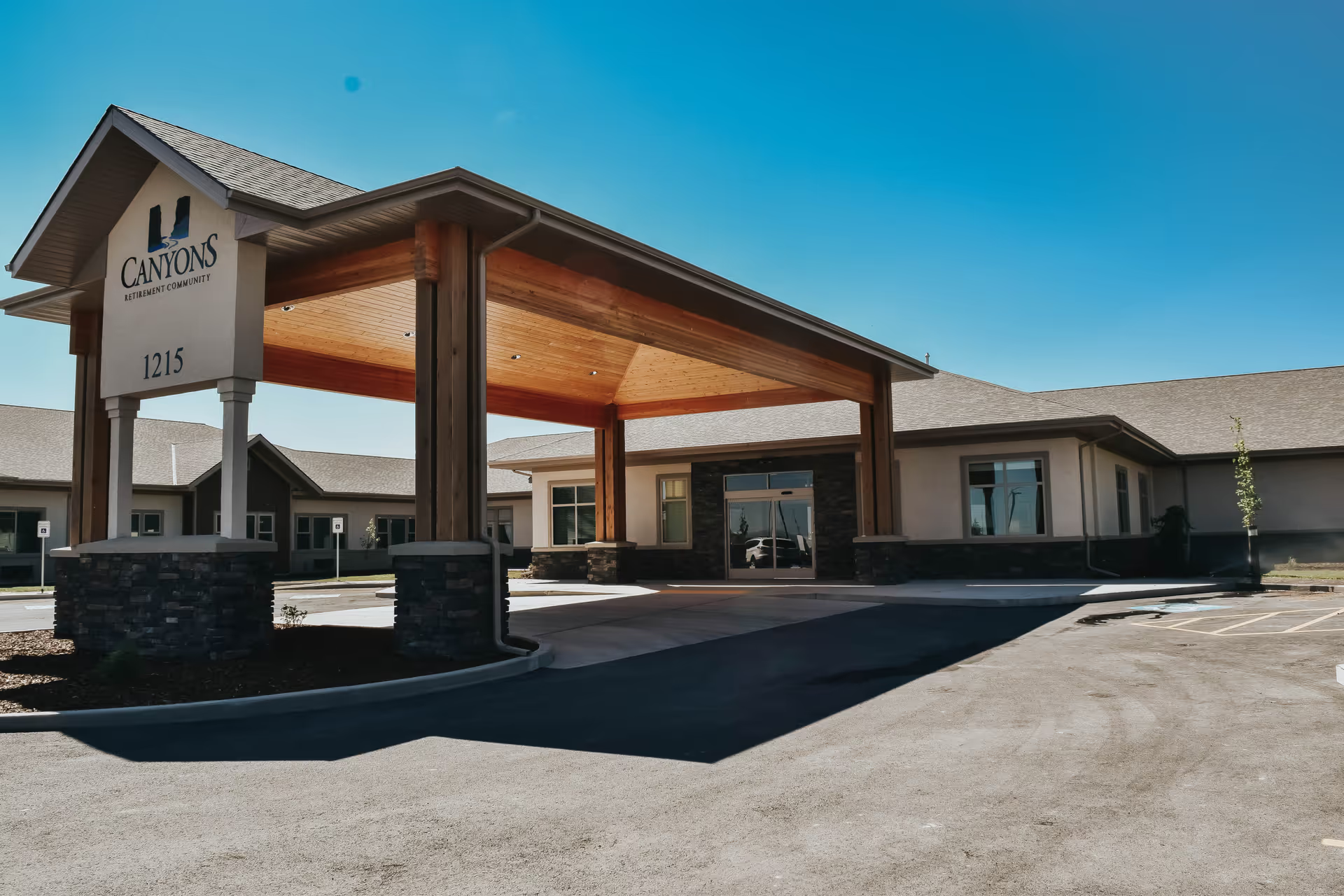
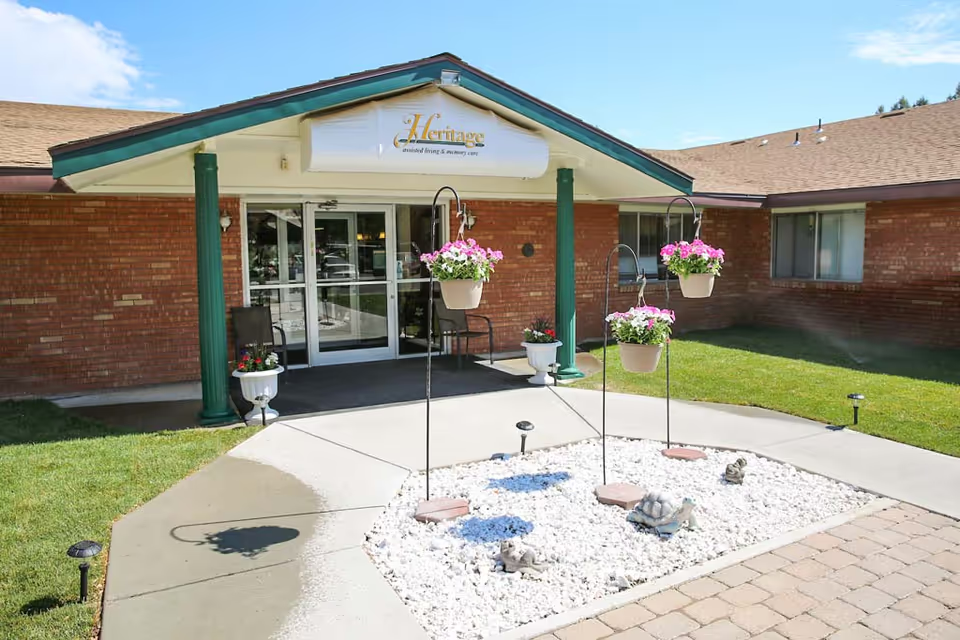
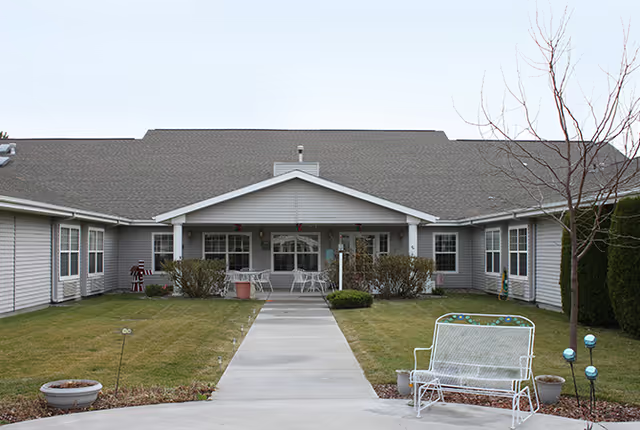
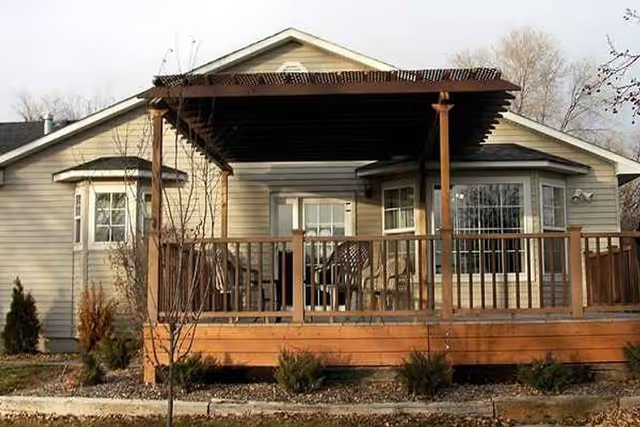
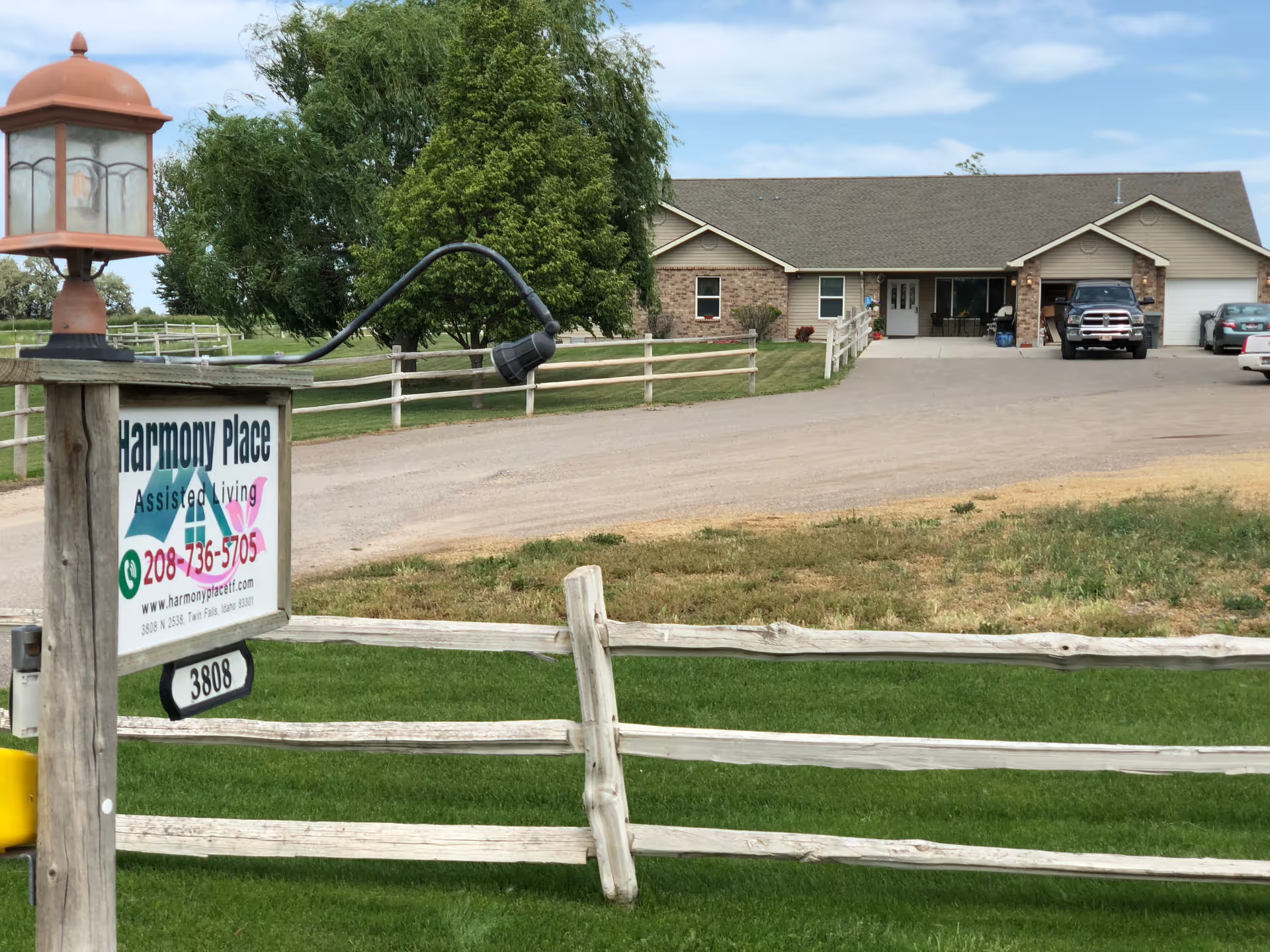
Overall impression: Reviews present a facility with a number of clear strengths alongside recurring operational concerns. Families and residents frequently commend the quality of hands-on care and rehabilitation services, and many describe the environment as clean, bright, and welcoming. At the same time, patterns emerge around communication, staffing, and certain clinical-process areas that prospective residents and families should consider when evaluating the facility.
Care and staff: Clinical care and frontline staff receive the most consistent praise. Nursing, CNAs, and therapists are often described as compassionate, patient, and skilled; physical and occupational therapy in particular is repeatedly highlighted for achieving measurable rehabilitation gains and helping residents return home. Reviewers also single out individual staff members — therapists, aides, and social-work/administrative contacts — as responsive and supportive. However, several reviews indicate that staffing levels and workforce turnover can create variability in experience: delays answering call lights, waiting for assistance, and reliance on new or less-experienced personnel were noted as recurring operational weaknesses. Relatedly, there are repeated concerns about medication administration consistency and clarity of PRN medication processes.
Dining: Opinions about food are mixed. Many residents and families describe enjoyable meals, a pleasant dining room, and regular service; others describe variable meal quality, limited menu variety, and specific issues such as dry bread or preferences not consistently accommodated. Dietary restriction management and menu variety appear to be areas with inconsistent performance across stays.
Activities and community life: The facility is frequently described as socially engaging with an active programming schedule. Reviewers mention a positive atmosphere — resident laughter, group activities, and an involved activities director — as contributors to resident morale. Outdoor walking opportunities and bright common areas are cited as beneficial for socialization and mobility work.
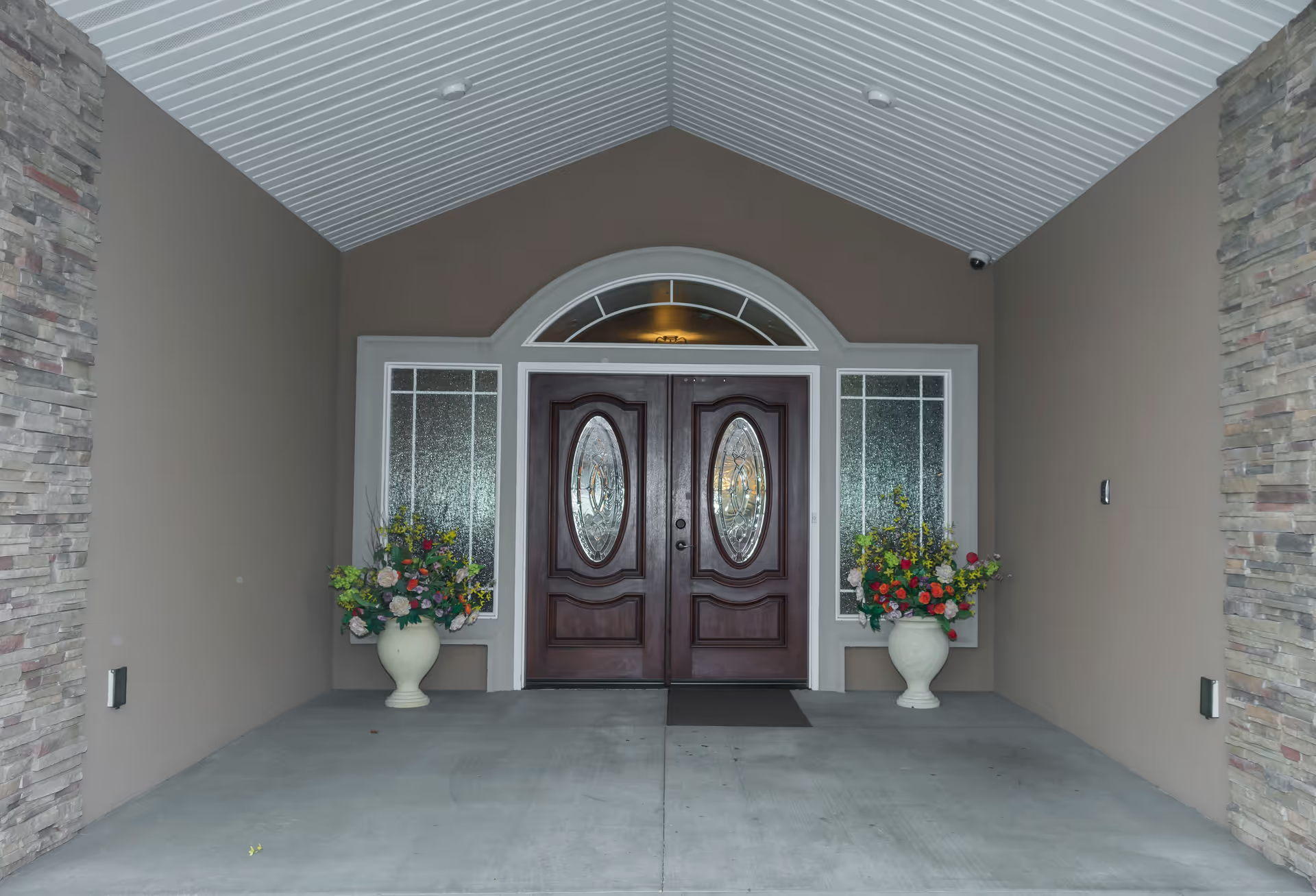
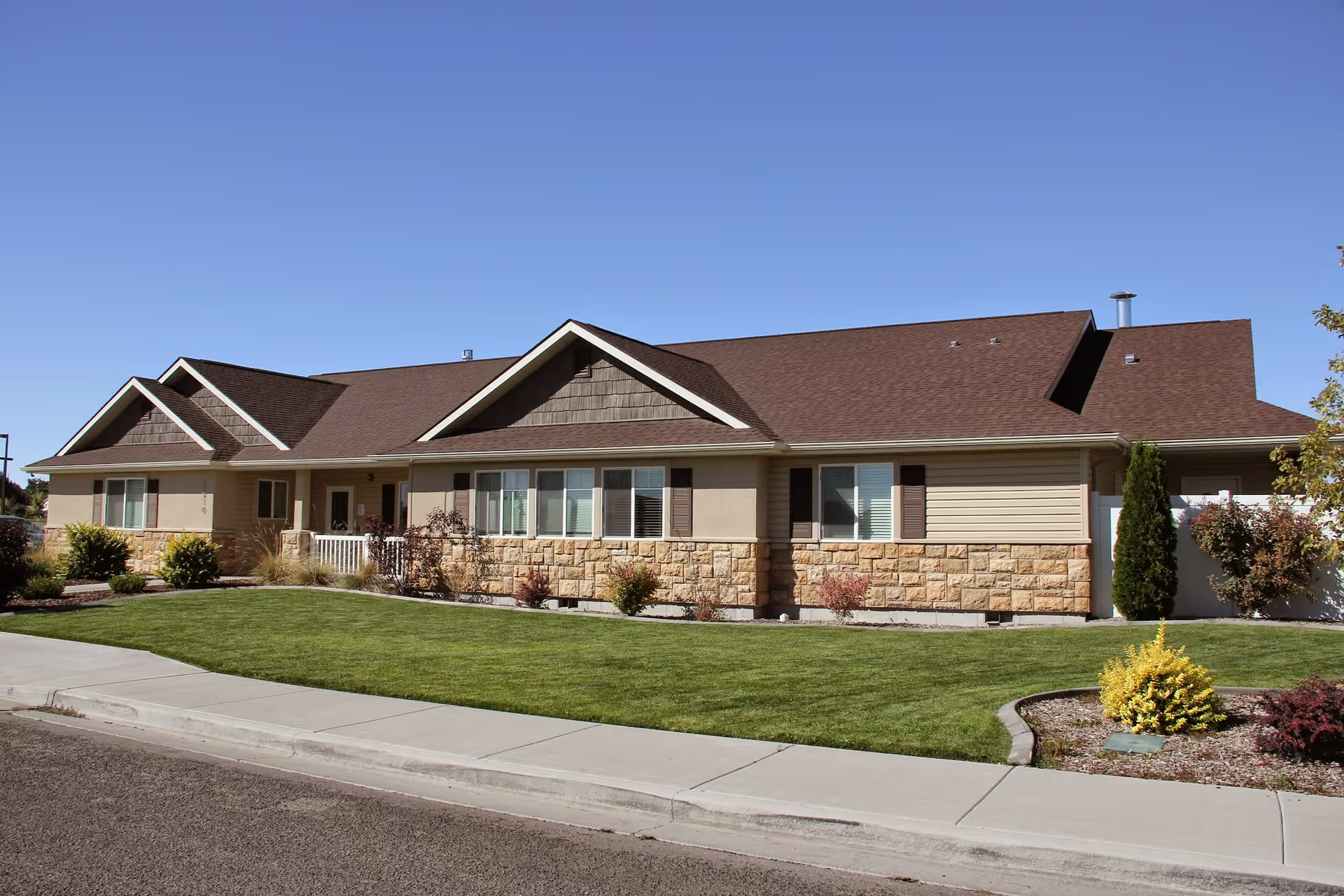
Facilities and housekeeping: Housekeeping and laundry services are a consistent strength in the reviews. The building, rooms, and bathrooms are commonly described as clean, well-kept, and odor-free, with attentive environmental services maintaining a pleasant physical setting.
Management and communication: Communication experiences are mixed. Several families praise accessible administration, clear discharge guidance, and open care meetings that include family members. Conversely, others report inconsistent proactivity from the team, admissions and documentation errors, and instances of discharge or transfer communication lapses. There are also comments about a disconnect between administrative intentions and frontline execution. Clinical-incident handling and family notification after events show variability; reviewers recommend confirming communication protocols in advance.
Notable patterns and considerations: Strengths center on compassionate bedside care, robust rehabilitation, and a well-maintained physical environment. Operational weaknesses cluster around staffing levels, medication management, and consistency of communication and admissions/discharge processes. Prospective residents and families may benefit from asking targeted questions during a visit: current staffing ratios and turnover, medication administration and PRN protocols, meal plans and dietary accommodations, bathing/personal-care scheduling, and specific communication pathways for status updates and incident notification. Overall, the facility demonstrates strong clinical and environmental qualities, with identifiable process areas that, if clarified up front, can help align expectations and improve the experience.