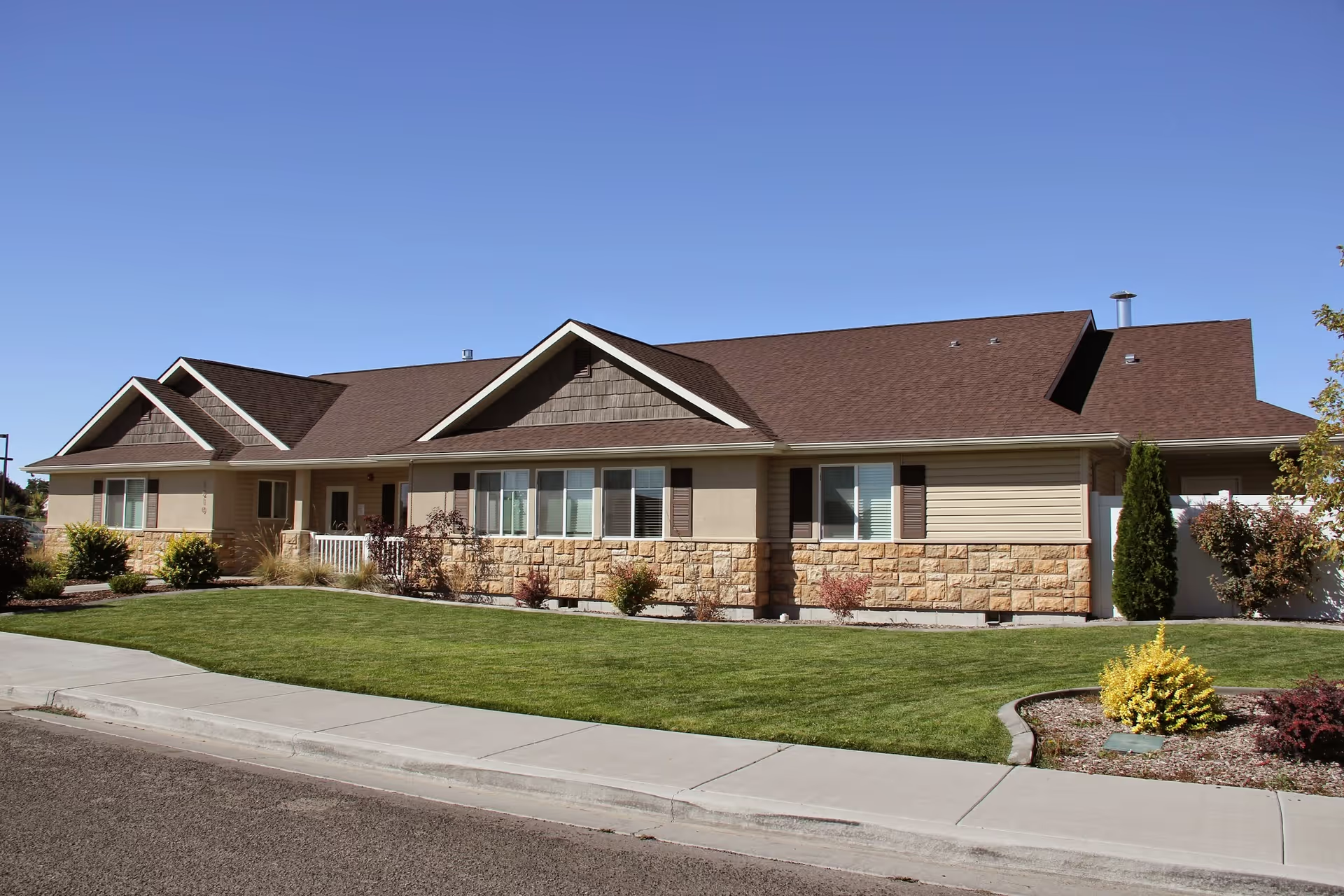
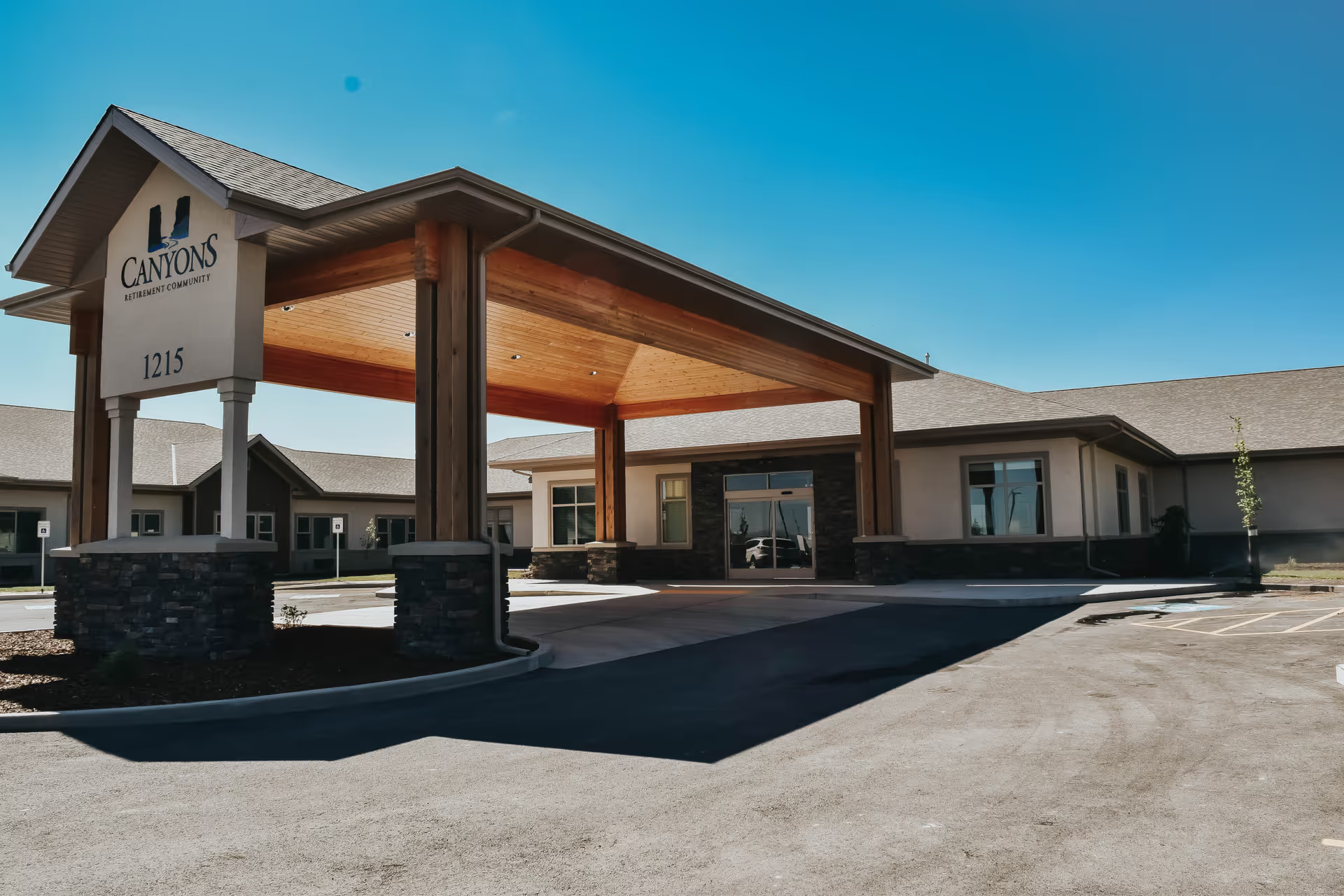
Twin Falls Transitional Care of Cascadia elicits strongly mixed impressions. Many reviewers praise frontline caregivers — CNAs, LVNs, RNs — and cite committed leadership in nursing and administration. The facility’s short-term rehab unit and therapy teams are frequently highlighted as strengths: physical and occupational therapy are described as effective, and the facility presents as therapy-focused with an emphasis on returning patients home. Additional operational positives include well-kept grounds, reliable housekeeping and laundry, accessible in-room phones, and comfortable communal areas that contribute to a home-like atmosphere.
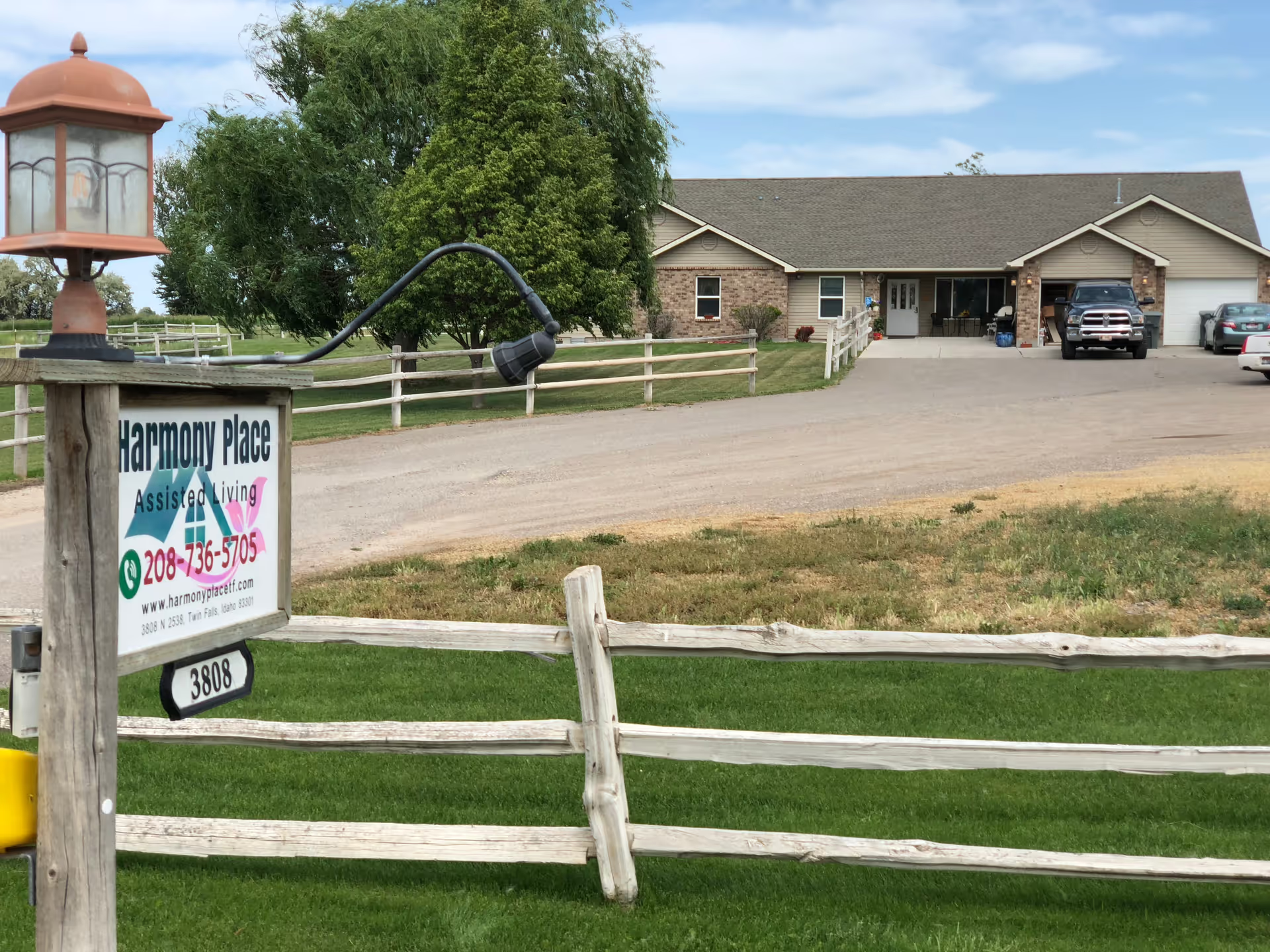
Clinical quality appears variable. Several families commend competent nursing and onsite advanced practice support, while others describe inconsistent responsiveness from day-to-day nursing staff and concerns about conduct and tone. Reviewers raised operational issues including medication-charting inaccuracies and gaps in after-hours medical coverage in assisted-living settings. Understaffing and the presence of new or inexperienced hires was also cited as a factor that compromises response times and care continuity. There are isolated but serious allegations of staff misconduct and severe care lapses; these claims are not uniform across accounts but are significant enough that prospective families often ask for verification of current staffing and oversight practices.
Dining and activities show similar variability. Many residents and families report enjoying meals, ample portions, and occasional thoughtful touches from kitchen staff; other accounts describe inconsistent meal preparation and service errors. The activity program is sometimes described as energetic and creative, but scheduling reliability and engagement consistency were concerns for other families. Dementia-specific programming is limited according to several comments, which may affect suitability for residents with cognitive-care needs.
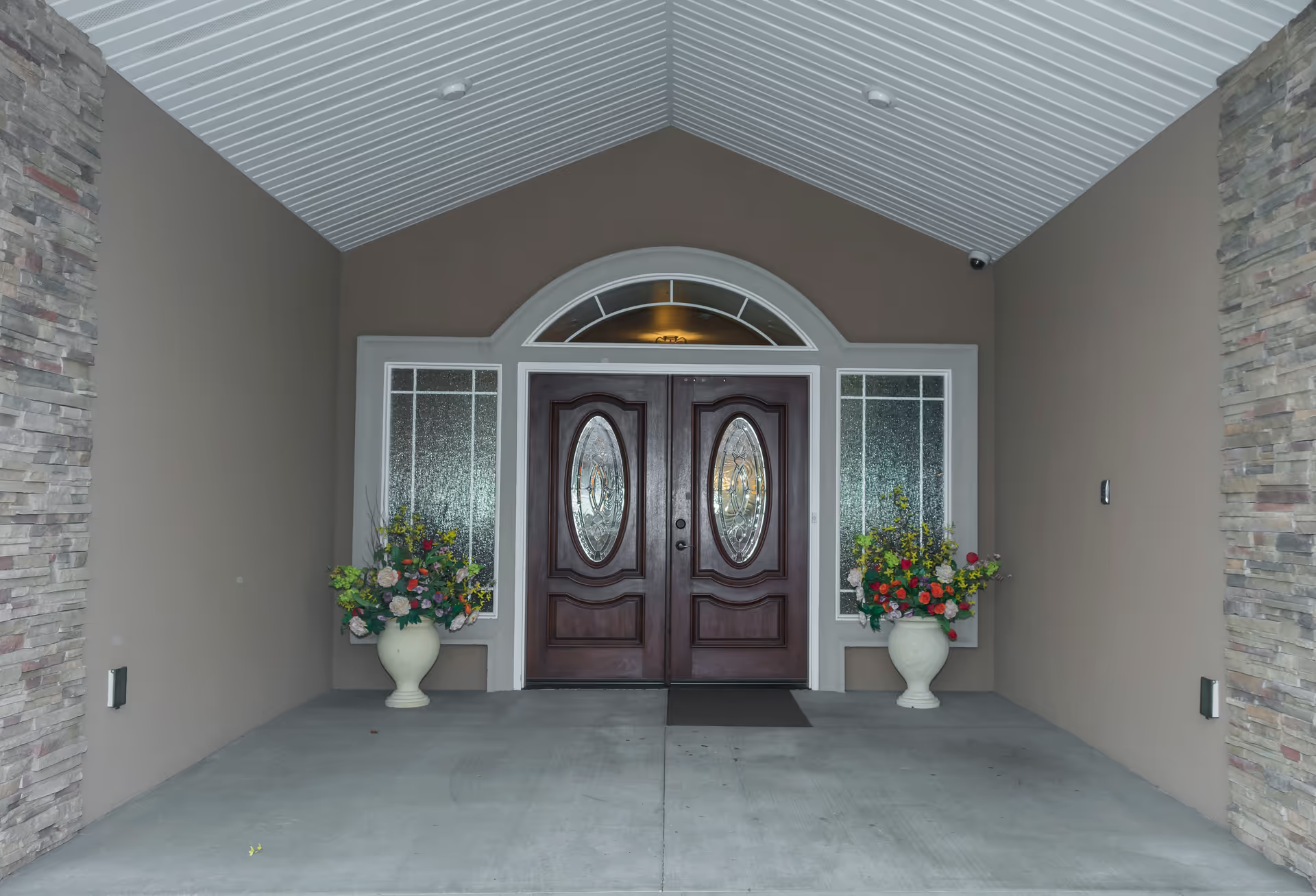
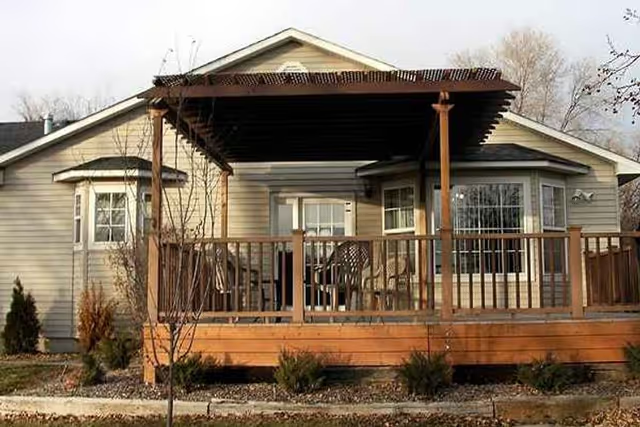
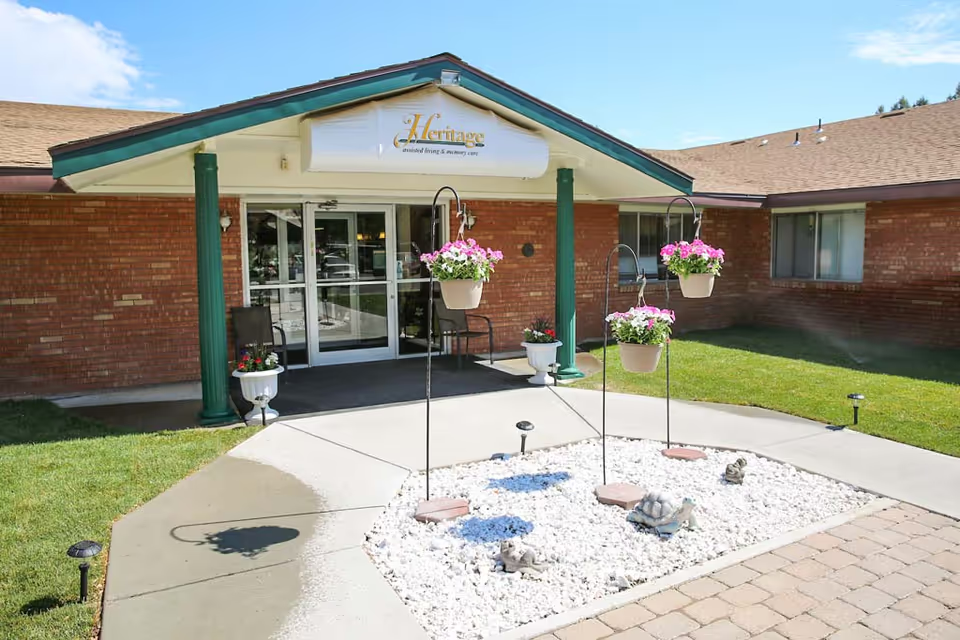
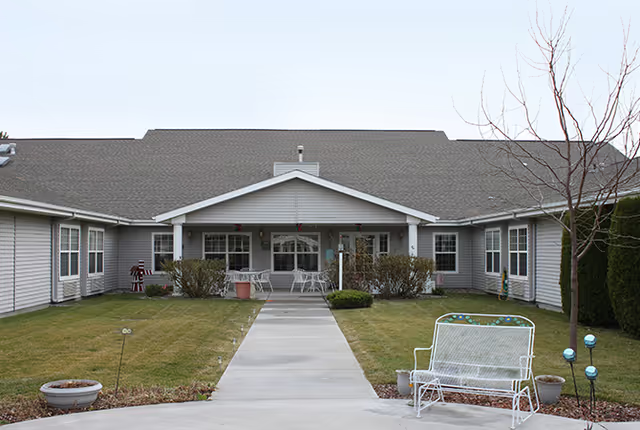
Facility amenities and day-to-day operations are a mix of strengths and weaknesses. Grounds, entry areas, and public rooms are generally well-maintained, and laundry/housekeeping receive repeated praise. Conversely, front-desk processes, reception staffing, and some unit-level comforts were described as under-resourced or dated. Families also noted variability in case-management authority and escalation: social workers and case managers often advocate effectively, yet some reviewers felt those roles lacked the authority or support needed to resolve clinical problems promptly.
Notable patterns for prospective residents and families: the facility demonstrates clear strengths in rehabilitation, therapy services, and many elements of daily living support. However, reviewers consistently identify operational risks tied to staffing levels, inter-staff communication, medication-chart accuracy, and after-hours medical coverage when residents transition from skilled rehab to assisted living. Given the range of experiences, prospective families should balance the facility’s rehabilitation and caregiving strengths against these operational weaknesses, clarify current staffing and clinical oversight arrangements, and ask for specifics about dementia programming, meal-service processes, and family communication protocols before placement.