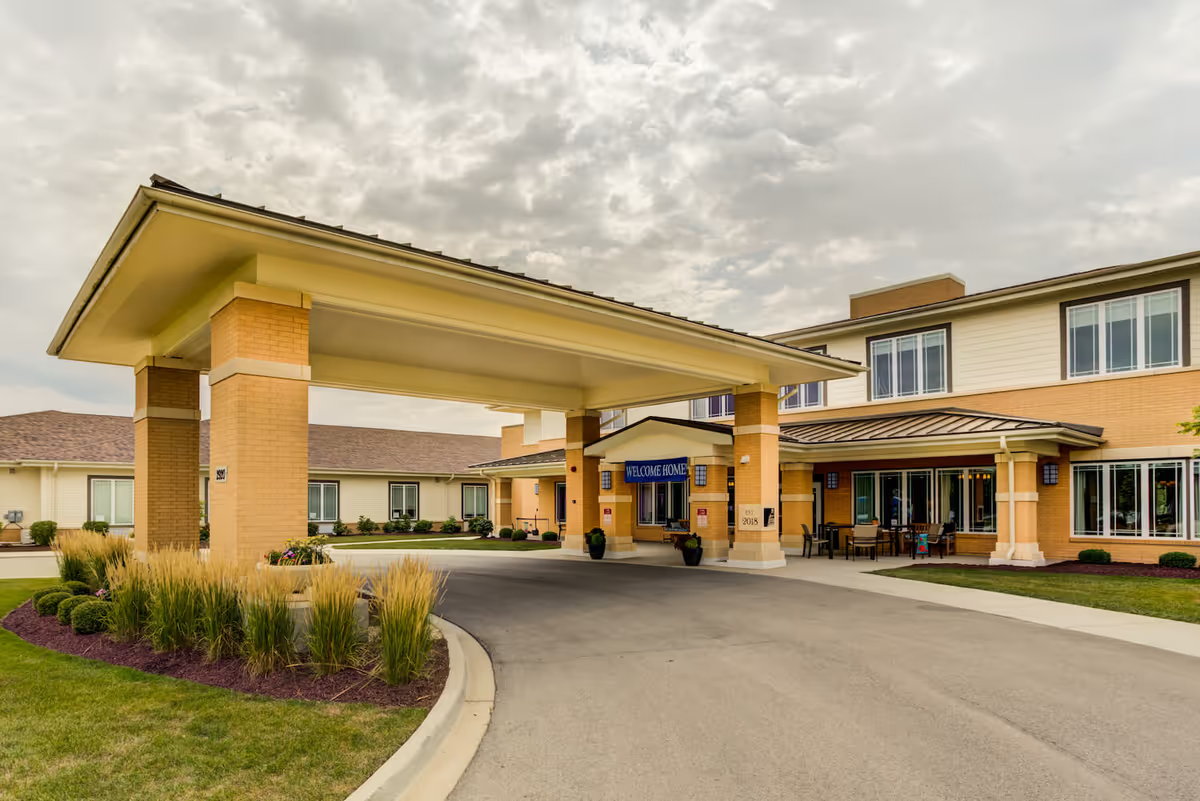
The reviews present a highly mixed portrait of Highlight Healthcare of Aurora. Many families and residents describe a small, single-floor facility that fosters a family-like atmosphere, with long-tenured nursing staff who provide personalized care plans and attentive rehabilitation services. Strengths frequently cited include comprehensive therapy and wound-care capabilities, state-of-the-art monitoring, and a range of engaging activities (exercise, crafts, bowling-style and games) plus spiritual offerings. Dining is commonly praised for quality and a chef-driven menu, and common areas are described as clean and well maintained. Flexible visiting policies and private visiting rooms are noted as conveniences for families.
Staffing and clinical quality emerge as polarizing topics. Positive comments emphasize experienced, professional nurses and an administrative team described as respectful and accommodating. Conversely, reviewers raise consistent operational concerns: inconsistent direct-care staffing, a reliance on agency staff that can disrupt continuity, variability in CNA performance and responsiveness, and instances of high workload and limited teamwork. These patterns are associated with delays in basic care tasks and inconsistent execution of routine care schedules.
Facility-level issues extend beyond staffing. Several reviews reference sanitation and pest-control concerns in specific areas and examples that prompted regulatory scrutiny. There are also mentions of aging resident rooms that would benefit from upgrades, even as common areas are kept tidy. Reviewers describe strong in-house clinical capabilities (wound care, personalized therapy), but also identify gaps in incident response and family communication following clinical events. These operational gaps have led to documented regulatory findings in at least one case, underscoring the need for prospective families to confirm current corrective actions and trends.
Overall pattern: many families report a nurturing, engaged, and clinically capable environment—particularly for post-acute rehabilitation and residents who benefit from a smaller setting—while a subset report serious concerns about care consistency and operational oversight. For prospective residents or family members considering this facility, recommended due diligence includes confirming current staffing ratios and the facility’s mix of permanent versus agency staff, asking about recent regulatory citations and corrective plans, reviewing wound-care and infection-control protocols, touring resident rooms to assess needed upgrades, and discussing communication practices for clinical incidents. This approach will help clarify whether the facility’s strengths align with an individual’s care priorities and whether recent operational improvements have addressed the highlighted weaknesses.