Reviews of The Pearl of Orchard Valley are highly polarized, with strong praise for front-line caregivers and therapy services alongside serious operational concerns. Many families and residents describe individual staff members—especially CNAs, therapists, and certain nurses and receptionists—as compassionate, hardworking, and effective in promoting rehabilitation and comfort. The facility is also noted for offering skilled rehabilitation, onsite dialysis, quiet private rooms, and a generally clean appearance in common areas. Several accounts highlight positive transitions from hospital to facility, meaningful therapy-driven recovery, and an engaging activities program that contributes to a family-like atmosphere.
At the same time, a clear pattern of inconsistent care delivery emerges across reviews. Staffing variability between shifts and across units is a recurrent theme, producing long waits for assistance, delayed bathing and toileting support, and variable responsiveness to call bells. These operational inconsistencies extend to medication processes: reviewers cite delayed or missed pain medications, unclear medication handling, and instances that raise concern about medication controls and asset safeguards. Several families described prolonged pain-control delays and identified gaps in weekend and night supervision.
Dining and nutrition are another area of uneven performance. Multiple accounts point to inconsistent meal quality, cold or poorly timed meal delivery, and occasional failure to honor requests. While some residents enjoyed meals and praised breakfast options, others found the food unappetizing or inconsistently served. Activity and engagement offerings are present and driven by dedicated staff, but reviewers indicate uneven participation and limited engagement for longer-stay residents in some cases.
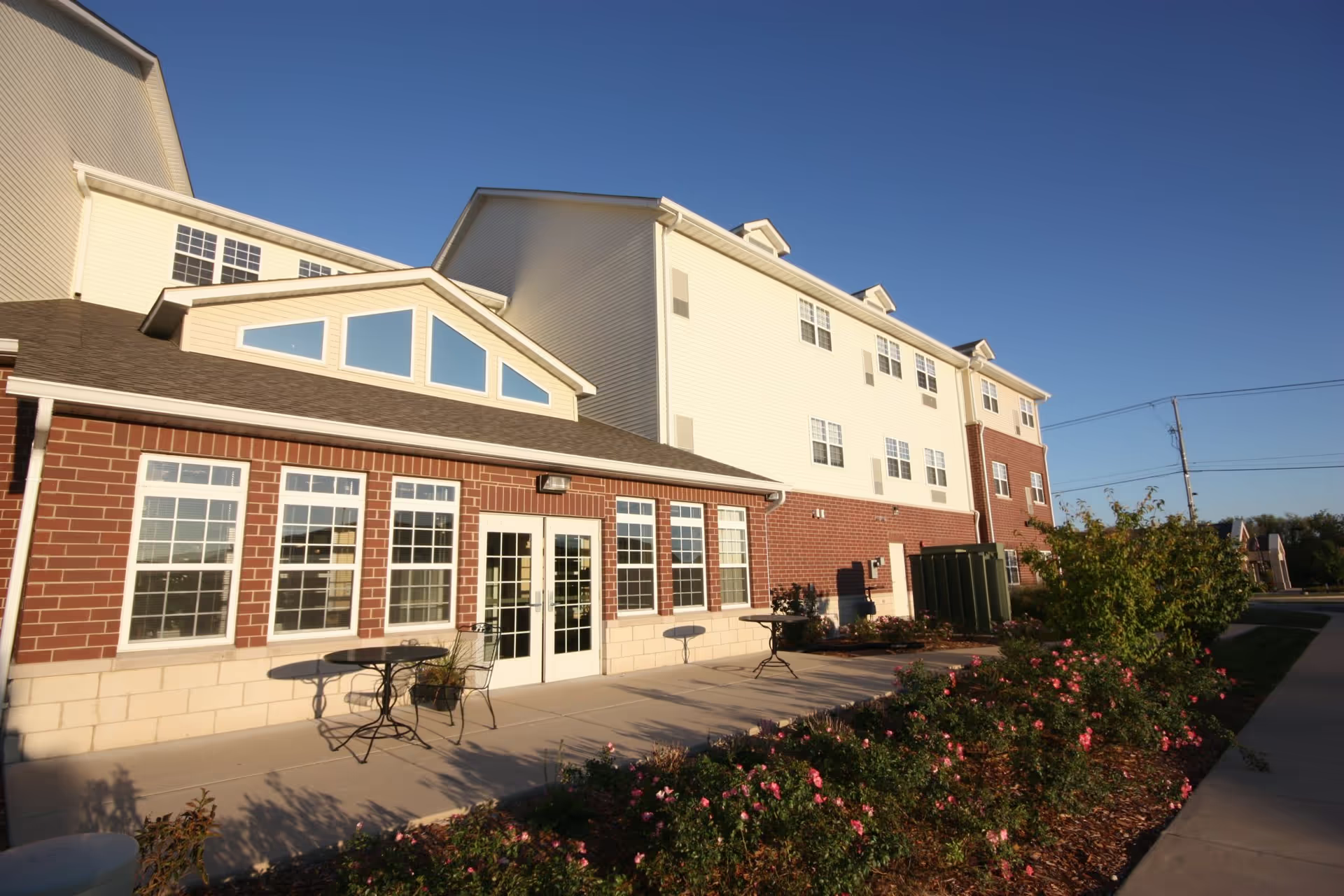
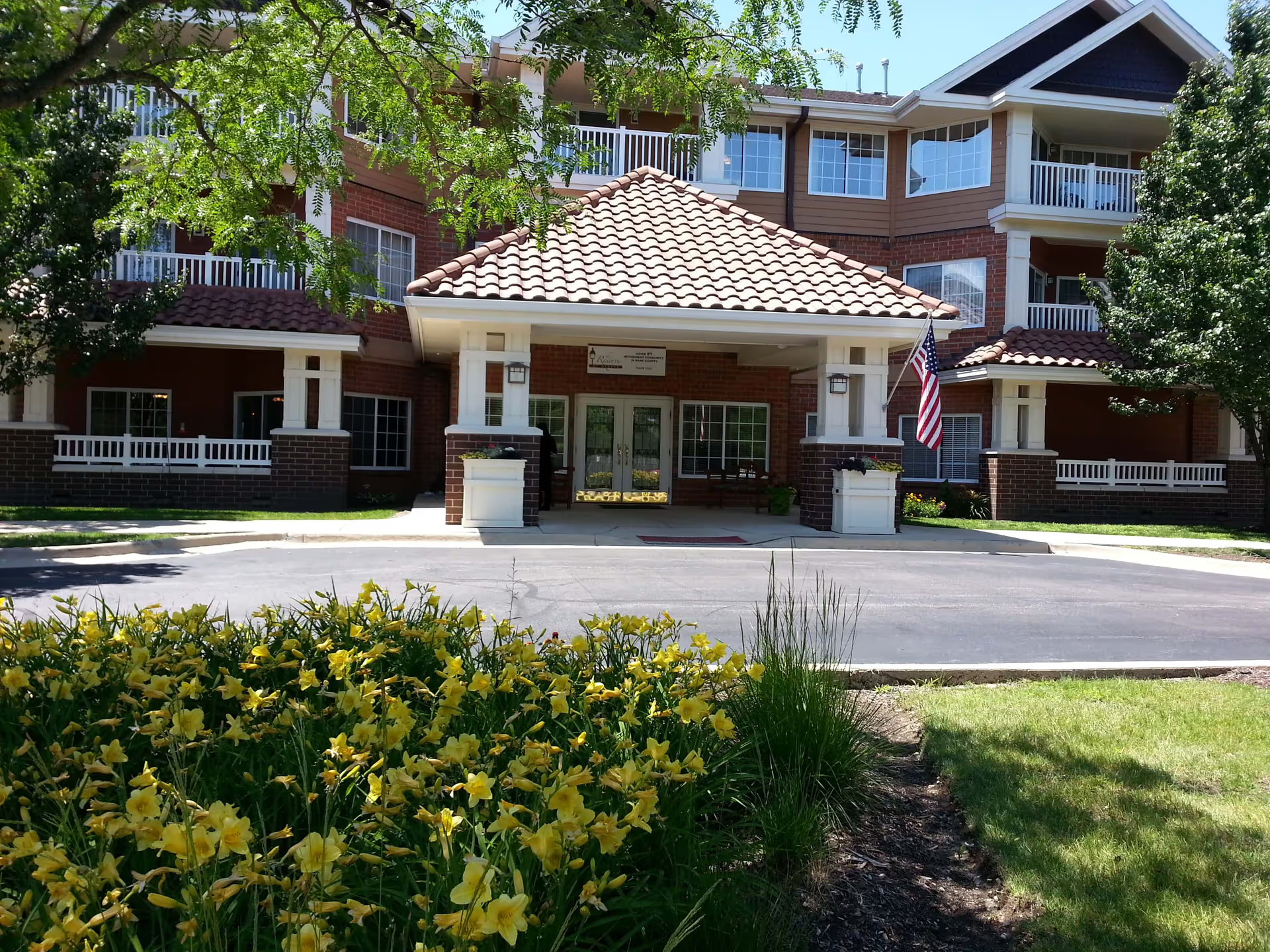
Facility condition and infection-control feedback are mixed. Many reviewers note clean, well-kept common areas and attentive housekeeping; others describe variability in room maintenance, building-age issues, wallpaper peeling, and odor or air-quality concerns. Clinical-monitoring issues are also mentioned, including concerns with skin/pressure-injury prevention and infection-control vigilance. There are also a small number of serious claims, including allegations of theft and medication tampering, which point to potential gaps in property safeguards and medication oversight that families should inquire about directly.
Management and communication shortcomings recur in the narrative. Families describe scheduling miscommunications, delays in administrative follow-up, unanswered emails and phone calls, payroll disputes, and inconsistent fact-checking about staff status. Ownership transitions are mentioned as a factor: some reviewers describe noticeable improvement under new ownership and staff changes, while others point to perceived corporate priorities that complicate frontline care. Night and weekend coverage, staff training consistency, and clear cross-shift handoff processes are specific operational areas that reviewers indicate need attention.
Taken together, the pattern suggests a facility with meaningful strengths at the caregiver and therapy level but with systemic operational weaknesses that affect consistency of care. Prospective residents and families would be well served by an on-site visit to observe meals and shift changes, asking specific questions about staffing ratios, medication and pain-management protocols, skin- and infection-control procedures, weekend/night supervision, property safeguards, and recent management actions addressing the issues above.