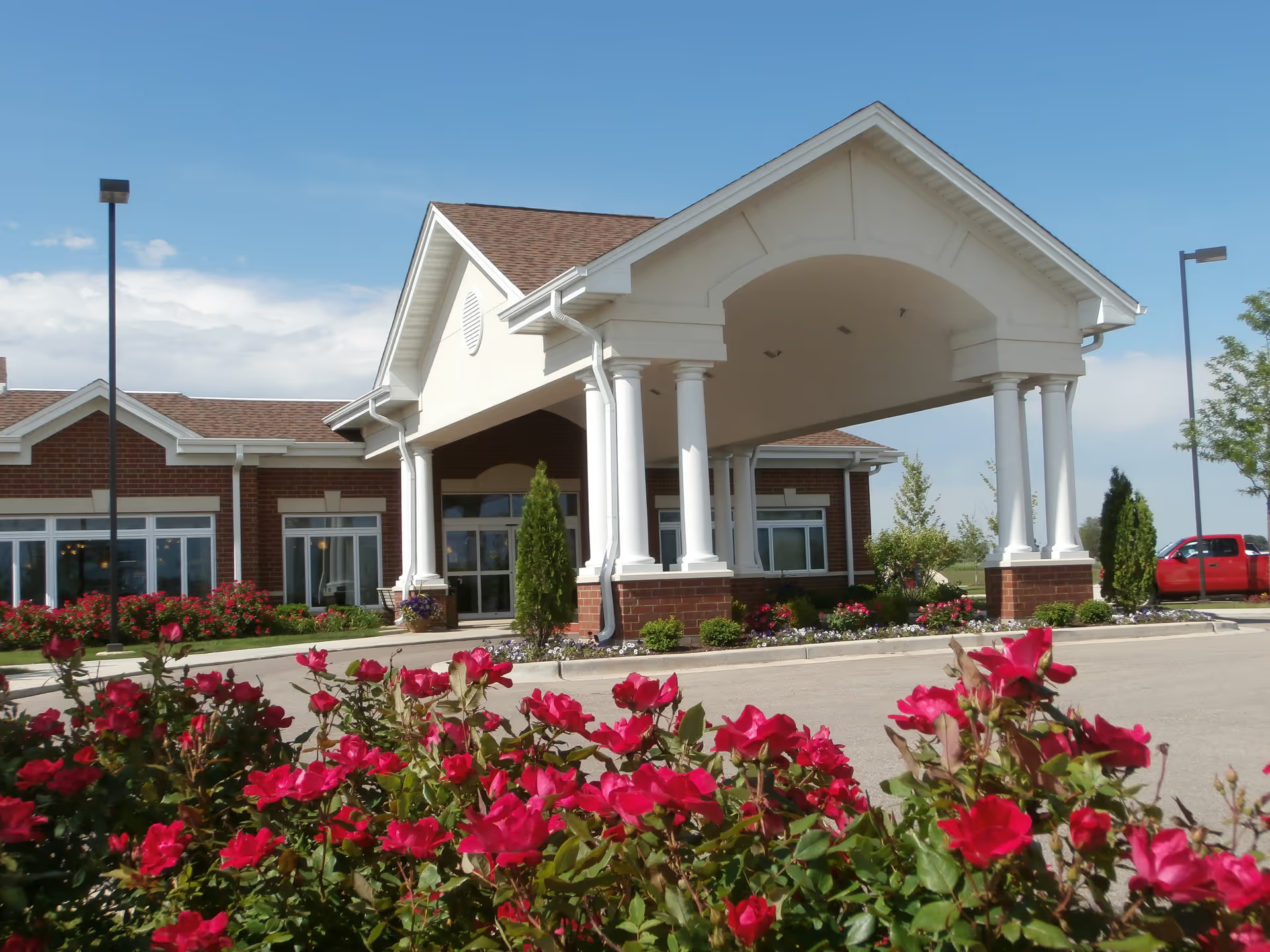
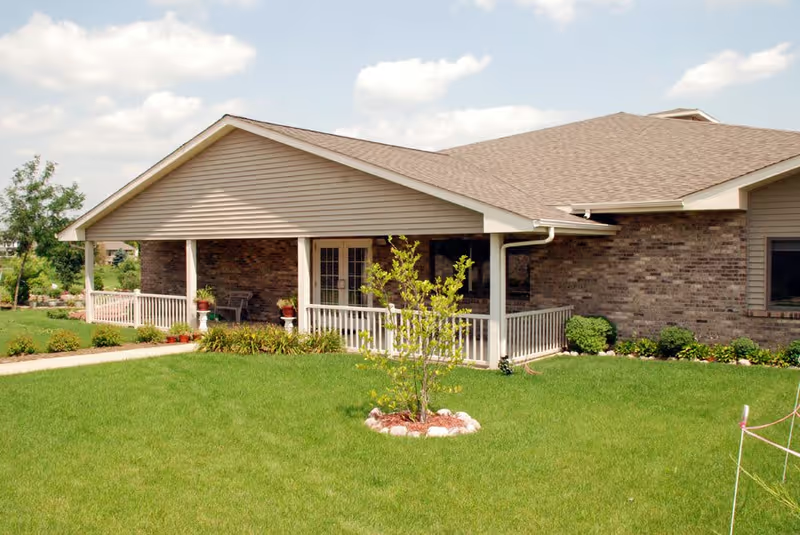
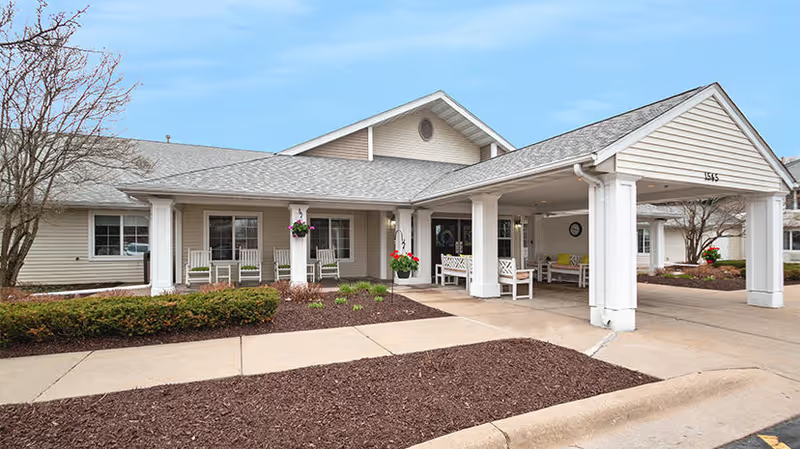
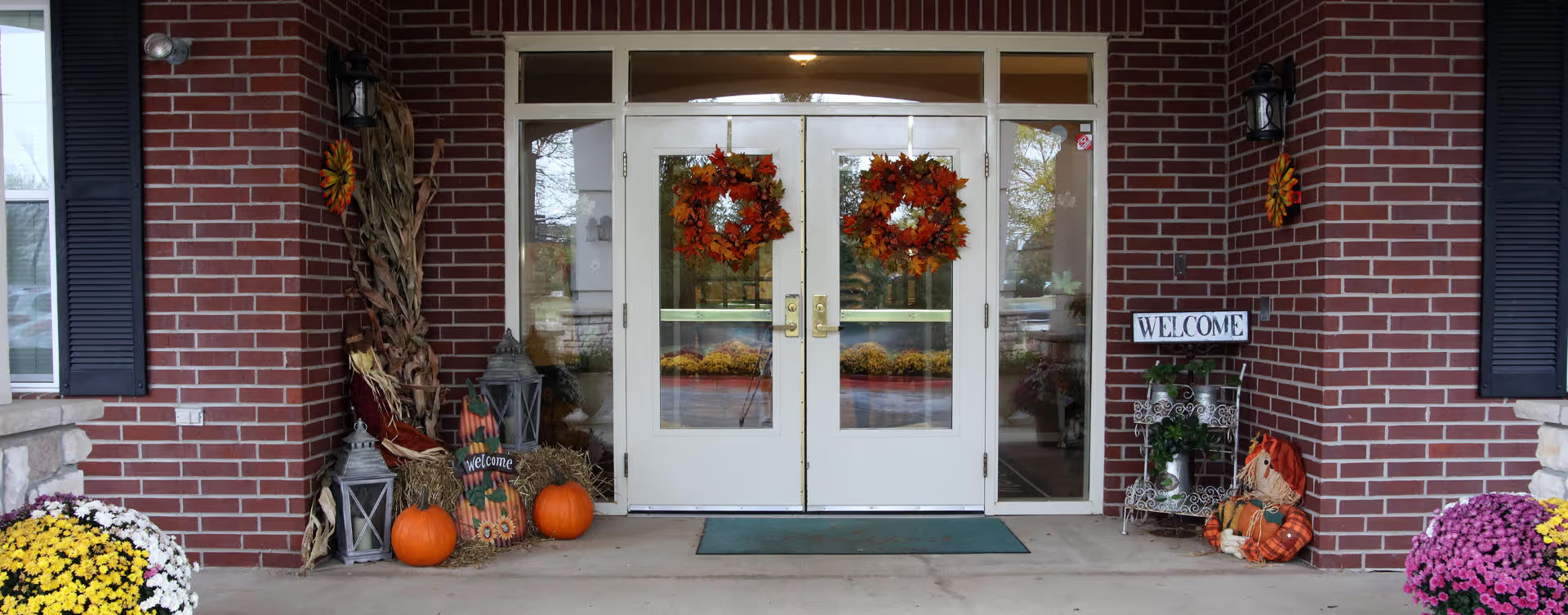
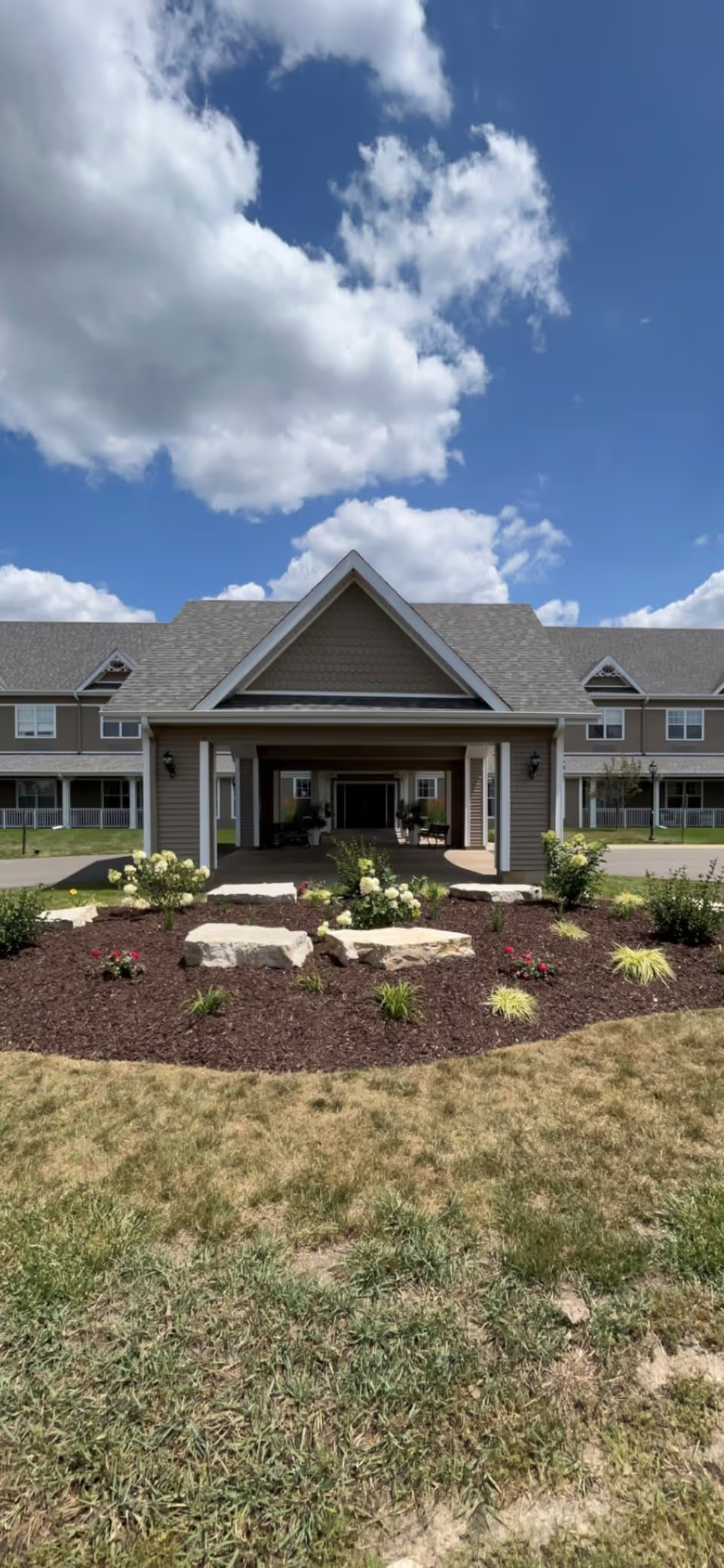
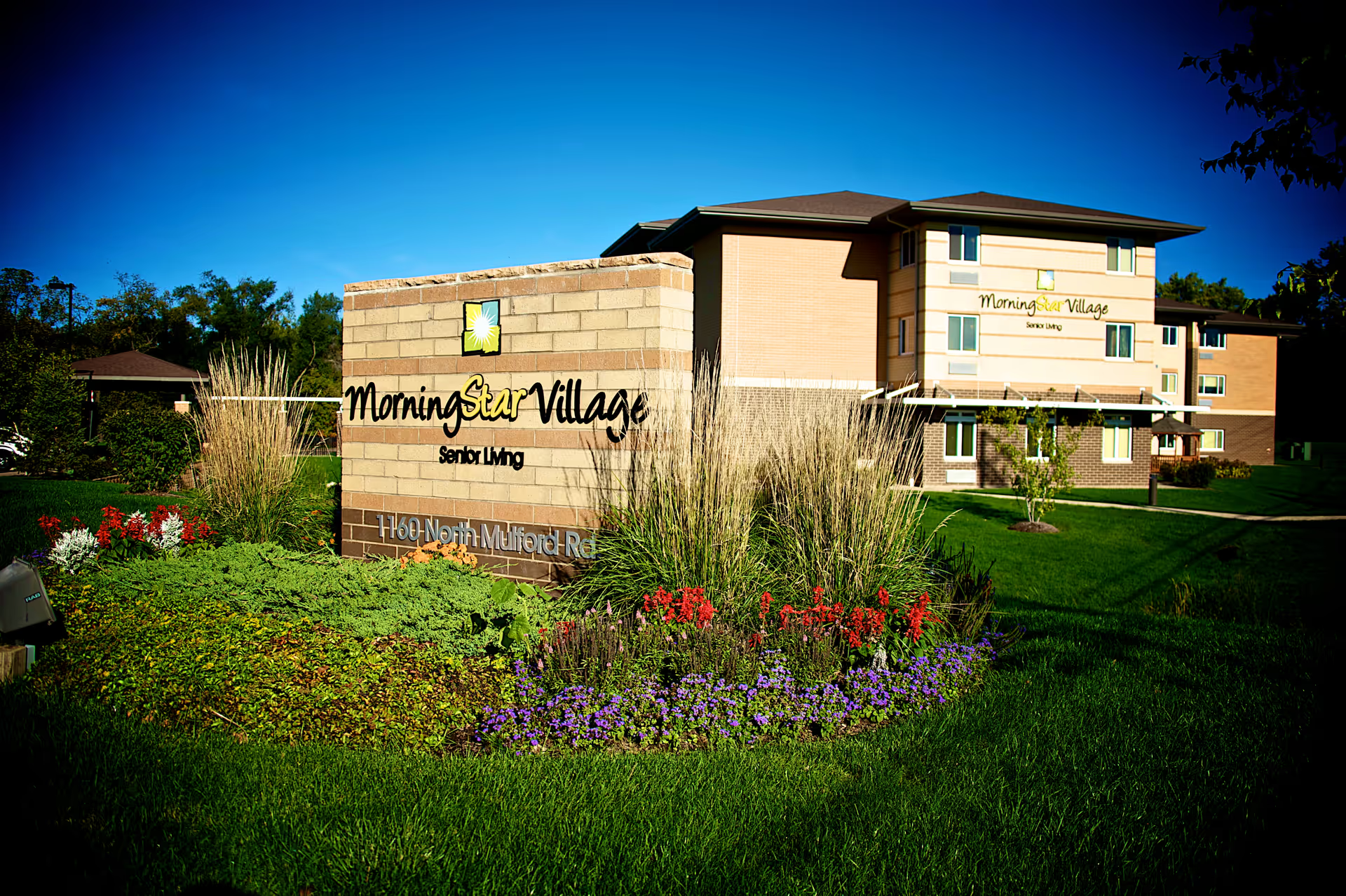
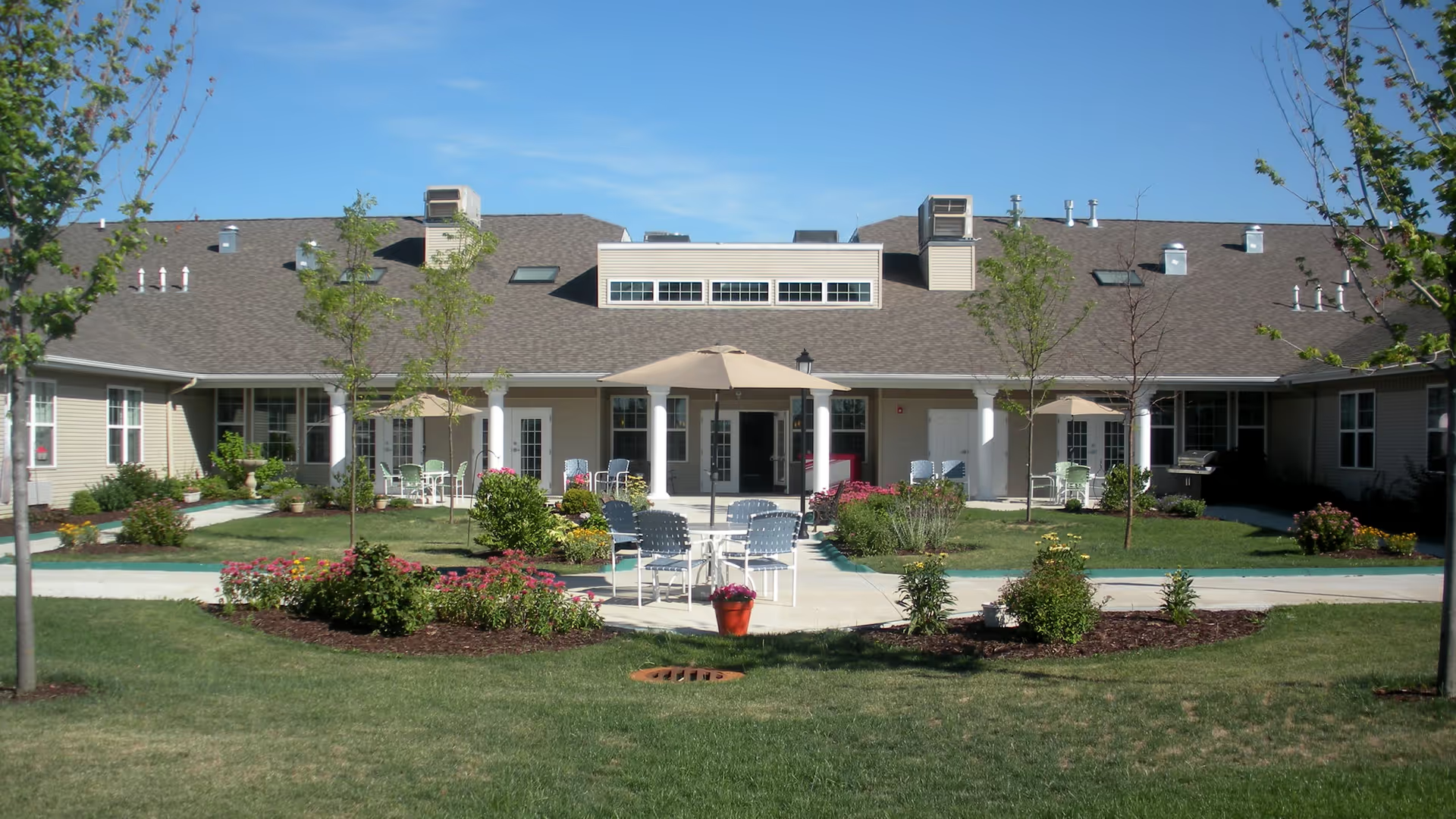
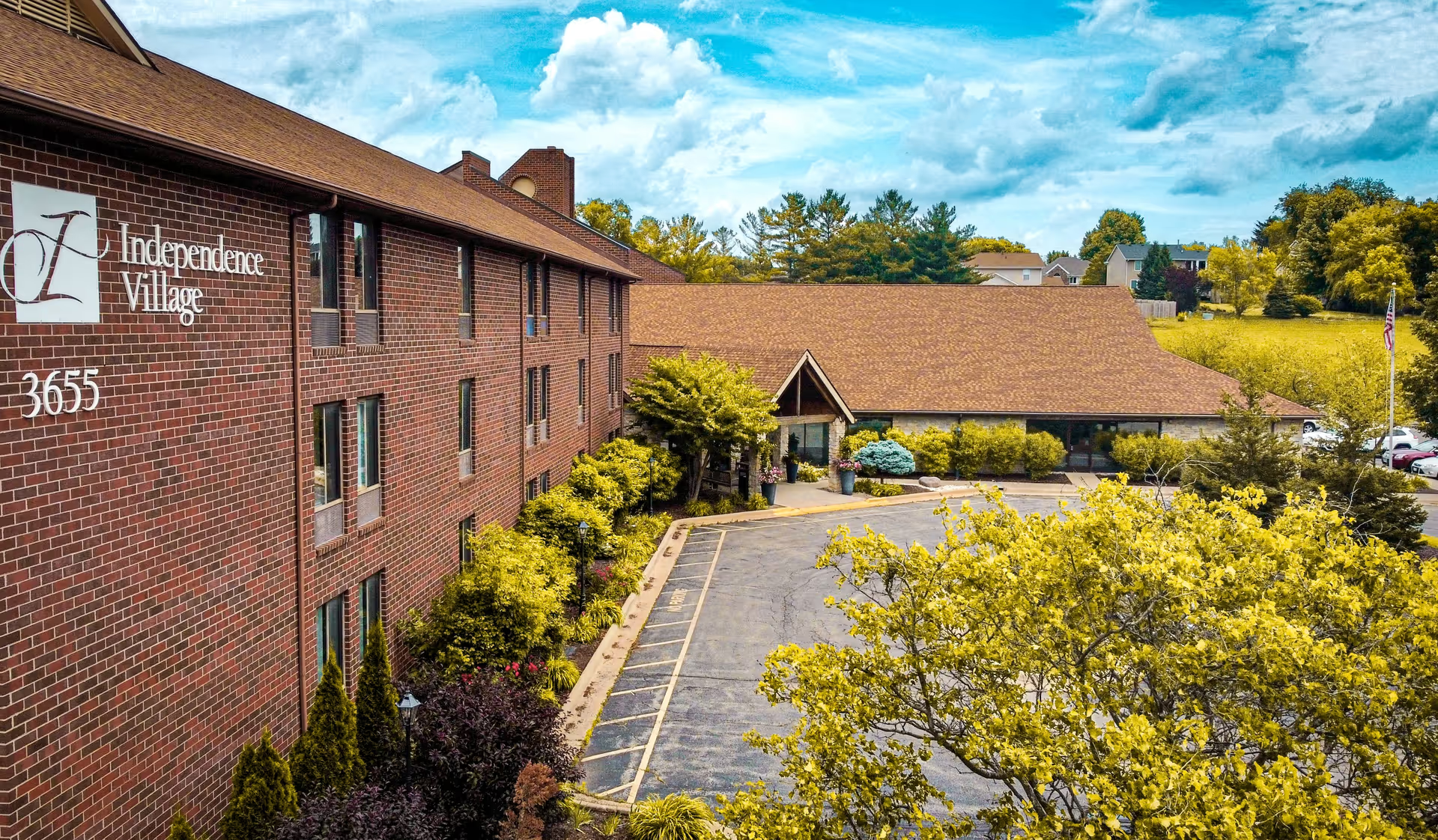
Reviews for Symphony Northwoods are highly polarized, with a substantial number of families praising individual staff and therapy outcomes while others describe significant operational concerns. Positive accounts emphasize compassionate, attentive nurses and therapists who contribute to meaningful rehabilitation gains and successful returns home. Several reviews name staff who went beyond expectations to arrange family events, provide clear updates (including text-based family communication during the pandemic), and offer personalized attention that improved resident mood and function. Portions of the building have been remodeled and are described as clean, bright, and home-like.
At the same time, a consistent set of operational themes emerges from critical accounts. Responsiveness to call systems, particularly during off shifts, is frequently described as inconsistent; this is commonly linked to perceptions of understaffing and long RN shifts. Medication-management issues appear across multiple reviews, including delayed or missed doses and dosing coordination problems, which families frame as a systemic weakness rather than isolated events. Several reviews raise concerns about wound and pressure-area care, IV dressing maintenance, and inconsistent bathing schedules — indicating gaps in clinical follow-up and care continuity for higher-acuity residents.
Dining and activities are another mixed area. The facility’s dining rooms are described as small and sometimes overcrowded, with menu limitations and variable food quality; meal timing and presentation (including cold meals) are noted as recurring service problems. Activity programming is described as minimal by some families — primarily passive activities like television or coloring in memory care — suggesting limited enrichment options for residents who require more engagement.
Facility maintenance and environment show uneven performance: while parts of the facility receive positive comments for cleanliness and remodeling, other descriptions cite water leaks, dripping fixtures, odor concerns in hallways, and dated bathrooms or decor that need attention. Memory-care security is in place (locked access), but reviewers also cite constrained elevator access and movement limitations that families found inconvenient.
Management and communication present a dual picture. Some families praise responsive administration that resolves issues quickly; others report poor communication, delayed or missing discharge coordination, continued post-discharge billing, and difficulty reaching staff by phone. A small number of serious claims raise concerns about consent processes and restricted physician access; these have been characterized as allegations by families and suggest areas for administrative review. There are also intermittent accounts of problematic staff conduct or tone, indicating variability in staff communication and customer service.
Taken together, Symphony Northwoods appears to deliver strong rehabilitation and compassionate care in many individual cases, driven by motivated nurses and therapists. However, recurring operational weaknesses — inconsistent staffing levels and responsiveness, medication and wound-care management gaps, constrained dining and activity resources, and uneven facility maintenance and family communication — create risk for negative experiences. Prospective residents and families should weigh the facility’s demonstrated strengths in therapy and certain staff members against the pattern-level operational issues; direct, specific conversations with administration about staffing levels, medication protocols, wound-care plans, dining arrangements, and communication expectations are advisable before admission.