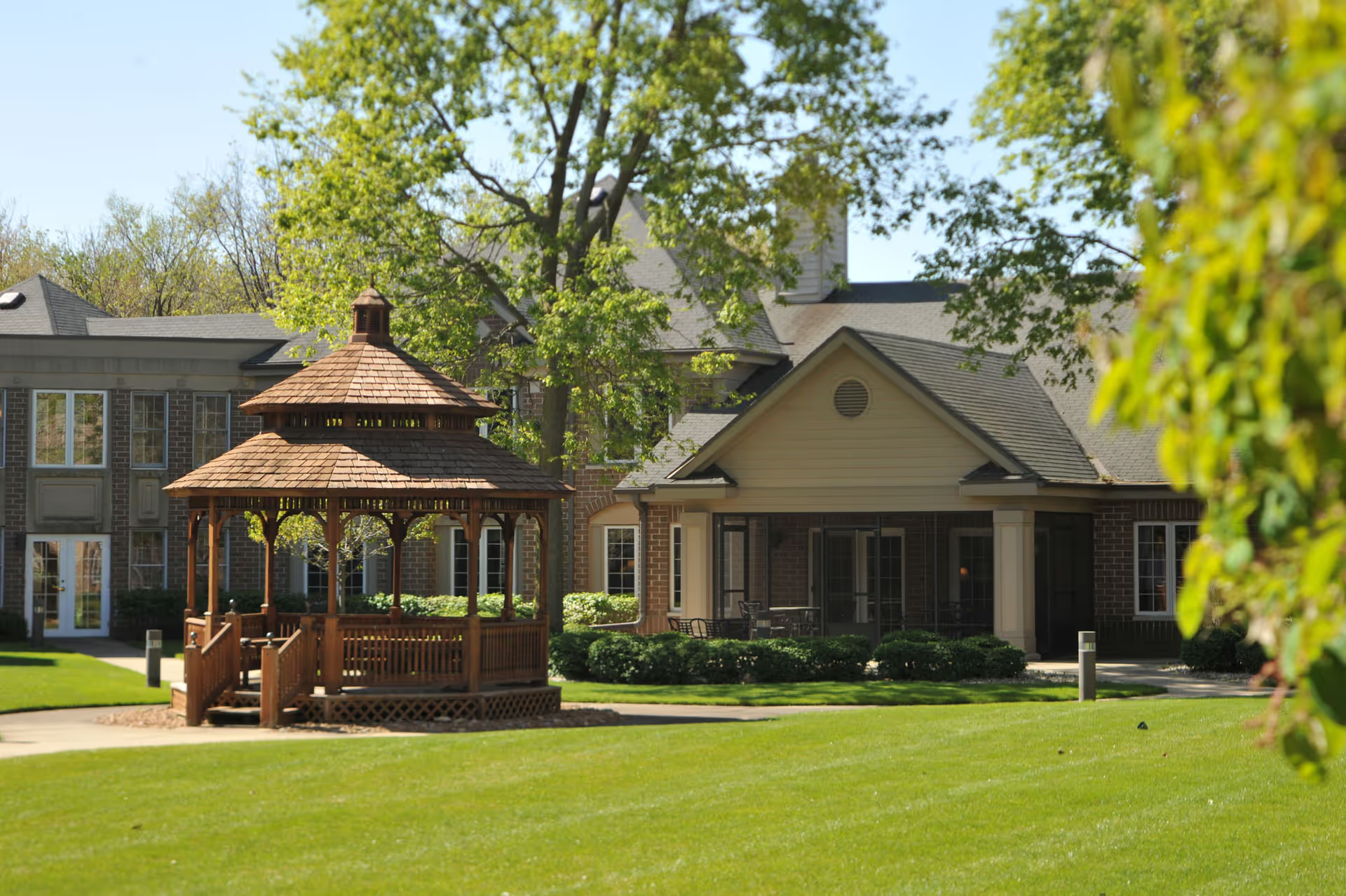
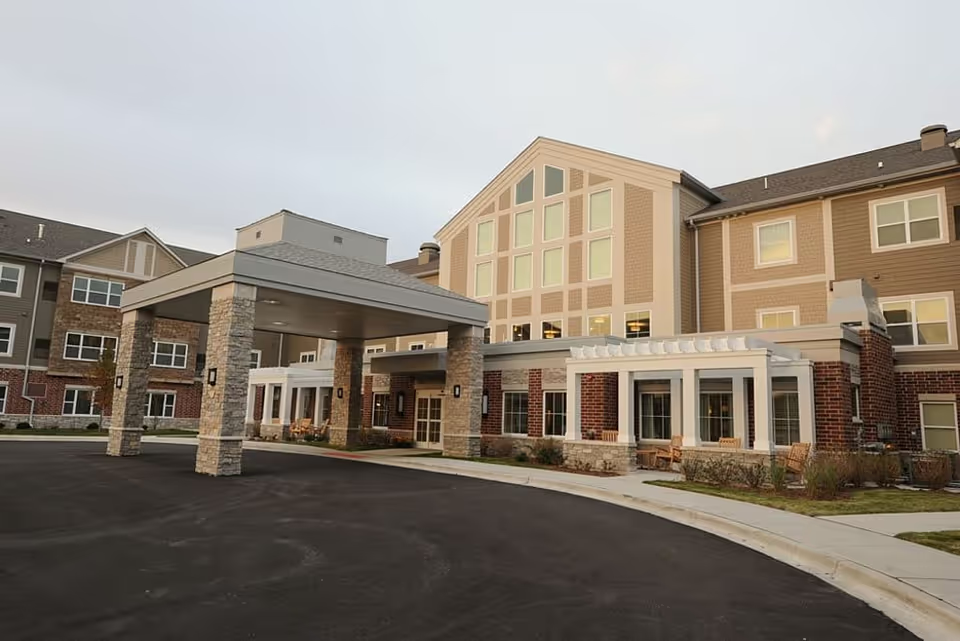
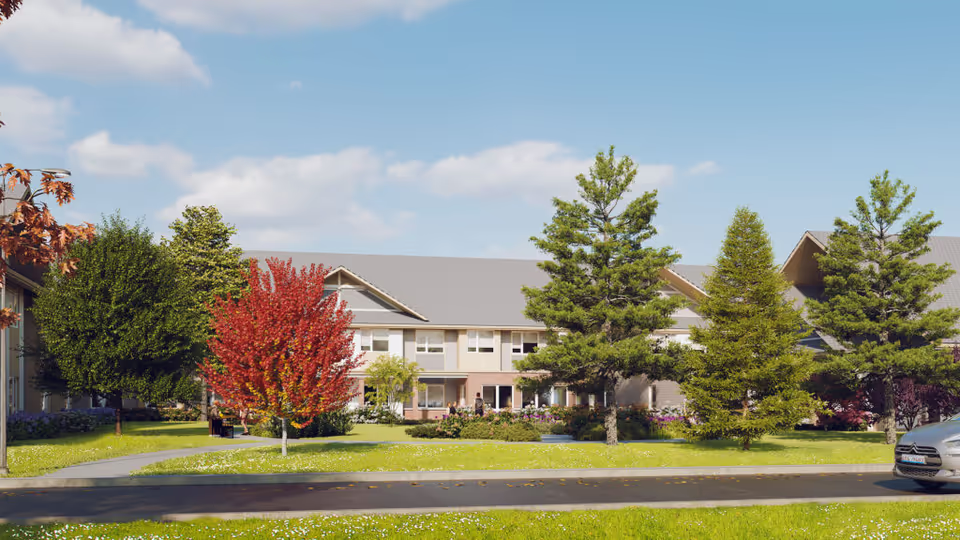
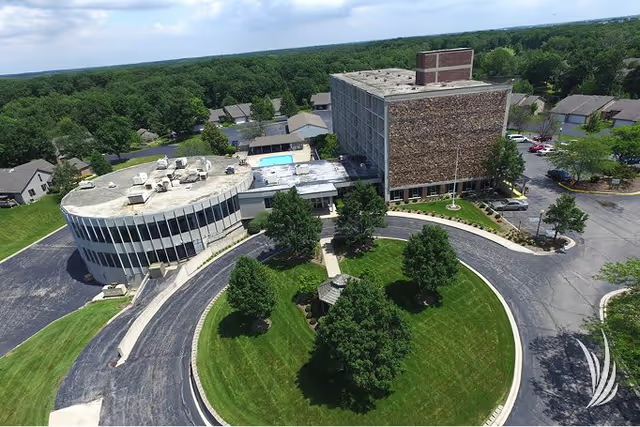
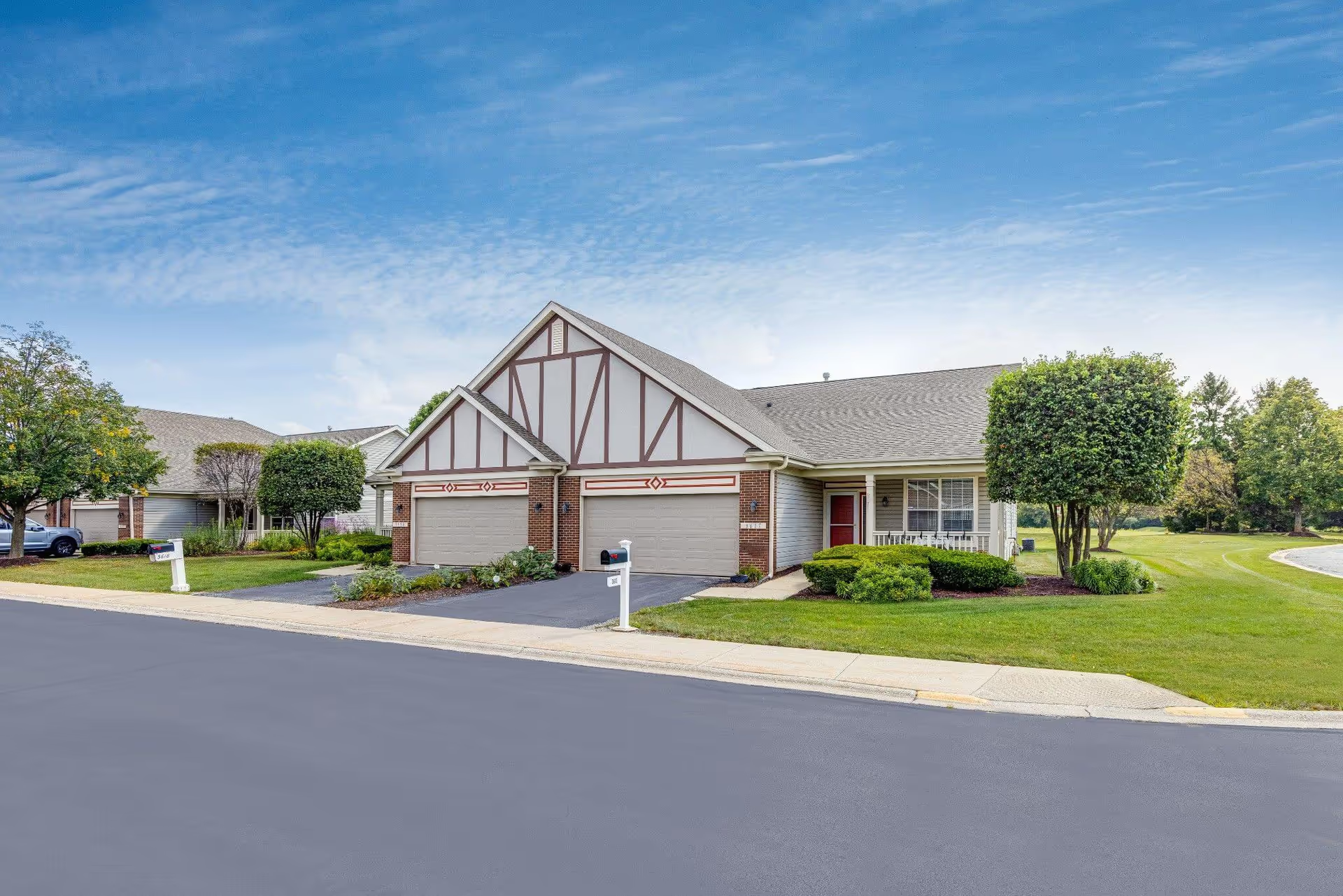
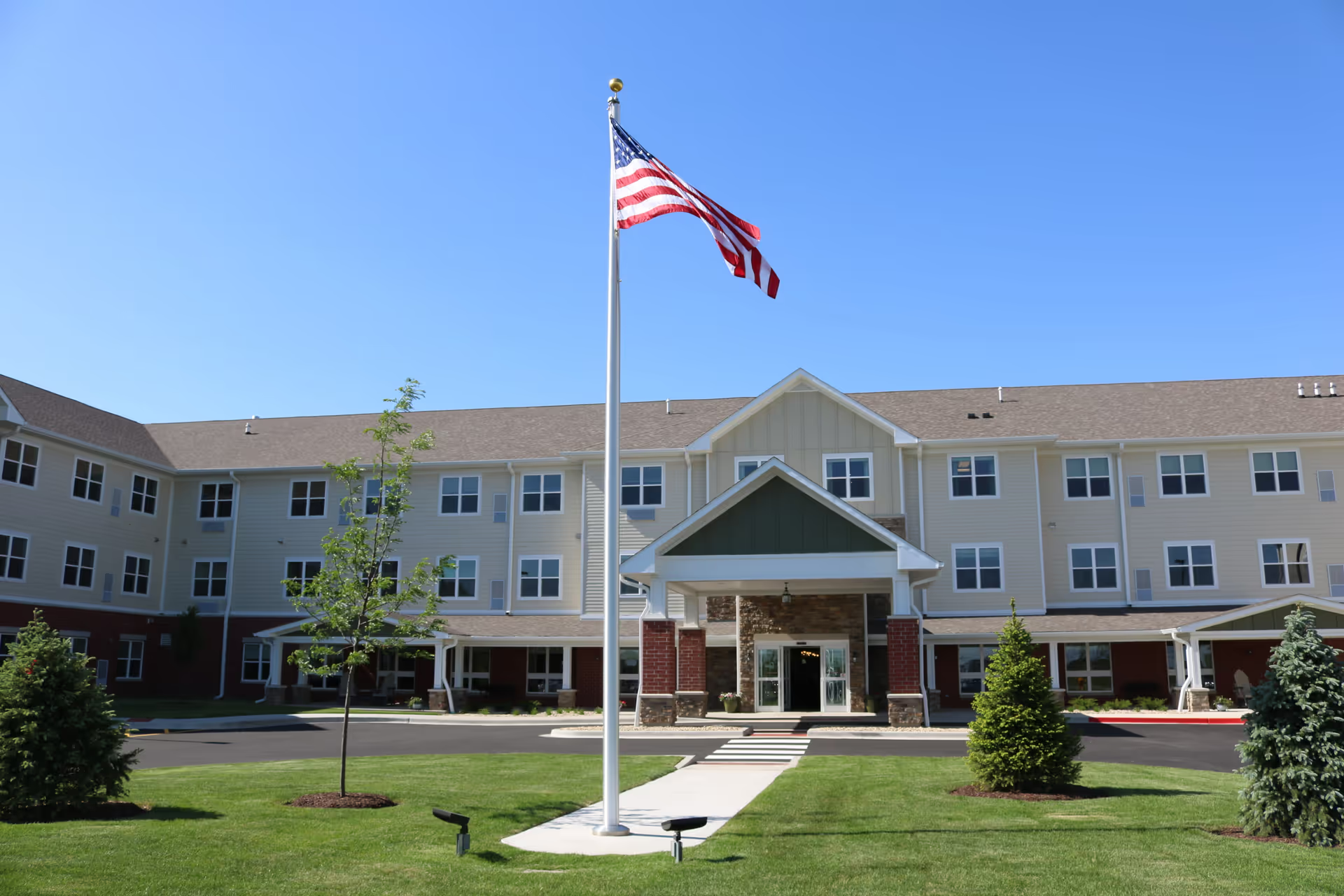
Feedback for Bickford of Bourbonnais is highly mixed, with a substantial set of positive observations about atmosphere, dining, activities, and portions of the caregiving team alongside recurring operational concerns about clinical follow‑through, housekeeping, and administration. Many families and visitors describe the facility as attractive, home‑like, and well maintained, with an inviting atrium, garden areas, and ample common spaces that support social interaction. Apartment options range from studios to larger private units, and several accounts highlight restaurant‑style dining, varied menus, private dining rooms, and pleasant table settings.
Staff and direct care quality receive both strong praise and notable criticism. Numerous comments emphasize friendly, compassionate caregivers, an engaging activities staff, and competent medication management in some cases. At the same time, a pattern of inconsistent staffing and turnover is evident in the feedback: slow response times to calls, variability in how CNAs and nurses attend to toileting and personal‑care needs, and reports suggesting gaps in nursing follow‑up. These operational weaknesses manifest as delays in assistance, missed checks, and concerns around continence and skin‑care oversight for certain residents.
Dining and activities are frequently cited as strengths of the community. Many reviewers describe varied, tasty menus, structured daily activities, transportation for errands and outings, and an active social calendar that promotes resident engagement. However, dining execution is inconsistent: reviewers also describe slow food service, missed dining assistance for residents who need help, and occasional lapses in meal presentation or delivery to rooms. Activity participation appears robust in some periods and limited at others, with COVID restrictions and staff variability affecting program reach at times.
Facility condition and amenities are generally viewed positively, with comments about clean common areas, well‑equipped game rooms, pianos, and an overall hotel‑like dining environment. Contrasting accounts note pockets of cleanliness and housekeeping variability — including delayed cleaning after incidents and laundry or personal‑effects management problems. Maintenance and accessibility also surface as operational concerns (for example, elevator access, room lighting, and delayed repairs) that can affect residents with mobility limitations.
Management and administrative performance show uneven experiences. Several families praised helpful admissions staff and responsive managers during tours and move‑ins, while others describe billing errors, miscommunications, delayed callbacks, and pressure during the admissions process. These administrative inconsistencies, combined with concerns about staffing and clinical oversight, contribute to perceptions that the facility can be expensive relative to the value and reliability of care provided.
Notable patterns across the feedback are the polarization of experiences depending on shifts or individual staff, and the recurrence of administrative and clinical follow‑up gaps. Prospective residents and families should weigh the facility's clear strengths in social programming, dining, and community atmosphere against the operational risks noted: ask specific questions about staffing ratios, nursing oversight, dementia‑care structure, laundry/housekeeping protocols, meal assistance policies, and billing practices. Visiting during a mealtime, observing staff response to call systems, and seeking written commitments about care plans may help clarify whether the community’s strengths align with a particular resident’s needs.