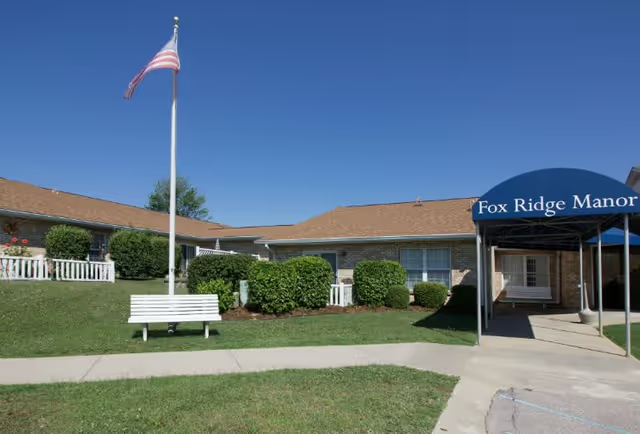
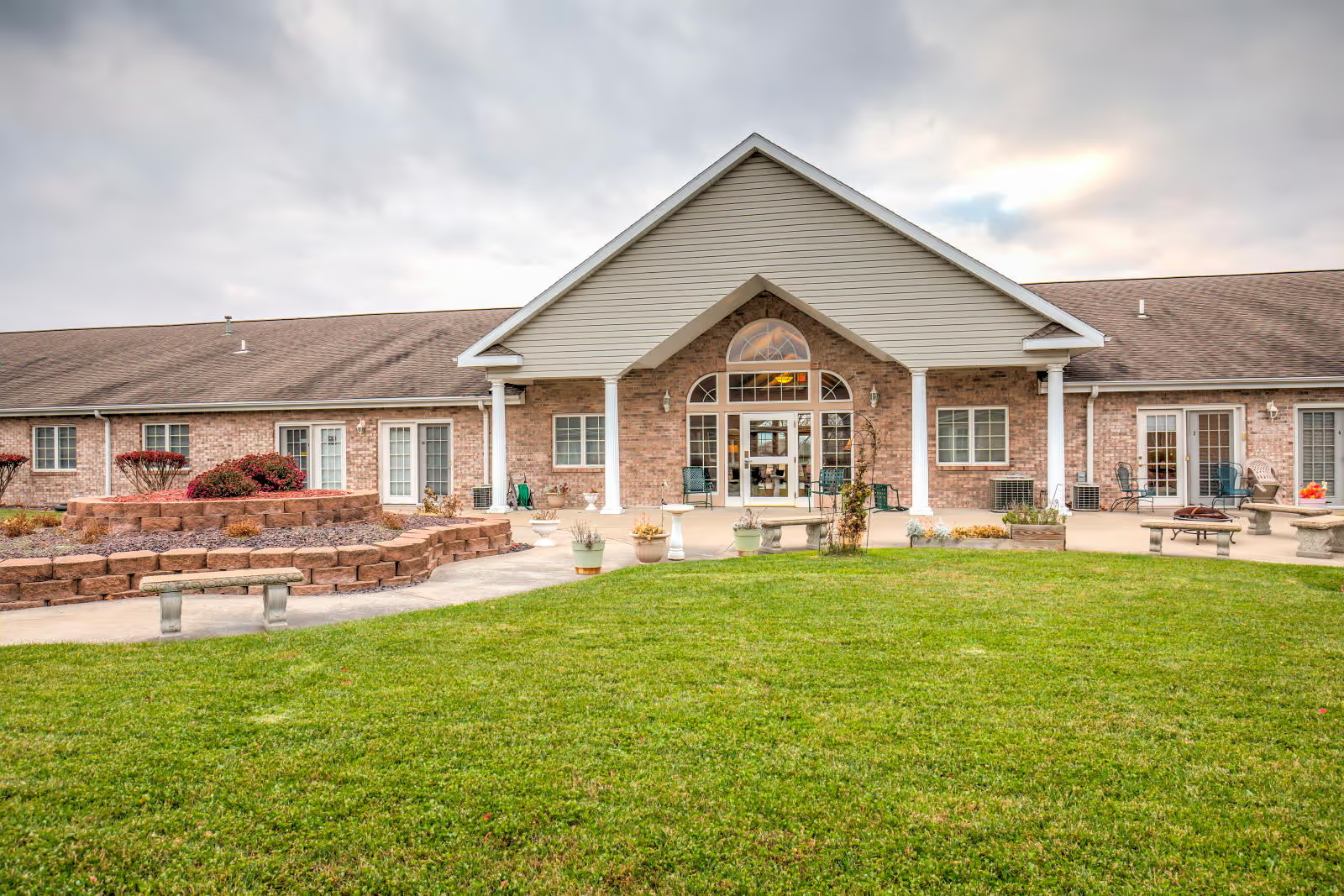
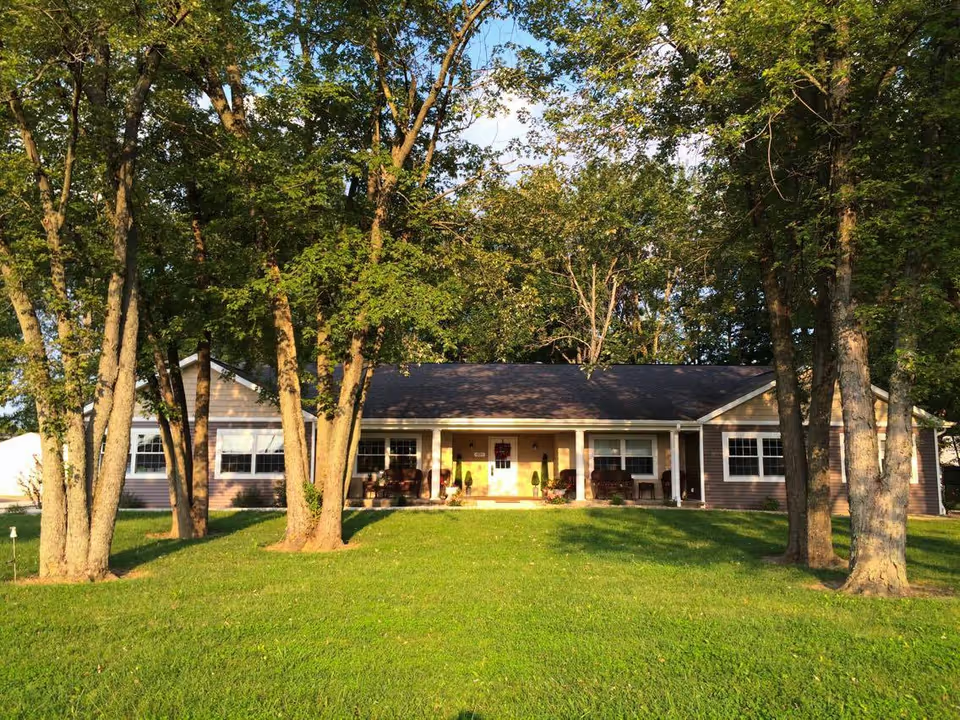
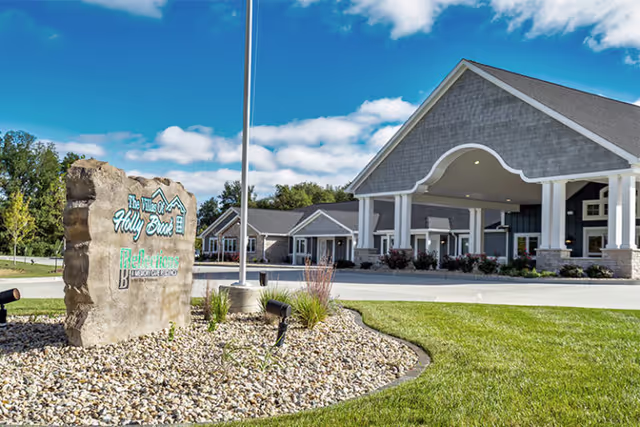
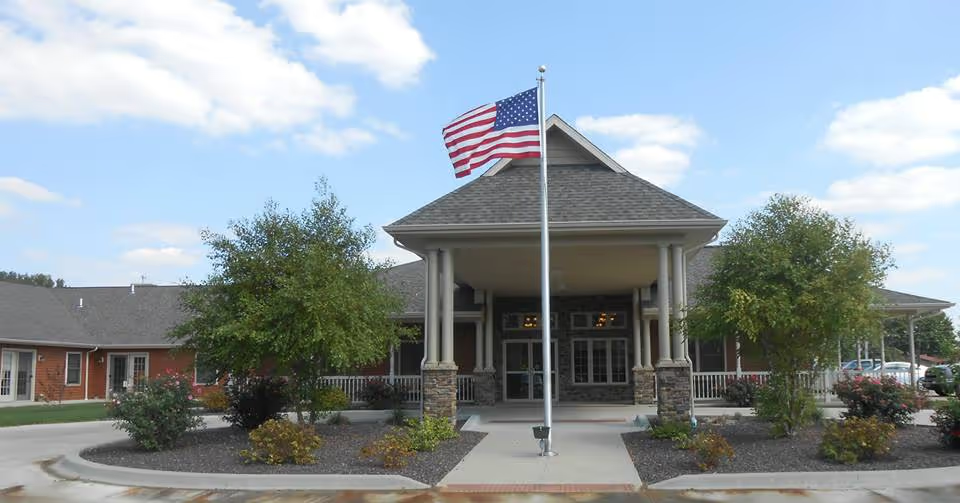
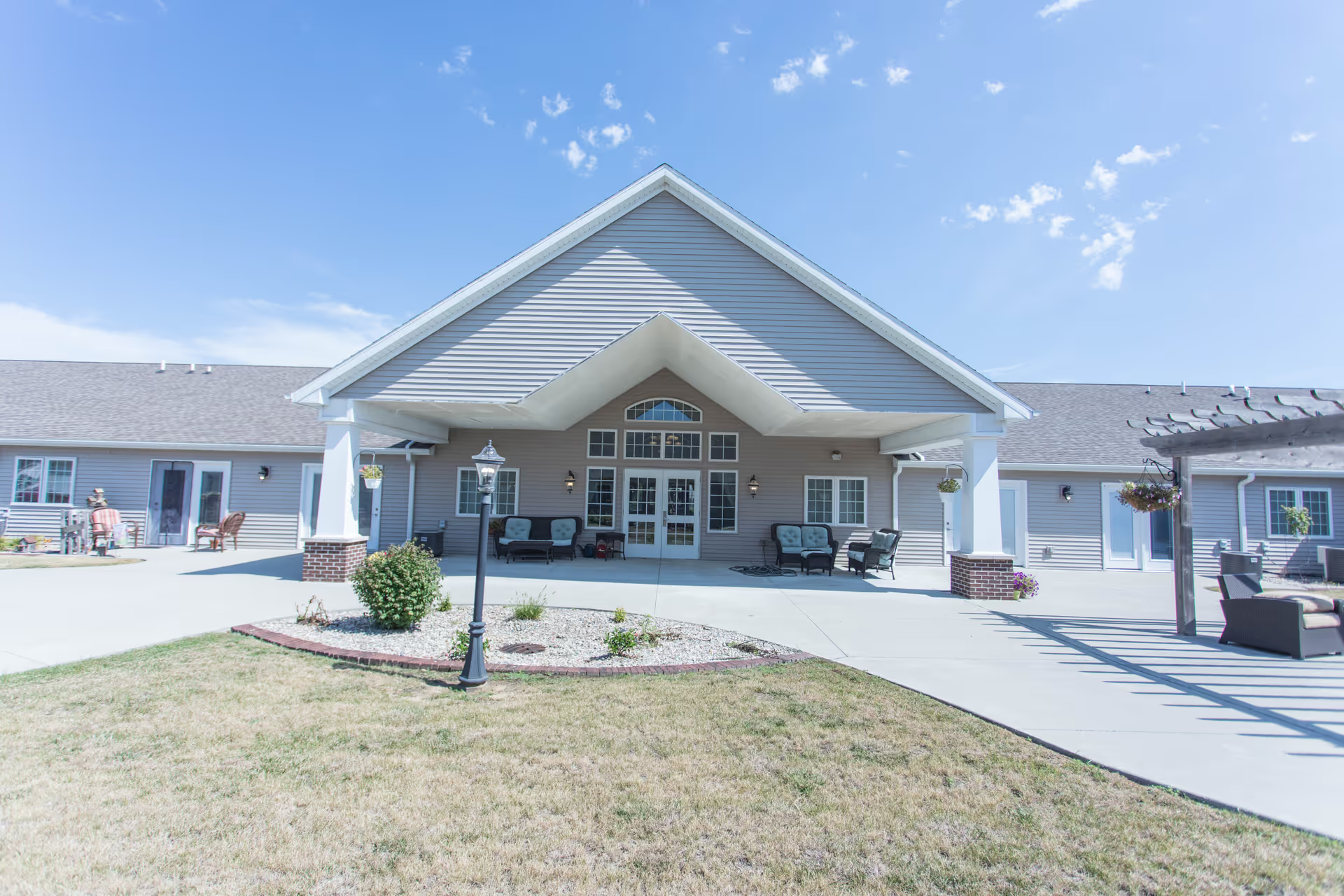
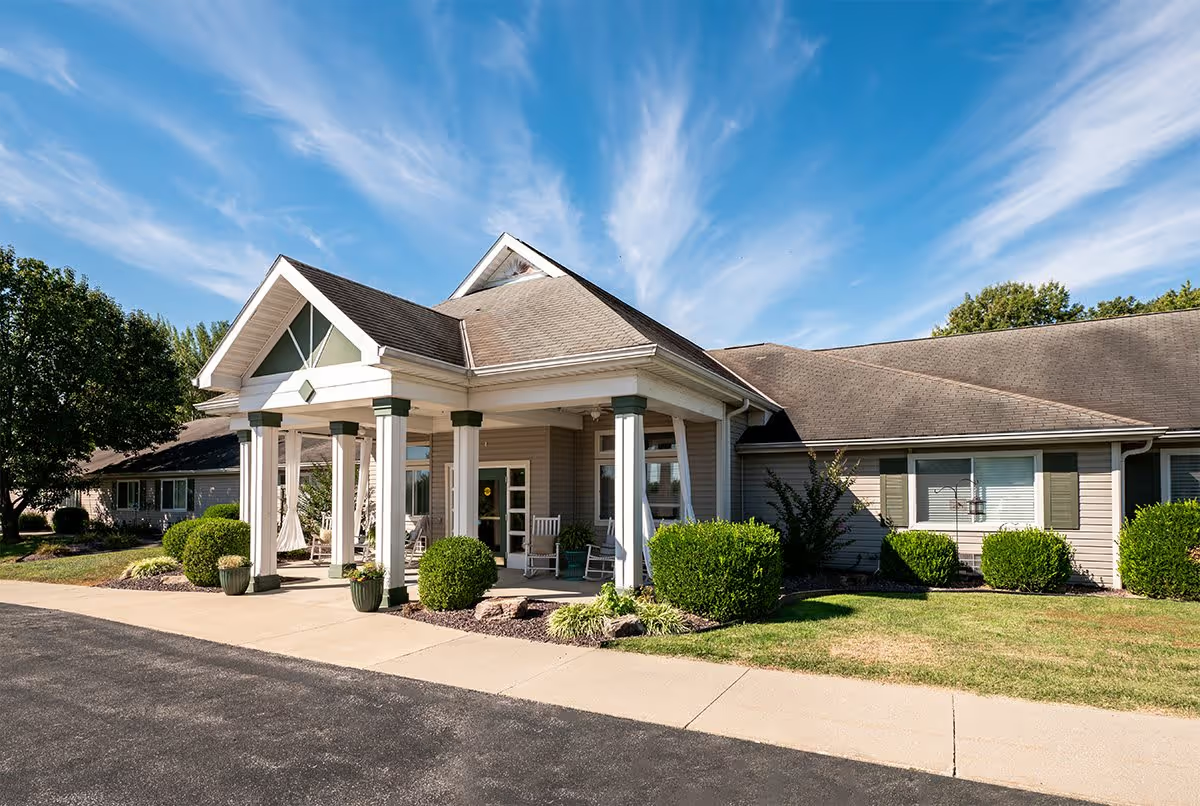
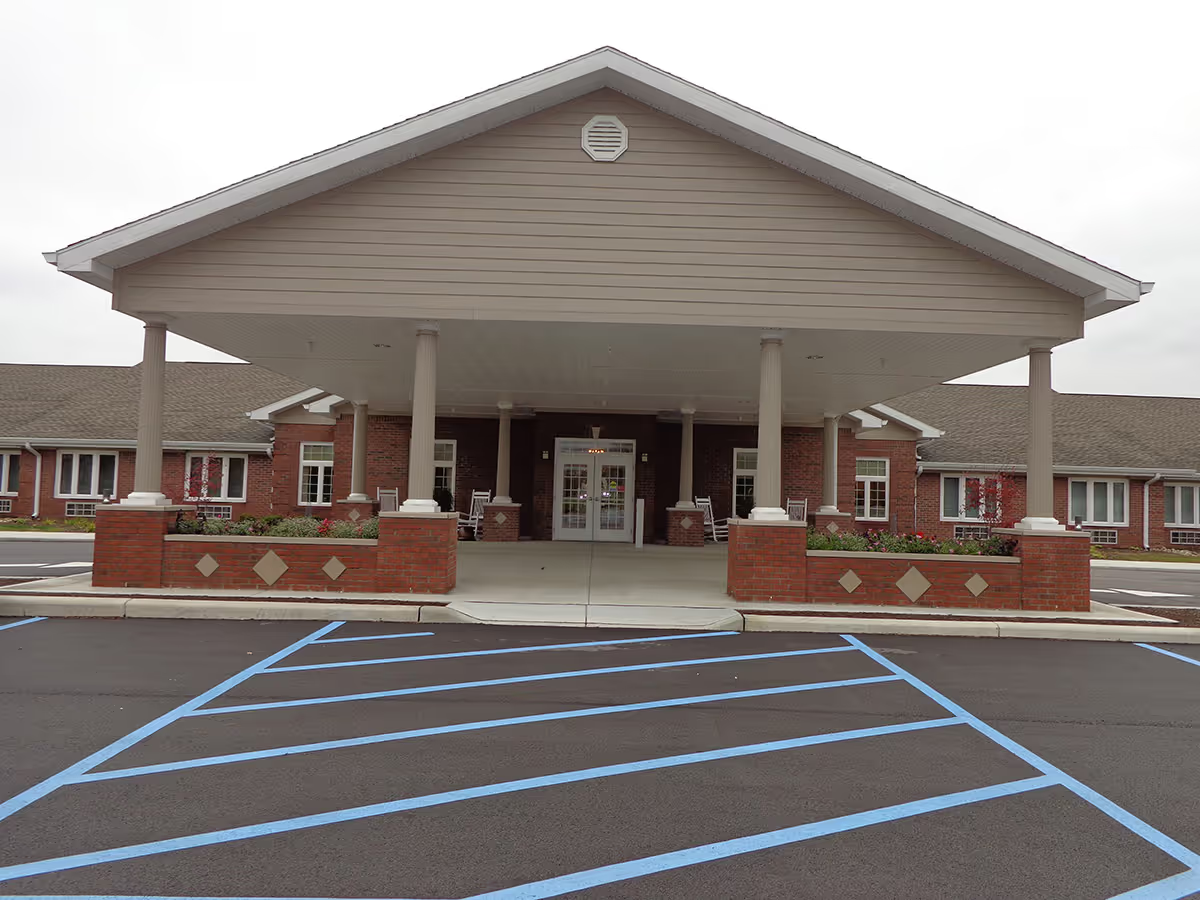
Reviews of Haven of Bridgeport present a polarized but consistent set of themes. Many families and visitors describe a modern, recently renovated building with a clean, welcoming, home‑like atmosphere. The facility is regularly praised for its on-site therapy gym, rehabilitation focus, and a memory-care wing that offers dementia‑appropriate programming. Organized daily activities, an event calendar, and transportation for appointments are repeatedly noted as strengths that support resident engagement and continuity of outpatient care.
Care quality and staff performance are the most mixed areas. Several reviewers characterize direct-care staff and long‑tenured clinicians as knowledgeable, compassionate, and committed; these reviewers highlight effective rehab therapy sessions, emotional support, and timely resolution of issues. At the same time, other reviewers report problems with staff tone, unprofessional communication with families, and interpersonal conduct that felt judgmental or dismissive. There are recurring operational concerns about staffing levels and resident-to‑CNA ratios, which reviewers tied to slower response times to call lights and delayed attention in some situations. In addition, a number of comments raise concerns about clinical monitoring and hydration/nutrition management and note that families were sometimes not promptly informed about clinical changes. Several reviewers also referenced serious clinical-incident concerns and state survey attention; prospective families should inquire directly about recent survey outcomes and incident-handling procedures.
Activities, programming, and the physical plant receive consistently positive feedback. The memory-care programming and dementia-focused activities are seen as specialized strengths, and the therapy/rehab services are frequently described as a good fit for short‑term rehab needs. The remodeled common areas and the overall cleanliness contribute to a pleasant environment, and reviewers often remarked on friendly, welcoming staff at the front desk and in communal spaces.
Management and communication show a split pattern: some families describe responsive leadership, helpful resolution of problems, and visible pride among staff, while others report difficulty reaching staff by phone, one‑sided or defensive family communications, and inconsistent customer‑service experiences. Given this mix, prospective residents and families may benefit from focused questions during a tour: ask for current staffing ratios, call‑response metrics or protocols, examples of recent state survey reports, details on hydration and nutrition monitoring, and how family notifications are handled for clinical changes. Meeting current caregiving staff and therapy personnel and reviewing the facility’s incident‑reporting and family‑communication policies will help clarify whether the operational practices align with your expectations.