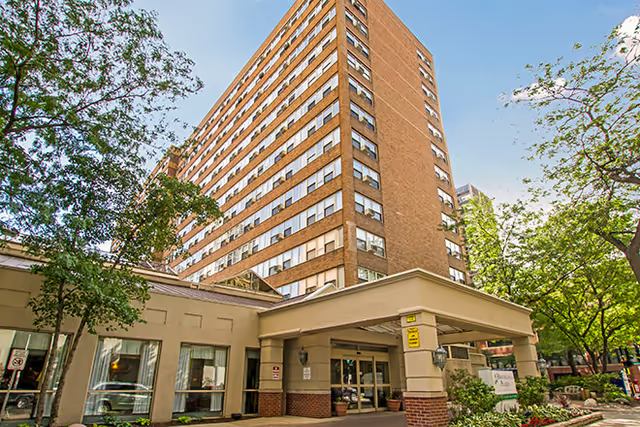
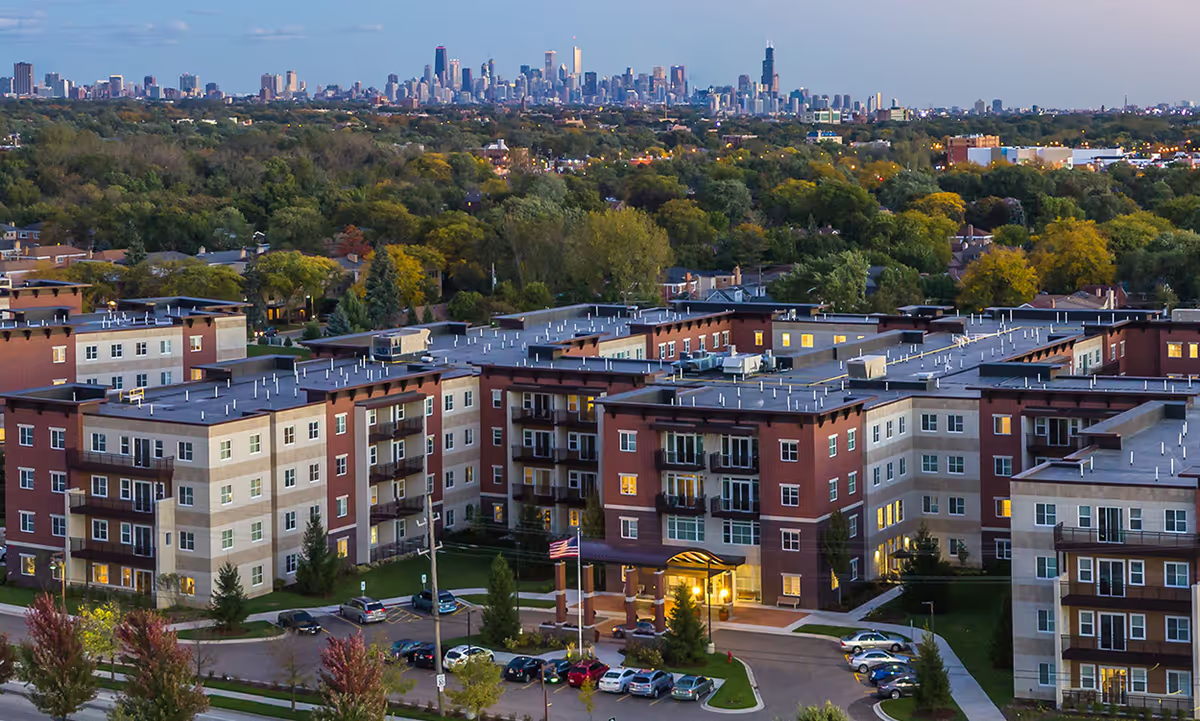
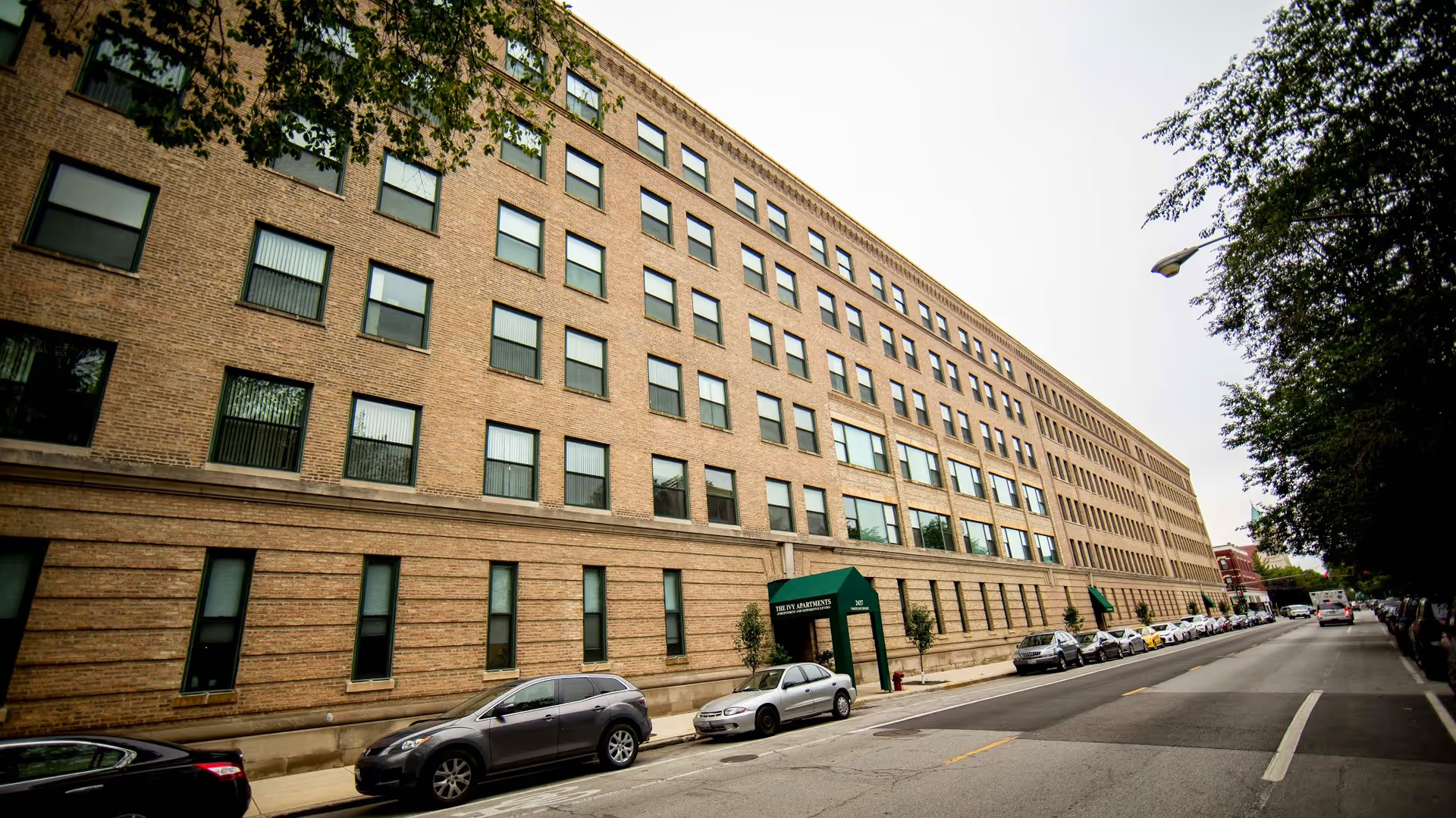
Reviews for All American Village Nursing and Rehabilitation Center are mixed, with a clear split between families and residents who describe positive daily life and those who raise operational and safety concerns. Several accounts highlight competent clinical care, attentive nursing, and an overall comfortable living environment; other accounts describe significant gaps in emergency responsiveness, medication oversight, and facility operations.
Care quality is described positively by many residents and families: reviewers cite good healthcare services, attentive nursing, and instances where care represents an improvement over prior facilities. At the same time, multiple critiques point to limited progress on residents' mobility and independence, and there are noted concerns about medication-management practices. There are also reports of delayed clinical responses in urgent situations, which have generated serious family concerns about emergency protocols and post-incident communication.
Staffing and interpersonal interactions are a frequent source of divergence. Positive comments emphasize friendly, communicative, and supportive staff and administrators who facilitate resident life and personal upkeep. Conversely, other reviews document rude or unhelpful interactions, perceived understaffing, and variability in staff availability and tone. These mixed impressions suggest inconsistency in staff conduct and in how communication with families is handled.
Dining and daily living services receive both praise and criticism. Several reviewers describe very good or excellent food and helpful meal service, while others raise nutritional concerns such as limited fresh fruit and reliance on canned or highly sauced options. Reviewers also mention a monthly allowance for personal items as a helpful administrative practice.
Facility condition and safety observations are similarly mixed. Some reviewers report a clean, comfortable environment; others raise concerns about maintenance, supply provisioning, sanitation in certain common areas, and lax controls around smoking and substance use in resident-accessible spaces. These accounts indicate variability in housekeeping, security, and environmental monitoring across the facility.
Management and administration are characterized by both responsiveness and areas for improvement. Positive comments note pleasant administrative staff, but other reviewers describe inefficient coordination, a compliance-first culture that may prioritize regulation over individualized care planning, and inconsistent family communication. There are also serious claims, including concerns following a resident's death and allegations of illicit substance use in facility spaces, which families should consider in the context of broader patterns rather than isolated language.
Overall, the facility offers meaningful strengths—supportive clinical staff, comfortable living conditions for some residents, and strong aspects of daily care—but also exhibits recurring operational weaknesses: inconsistent communication, possible understaffing, variability in cleanliness and nutrition, and concerns about clinical response and medication practices. Prospective residents and families should weigh the polarized experiences, request up-to-date incident and inspection records, meet care teams, and seek clarity on emergency response protocols, medication oversight, staffing levels, and rehabilitation plans before deciding.