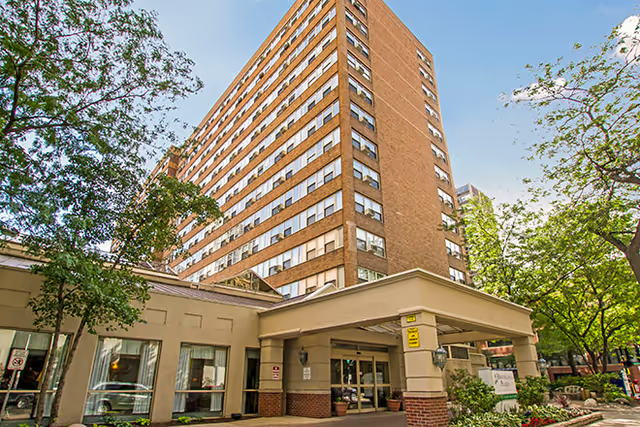
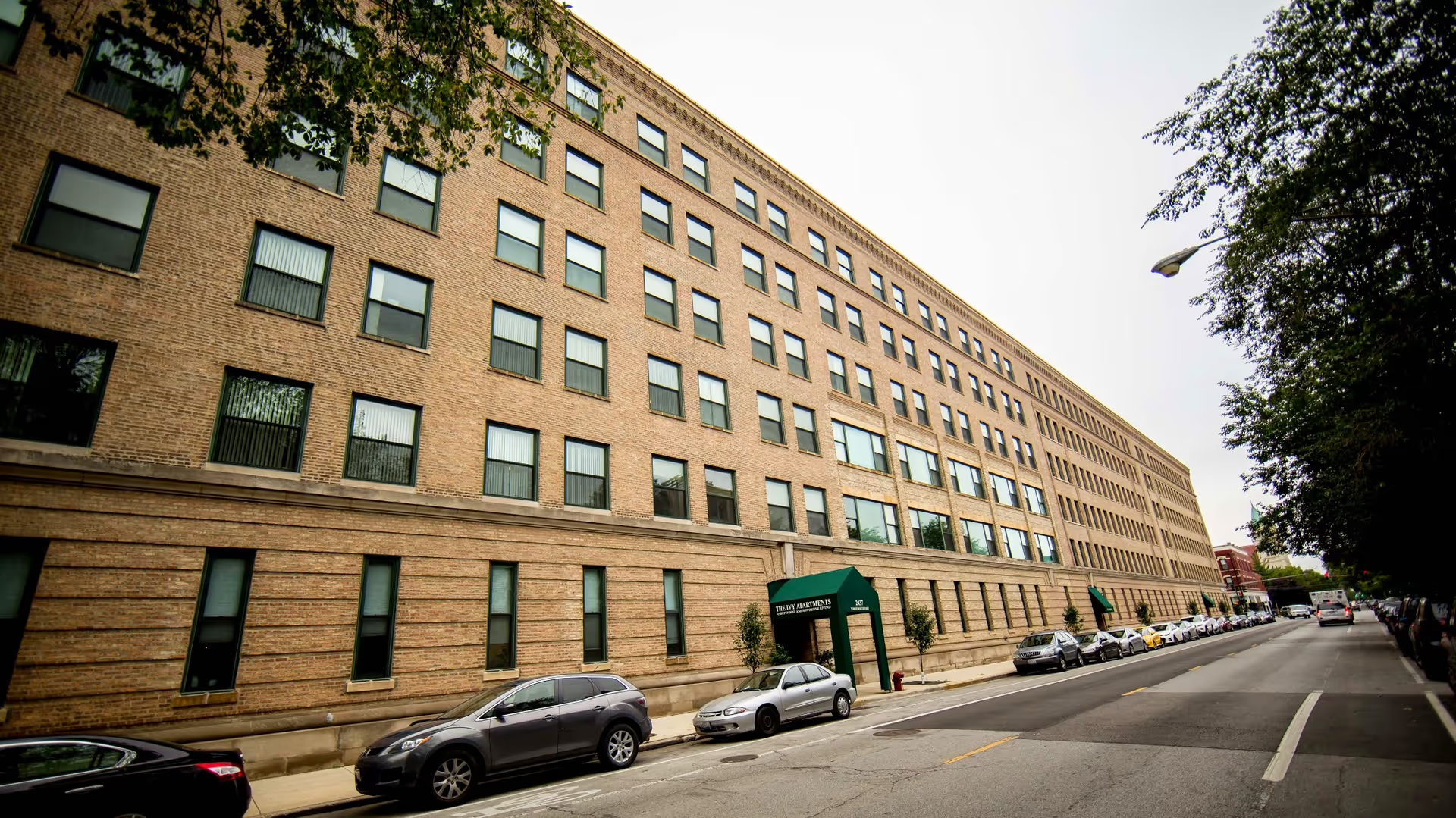
Aperion Care Wesley elicits mixed impressions. Strengths repeatedly noted across reviews include compassionate nursing and caregiving staff, a strong rehabilitation program and physical therapy services, supportive hospice and end-of-life care, and a generally welcoming admissions and reception experience. Families and residents frequently praised attentive CNAs, responsive social work/case management, shuttle transportation, volunteer involvement, and the facility's affordability and Medicaid acceptance. Several accounts highlight efficient discharge planning and coordinated therapy when services are available.
Alongside these positives, recurring operational weaknesses stand out. Communication with families and clinical documentation are inconsistent: reviewers cite delays or gaps in updates, difficulty reaching staff by phone, and examples of transfer paperwork or emergency documentation not being completed to family satisfaction. Staffing instability and reduced on-site coverage — including reports of insufficient nursing presence on particular units — appear to have affected the consistency of care and the availability of therapy sessions. These workforce issues are linked in several accounts to an ownership change and perceived cost-cutting, which reviewers associate with reduced services and staffing turnover.
Dining and activities are uneven. Many residents found therapy and activity programming engaging and helpful, with spiritual services and volunteer-driven events appreciated. However, others described limited variety or frequency of activities and mixed food quality — ranging from well-prepared meals to bland or processed items — plus concerns about food handling and temperature control. Facility and room conditions reflect the building's age: reviewers describe small rooms, dated décor, intermittent maintenance problems (boiler, mold concerns behind curtains mentioned), HVAC and comfort-control issues, and occasional odor concerns near rooms or common areas. At the same time, some found common areas clean and well-kept.
Management and clinical-safety patterns merit attention. Multiple reviewers raised concerns about responsiveness from leadership when families sought answers about incidents or care plans. Operational gaps reported include supply shortages, inconsistent in-room comfort (air conditioning or outlets for fans), and inconsistent practices around transfers and feeding assistance. While many accounts describe compassionate and diligent individual staff members, the pattern of variable staffing, turnover, and mixed supervisory oversight suggests potential variability in the resident experience depending on unit assignment and timing.
For prospective residents and families, the most salient themes are: strong rehabilitative capacity and many caring staff members, balanced against variable communication, staffing stability, and building-maintenance issues. Visiting and family communication policies have at times been difficult to navigate, especially during pandemic restrictions, so families prioritizing regular in-person access and consistent clinical updates should discuss those expectations explicitly during admissions and monitor documentation and transfer processes closely. Overall, the facility provides several core strengths in therapy, hospice, and compassionate caregiving, but operational variability makes it important to evaluate recent staffing levels, management responsiveness, and specific unit conditions during an in-person tour and through direct conversations with leadership.