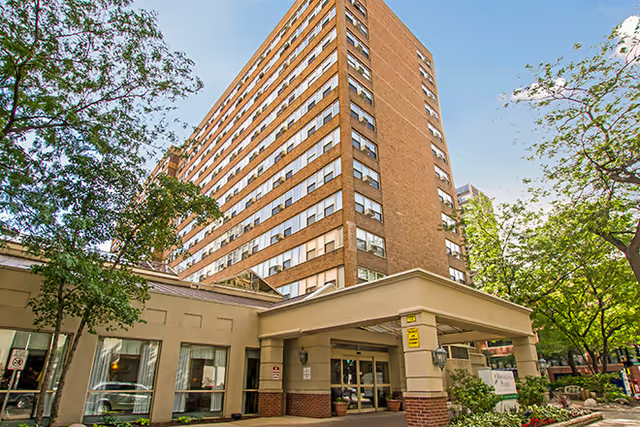
Reviews of Balmoral Nursing Home present a mixed picture. Many families and residents praise the direct-care workforce: nurses, caregivers, therapy staff and social services receive repeated positive mentions for being compassionate, hardworking, and responsive. Several accounts highlight robust rehabilitation offerings and frequent occupational therapy, timely personal-care assistance such as bathing, and generally positive meal-service experiences. A number of reviewers also credited the facility with effective COVID-19 protocols and an ability to continue delivering core clinical services under pandemic constraints.
At the same time, a distinct cluster of operational concerns appears across reviews. Cleanliness and sanitation control lapses — including recurring odor concerns and indications of pest-control problems — are a prominent theme, alongside reports of outdated equipment and deferred environmental maintenance. Safety-related practice issues were also raised, most notably lapses around smoking policy enforcement in proximity to oxygen therapy, which reviewers framed as creating unsafe conditions. Multiple descriptions point to inconsistent responsiveness: delays in attending to resident needs, instances where personal-care needs were not noticed promptly, and uncovered meal trays or interrupted service routines.
Communication and management issues form a third pattern. Families reported inconsistent admission and room-setup follow-through, missing or nonfunctional in-room amenities (phones, televisions), and shared-room environments that some found restrictive. Several reviewers described poor frontline customer interactions — for example, a brusque reception desk experience — and broader concerns about leadership accountability, broken service promises, and difficulty getting timely callbacks or clear information. While some reviewers praised the facility’s infection-control responsiveness, others described gaps in family notification and transparency during outbreak events.
For prospective residents and families, the dominant themes are clear: direct-care teams often provide attentive and rehabilitative care, but facility-level weaknesses in cleanliness, environmental maintenance, safety policy enforcement, and management communication are recurring. When evaluating this facility, it would be prudent to verify current sanitation and pest-control practices, ask about oxygen/smoking policies and enforcement, review how admissions and in-room setups are handled, and speak directly with nursing and social services staff to assess responsiveness and communication processes. These steps can help balance the facility’s clinical strengths against the operational gaps identified in reviews.