The reviews for Beacon Health Center are highly polarized, with families describing both strong, compassionate frontline caregiving and recurring operational weaknesses. A clear pattern emerges of dedicated CNAs, nurses and therapy staff who provide warmth, attentive assistance, and meaningful communication through video calls or extra visiting time. Several reviewers praised specific leaders in social services and nursing administration, noted active physical-therapy services, and described clean, welcoming common areas and resident rooms in parts of the facility.
At the same time, numerous entries identify substantive care-quality concerns. These center on inconsistent clinical practices: delays responding to call lights, lapses in routine hygiene and incontinence care, and gaps in wound- and pressure-injury management. Reviewers expressed worries about medication administration and coordination with emergency responders, and about slower-than-expected attention to acute changes in residents' condition. Those patterns suggest variability in staff responsiveness and clinical oversight rather than uniformly applied processes.
Staffing and management present a mixed picture. Many families singled out compassionate direct-care staff and helpful receptionists, yet others described inconsistent professionalism, limited engagement, and variable social-work interactions. There are repeated references to training and supervision gaps that appear to affect how staff interact with residents and external providers. Administrative communication and transparency also received mixed ratings: some families praised accurate records and responsive administrators, while others reported poor communication, disputes over pay/charges, and concerns about asset security.
Dining and therapeutic activities show similarly uneven performance. The facility maintains an active PT program and efforts to provide engagement for residents, but food quality and dining conduct were described as inconsistent; a few accounts raised safety and service-conduct concerns in dining areas. Activity offerings may be present but appear to vary by unit and by individual resident needs.
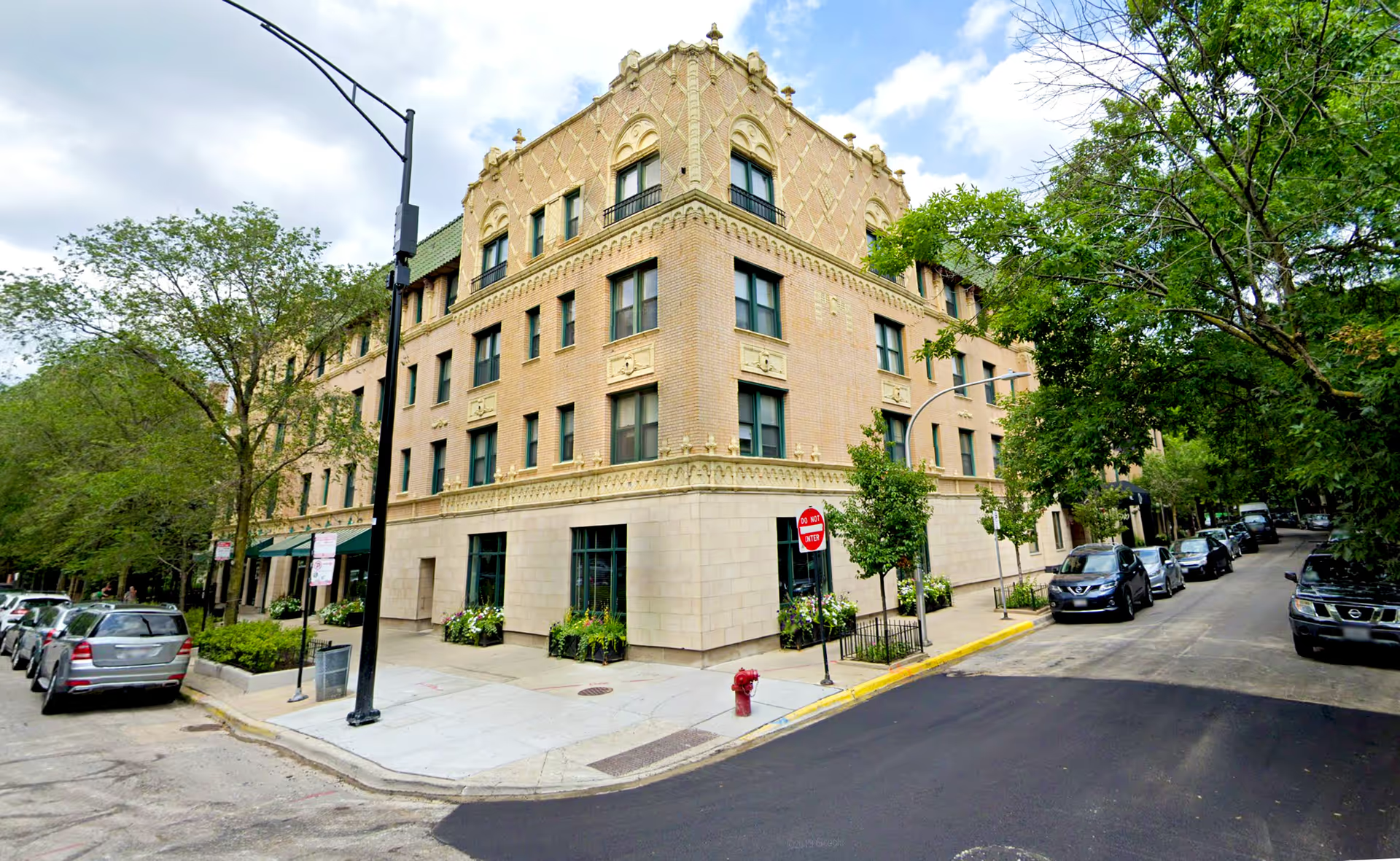
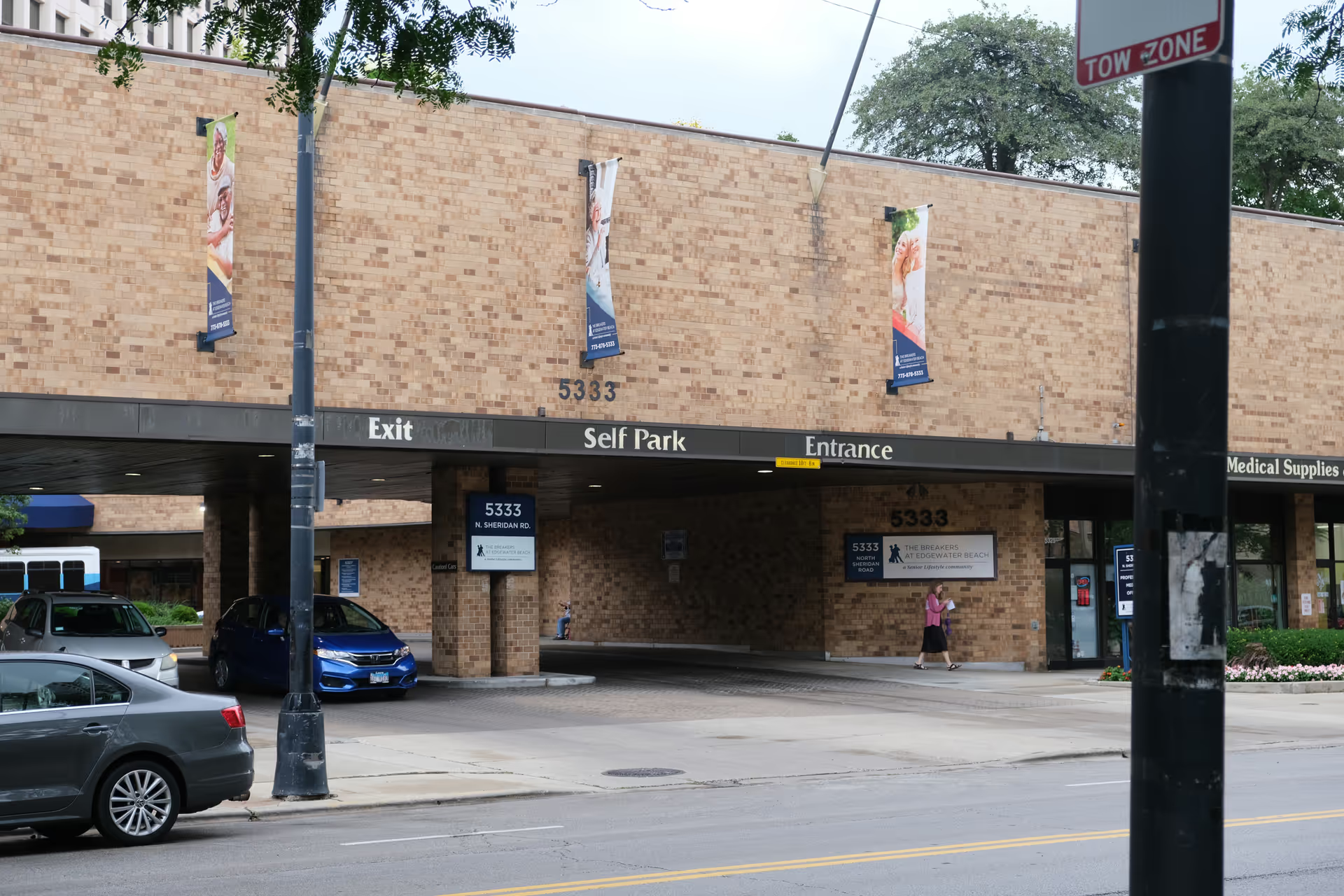
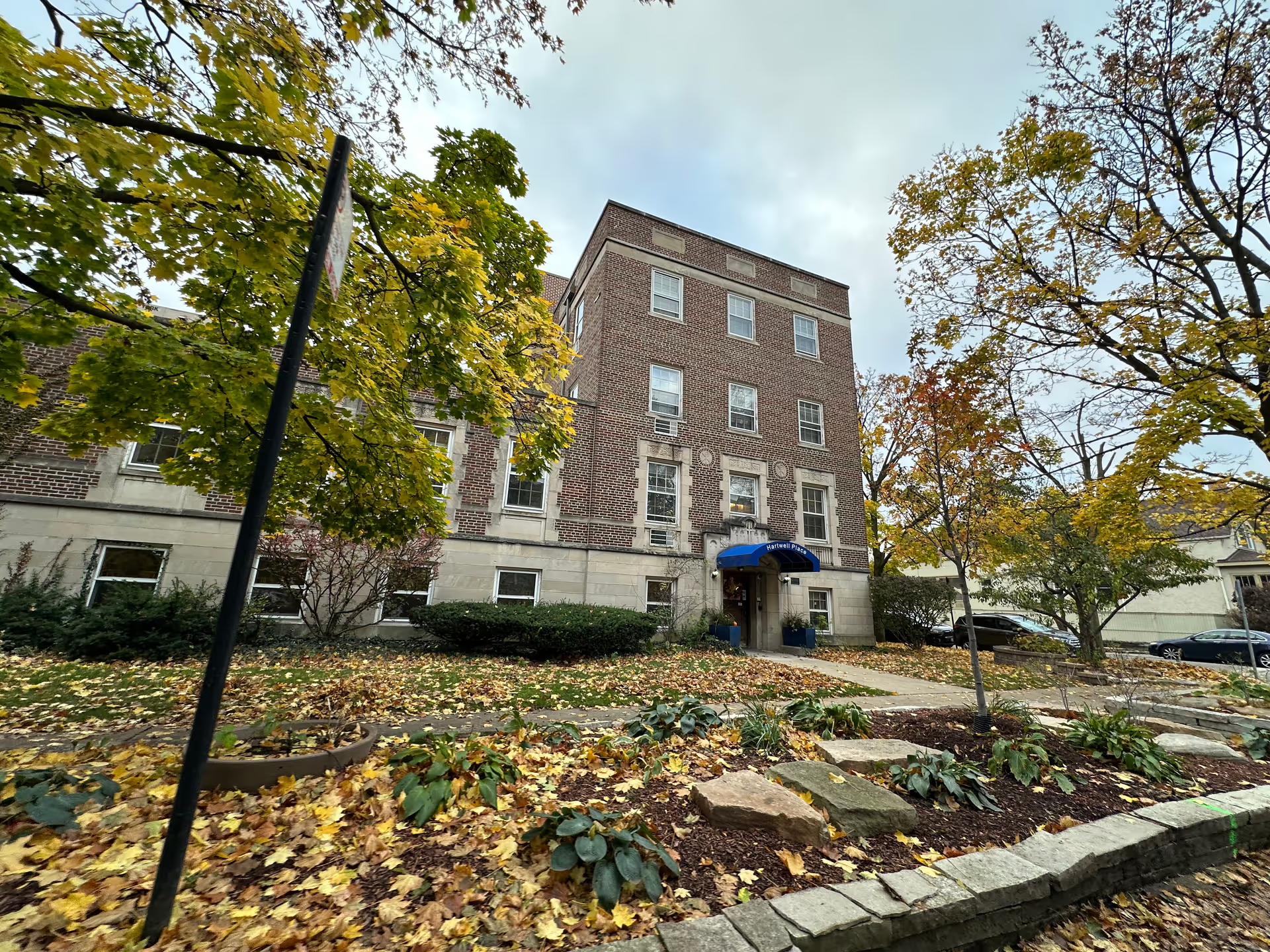
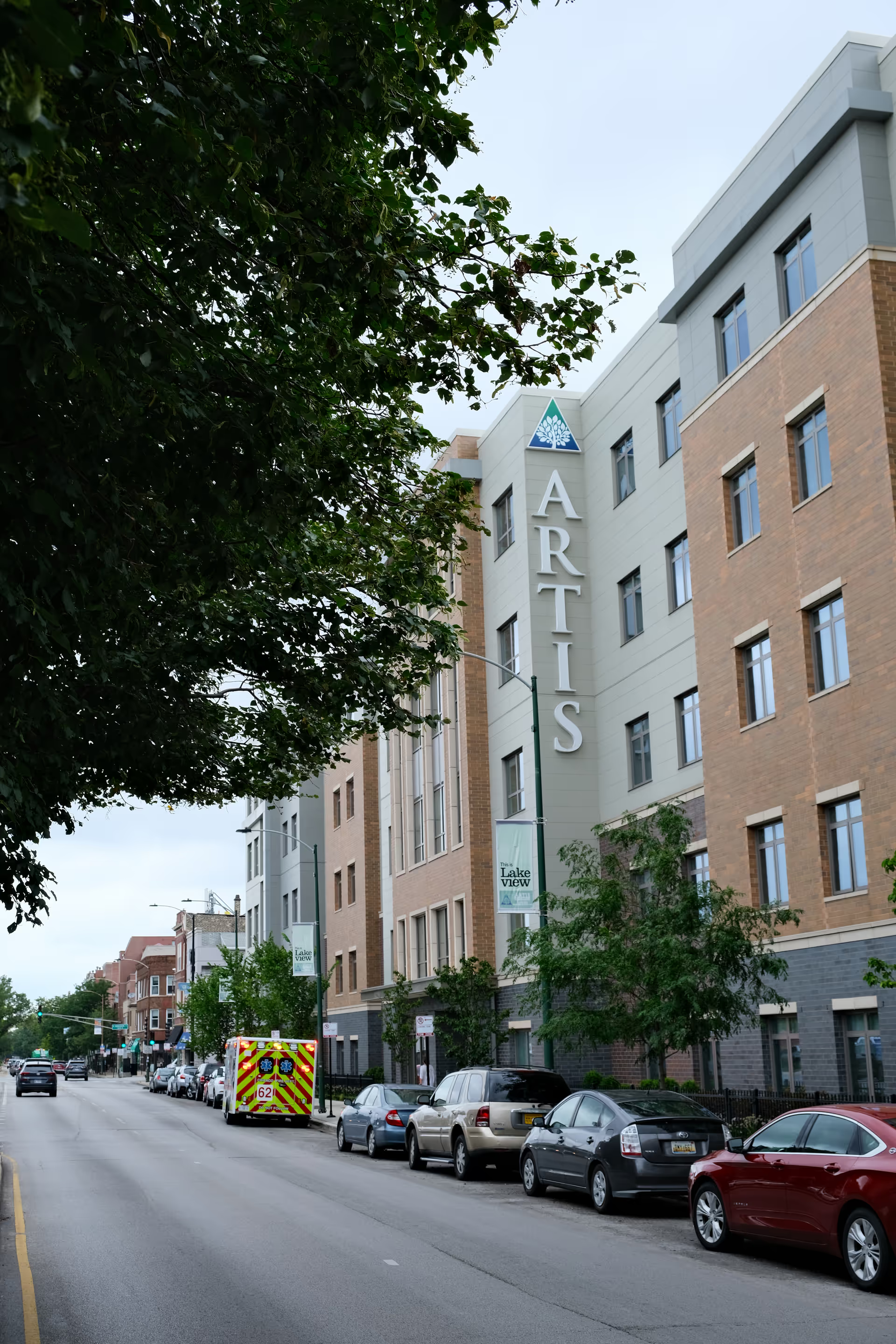
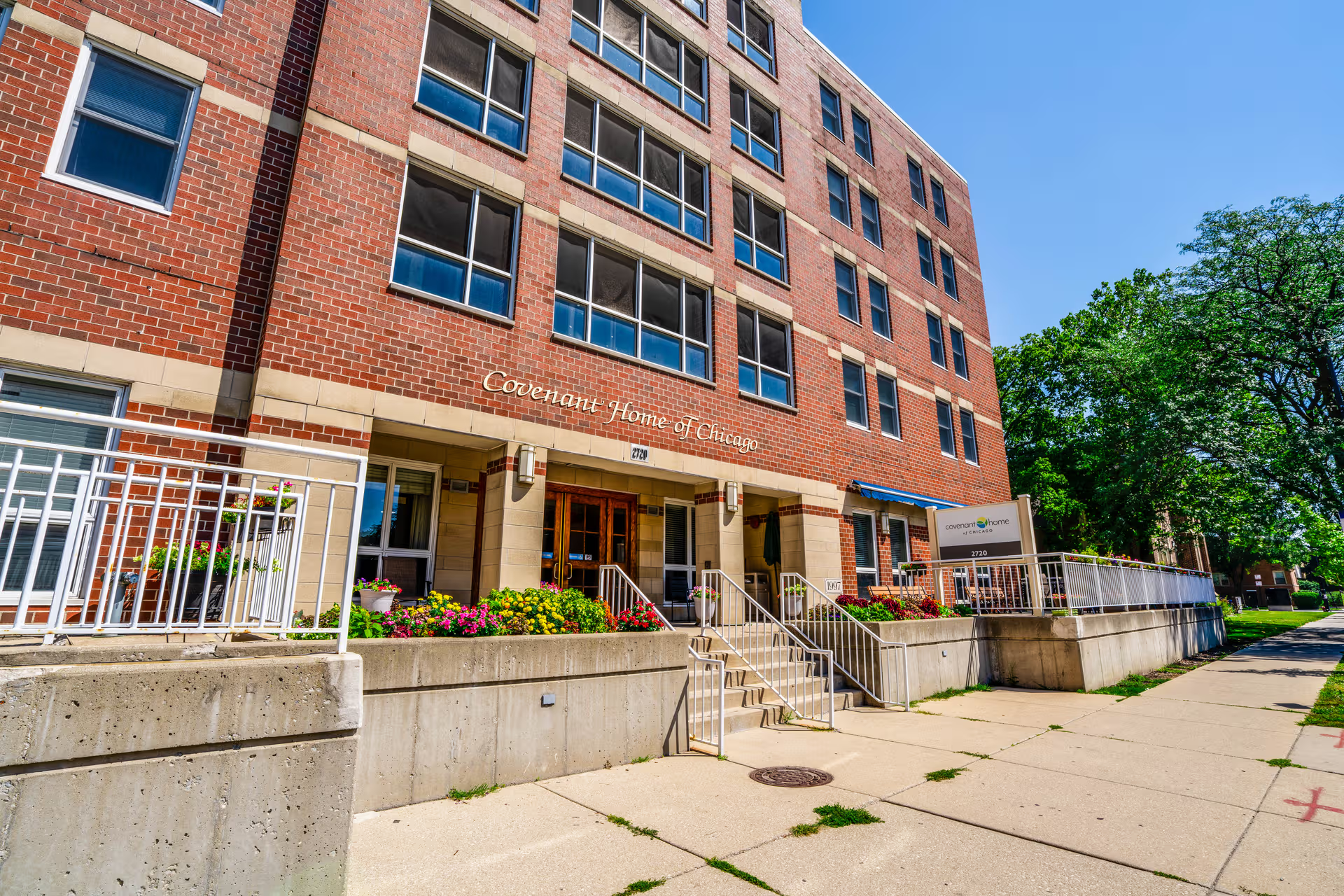
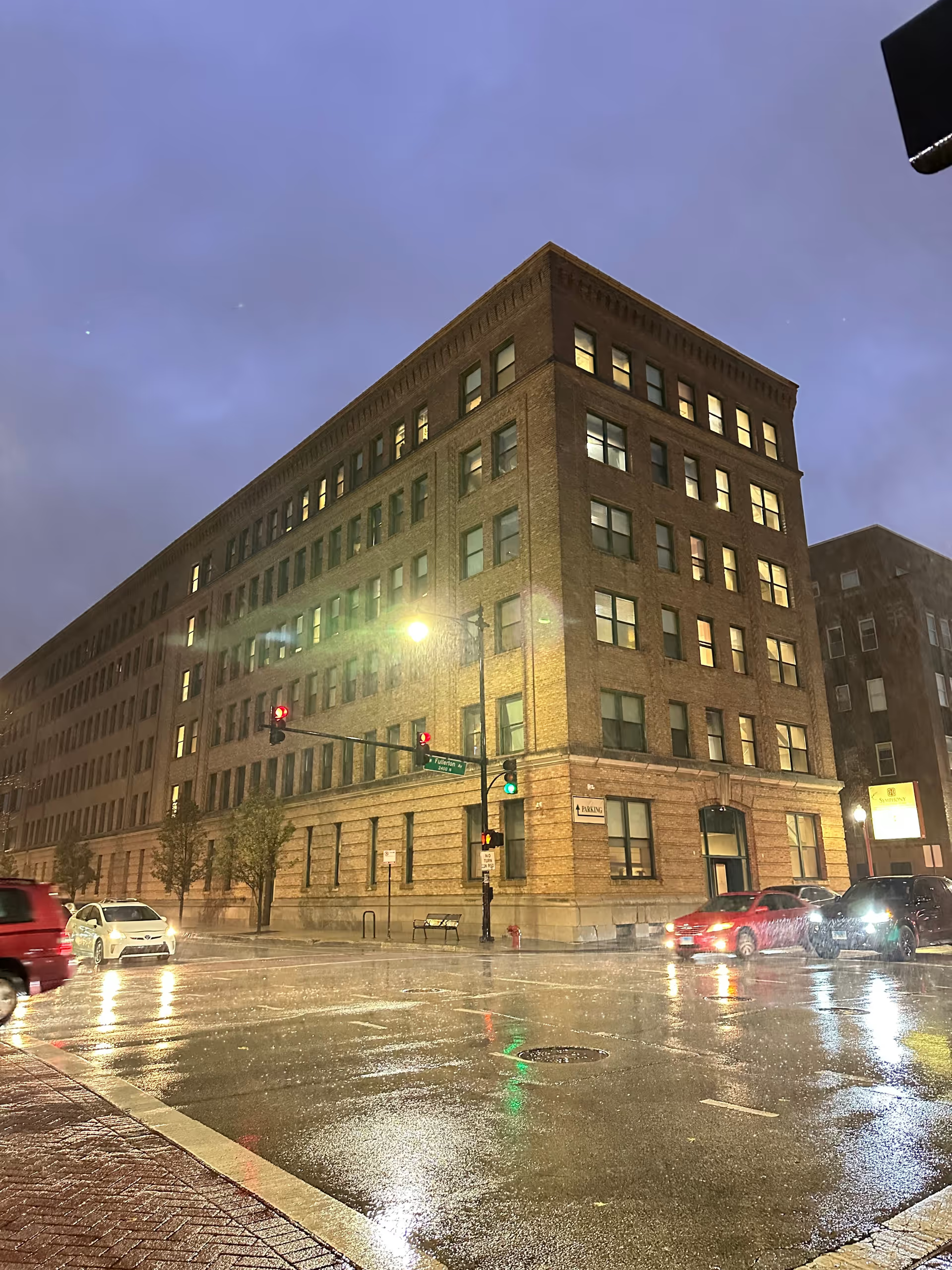
Facility condition and infection-control practices are reported inconsistently. Positive comments reference fresh smells, warm decor, and neat communal spaces; negative comments point to maintenance needs, odor concerns, and pest-control problems in some areas. Visitors also remarked on the age of the building and variable housekeeping standards across units. Infection-control procedures, particularly COVID protocols, were noted as conscientious by some families, although communication about infection events could be improved.
Notable patterns to weigh: (1) a sharp division between positive experiences with frontline caregivers and recurring operational gaps that affect clinical consistency and safety; (2) safety and security weaknesses including building access and wandering management; and (3) serious financial and property concerns raised by families, including allegations of theft, which merit direct inquiry. Prospective residents and families would be advised to tour the facility in person, observe care times (bathroom/hygiene assistance, mealtimes, therapy), ask for written policies on wound care, medication administration, staffing ratios, pest control, security/access protocols, and financial safeguards, and to speak directly with nursing leadership about how the facility monitors and corrects lapses in care.