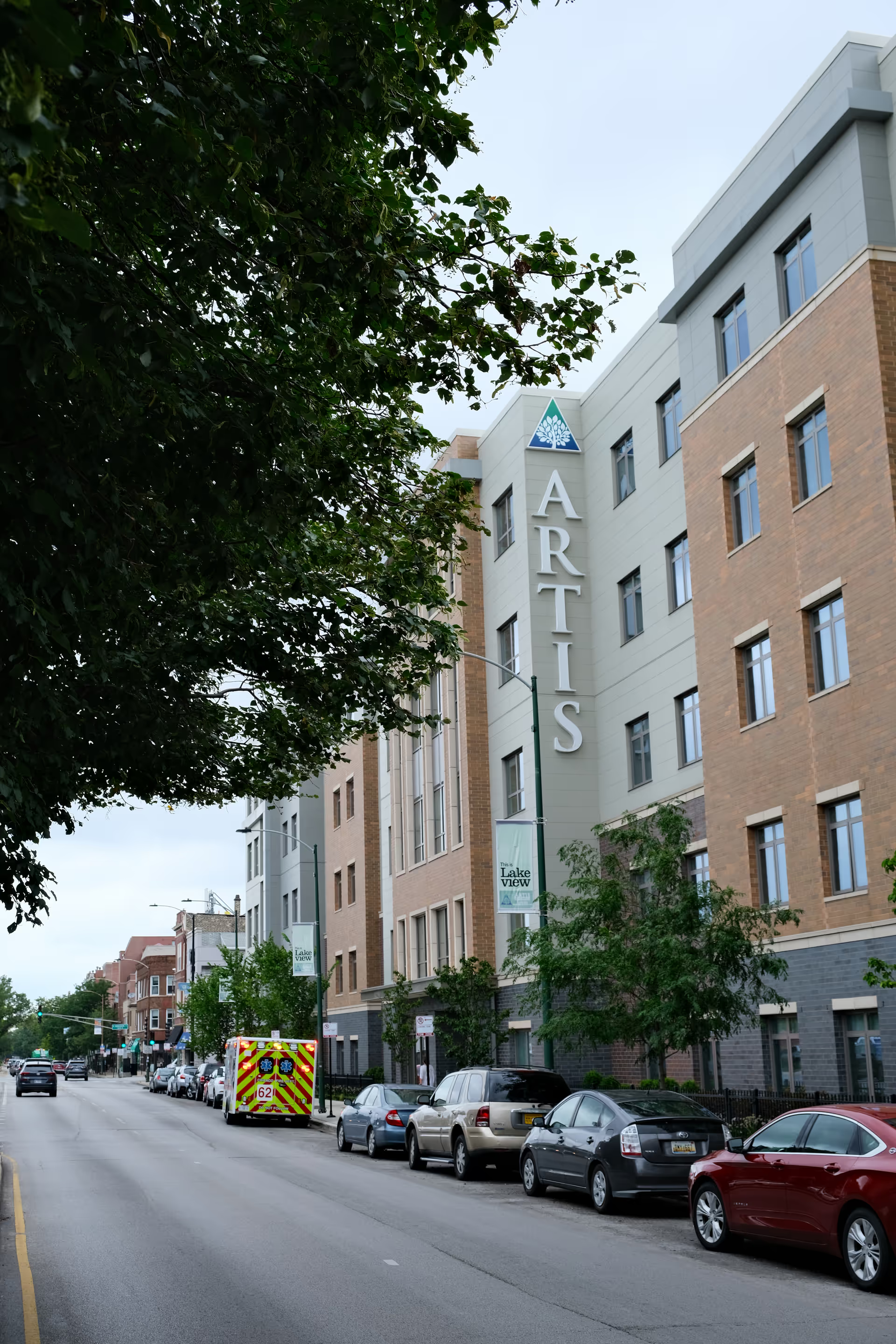
Lakeview Nursing and Rehabilitation Center elicits sharply mixed impressions. Many families praise the facility’s cleanliness, larger-than-average rooms, and its convenient urban location near shopping and transit. The rehabilitation program and therapy staff receive consistent positive feedback for daily, effective therapy sessions and measurable recovery in some residents. Several frontline staff members and social-service personnel are described as compassionate, communicative, and helpful; specific staff names are repeatedly identified as sources of strong family communication and coordination.
Despite those strengths, there is a clear pattern of operational concerns that recur across accounts. Staffing is a dominant theme: high turnover, heavy reliance on agency staff, and understaffing—including overnight shifts—are linked to inconsistent care delivery. Families cite delays in call-button response and assistance, inconsistent bathing schedules, delayed incontinence care, and gaps in wound care and medication oversight. These operational weaknesses are additionally associated with fall events and other adverse outcomes in a subset of accounts, and there are concerns following resident deaths and serious clinical events that prospective families should regard as significant when assessing risk.
Dining and daily life also present a mixed picture. Some families describe regular meals and engaging activities with opportunities for family involvement, while others note inconsistent meal quality, unappealing presentation, and food-safety concerns. Activity programming appears to vary by unit and by shift; weekend and overnight staffing issues are reported to reduce activity availability in some cases. The facility’s physical plant is generally described as clean and well-kept, with spacious rooms, but reviewers also raise sanitation and odor concerns in certain areas, limited outdoor space due to the urban site, and parking constraints for visitors.
Management and administrative practices draw both praise and criticism. Several accounts commend proactive social work and clear family communication from particular staff, but there are numerous accounts pointing to inconsistent leadership, poor responsiveness from administration, admissions-deception and billing disputes, and weak security controls that have led to property-loss concerns. Communication challenges including language barriers and perceived customer-service shortcomings are also noted, which can affect problem resolution and family confidence.
Overall, the facility appears to offer competent rehabilitation and receives strong praise for specific care staff, yet systemic operational issues—staffing instability, inconsistent clinical follow-through, dining and sanitation variability, and administrative transparency problems—create a polarized pattern of experiences. For families considering Lakeview, an in-person tour and direct questions are advisable: ask about current staffing levels and turnover, agency-staff usage, call-button response times, wound-care and medication protocols, infection-control and sanitation practices, security measures, parking and outdoor access, and obtain clear written agreements on length of stay and billing. Reviewing recent state inspection records and speaking with current families on-site can help validate whether the facility’s strengths align with your priorities and whether the operational gaps have been addressed.