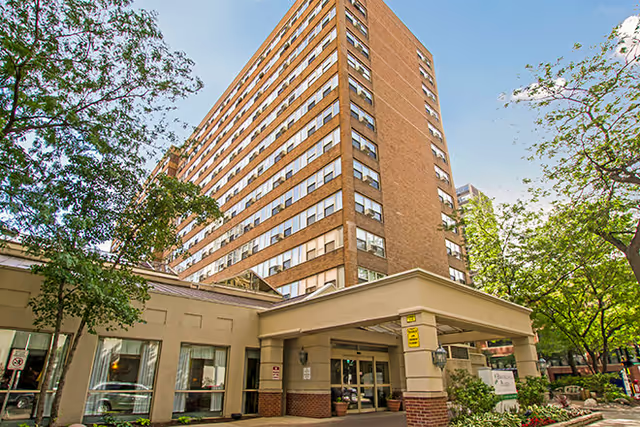
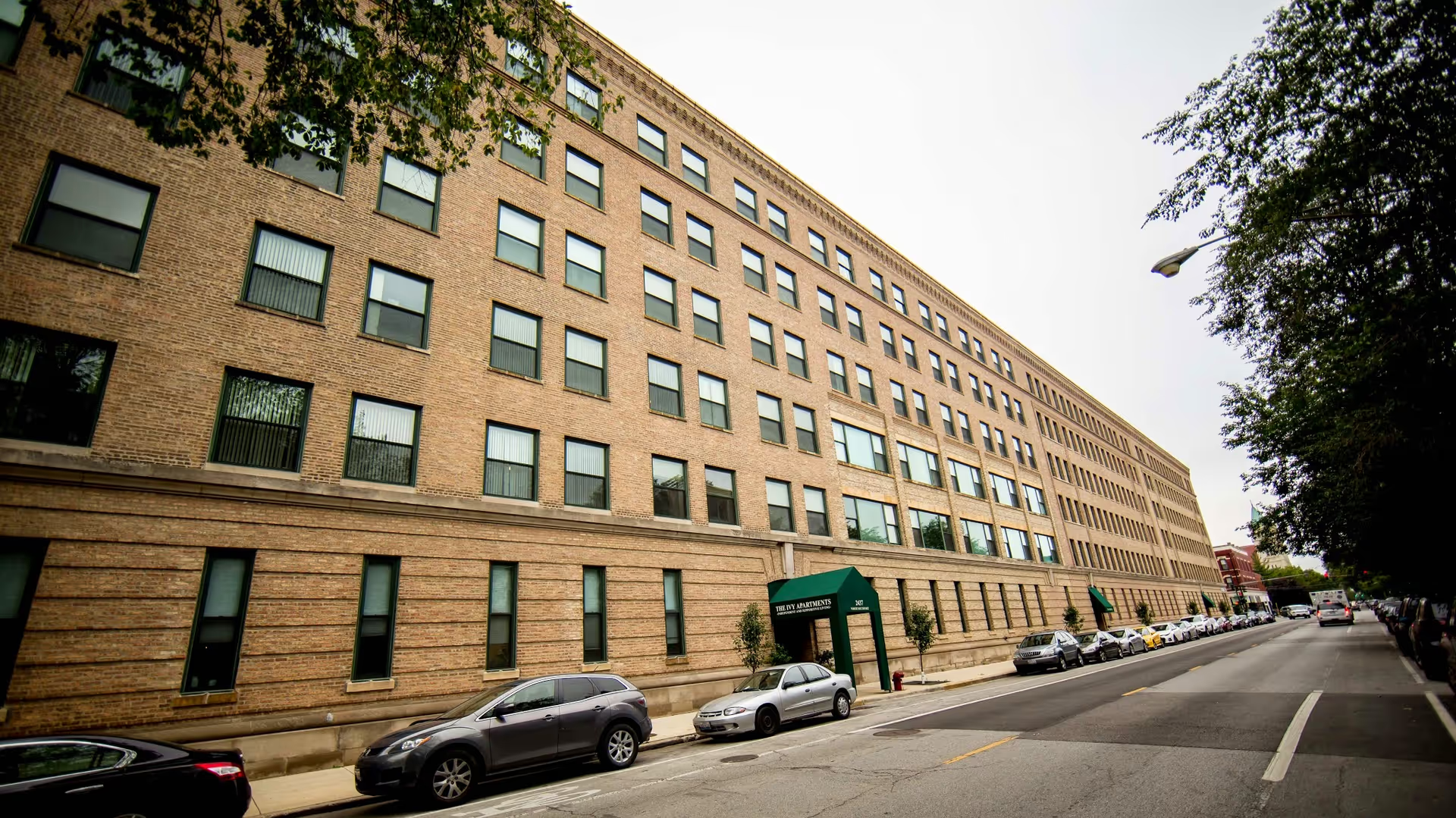
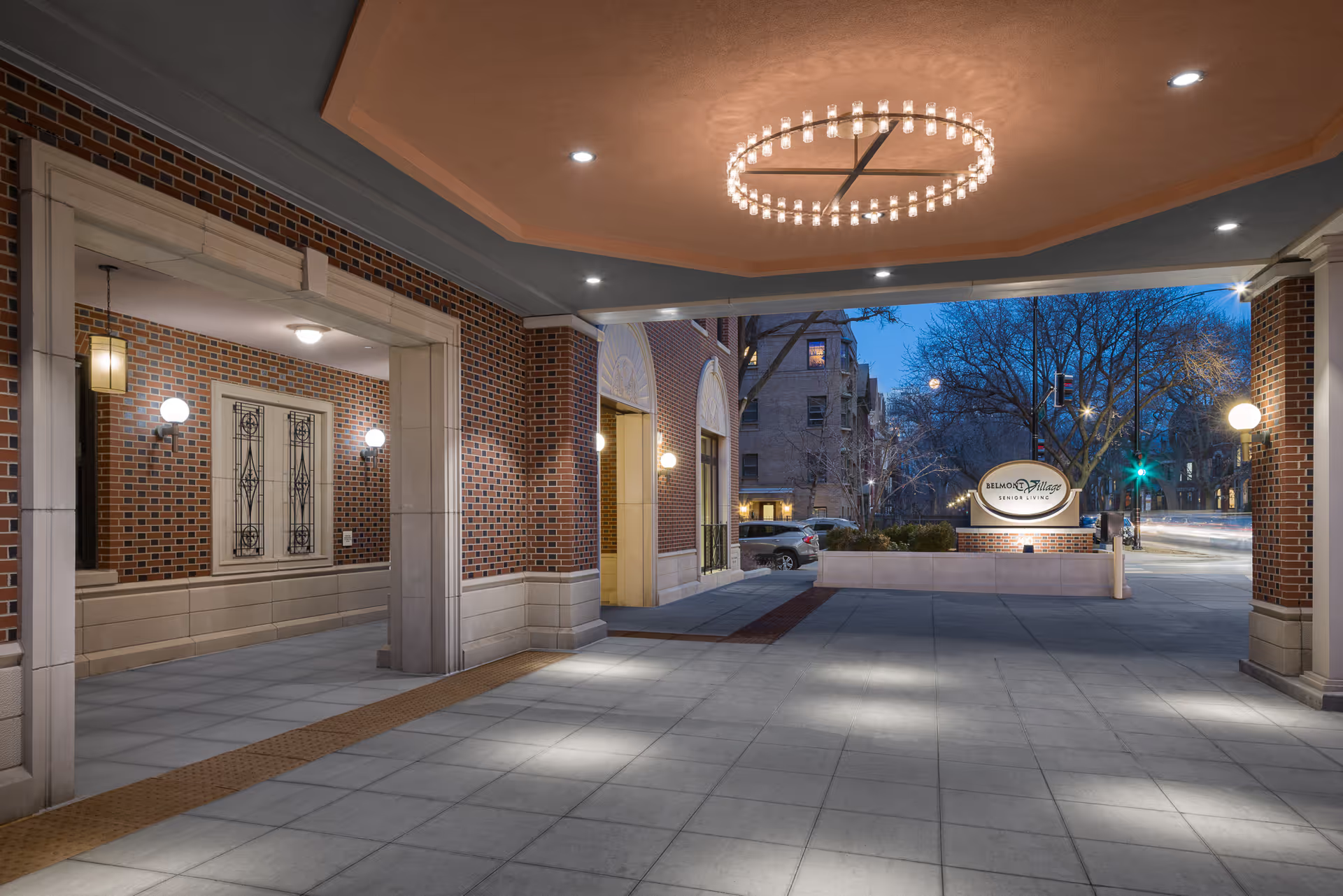
The Admiral at the Lake presents as an upscale, well-appointed continuing-care retirement community with numerous tangible strengths. The property’s lakefront location, modern architecture, large windows and serviced, varied apartment types are recurring positives. Amenities include a full dining program with daily continental breakfast and extensive brunch offerings, professional culinary staff, an on-site fitness center with pool and instructors, art studio, theater, library, and organized transportation for medical and cultural outings. Residents and families frequently cite an active social life, resident-led clubs and programs, abundant cultural opportunities, and strong connections to outside healthcare providers as important benefits. The community’s continuum-of-care model, with on-site physical therapy and higher-level care options, is highlighted as a convenience and safety net by many long-term residents.
Front-line staff and daily services draw largely favorable comments: reviewers describe helpful, courteous staff, engaged managers, and a welcoming resident culture that supports friendships and participation. The Admiral’s pandemic response, including early vaccination and activity adaptations via technology, is also noted positively. Dining is repeatedly praised for variety, nutritional balance, and special offerings (salad bars, vegetarian entrées, holiday brunches). Programming is broad and often resident-directed, spanning arts, music, writing, exercise, and frequent outings, which contributes to a college-like atmosphere for socially active residents.
Counterbalancing those strengths are several operational concerns that appear repeatedly across the feedback. Staffing consistency and turnover are the most commonly cited operational weaknesses; reviewers describe periods of understaffing or discontinuity that affected service delivery. Related to staffing are gaps in clinical-incident response and family communication: a number of families reported disappointing responsiveness from management or the board when clinical or placement concerns arose. There are specific, serious individual complaints about the handling of cognitive and behavioral health situations — including an alleged emergency psychiatric transfer — that highlight variability in dementia-care practices and escalation procedures. These items suggest uneven training and inconsistent protocols for residents with cognitive impairment rather than a uniform systemic practice.
Management and governance also receive mixed evaluations. While some reviewers praise strong administration and active governance, others describe siloed operations, limited transparency, and perceived mismatches between the sales presentation and the lived experience. Cost is another clear theme: the facility’s business model includes a large upfront entrance deposit and relatively high monthly fees, which makes affordability a central consideration for prospective residents. Reviewers advise prospective residents and families to seek clear, written details on billing, private-care pricing, staffing ratios, memory-care placement criteria, and the facility’s incident-response protocols.
In summary, The Admiral at the Lake offers an attractive physical environment, extensive amenities, strong dining and an active resident culture, along with the convenience of a full continuum of care. Those positives are tempered by operational concerns around staffing consistency, communication during clinical incidents, variability in dementia-care practice, and high cost. A prospective resident or family would likely benefit from an in-person tour combined with direct questions about staffing ratios, training and dementia protocols, sample menu/dining tours, a review of contractual fees and refund policies, and conversations with current residents or families about real-world care transitions and management responsiveness.