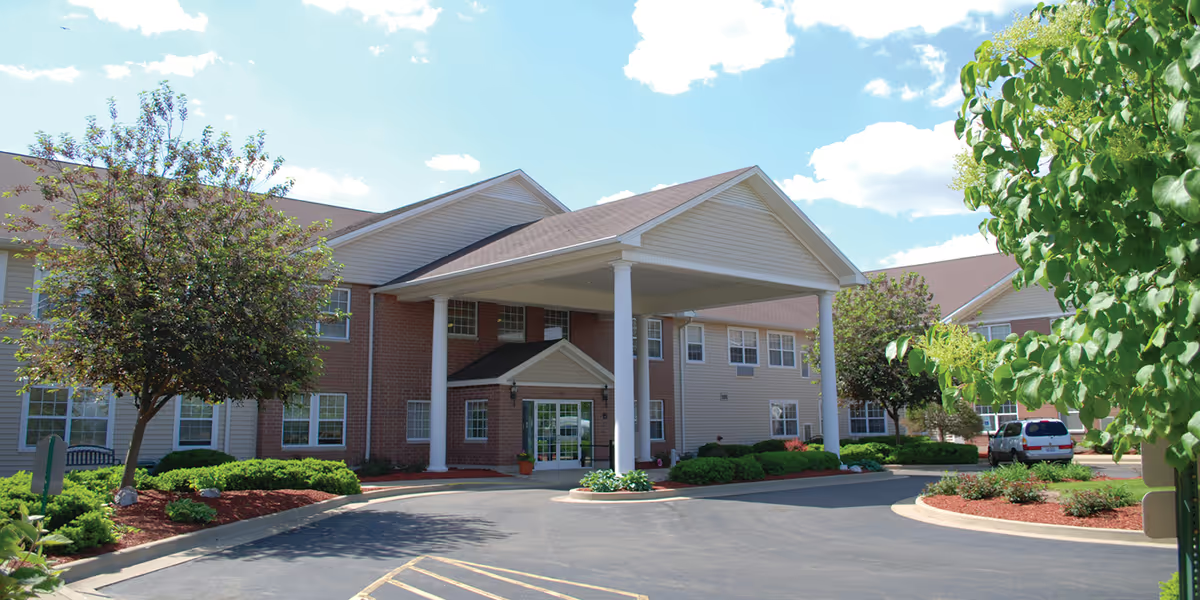
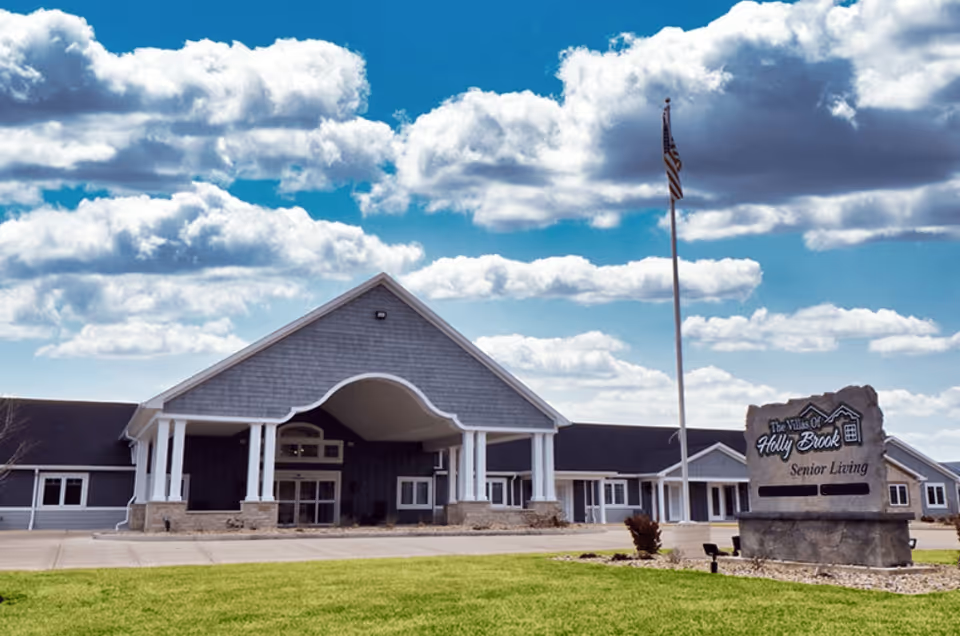
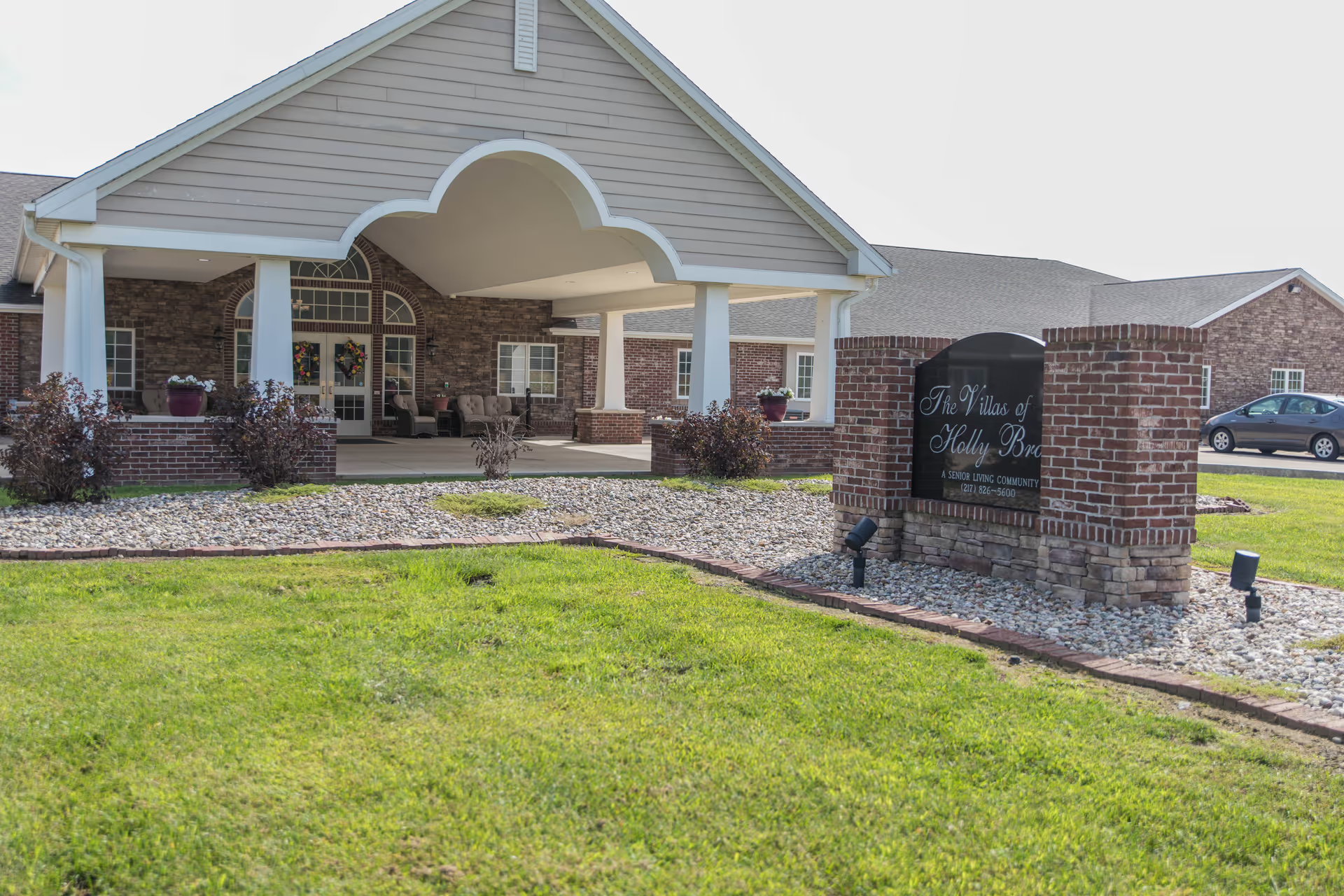
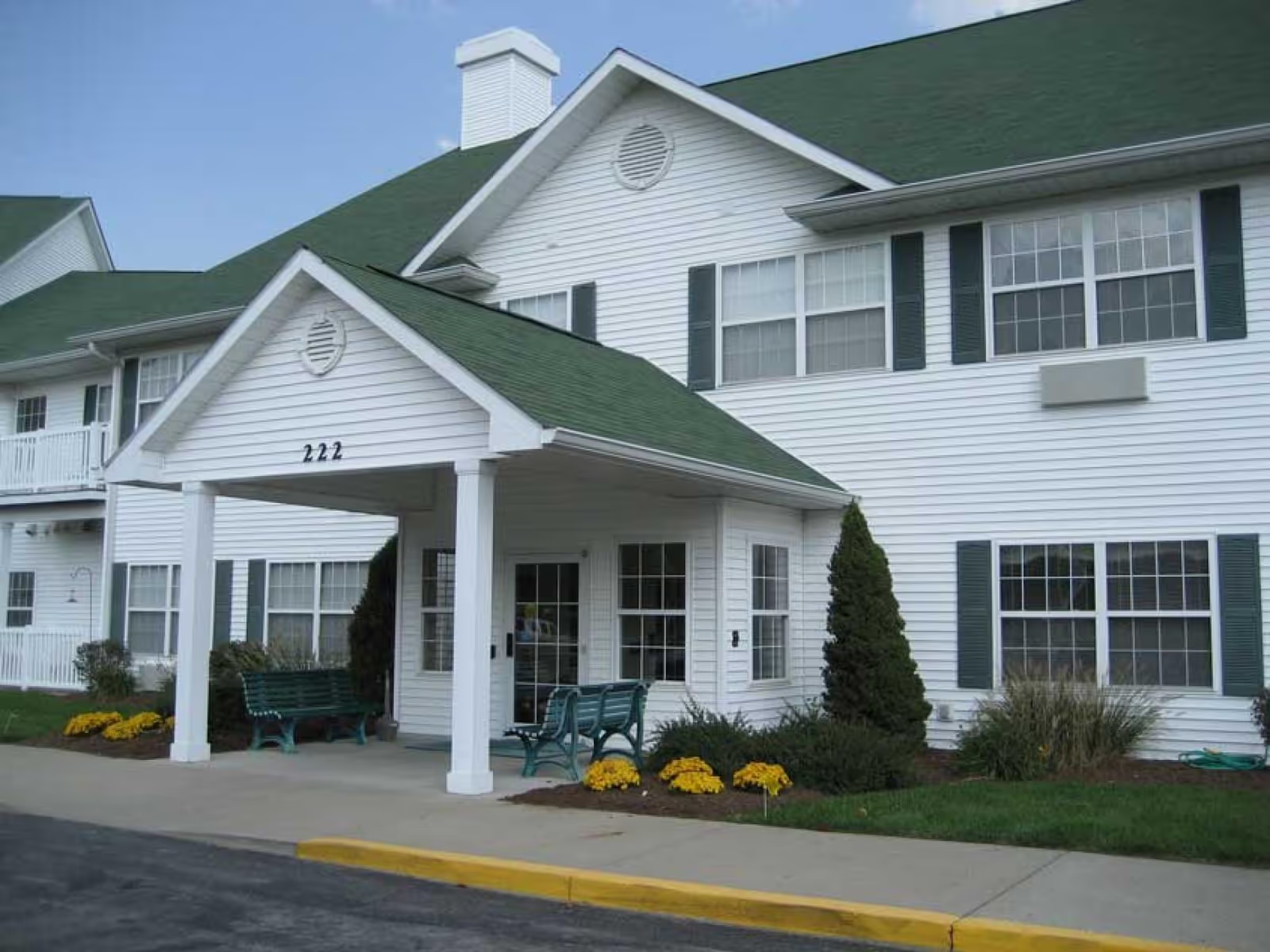
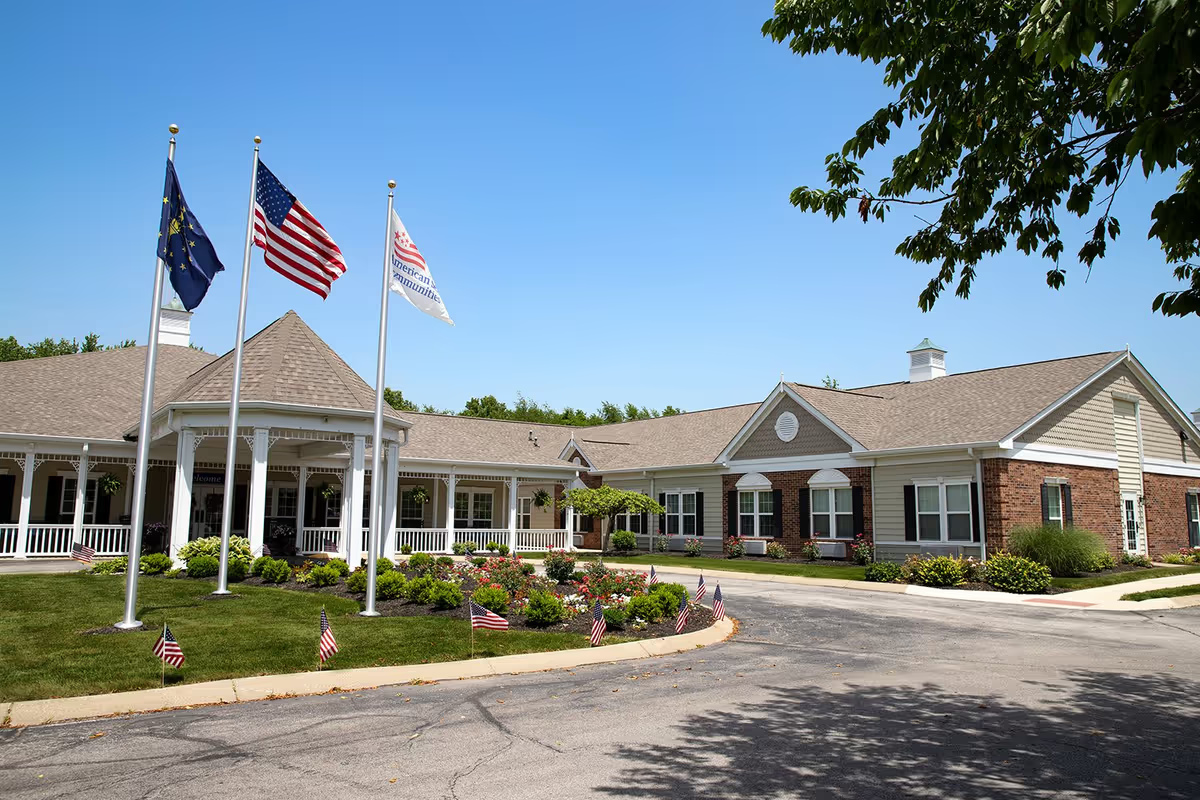
Pleasant Meadows Senior Living elicits strongly mixed impressions. Many reviewers highlight the staff as the facility’s principal strength: caregivers are described as compassionate, attentive, and family-oriented, with long-tenured team members who engage residents in a broad calendar of activities. The facility offers a varied activity program (arts and crafts, bingo, worship services, movie nights, spa and salon amenities) and several accounts emphasize a homelike atmosphere and attractive grounds. Several families also praised on-site rehabilitation services and therapy staff who helped residents meet discharge goals.
At the same time, reviews indicate recurring operational weaknesses that prospective families should weigh. Cleanliness and housekeeping standards appear inconsistent across units and timeframes; some accounts praise clean common areas while others cite dust, mold, pest-control concerns, and leaky windows in resident rooms. Food service was another area of divergence — reviewers alternately described satisfactory, timely meals and meals of inconsistent quality that raised concerns about adequate nutrition for some residents.
Clinical care and safety-related concerns appear in multiple reviews and tend to cluster around process and continuity issues rather than uniform practice. Specific operational patterns described include gaps in catheter and wound-care follow-up, inconsistencies in medication/consent documentation, transfer-safety and fall-prevention weaknesses, and lapses in equipment maintenance. Several families reported delays or barriers in referral and intake processing as well as uneven rehabilitation continuity between stays. There are also reports suggesting inconsistent infection-control practices during periods of heightened risk.
Management and communication received mixed feedback. Some reviewers commended proactive administrators and clear communication; others experienced lengthy paperwork timelines, perceived reluctance around certain referrals, and unresponsive family communication when clinical events occurred. A subset of accounts raised serious concerns about property security and financial handling; these were described as allegations and would merit direct follow-up with the provider or regulators for verification.
Overall, Pleasant Meadows appears to offer strong interpersonal care and an active, homey environment when staffing and operational controls align. However, variability in housekeeping, dining, clinical-process rigor, and administrative responsiveness suggest that families should conduct targeted questions and on-site observations before placement. Recommended pre-admission checks include inspecting resident rooms for maintenance and sanitation, reviewing recent inspection or survey findings, clarifying nursing and therapy staffing levels and handoff practices, and obtaining written policies on medication consent, catheter/wound care, infection control, and family communication during clinical incidents.