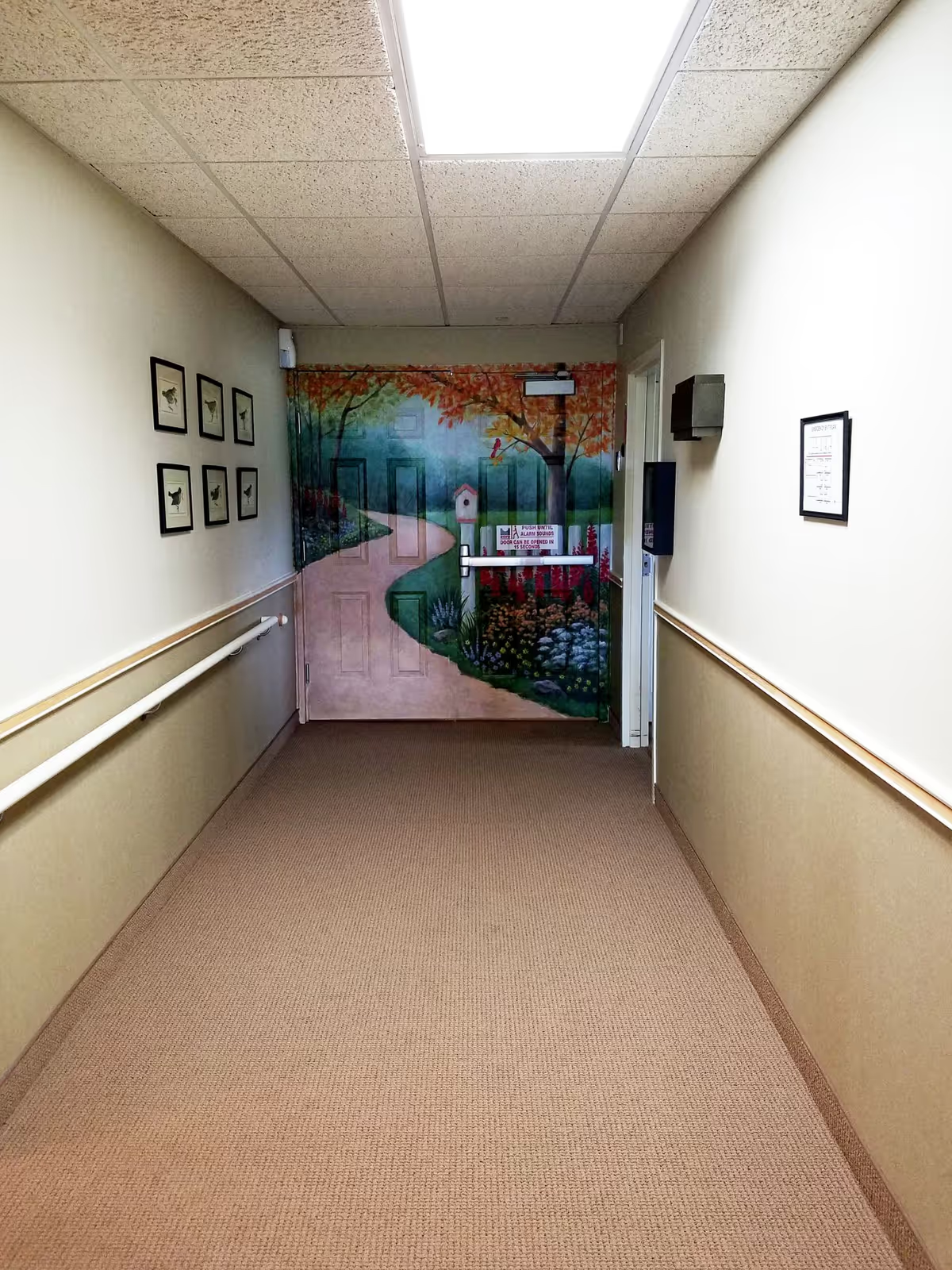
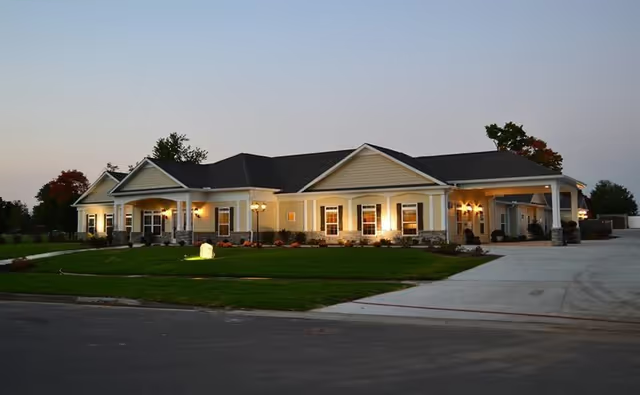
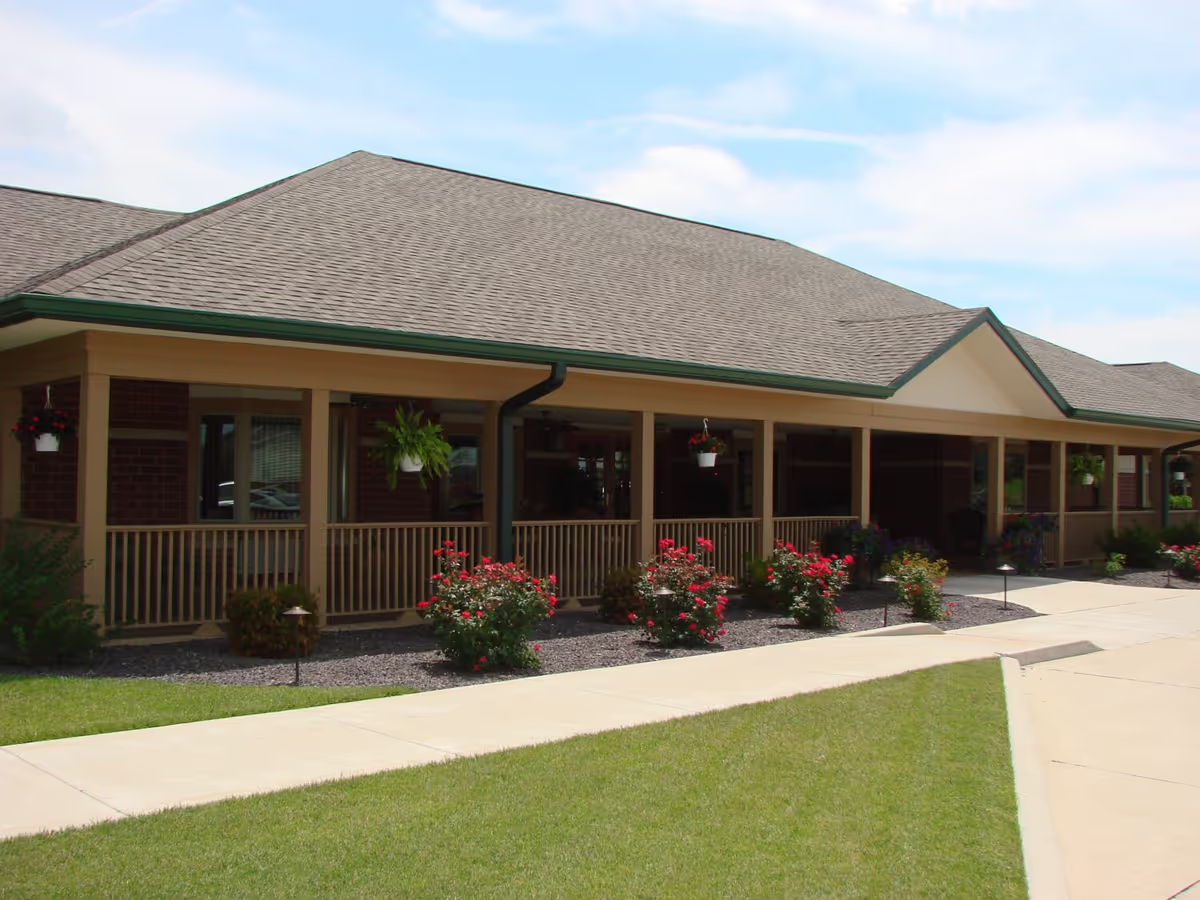
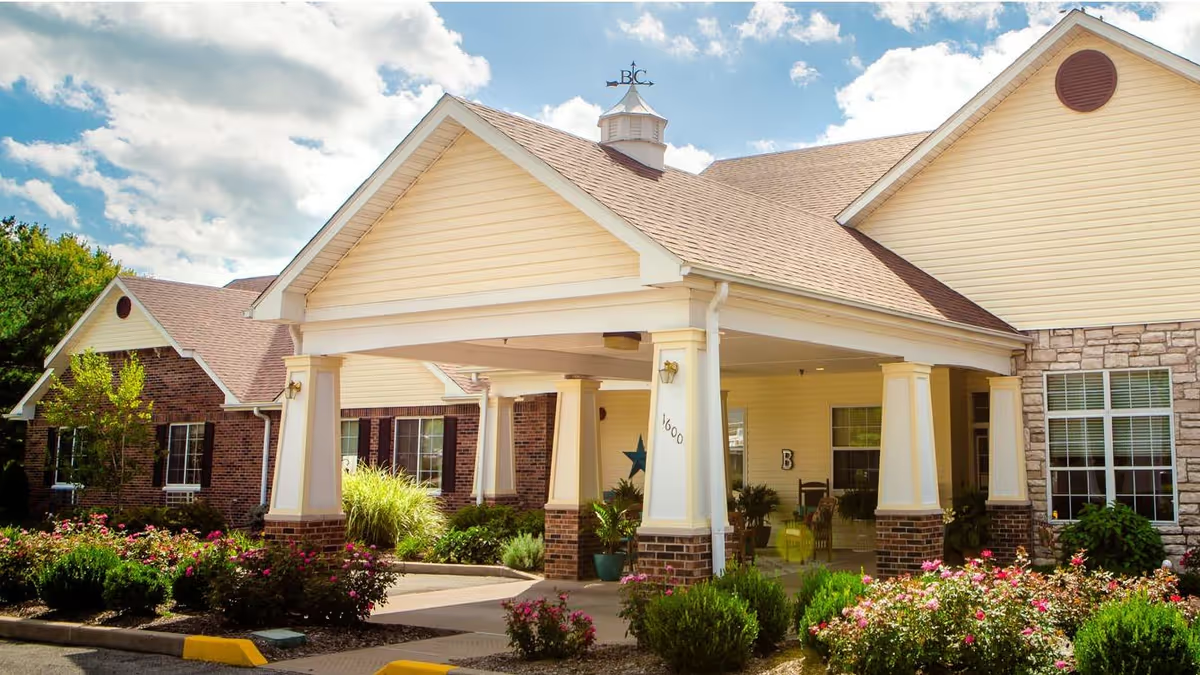
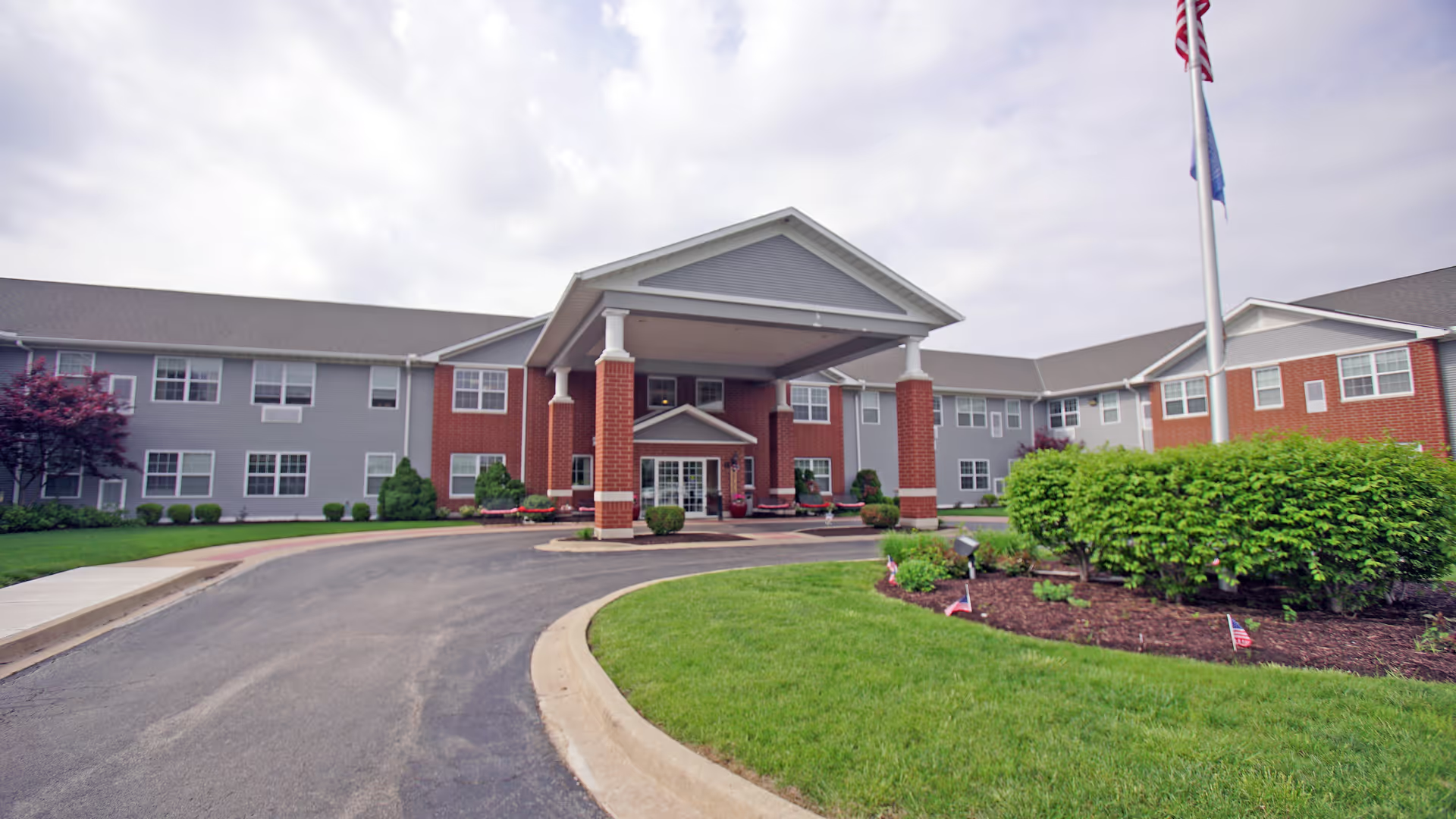
Reviews present a mixed picture that combines notable strengths with several operational concerns. Positive comments emphasize individual caregivers who are described as compassionate and professional, a generally clean and well-maintained environment, and inviting common spaces such as a day room with a bird aviary that support family visits and social interaction. Those features contribute to a home-like atmosphere that some families find comforting.
At the same time, a cluster of clinically significant concerns appears in the feedback. The most prominent relates to oxygen therapy and respiratory care: accounts indicate interruptions to oxygen provision during mobility and toileting, missing portable oxygen sources, and transfers to higher-level care without documented oxygen continuity. These patterns suggest gaps in respiratory protocols, equipment management, and transfer handoffs that could increase the risk of oxygen interruption and hypoxemia for residents who require supplemental oxygen.
Staffing and conduct assessments are uneven. Several reviewers praise individual nurses for professionalism and selfless service, while others report episodes of disrespectful communication and perceived lapses in bedside care. This inconsistency points to variable staff competency and the need for more consistent training, supervision, and standardization of resident-dignity practices across shifts.
Dining emerged as another area of variability: some comments describe poor meal quality or dissatisfaction with food service. While cleanliness and overall facility upkeep are noted as positive, the dining experience appears inconsistent and may affect resident satisfaction and family perceptions.
Activities and facility amenities are a clear strength; communal spaces that encourage conversation and visitation were highlighted as valuable. These areas support social engagement and family involvement and appear to be well cared for.
Taken together, the pattern in reviews indicates operational improvements that could materially affect resident safety and family trust. Priority areas include strengthening respiratory-care protocols (oxygen equipment inventory, toileting/transfer procedures, and hospital handoff processes), standardizing staff training on communication and dignity, and addressing inconsistencies in meal service. Enhanced management oversight and clearer family communication about clinical incidents and corrective actions would likely reduce concern and better align observed strengths with reliable, facility-wide performance.