The reviews for Hawthorne Inn present a mixed picture: many families and visitors praise frontline caregivers and therapy staff, while others describe operational and communication shortcomings that have affected care continuity. Strengths most consistently cited are the compassion and attentiveness of many nurses and aides, robust physical/occupational therapy, an active activities program, and generally well-kept common areas and housekeeping. Several reviewers specifically commended supportive administrative staff and described respectful, compassionate end-of-life care.
At the same time, there are recurring operational concerns that prospective families should weigh. Care quality appears inconsistent across shifts and stays: reviewers described variability in clinical responsiveness, wound-care coordination, and follow-through on care plans. Night and weekend staffing levels were often described as lower, with slower call-response times and variable attention to resident needs. Several accounts raised concern about how payer coverage and insurance determinations influence admission, transfer, and readmission decisions, resulting in transfers back to acute care and family frustration around continuity of care.
Communication and management issues are another recurring theme. Families reported gaps in information-sharing during transitions from hospital to facility and back, mixed messaging about clinical devices and wound care, and instances where staff tone or conduct toward family members was perceived as poor. There are also concerns about billing and price transparency: some reviewers cited abrupt price increases, unclear out-of-pocket expectations, and limited clarity around insurance limits. Dining and dietary accommodation were described as inconsistent in some cases, including difficulty getting specified low-sodium meals honored.
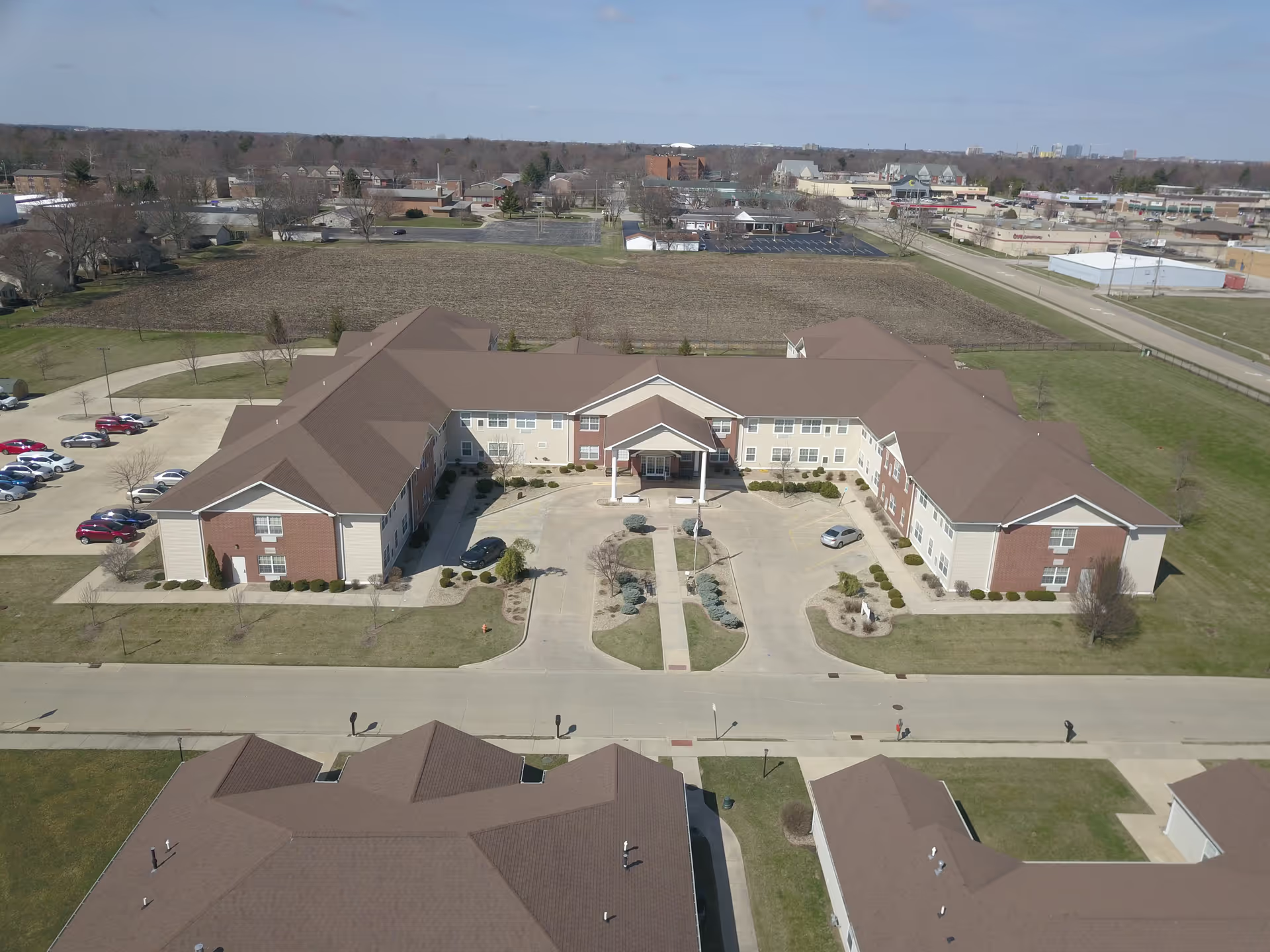
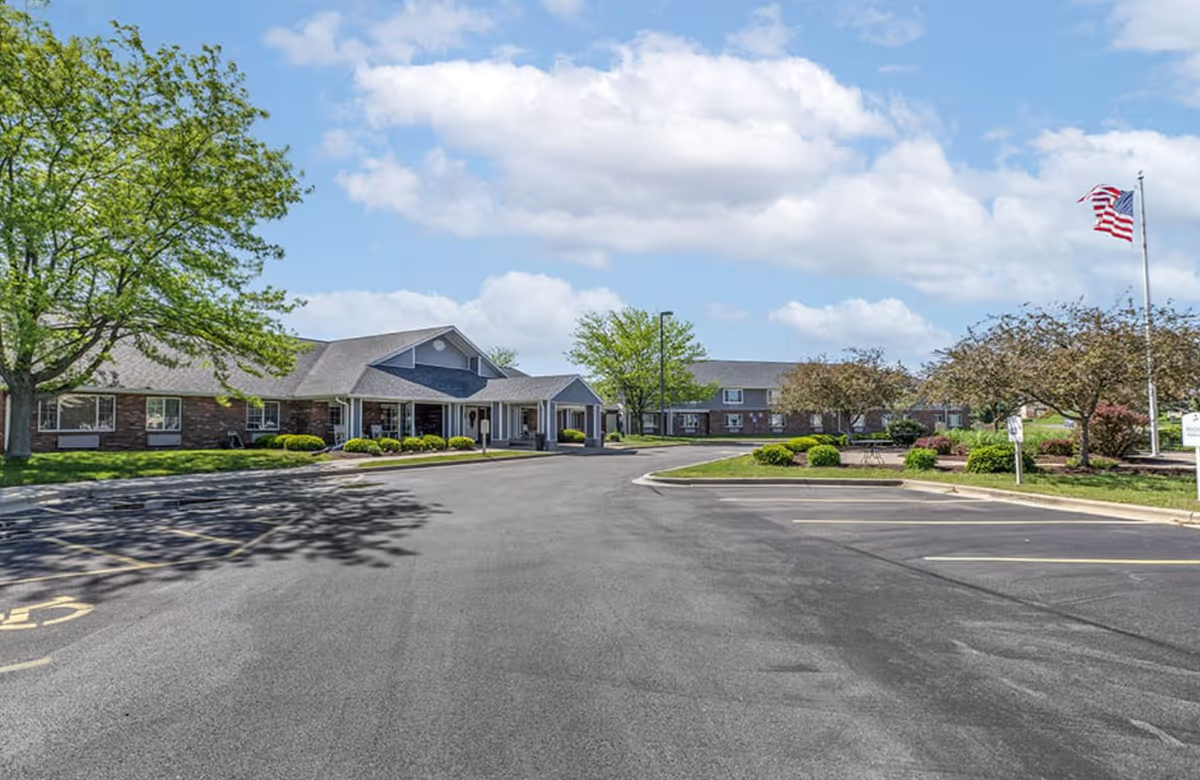
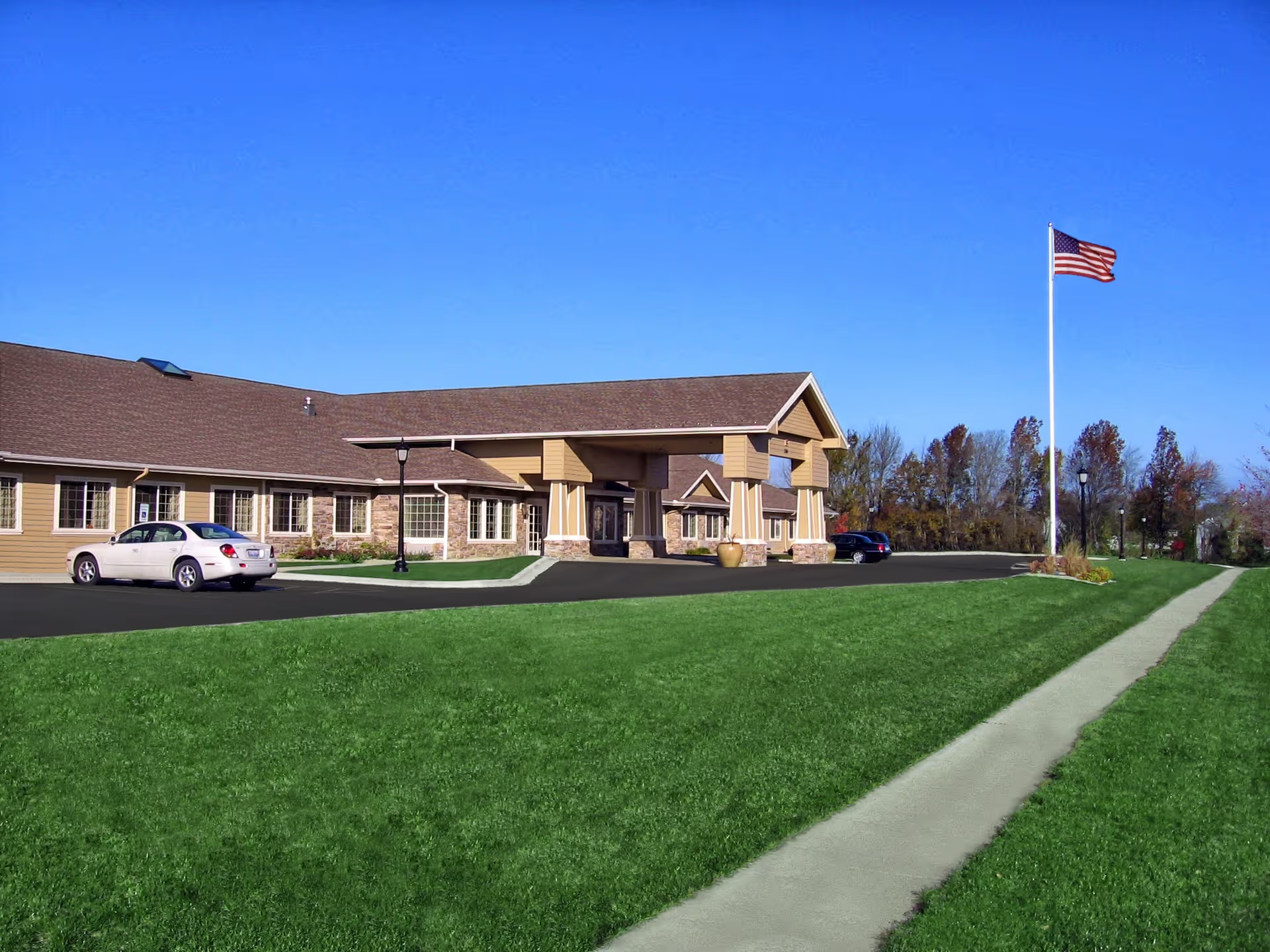
Facility condition and systems-level practices show variability. Many reviewers praised clean, welcoming common areas and effective housekeeping, yet others described older, run-down resident rooms, shared televisions, and inconsistent room-level maintenance. Infection-control and quarantine management were mentioned in contexts of episodic restrictions and inconsistently communicated protocols.
Taken together, these patterns suggest Hawthorne Inn has genuine strengths in caregiving and therapy services but may experience operational weaknesses around staffing consistency, communication, and administrative transparency. For prospective residents and their families: observe multiple shifts (including a weekend and an evening), ask for written policies on admission/readmission and payer/insurance limits, clarify pricing and notice of increases, request examples of dietary accommodations, and inquire about staffing ratios and call-response metrics. Reviewing recent clinical incident logs or facility inspection summaries, if available, may also help assess whether the operational concerns reflected in reviews have been addressed.