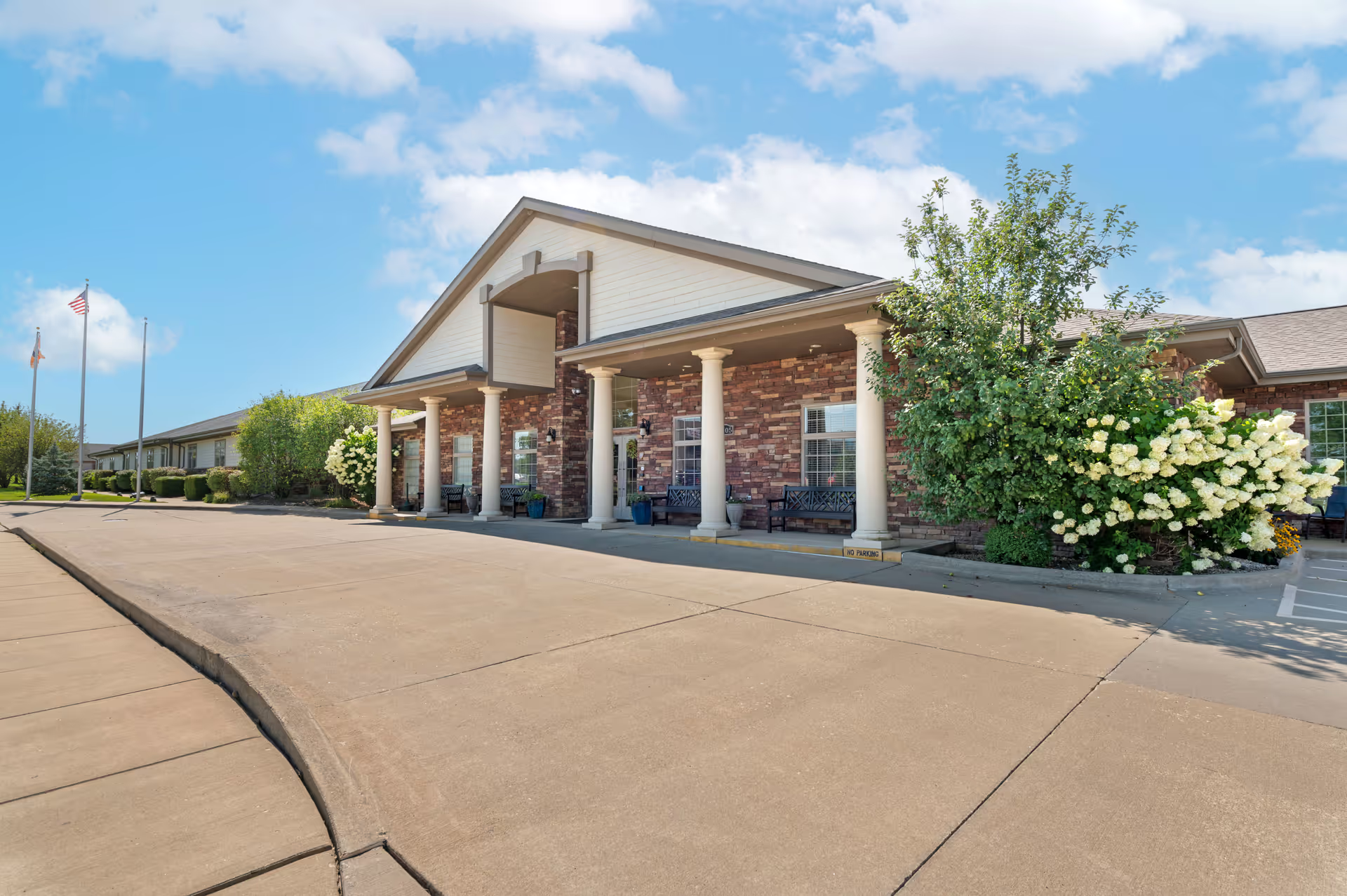
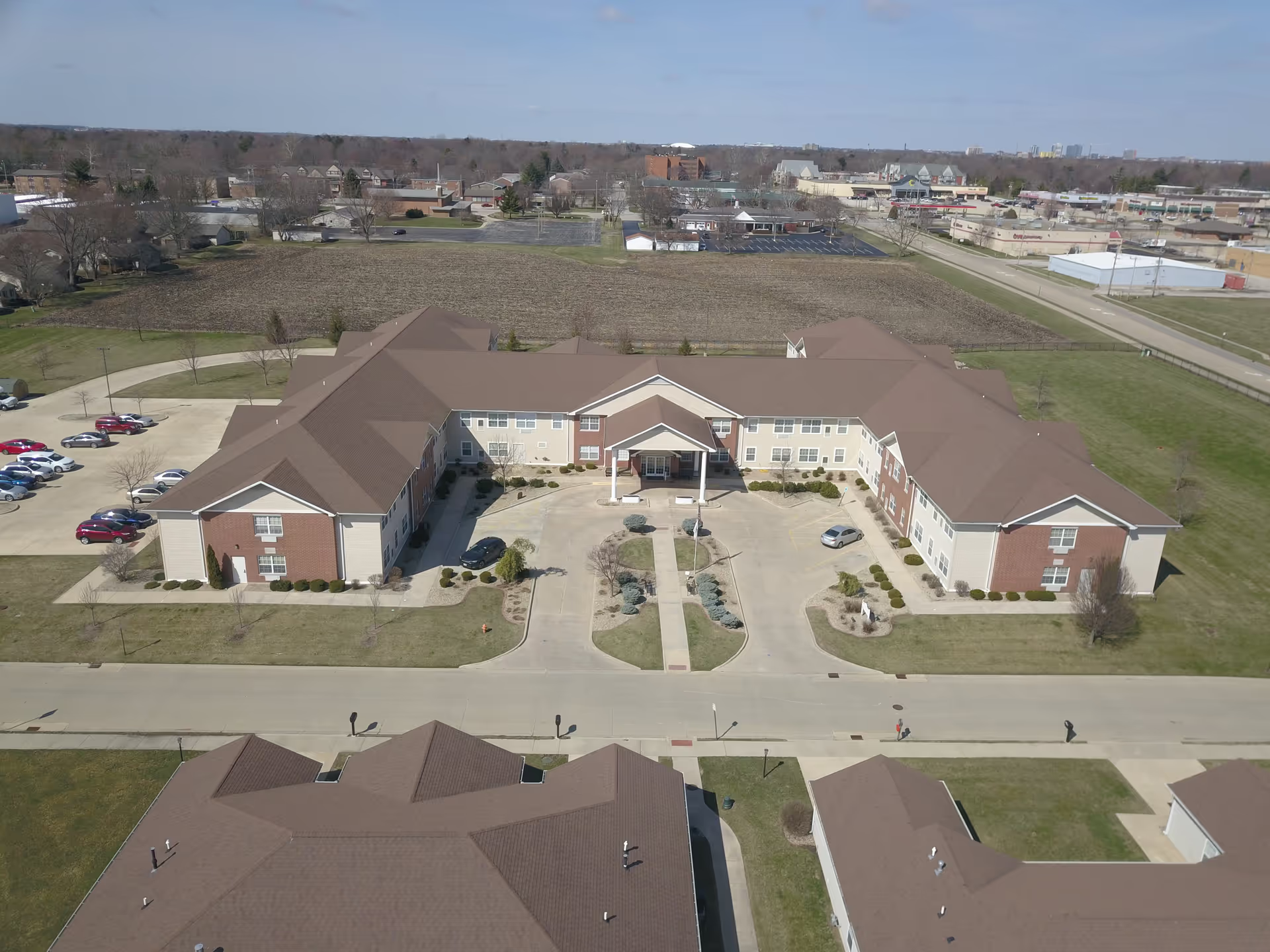
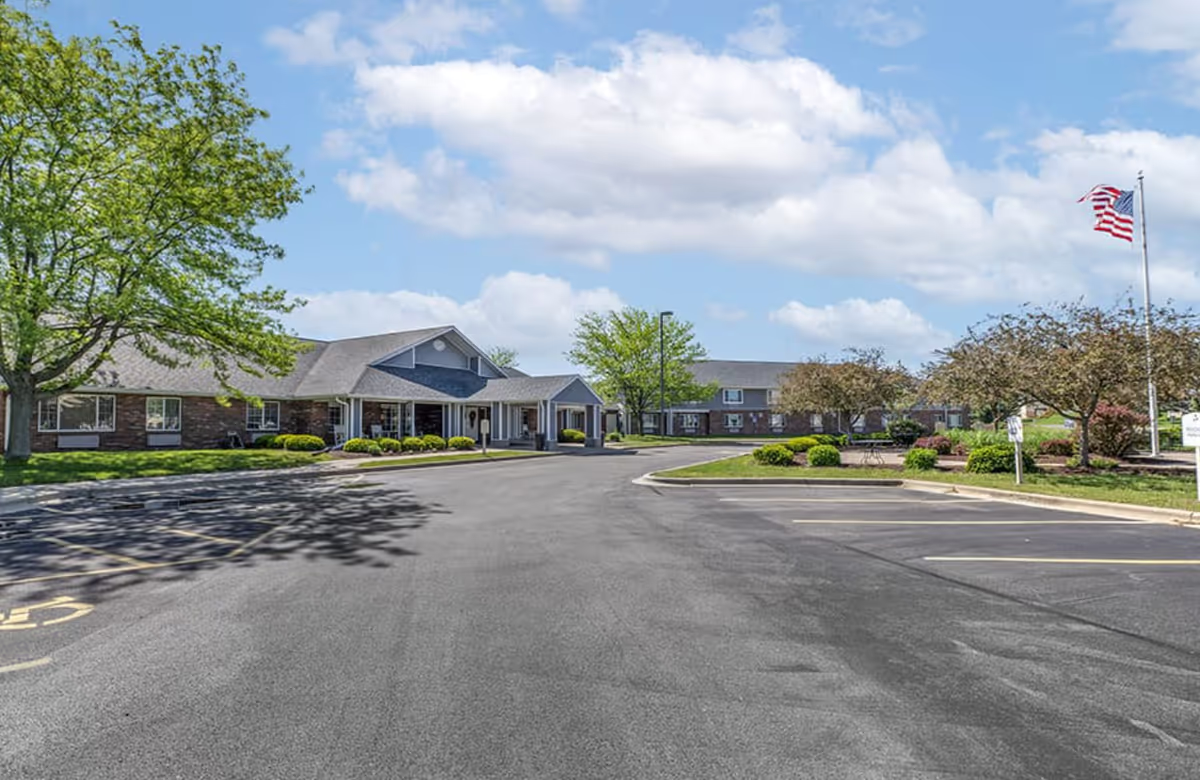
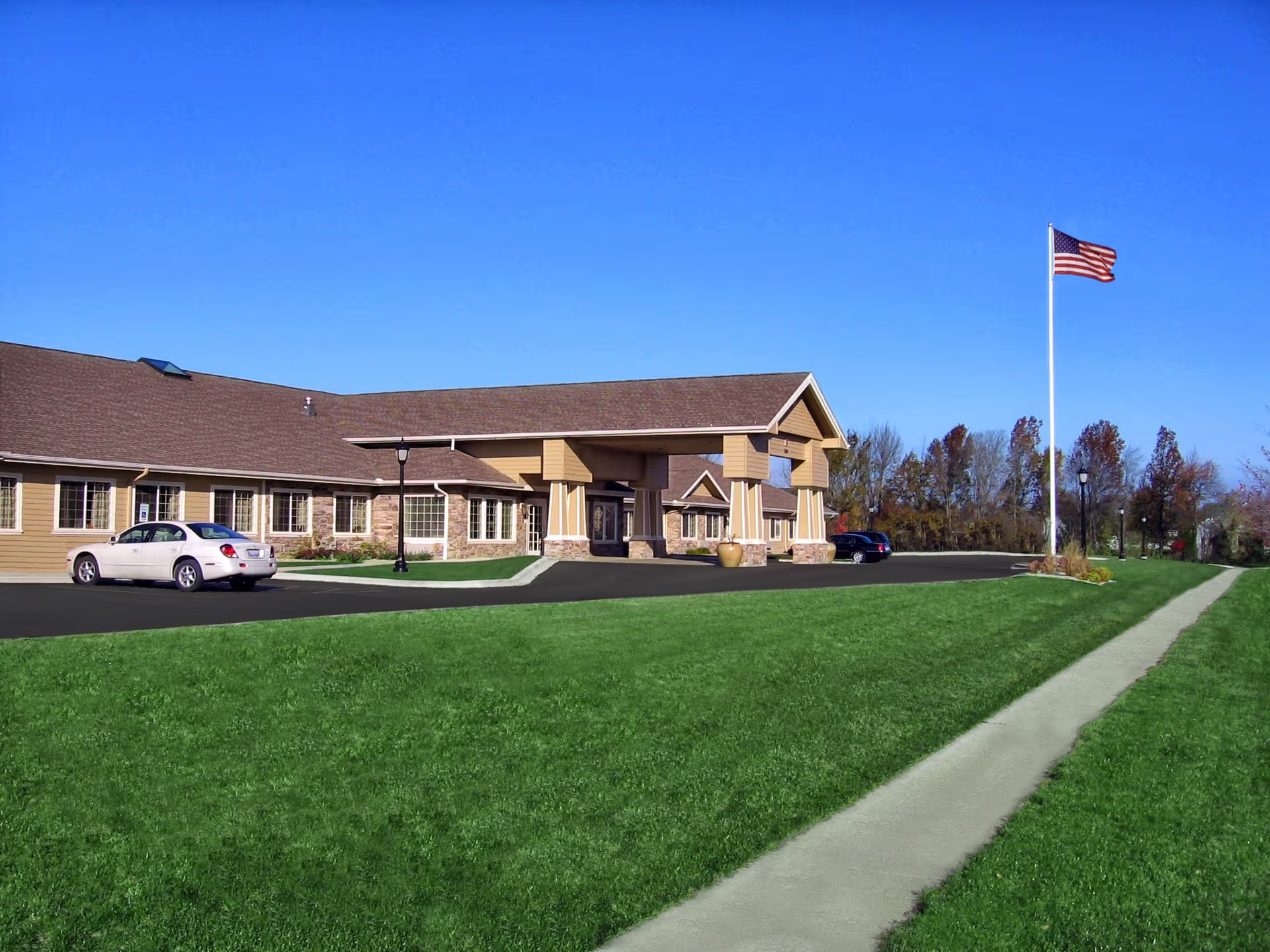
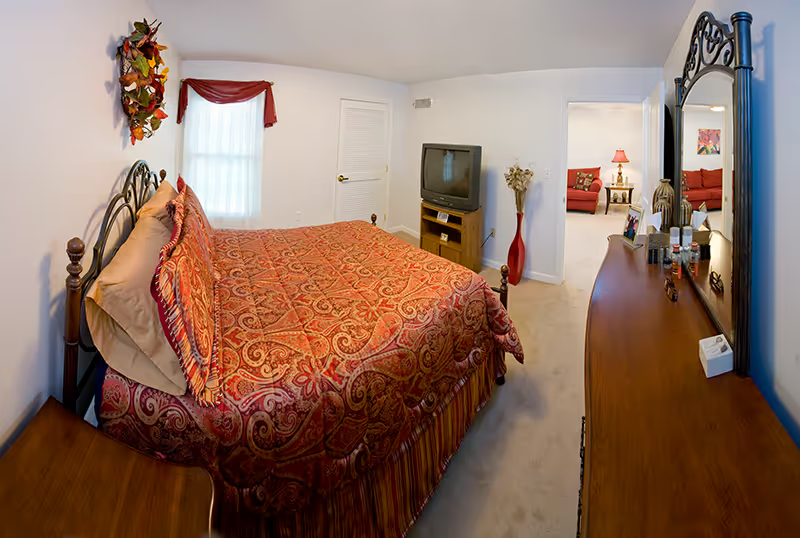
Eagle's View elicits strongly mixed impressions. A sizable number of commenters emphasize a warm, family-like culture: staff are frequently described as compassionate, personable, and willing to go beyond baseline responsibilities. Many residents appear socially engaged and report benefit from a well-stocked activities calendar (arts and crafts, music groups, worship visits, shopping trips), a sense of community among residents, and leadership that can coordinate admissions and equipment needs effectively. Several comments highlight recent upgrades to common spaces and the availability of newer one-bedroom accommodations, laundry services, and flexible, home-style dining options that can be customized to resident preferences.
At the same time, recurring operational concerns emerge. Staffing instability and workload pressures are a common theme, with accounts of both conscientious long-tenured employees and periods of inadequate coverage. These staffing issues correlate with several care-process weaknesses: inconsistent personal-care and bathing schedules, variability in staff conduct and responsiveness, and gaps in medication-management controls. In addition, reviewers raise cleanliness and sanitation issues in certain areas and note pest-control concerns; these contribute to mixed impressions of environmental upkeep despite modernized common spaces in parts of the facility.
Dining and nutrition present another area of contrast. Many residents and families praise the food as home-style, varied, and customizable, with specific positive mentions of special meals and attentive dietary staff. Conversely, others describe inconsistent meal temperatures, occasional service shortcuts, and insufficient monitoring of weight changes for some residents, suggesting variability in day-to-day meal service execution.
Memory-care and safety-related matters warrant careful consideration. Several accounts describe limited programming and supervision within the memory-care unit, along with concerns about resident oversight and safety infrastructure (for example, absent call systems in certain areas). Communication and visitation policies during lockdown events were also criticized for being restrictive and inadequately supported by remote-visiting alternatives. Lastly, there are comments about limited provision of assistive devices (hearing aids, similar supports) that can affect quality of life for residents with sensory impairments.
In summary, Eagle's View appears to offer a nurturing social environment, robust activities for many residents, and committed staff members who often provide excellent interpersonal care. However, prospective residents and families should weigh these strengths against documented operational inconsistencies—particularly in staffing stability, medication and personal-care processes, cleanliness in some areas, memory-care programming and supervision, and certain safety and assistive-device gaps. A focused tour with targeted questions about staffing ratios, medication protocols, memory-care activities, infection-control/pest-control practices, and availability of assistive devices would help families assess whether the facility's strengths align with their loved one's clinical and social needs.