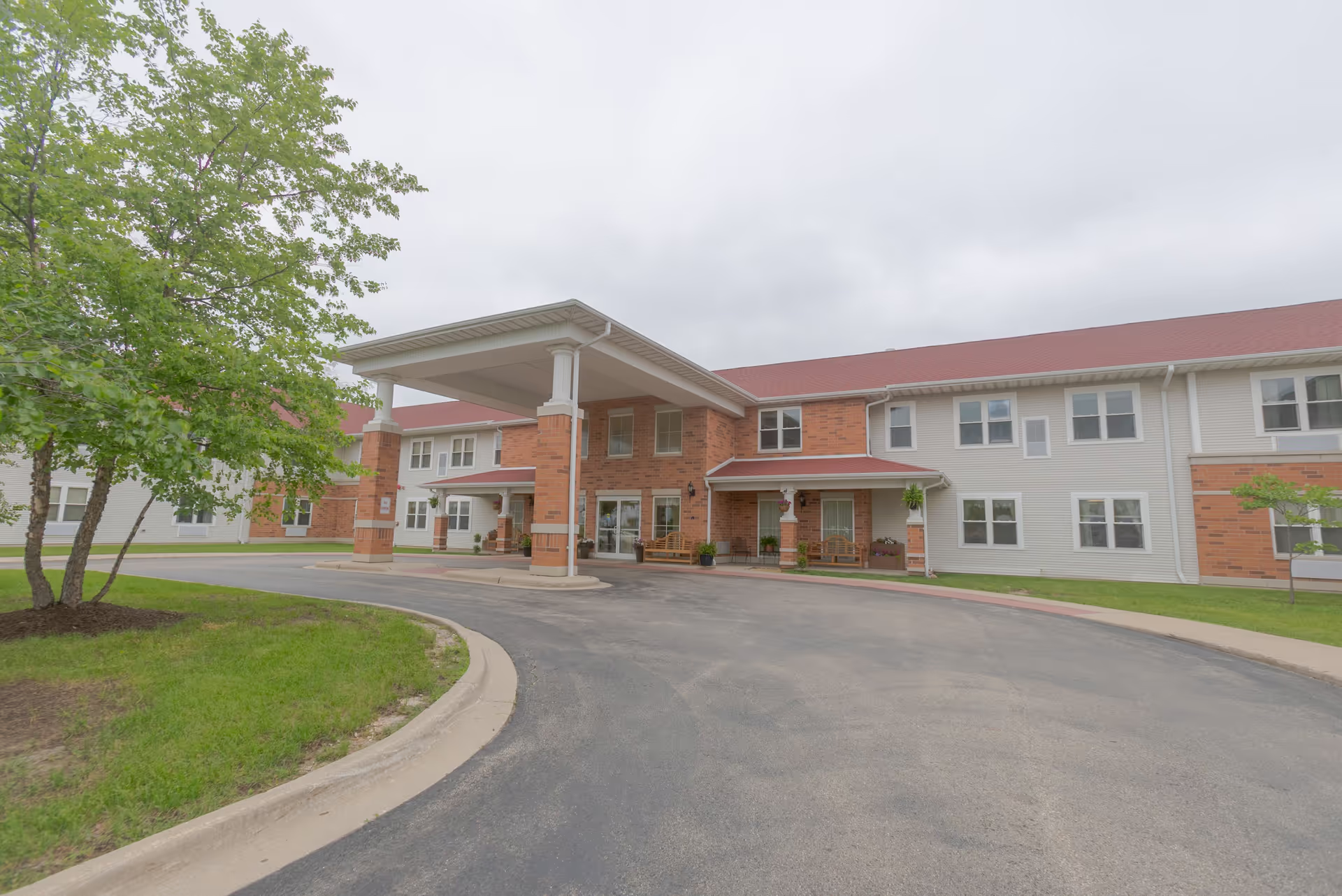
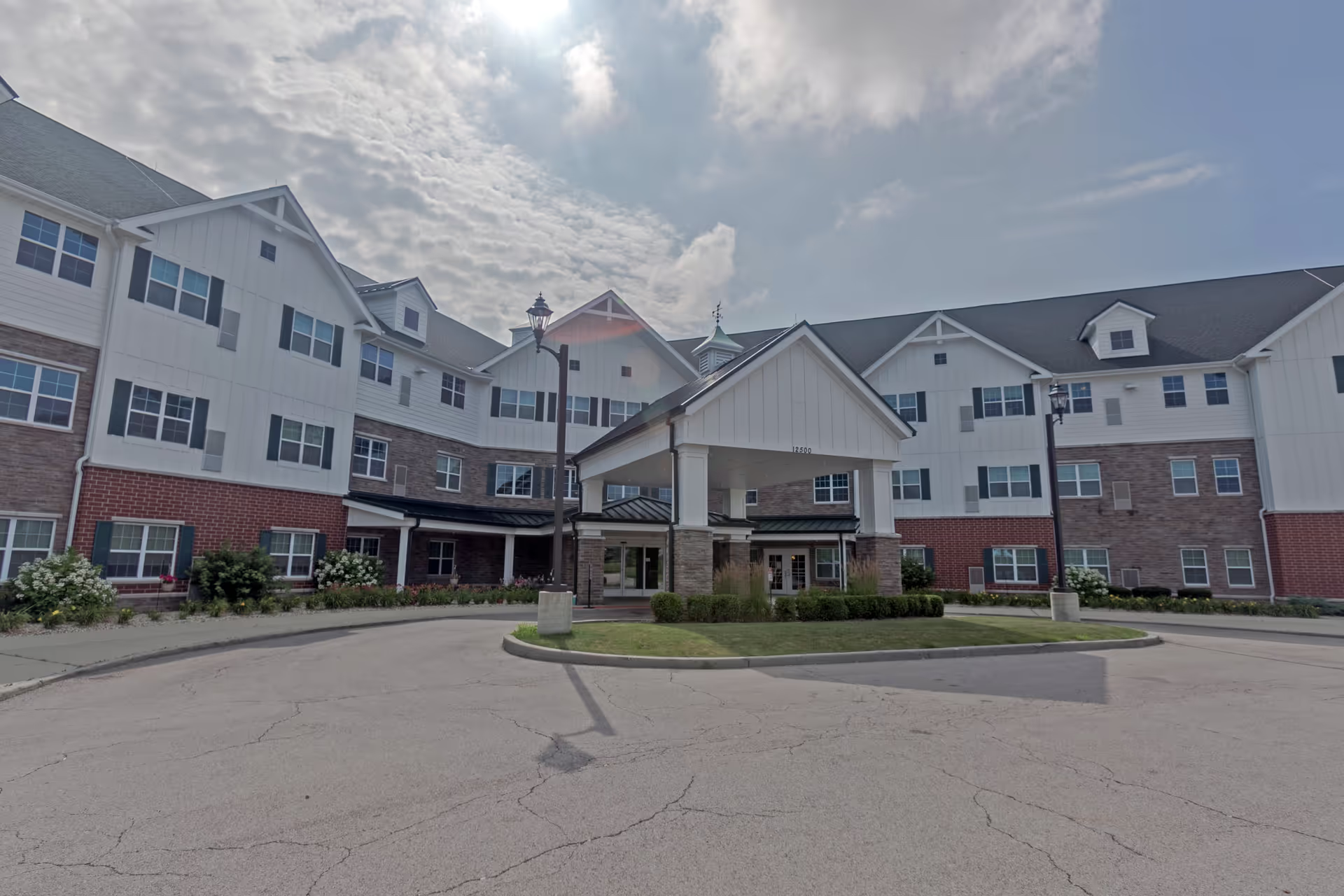
The collective reviews present a highly mixed picture of Bethany Rehabilitation & Health Care Center. Many families and residents praise hands-on caregivers, the rehabilitation team, and social services for individualized attention, while other accounts describe operational shortcomings that affected safety, comfort, and communication. This dichotomy suggests pockets of strong clinical and rehabilitative practice coexisting with systemic process and oversight weaknesses.
Care and clinical management: Reviewers repeatedly identify skilled physical and occupational therapy staff and several nurses and CNAs who provide compassionate, attentive care and effective communication. At the same time, multiple accounts indicate medication-management problems (missed or delayed doses, discharge medications not provided, and lapses in antibiotic or line care) and clinical-safety concerns (delayed transfers, inconsistent device and dressing care). These items point to weaknesses in medication administration controls and clinical oversight rather than isolated preference issues. Families with complex clinical needs should confirm protocols for medication timing, PICC/line care, and escalation procedures prior to admission.
Staff and management: Positive comments describe caregivers who advocate for residents and a social work team that supports family communication. Specific staff members were singled out for exemplary work, and some reviewers observed improved morale and training after ownership or managerial changes. Conversely, recurring themes include understaffing, long delays responding to call lights, inconsistent nursing supervision, and examples of unprofessional conduct that families felt undermined trust. Several reviewers described supply shortages and operational decisions that contributed to staff stress and inconsistent service delivery.
Dining and activities: The facility’s activities and rehabilitation programs receive consistent praise for engagement and measurable quality-of-life benefits. In contrast, dining receives mixed reviews: criticisms focus on limited menu variety, lack of individualized dietary accommodations (notably for residents with diabetes or other dietary restrictions), high-sodium/high-calorie options, and occasional food-safety concerns. Prospective residents should verify dietician involvement and menu modification processes for clinical diets.
Facilities, cleanliness, and supplies: Reports are divided. Some families describe clean, renovated areas, prompt housekeeping, and comfortable common spaces; others raise sanitation concerns, odor issues in corridors, inconsistent linen and room maintenance, and supply shortages (protective garments, towels, or basic toiletry materials). These differences suggest variability in unit-level housekeeping performance and supply-chain reliability.
Notable patterns and guidance for families: The dominant pattern is variability — strong pockets of clinical and rehabilitative care alongside recurring operational and oversight gaps. Critical areas to evaluate in person or by direct questions include staffing levels and shift coverage, medication administration safeguards, incontinence-care protocols, infection-control procedures, dietary accommodations, and discharge planning practices. Ask about recent ownership or management changes, staff training initiatives, and how the facility tracks and resolves family concerns. For residents with high-acuity needs, confirming clinical escalation pathways and supplies on hand is advisable. Overall, Bethany may deliver high-quality rehabilitation and compassionate frontline caregiving in many cases, but families should actively confirm operational controls and unit-specific practices before placement.