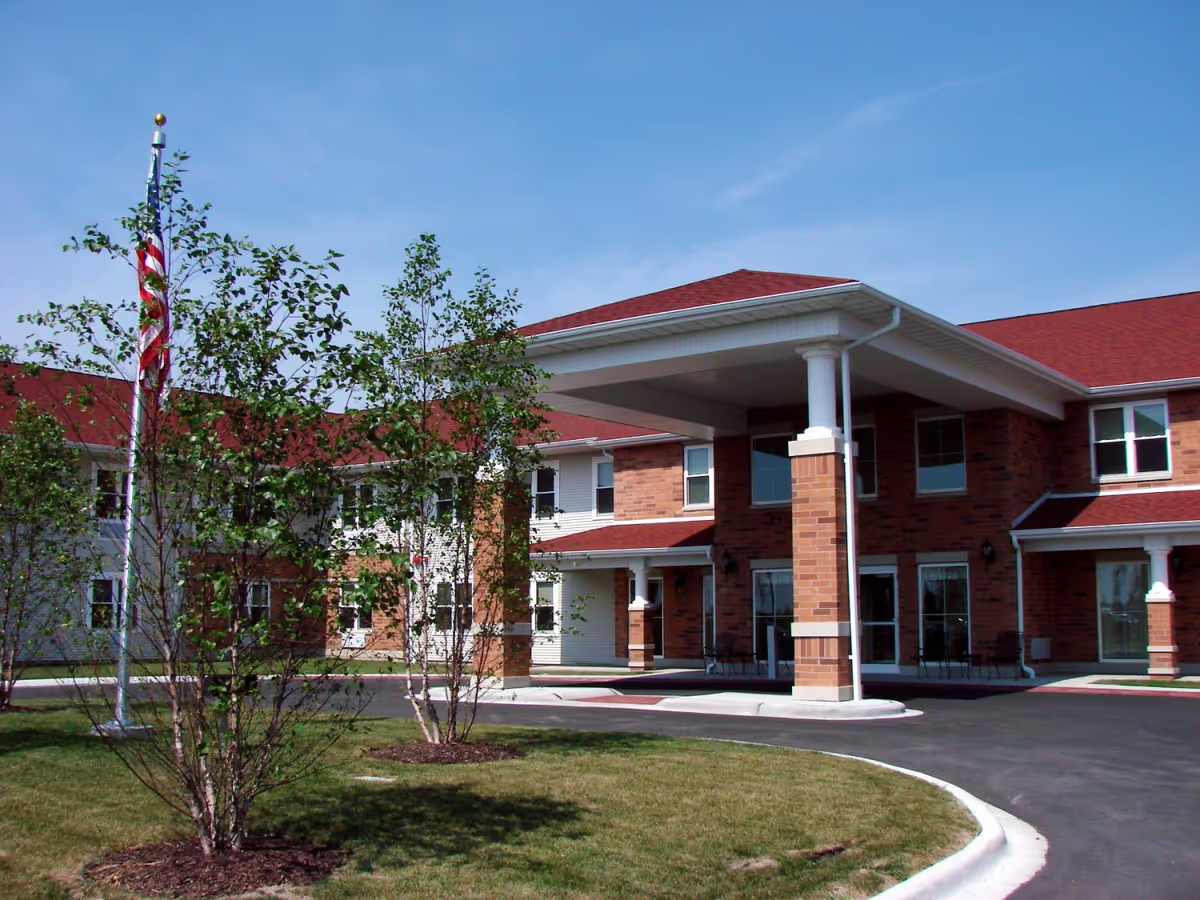
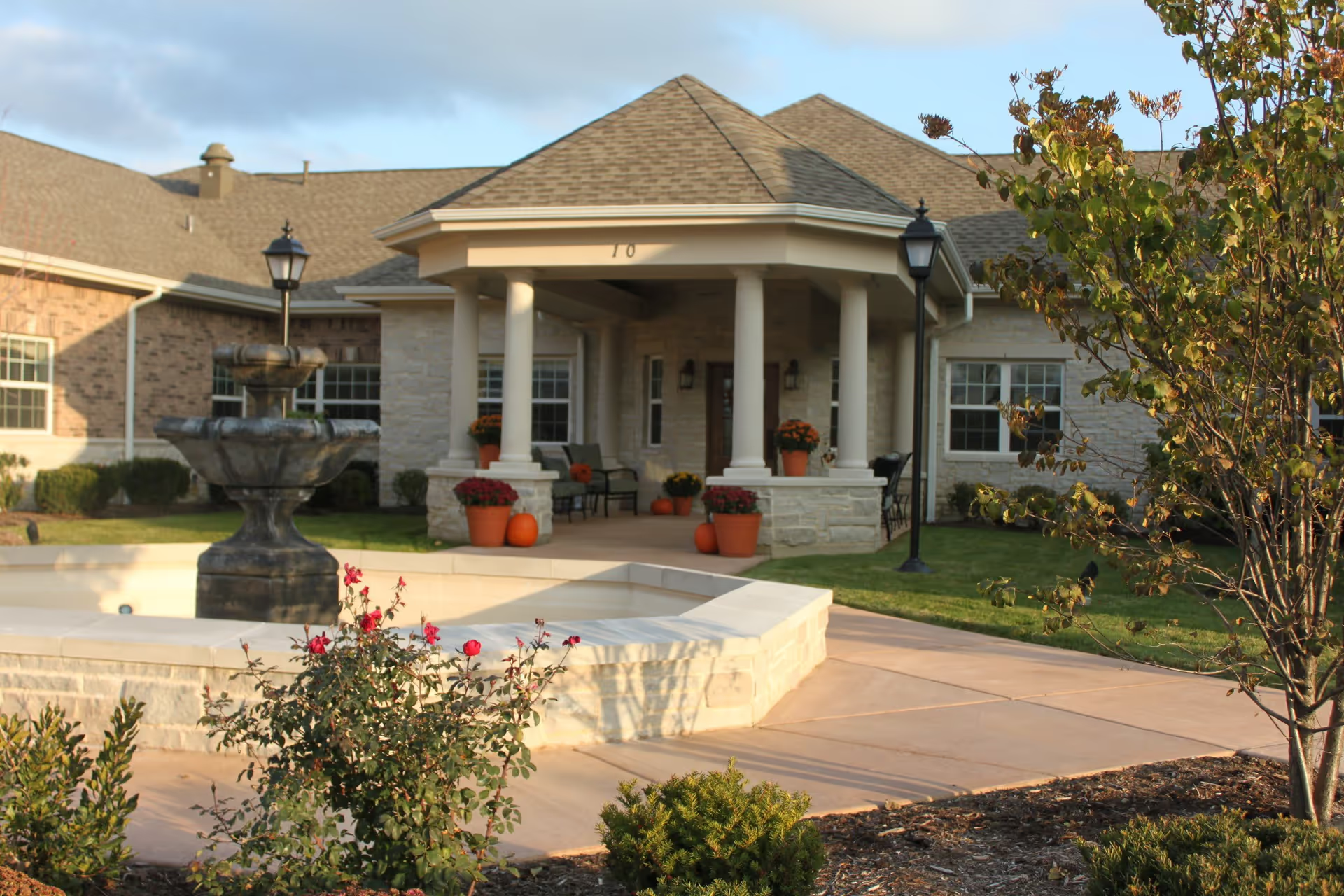
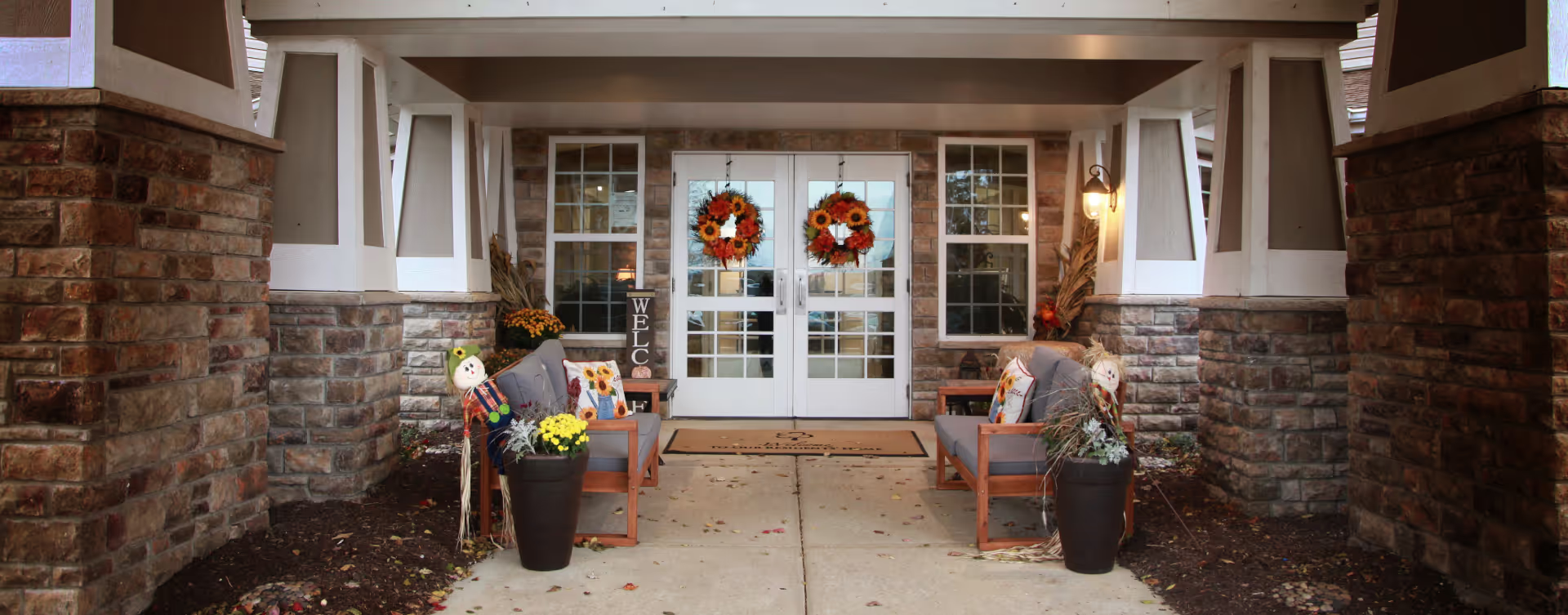
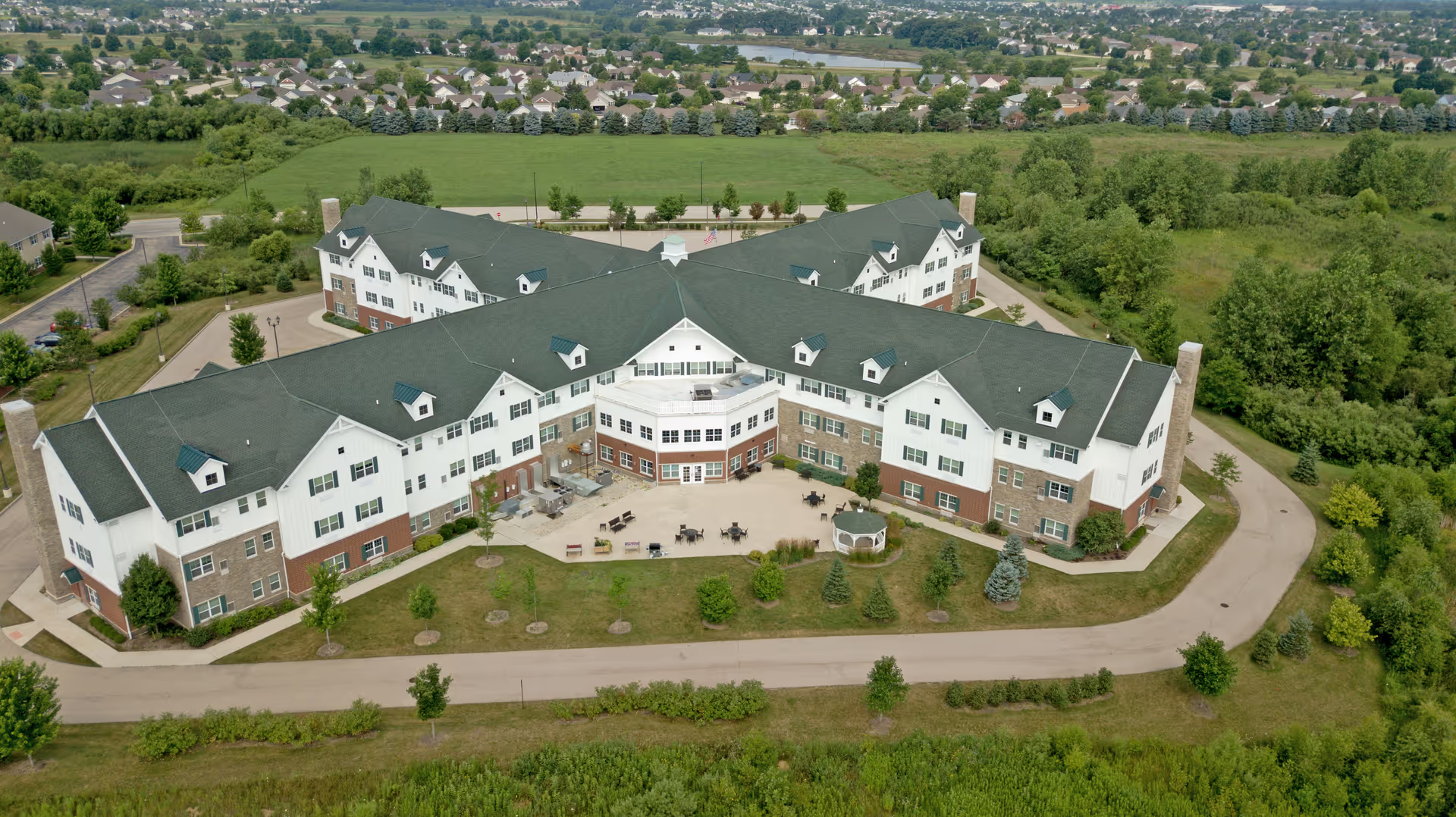
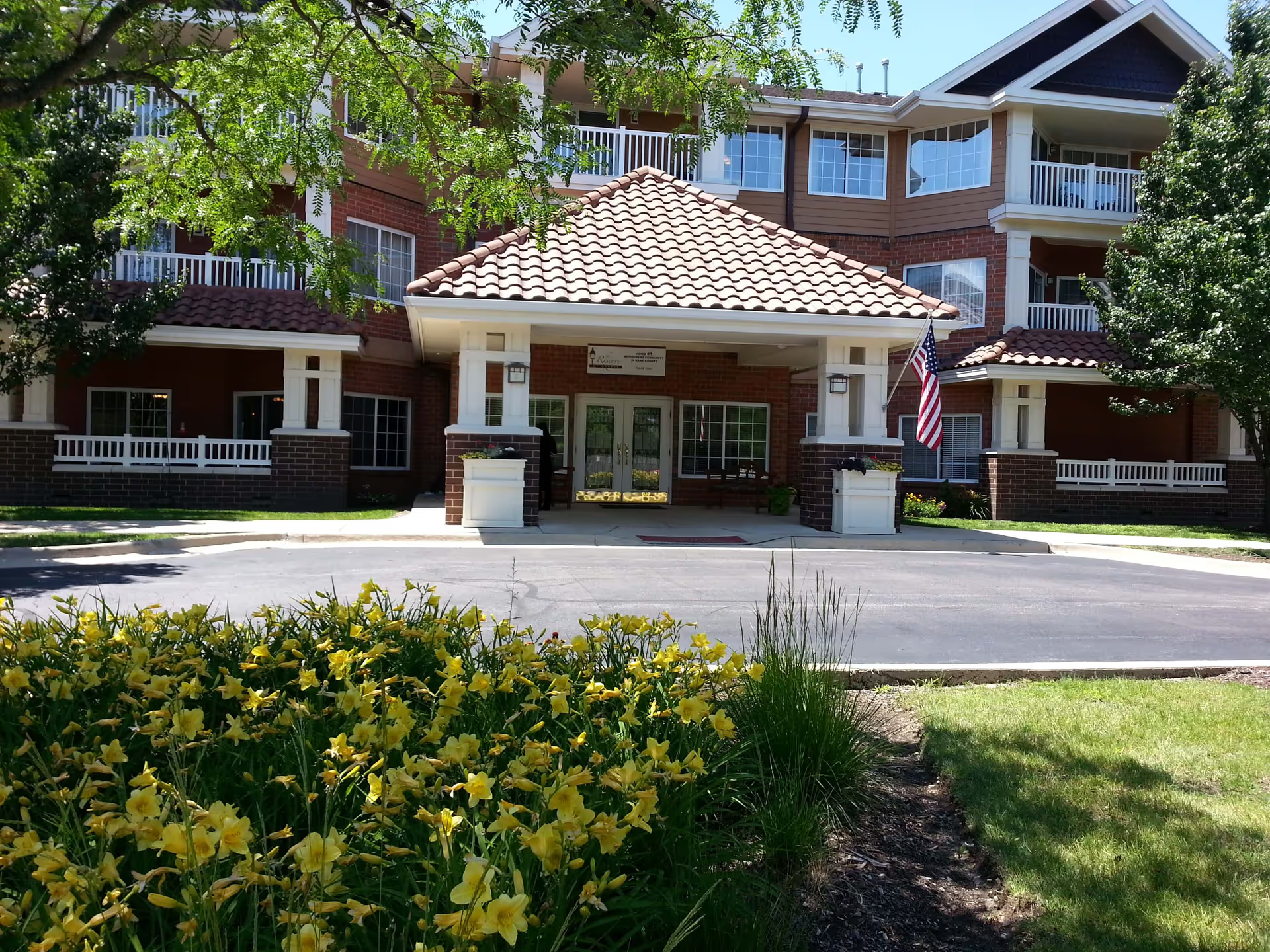
Overall impression: Oak Crest presents as an upscale, well-maintained life‑care community with strong appeal for independent residents and families seeking a full campus of services. Review content emphasizes attractive grounds (pond, gazebo, gardens), a polished entrance and interior, and convenient proximity to shopping and walking areas. Many accounts characterize the campus as clean and comfortable, with amenities such as a therapy gym, indoor pool, bistro/cafe, and frequent social programming that support an active lifestyle and long-term residency.
Care and staff: Care-related comments are generally positive about assistance and staffing presence; reviewers described attentive, constant staff presence in assisted areas and cited very good assistance. Staff are frequently described as friendly, kind, and caring, and the community appears to sustain long-term staff–resident relationships in many cases. At the same time, there is evidence of variability in the tone and depth of engagement: some residents experienced warm, embracing interactions, while others felt tolerated rather than fully welcomed. This pattern suggests uneven staff–resident engagement across shifts or units and may be worth exploring during a visit.
Dining: Dining at the main facility is viewed favorably for quality and variety, with many reviewers praising the meals and cafe offerings. However, a recurring theme is inconsistency in food service between the main dining room and the health/skilled‑nursing area—examples include smaller portions and different presentation in the health center—and frequent order inaccuracies. Reviewers also expressed dissatisfaction with the timing of the evening main meal. These points indicate operational gaps in culinary oversight and quality control that affect the resident dining experience, particularly for residents who receive care-level dining services.
Activities and social life: The activities program and social events are clear strengths. Reviewers cite an active calendar, holiday parties, shared coffee and cookies, and opportunities for social engagement among independent living residents. That said, some comments point to limited resident interaction in certain parts of the community, implying that social programming and resident integration may vary by building or care level.
Facilities and accommodations: Apartments and rooms are generally described as nice and adequate, with an overall upscale presentation. A few reviewers noted that some apartment arrangements are not ideal, suggesting layout or floor‑plan limitations that prospective residents should review in person. Security features such as buzzer alerts were mentioned positively.
Management and operations: Operational concerns center on dining management—order accuracy, kitchen supervision, and perceived leadership accountability—and on variability in how staff engage with residents. Additionally, the community is positioned at a premium price point with substantial upfront fees, which several reviewers highlighted as a significant consideration. These patterns point to strengths in physical plant and programming, paired with operational areas (particularly dining oversight and staff consistency) that would benefit from targeted management attention.
Recommendation for prospective families: Oak Crest offers many attributes typical of a higher‑end life‑care community: attractive grounds, broad amenities, active programming, and generally positive care and staffing. Prospective residents and families should tour multiple living areas (independent units and the health center), sample dining at both levels, ask about kitchen quality-control procedures and meal schedules, and observe activity participation to assess social fit. Clarifying fee structure and specific apartment floor plans during a visit will help determine whether the community’s premium positioning aligns with a household’s priorities and expectations.