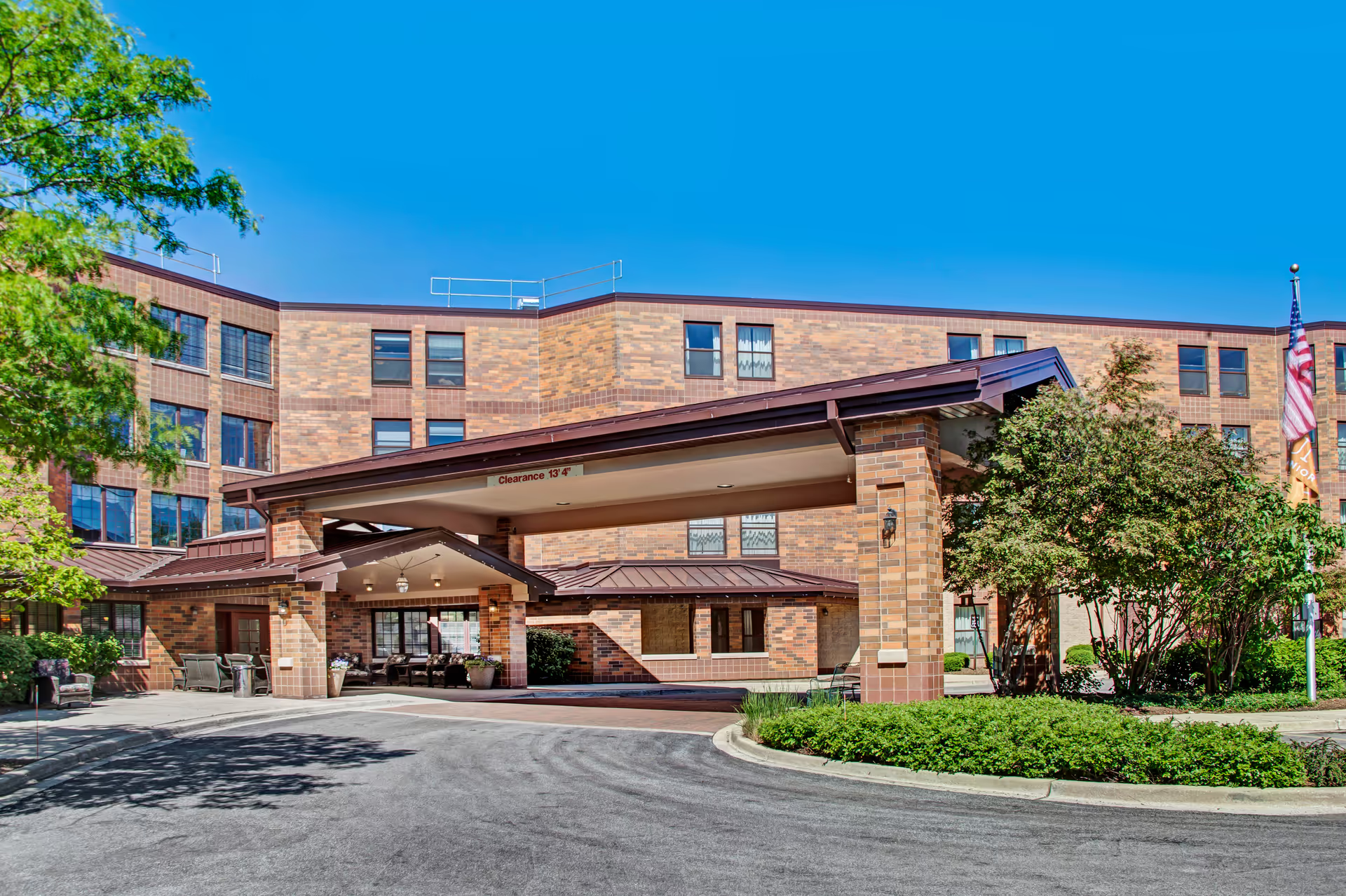
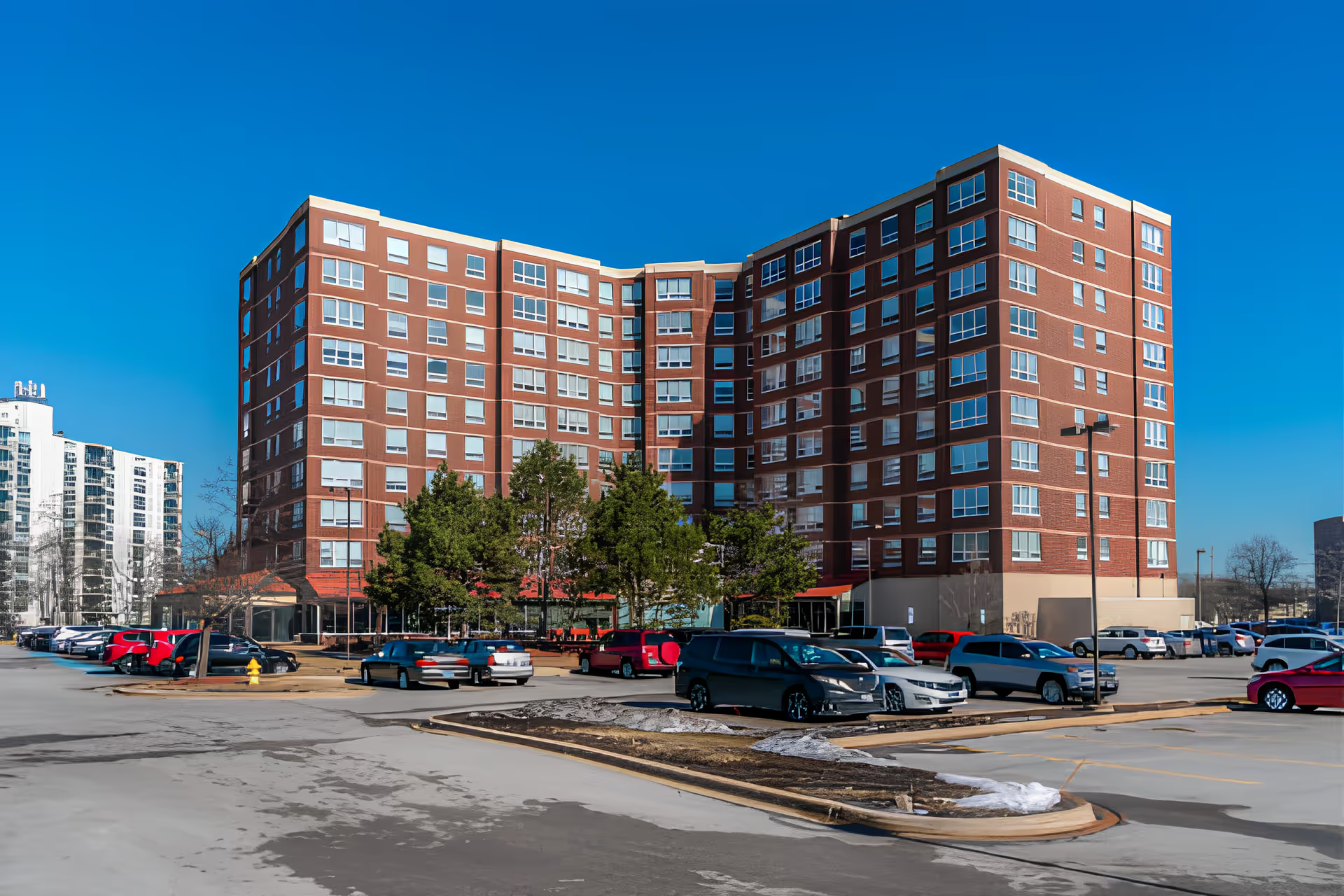
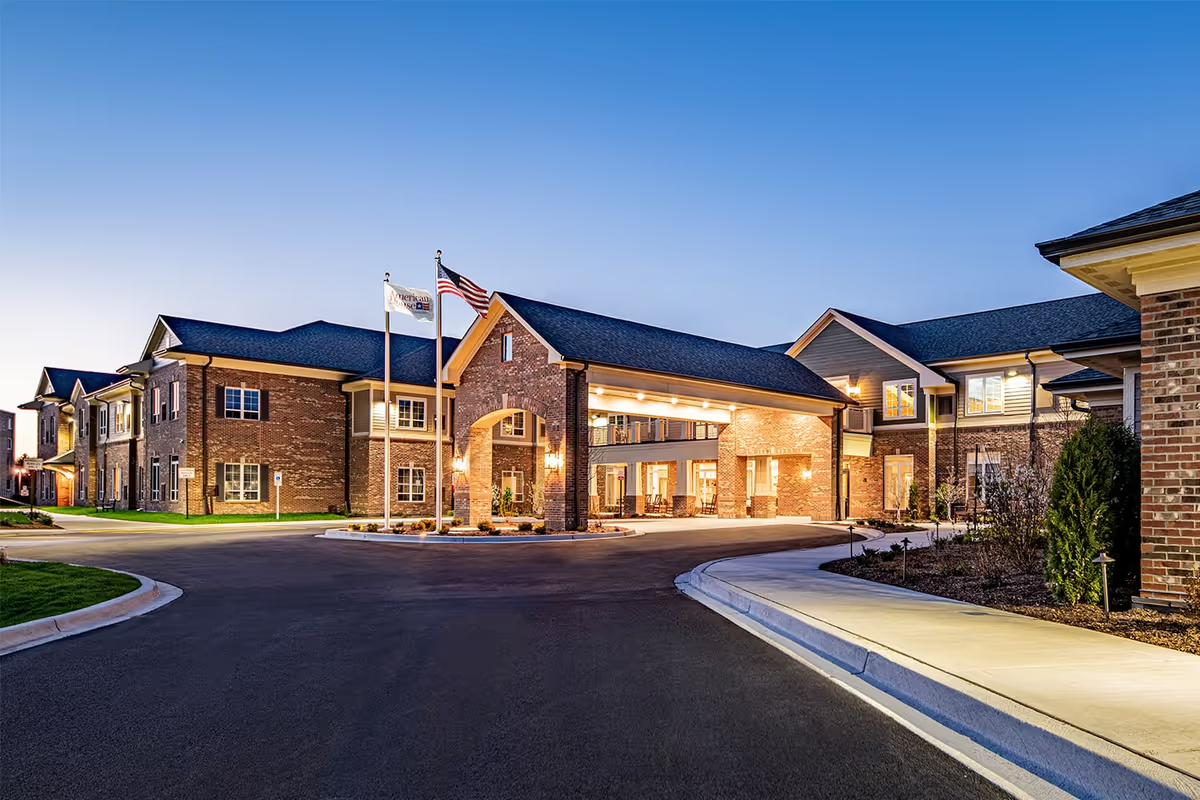
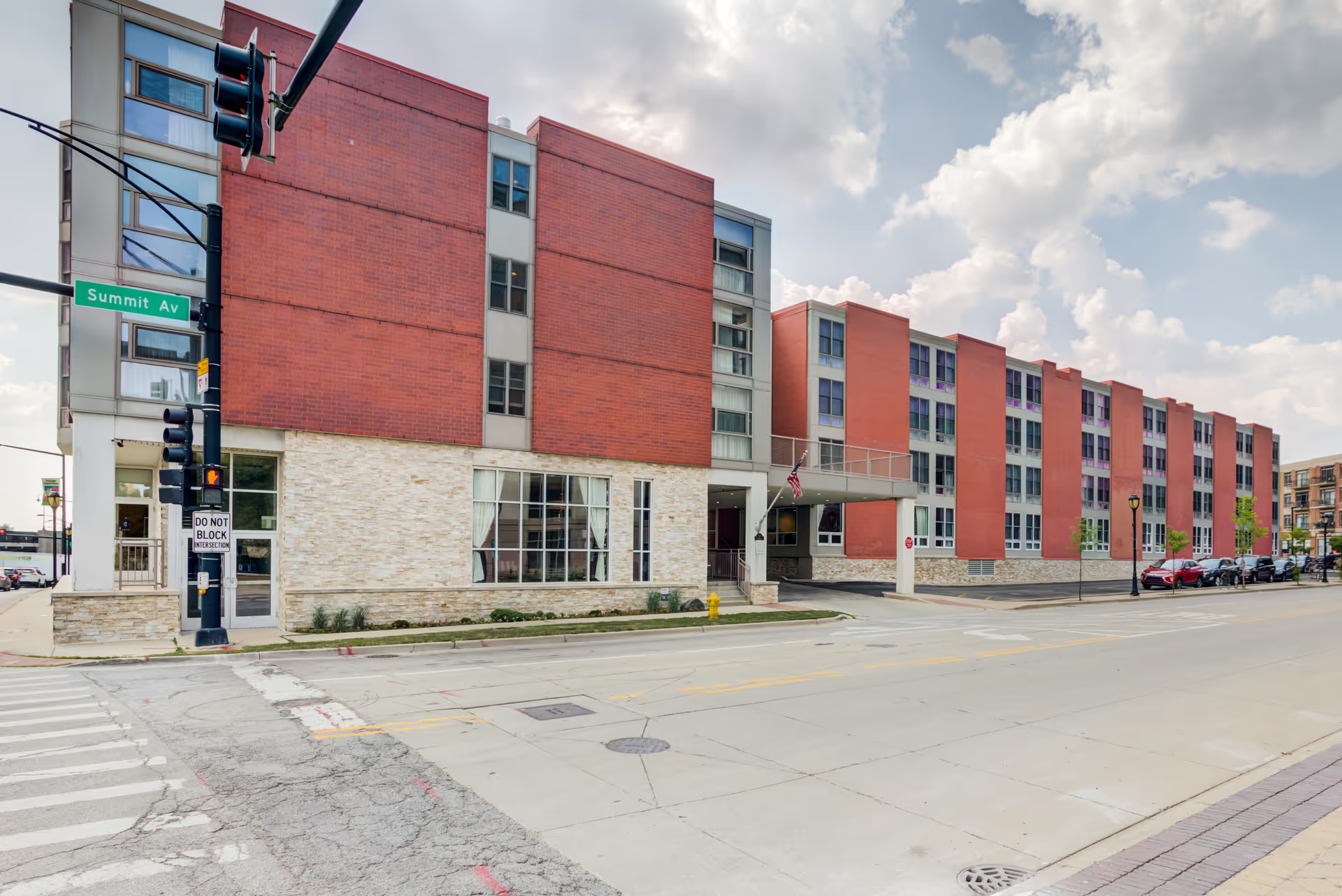
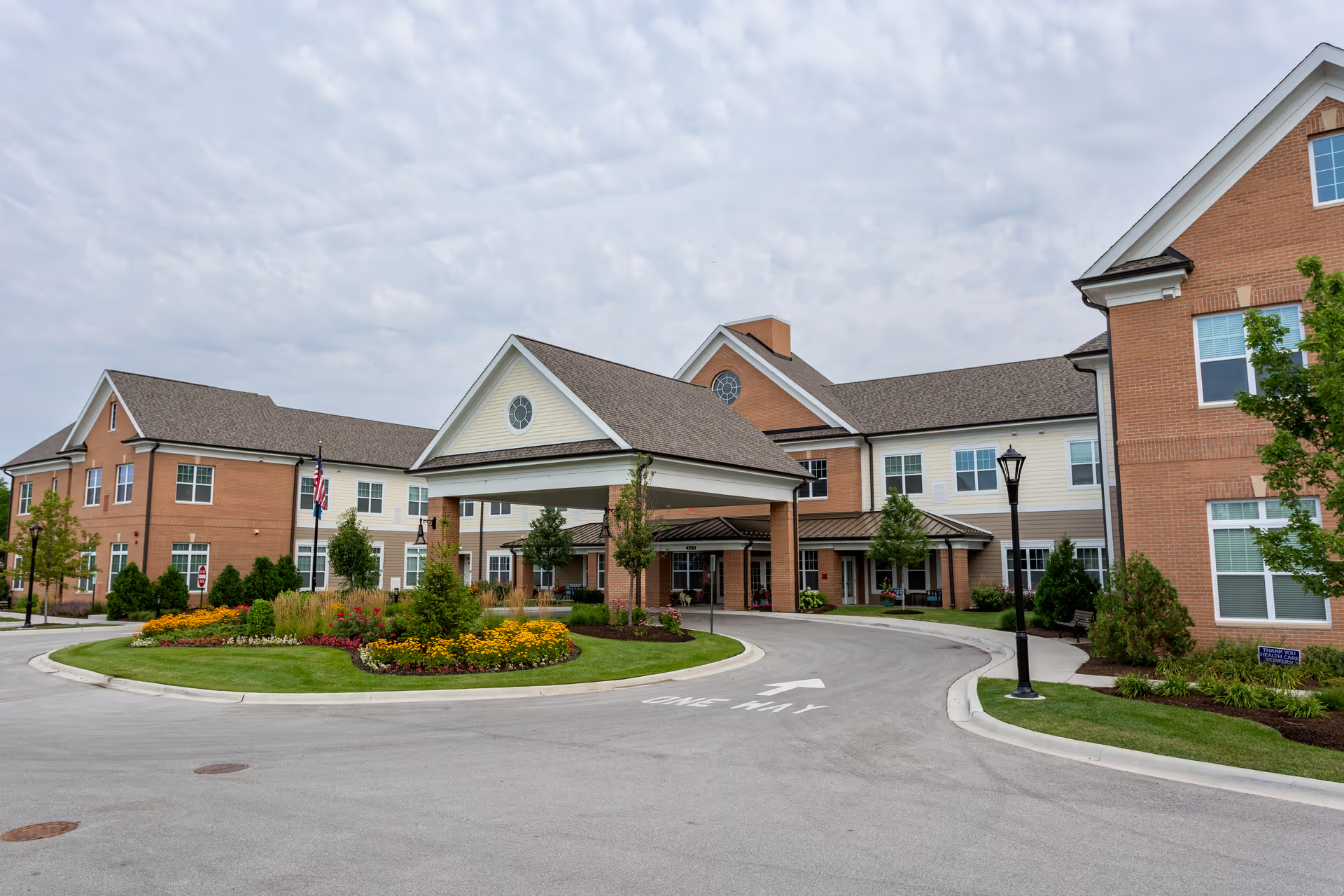
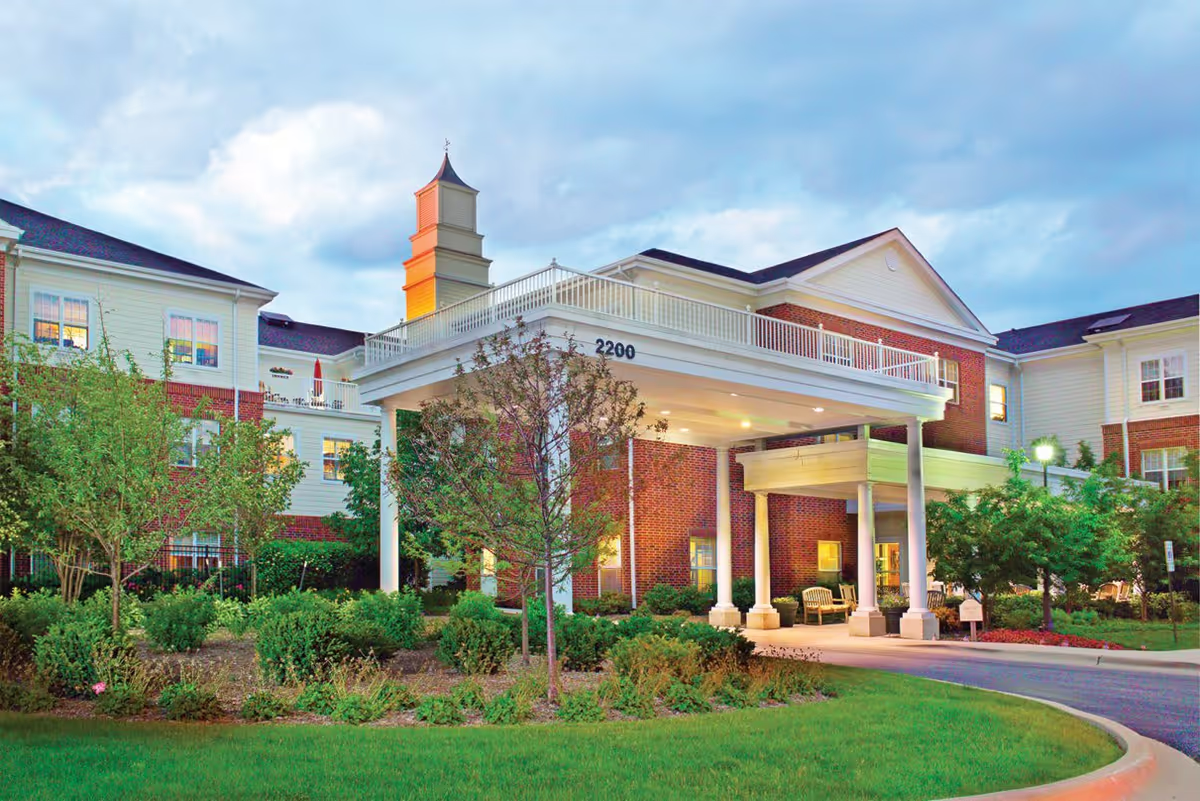
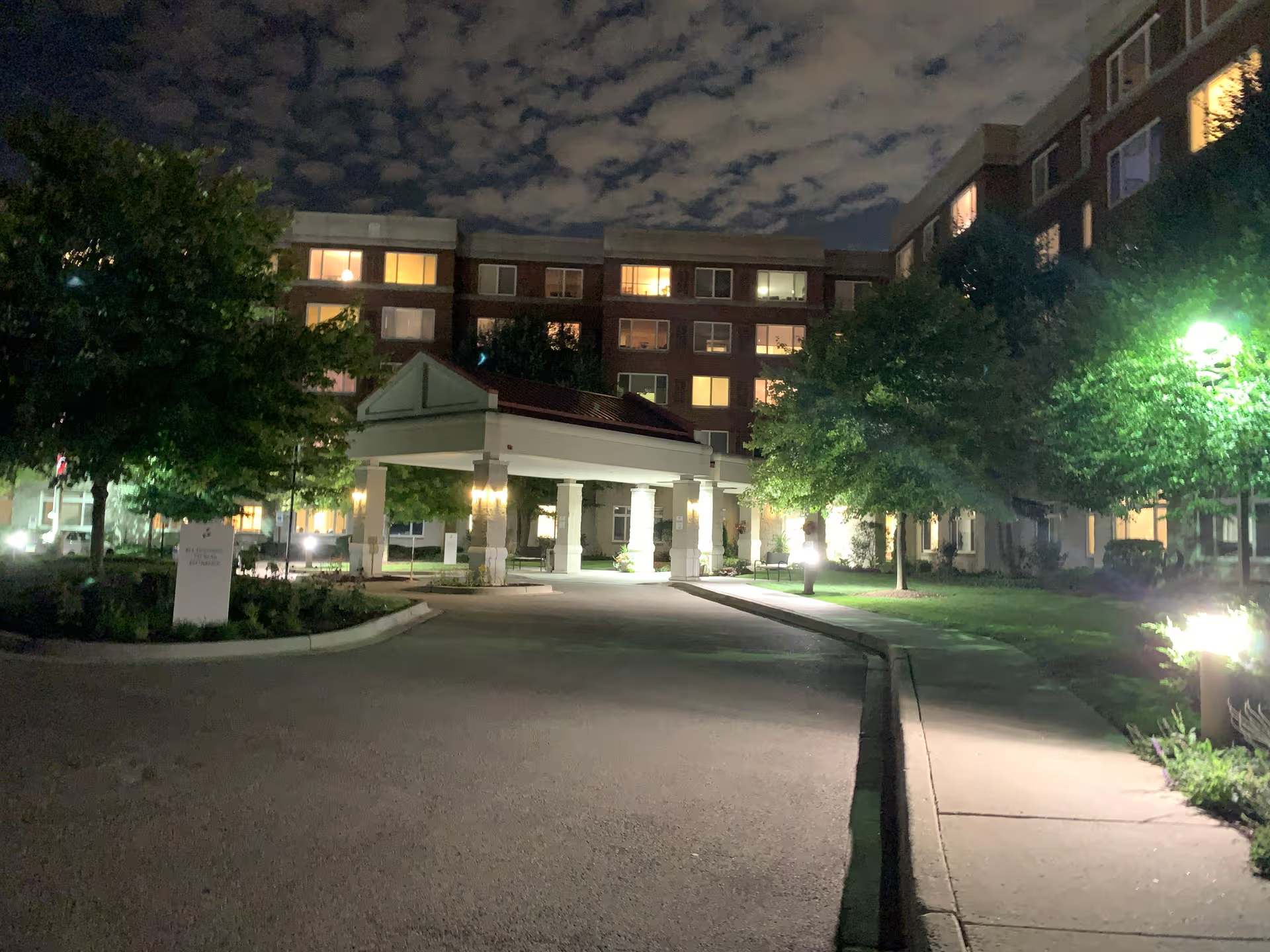
Overall impression: Brookdale Des Plaines is consistently described as a large, well‑amenitized community with a strong emphasis on social programming and medical access. Residents and family members frequently highlight the warm, attentive culture of direct care staff and an engaged management team. The building’s common areas — including an indoor pool, fitness room, salon, library, and multiple social spaces — are cited as clean and well maintained, and the property’s proximity to major medical centers and public transit is a recurrent advantage.
Care quality and clinical services: Reviews indicate accessible on‑site clinical resources (physical therapy, podiatry, periodic physician visits, and a Medicare‑rehab presence) and routine transportation to medical appointments. Many families reported that nursing and therapy staff are competent and supportive, and that the facility provides a useful bridge between independent and assisted living. However, reviewers also raised operational concerns about overnight clinical coverage and emergency coordination; these concerns include uneven availability of clinical staff during nights and some perceived delays or gaps in crisis response. For prospective residents with high-acuity nursing or extended skilled‑rehab needs, the community may be less suitable.
Staff and management: A dominant theme is praise for caring, responsive staff and long‑tenured employees who know residents by name. Management and departmental leaders are frequently commended for communication, move‑in support, and follow‑through. At the same time, there are repeated notes about staffing variability and turnover in certain departments (notably dining and direct aides), which some families linked to service changes and reduced staffing hours.
Dining and meals: Dining is a mixed area. Many reviewers appreciated restaurant‑style dining, varied menus, and accommodations for dietary needs; special meals and social dining events are viewed positively. Conversely, there are recurring comments about inconsistent food quality and service changes over time (buffet vs. served meals, limited dining hours, and occasional shortages), and some residents describe extra charges or menu restrictions that affect perceived value.
Activities and community life: Activity programming is a consistent strength. The community offers an extensive schedule (exercise classes, themed weeks, games, arts/crafts, live entertainment, outings, and clubs), and reviewers emphasized active resident participation and strong transportation support for off‑site trips. New‑resident programming and active resident councils contribute to social integration and ongoing engagement.
Facilities and maintenance: Public spaces and many common amenities are described as clean and well cared for, and maintenance responsiveness is frequently praised. At the apartment level, feedback is more variable: some units are modern and bright with balconies, while others show cosmetic aging (outdated fixtures, dated furniture, carpet condition) and occasional appliance issues. Operational inconveniences cited include slow elevators, limited outdoor walking areas, garage parking fees, and some pest‑control or localized sanitation concerns.
Operations, costs, and transparency: Cost and billing transparency are recurring concerns. Reviewers point to high rents, fee increases, ancillary charges (garage, certain meals, at‑home services), and questions about leasing or fee disclosures. There are also isolated but serious allegations regarding theft and financial irregularities; these comments suggest the need for careful financial and contract review during the tour/lease process.
Who this fits best: Brookdale Des Plaines appears well suited for active older adults who value a rich activities calendar, convenient transportation, strong social opportunities, and proximity to medical care. Families seeking responsive staff, on‑site therapy, and an integrated independent/assisted option will find many strengths. Those requiring continuous skilled nursing, expecting flawless dining/service continuity, or seeking extensive private outdoor grounds should weigh the identified operational and facility limitations and confirm clinical coverage, fee structures, and unit condition during a visit.
Bottom line: The facility’s principal strengths are its people, programming, and central location. Prospective residents should verify unit condition, staffing patterns (including overnight clinical coverage), dining policies, and fee transparency to ensure the community’s operational practices align with their care and financial expectations.