Brookdale Northbrook is consistently characterized by reviewers as a professionally run, resident-centered community with a strong emphasis on personalized, compassionate care. Clinical services are robust: reviewers highlight experienced nursing leadership, coordinated care between nursing and home-health providers, on-site rehabilitation (PT/OT), and availability of hospice when needed. Staff are repeatedly described as attentive, knowing residents by name, and willing to go beyond routine duties; long-tenured employees and departmental stability are cited as contributors to continuity of care. The community is also noted for proactive infection-control protocols, timely vaccine administration, low COVID-19 positivity statistics, and frequent family communications during infectious- disease events.
Dining and activities are prominent strengths. The dining program is frequently described as restaurant-style with multiple menu options, accommodated special requests, and responsive service; at the same time some critiques point to menu items that skew higher in sodium or fat and to buffet-style service on occasion. The activities calendar is broad and active, encompassing exercise classes, arts and crafts, lectures, musical performances, religious services, outings, and virtual programming when required. Reviewers emphasize social engagement opportunities, frequent entertainment, and structured opportunities for resident input via advisory councils.
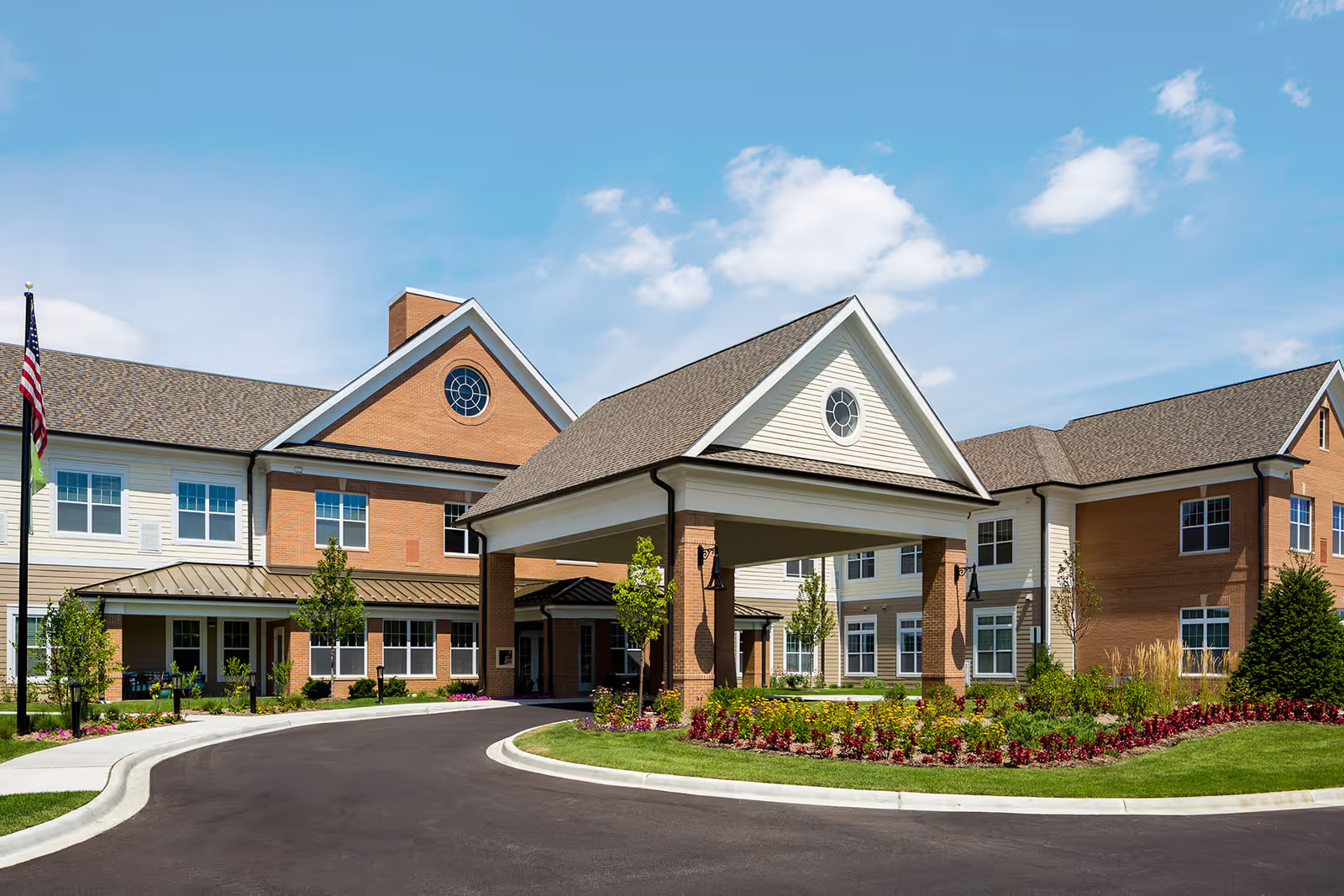
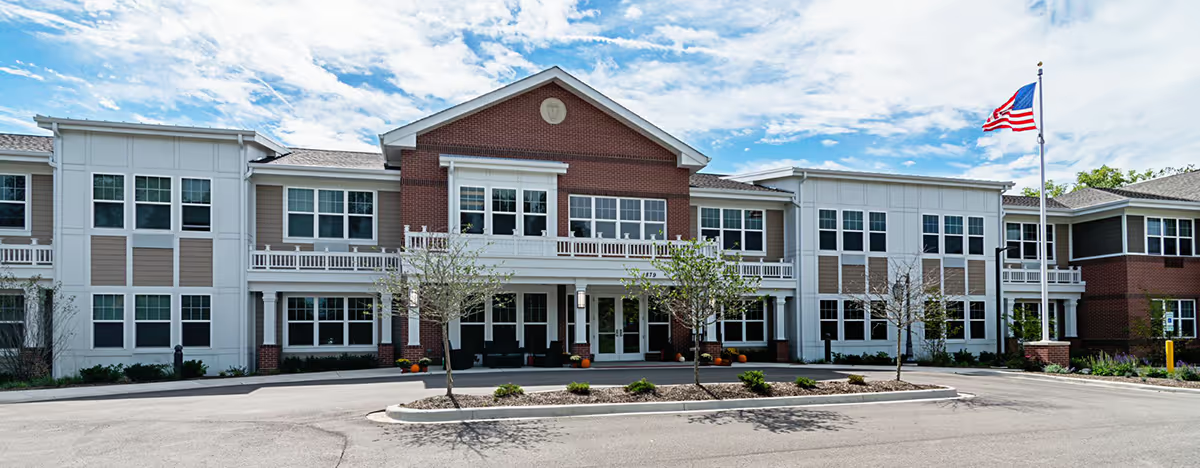
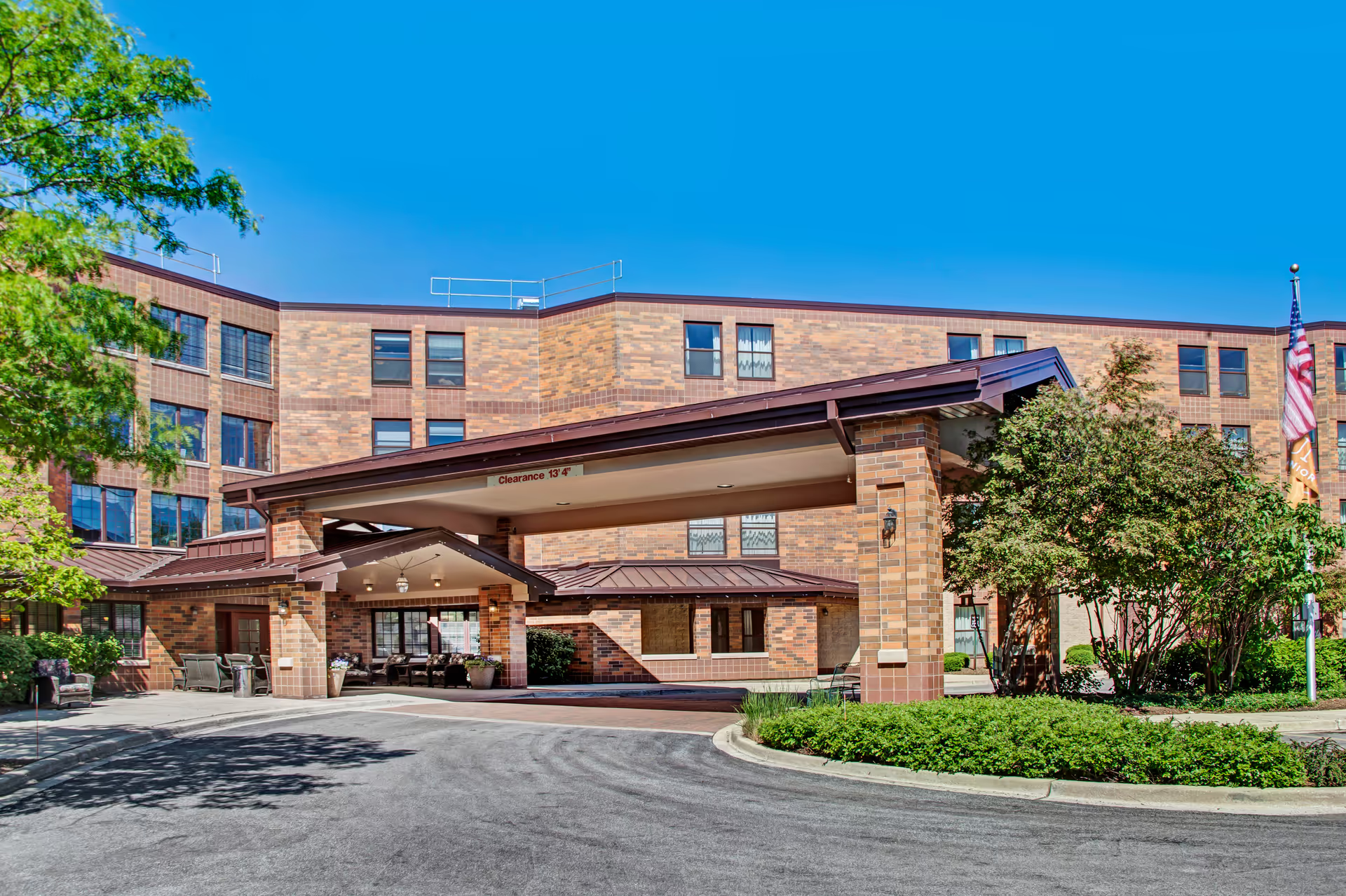
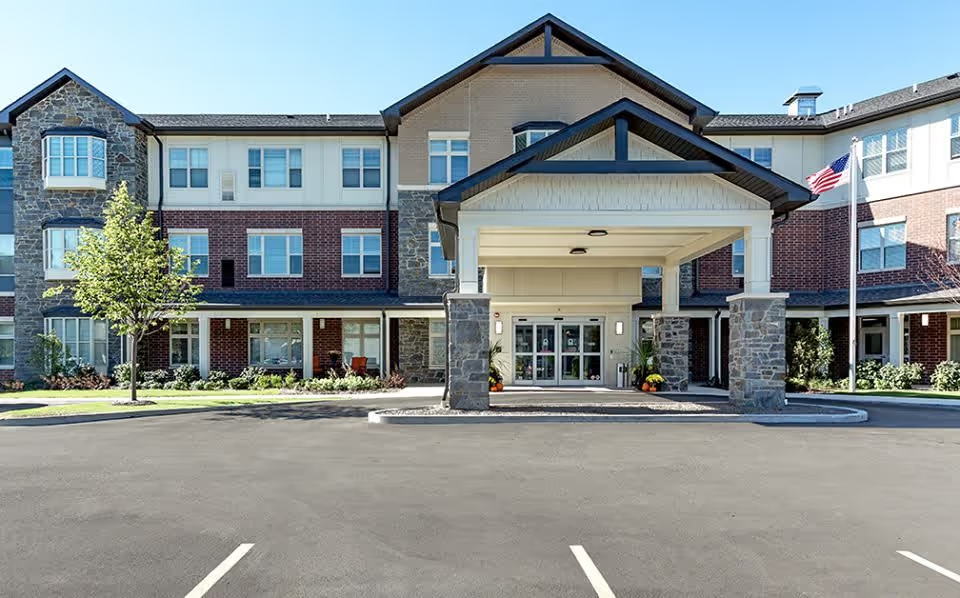
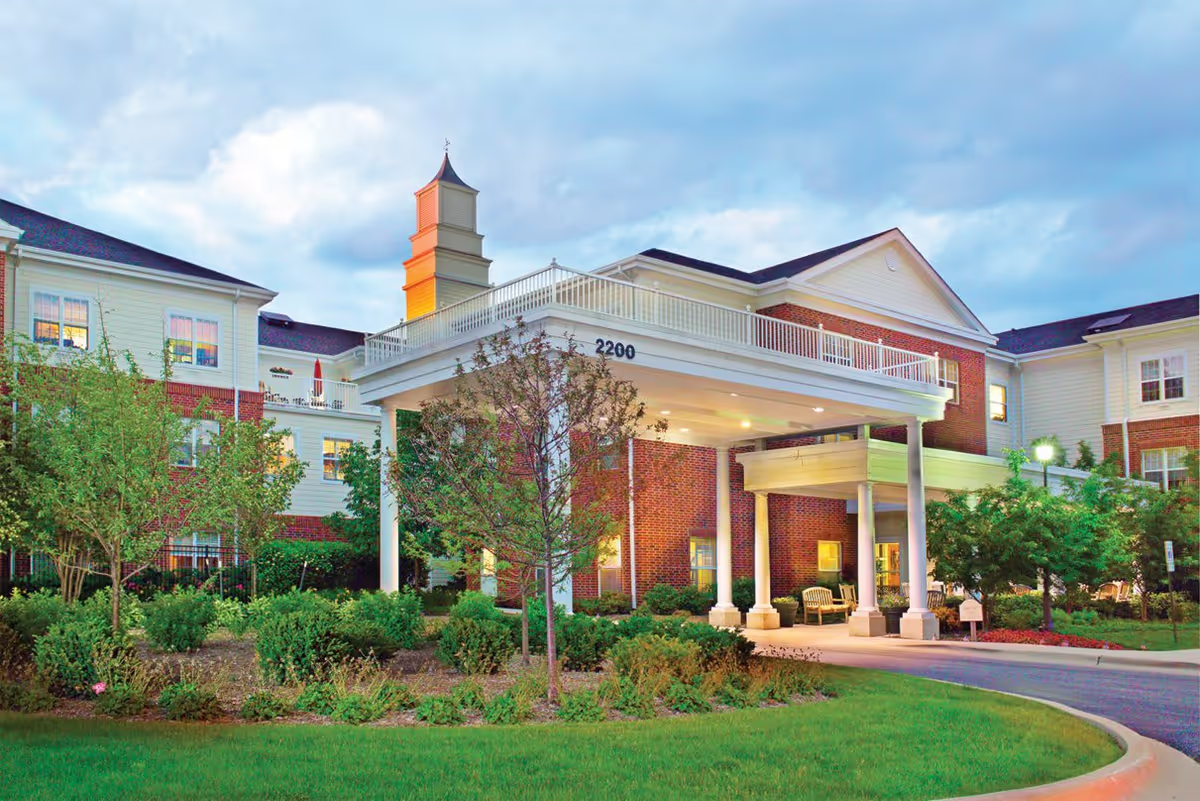
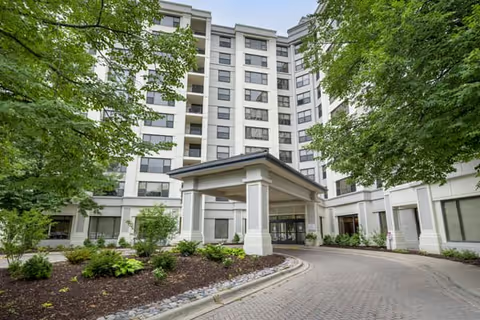
Facilities and campus amenities generally receive high marks for cleanliness, maintenance, and layout. Common areas, activity spaces, and landscaping are described as well kept, and many apartments have been updated with new flooring, counters, and paint; weekly housekeeping and linen service are standard. That said, operational limitations include variability across units—some apartments have dated finishes or differing floorplans and limited in-unit amenities such as laundry—and the campus’ proximity to a highway creates periodic noise exposure. The size of the community (approximately 200 residents) is an asset for programming but can feel large or less intimate for some prospective residents.
Management and family communication are portrayed positively. Executive leadership and department heads are frequently cited as responsive, communicative, and involved in transitions and care coordination. Families describe receiving regular executive updates, daily bulletins, and meaningful one-on-one communication during moves and clinical changes. Operational trade-offs noted by families include higher fees and occasional auxiliary charges (valet/delivery), contract terms that reduce move-out flexibility, and intermittent waiting lists for transfers between independent and assisted living. A minority of comments mention episodic staffing shortages and the resulting variability in service timing or maintenance responses.
Overall, Brookdale Northbrook presents as a well-resourced senior living option with pronounced strengths in staff engagement, clinical coordination, cleanliness, and activity programming. Prospective residents and families should weigh those strengths against cost considerations, unit-level finish variability, potential noise exposure, and contract/availability constraints when assessing fit for their needs.