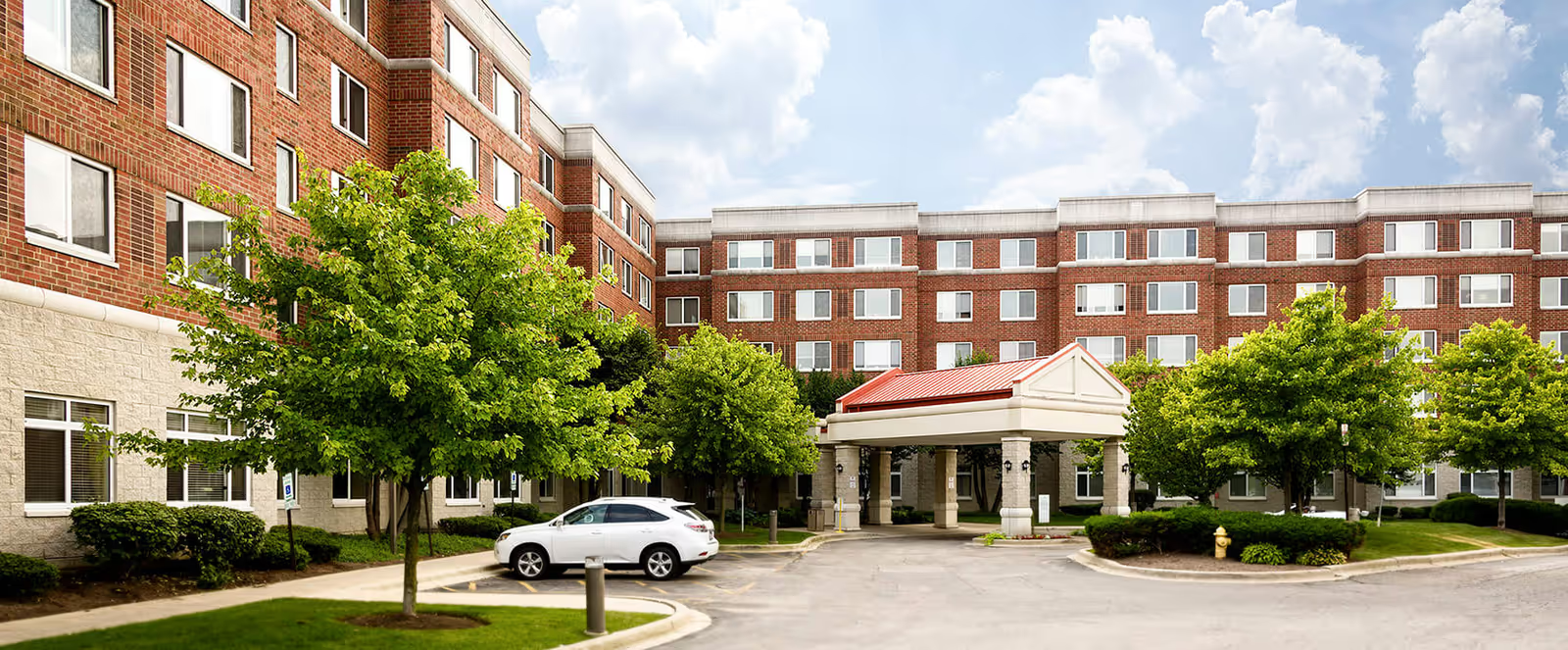
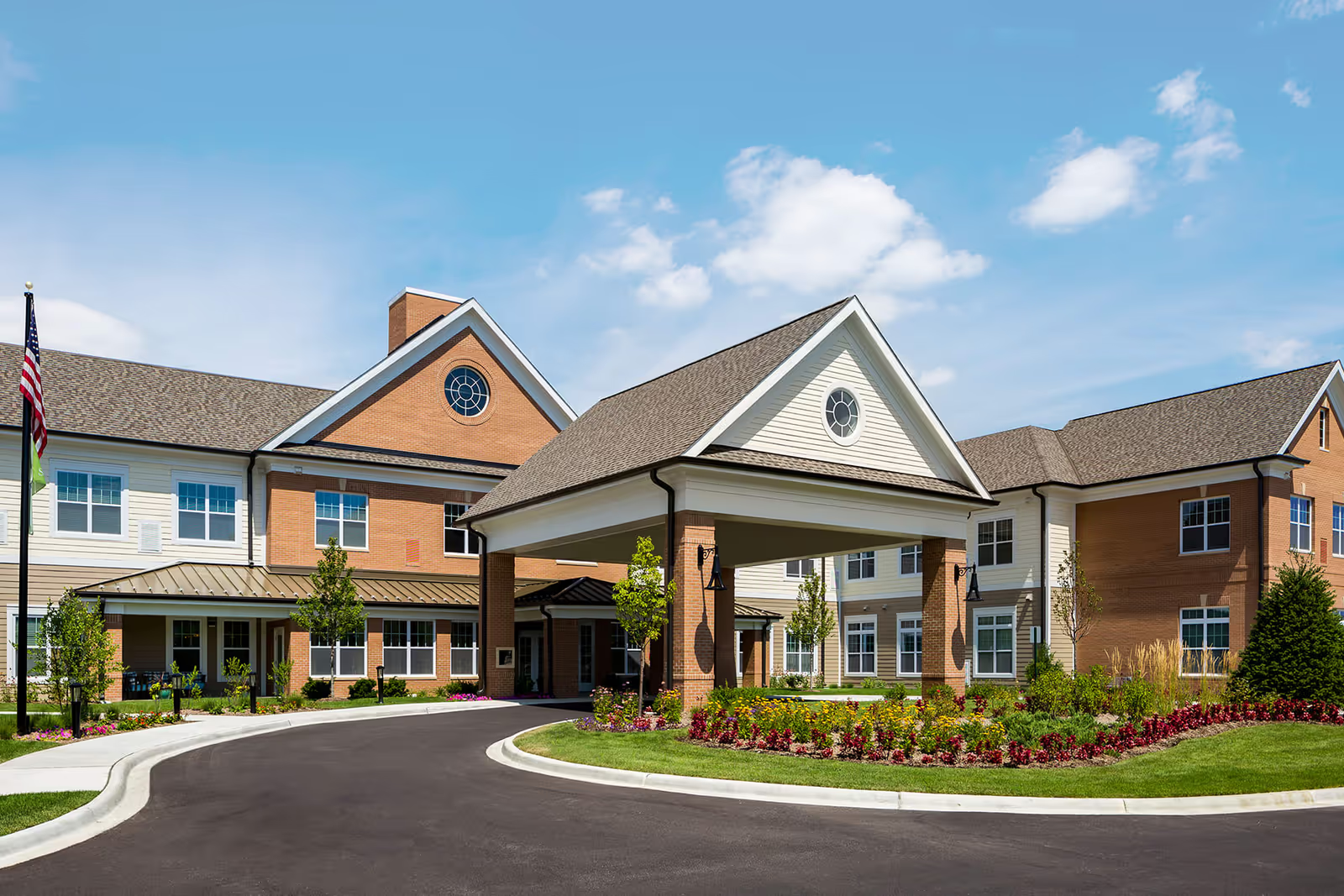
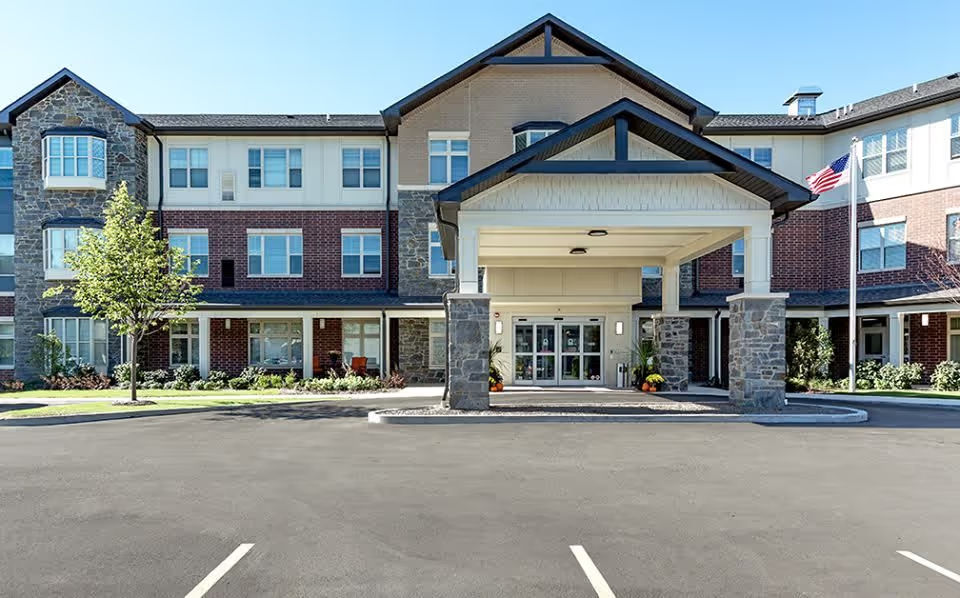
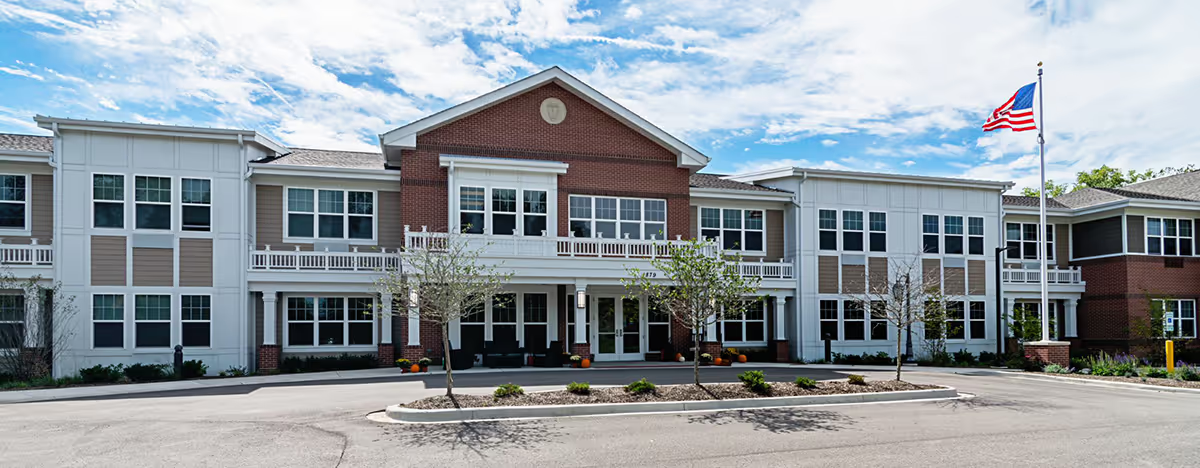
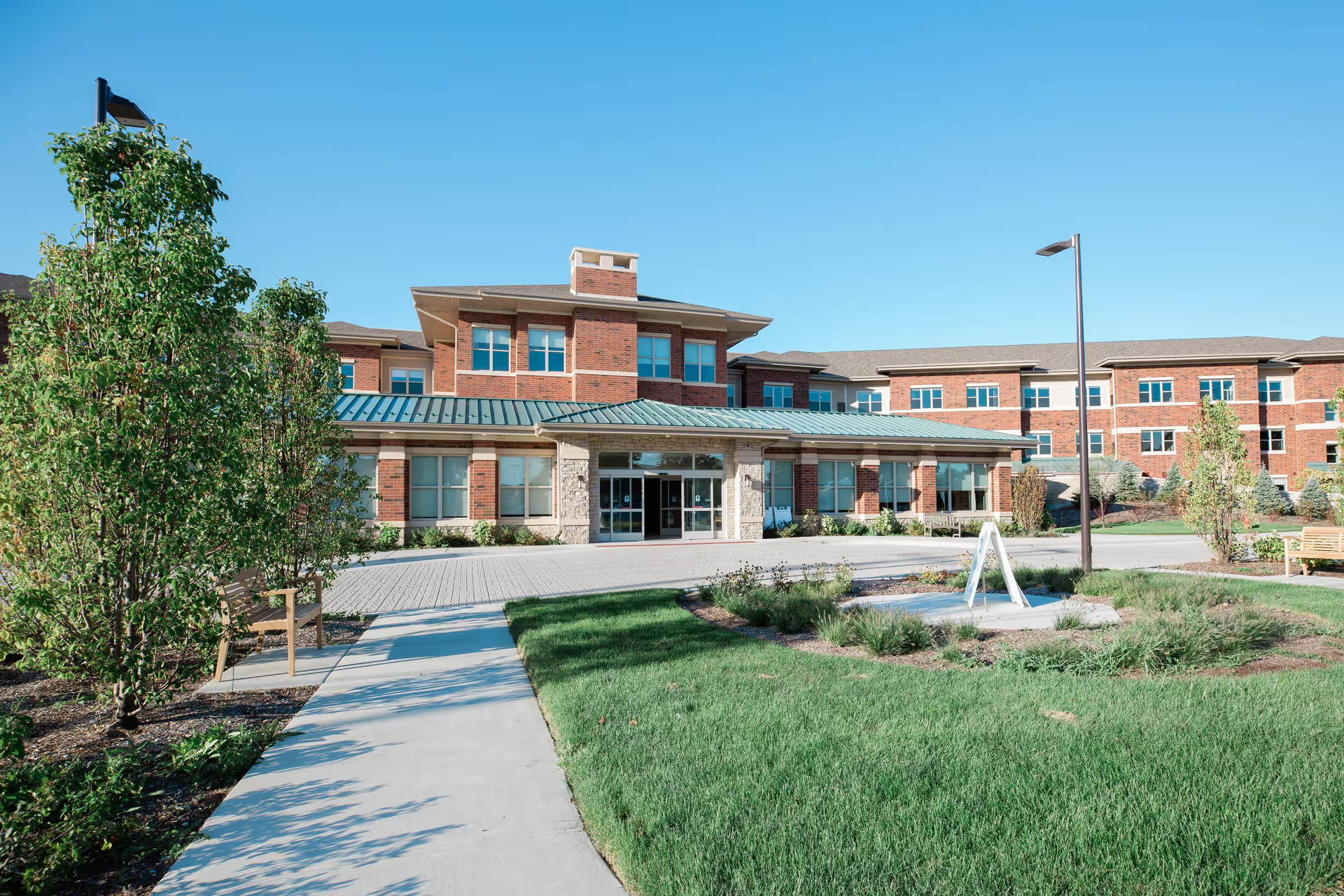
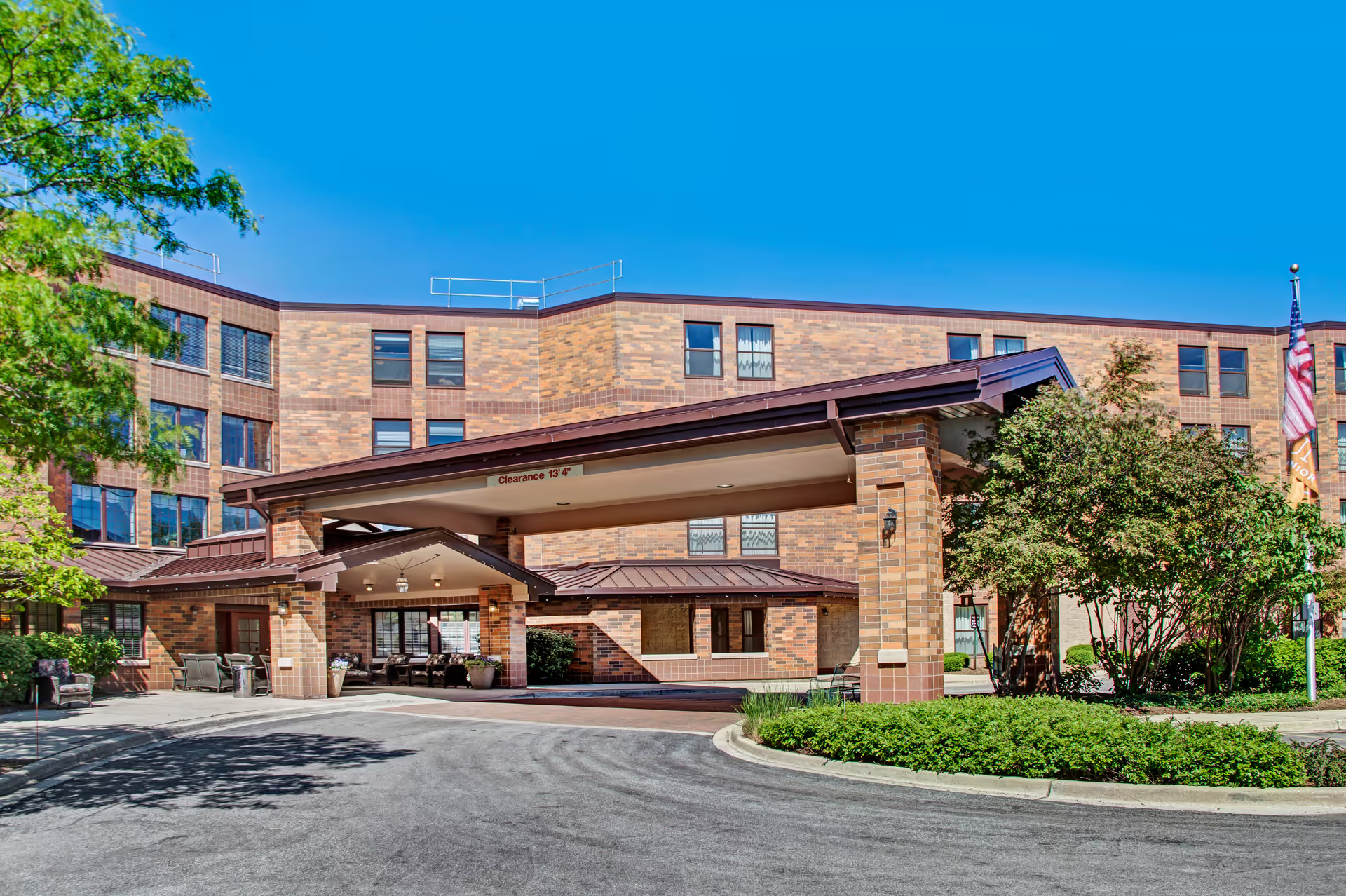
Arden Courts Northbrook is consistently described as a small, memory-care–focused community with a household model and a secure, looped layout designed to reduce disorientation. The facility’s physical design — four wings around a bright central space, private rooms (many on the first floor) with half baths, connected courtyards and walking paths, and well-tended gardens — supports resident safety and easy navigation while aiming for a homelike, country-inn atmosphere. Reviewers commonly cite cleanliness, natural light, and attractive outdoor spaces as notable facility strengths.
Care quality and staffing are central positive themes. Families routinely emphasize compassionate, individualized caregiving, a high staff-to-resident ratio, low turnover, and many long-tenured employees who learn residents’ preferences and names. The site reports 24-hour RN coverage and clinically astute nursing, with staff described as observant, patient, and creative in their approaches. Reviewers describe smooth move-ins and transitions, proactive supervision by management during admissions and respite stays, and attention to dignity and end-of-life needs.
Dining and programming receive frequent praise. The kitchen and dining teams are highlighted for varied menus, accommodations for preferences or dietary needs, and nourishing, creative meals. The activities program is robust and well attended: sing-alongs, musical entertainment, animal visits, outings, and tailored small-group or neighborhood-based programming are regularly noted. There is an emphasis on resident engagement at multiple cognitive levels, plus education and support for families through workshops and support groups.
Management and family communication are generally portrayed as responsive and accessible, with an involved executive and marketing director, prompt issue resolution, and ongoing family inclusion in events. Regular staff training and attention to best practices are cited as organizational strengths, and several comments reflect that the workplace culture supports staff satisfaction and teamwork.
Areas for prospective families to weigh include cost, room size, and occasional operational drawbacks. The community operates primarily on a private-pay model, with notes about high overall cost, pharmacy-price concerns, and limited Medicaid acceptance; financial pressures and billing clarity were a recurring consideration. Some units and common areas were described as modest or dated compared with luxury options, and rooms are sometimes characterized as smaller than average. Operationally, reviewers mentioned periodic reliance on temporary staff that can affect continuity, intermittent communication gaps with external clinicians (for example psychiatric coordination), and occasional nuisances from exit-alarm sensitivity. A small number of serious individual concerns about leadership transparency and financial controls were raised; these appear isolated in context but are worth discussing with management during a tour.
Overall, Arden Courts Northbrook presents as a well-regarded, clinically focused memory-care community that emphasizes personalized caregiving, meaningful activities, and a secure, home-like environment. Prospective residents and families who prioritize dementia-specific design, consistent caregiving staff, and an active, family-inclusive culture will likely find this community suitable; those seeking larger private suites, resort-style amenities, or a lower-cost public-pay option should verify fit and financial arrangements during the selection process.