Overall impression: Saxony Court Senior Living presents as a community with strong interpersonal strengths and a broad menu of resident services. Review content consistently highlights attentive, personable direct-care staff and a robust therapy team; families and residents frequently describe nursing and CNA staff as compassionate and competent, and identify case managers, physical therapy, and nutrition services as active contributors to rehabilitation and care planning. The campus offers a mix of independent, assisted, and skilled nursing services on a single site, which many reviewers cited as convenient for transitions of care.
Care and staff: The facility's strengths center on staff engagement. Reviewers emphasize staff who remember residents’ names, frequent check-ins from caregivers, and an active Life Enrichment leadership that organizes varied programming. On-site rehab services are described as high quality, and several accounts reference positive outcomes from therapy. At the same time, reviews surface operational concerns that affect clinical reliability: there are recurring descriptions of medication-administration and monitoring weaknesses, delays responding to call-for-assistance, and limited overnight staffing coverage. Families also point to inconsistencies in care coordination and occasional gaps in follow-up communication from administration.
Dining and activities: Dining is a frequent positive: restaurant-style service, a praised chef, multiple entrée choices, and welcoming dining rooms appear across accounts. Activities programming is broad and active — daytime games, bingo, live entertainment, church services, movie nights, and special events are regularly mentioned — and the Life Enrichment team is credited with enthusiastic, organized offerings. A minority of comments note variable encouragement for residents to participate and occasional issues with meal timing or temperature, which may affect residents with specific dietary or mobility needs.
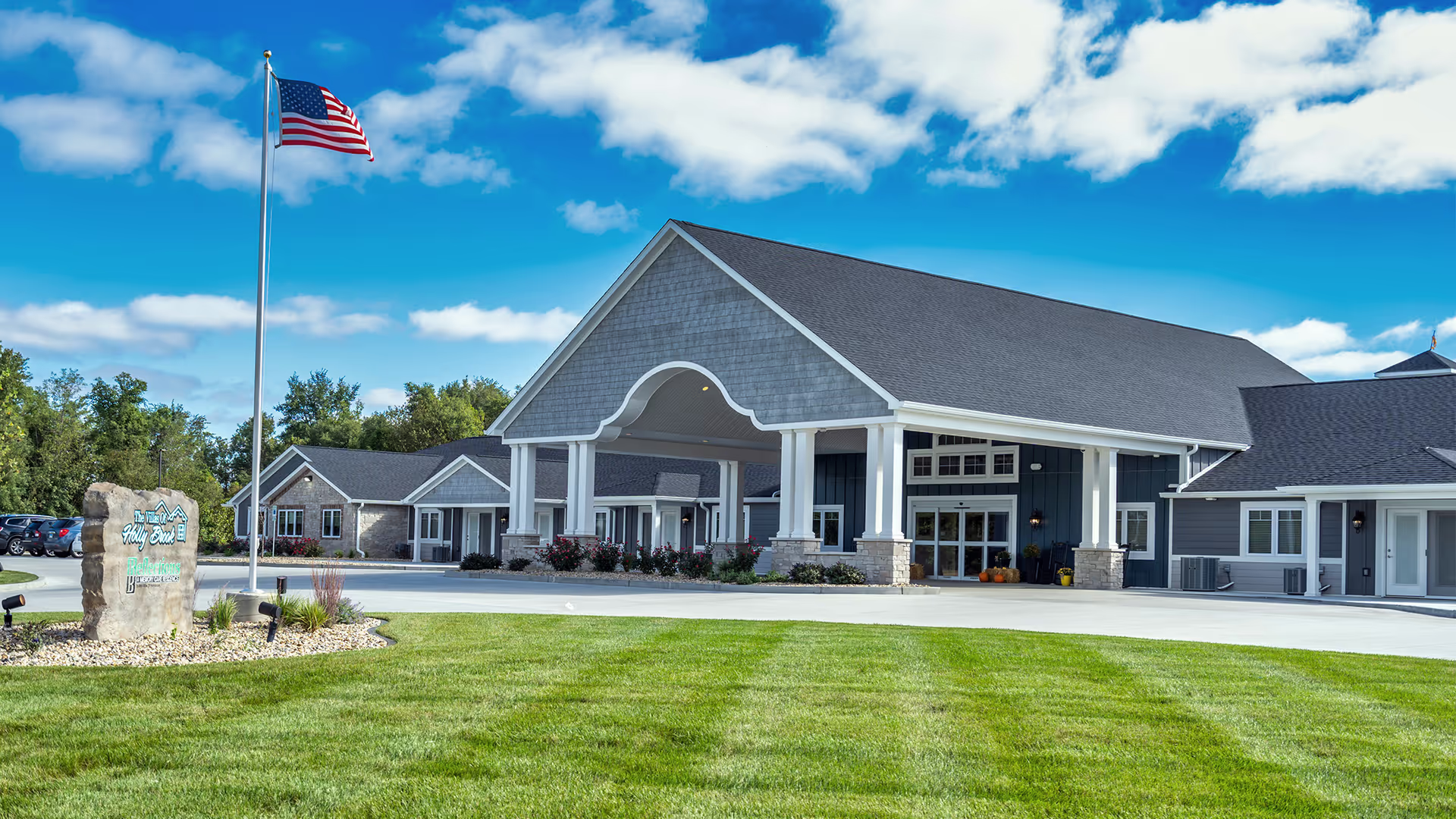
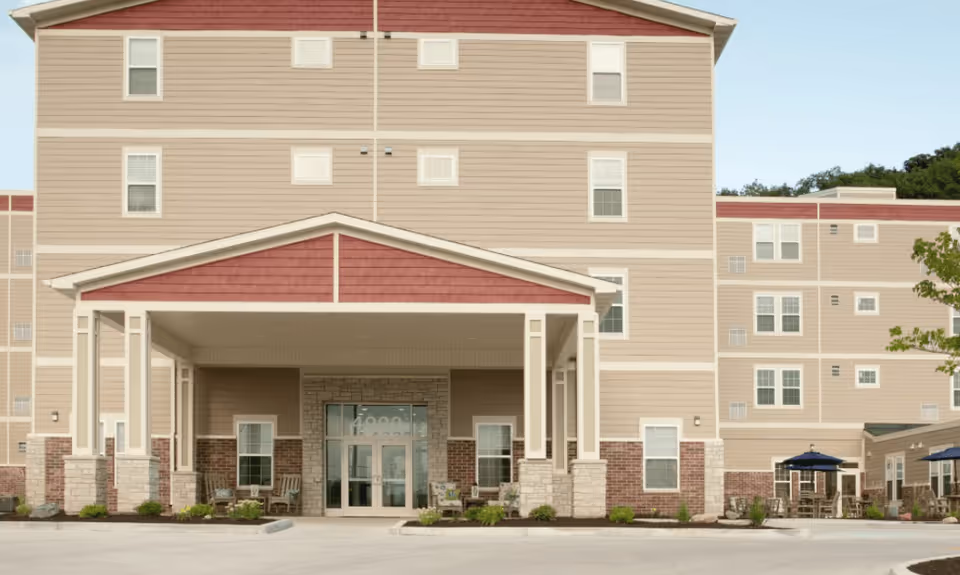
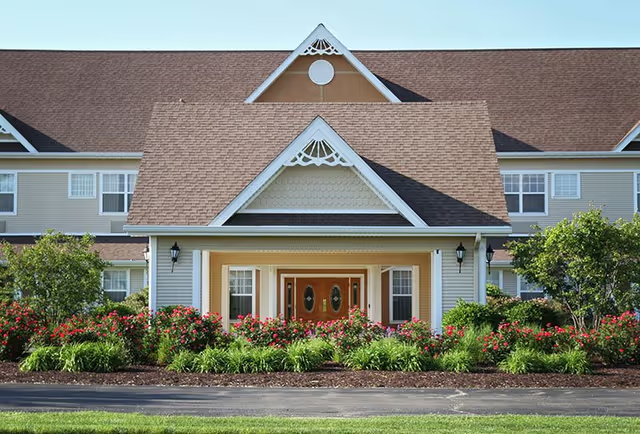
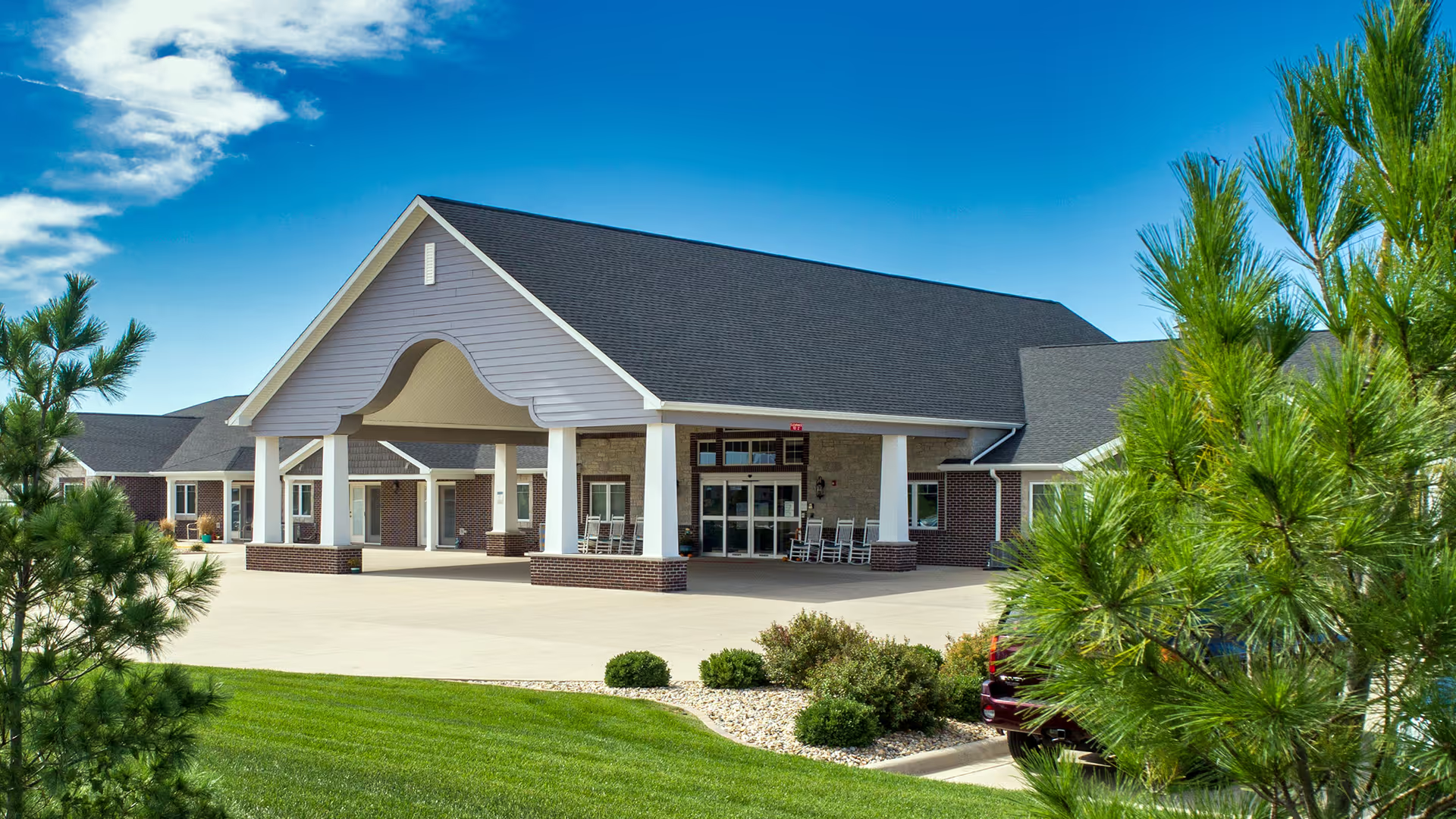
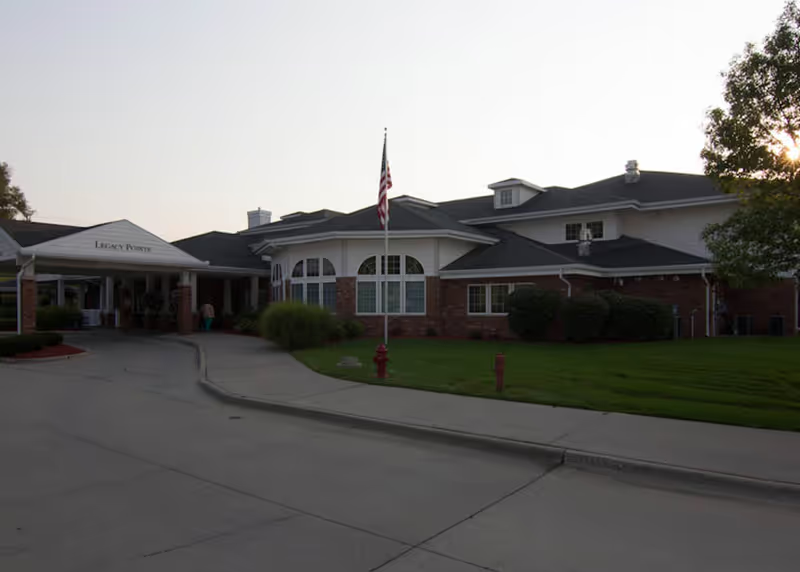
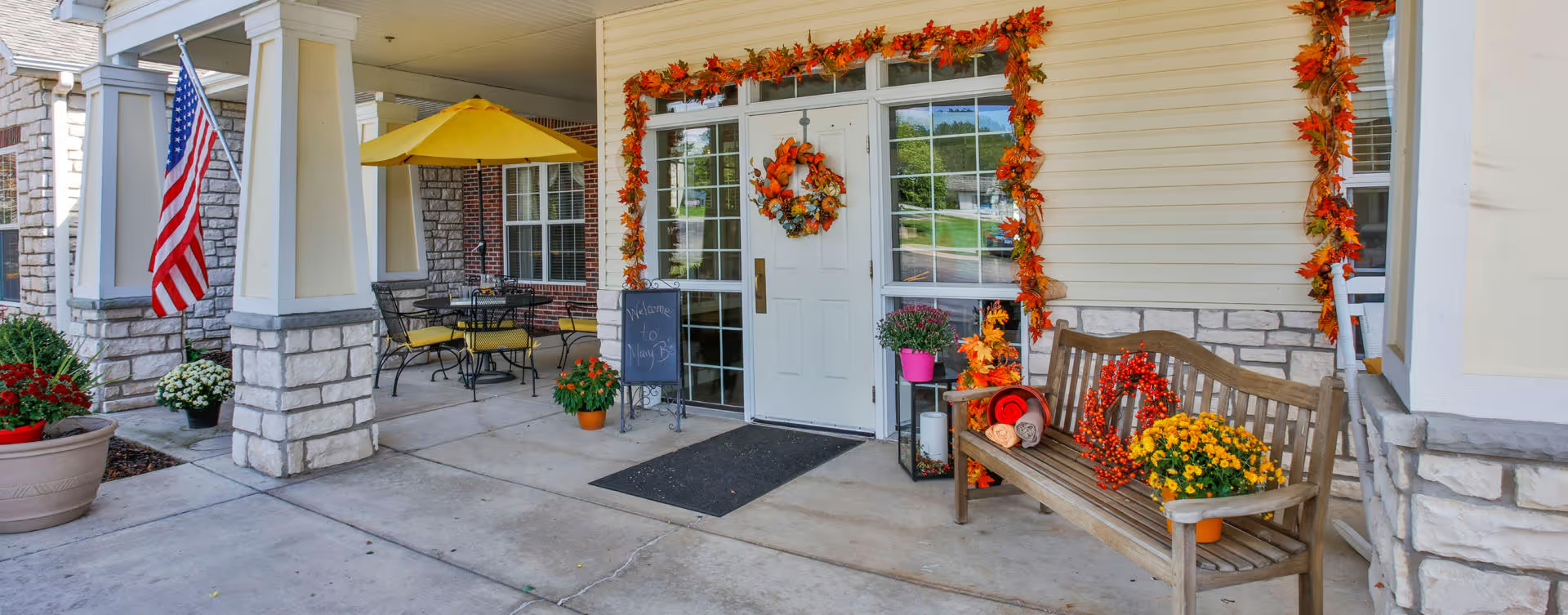
Facilities and accommodations: The campus receives positive comments for clean, well-decorated common areas, apartment-style units, theater and social spaces, and responsive maintenance. Many reviews note recent renovations and ongoing improvements under new ownership. Conversely, several reviewers describe dated or worn features in some living quarters, uneven housekeeping consistency, and accessibility challenges for residents who have difficulty reaching communal dining or activity areas — a concern exacerbated by the property's multi-level layout and current construction activity.
Management and operational patterns: Management responsiveness is described in mixed terms. Some families report helpful, solution-oriented leadership and visible improvements under new ownership; others cite inconsistent administrative communication, an admissions/documentation process that was not adequately explained, and occasional lack of transparency. Operational vulnerabilities include constrained choice for third-party in-home care providers, cost and maintenance considerations for personal alert systems, and allegations of staff-related property loss that raise questions about loss-prevention practices. Ongoing renovation work also appears to have produced interim disruption to operations and resident routines.
Notable patterns and guidance: The strongest, consistent positives are staff engagement, on-site rehabilitative services, varied activities, and generally good dining. The recurring operational concerns — medication management, response times, administrative communication, and security/housekeeping consistency — are the principal areas potential residents and families should review in person. Prospective families would benefit from a focused tour that evaluates unit maintenance, accessibility to dining and activities for those with mobility limitations, documentation and admissions clarity, emergency-response procedures, and specific questions about medication oversight, staffing levels (including nights), and loss-prevention protocols.