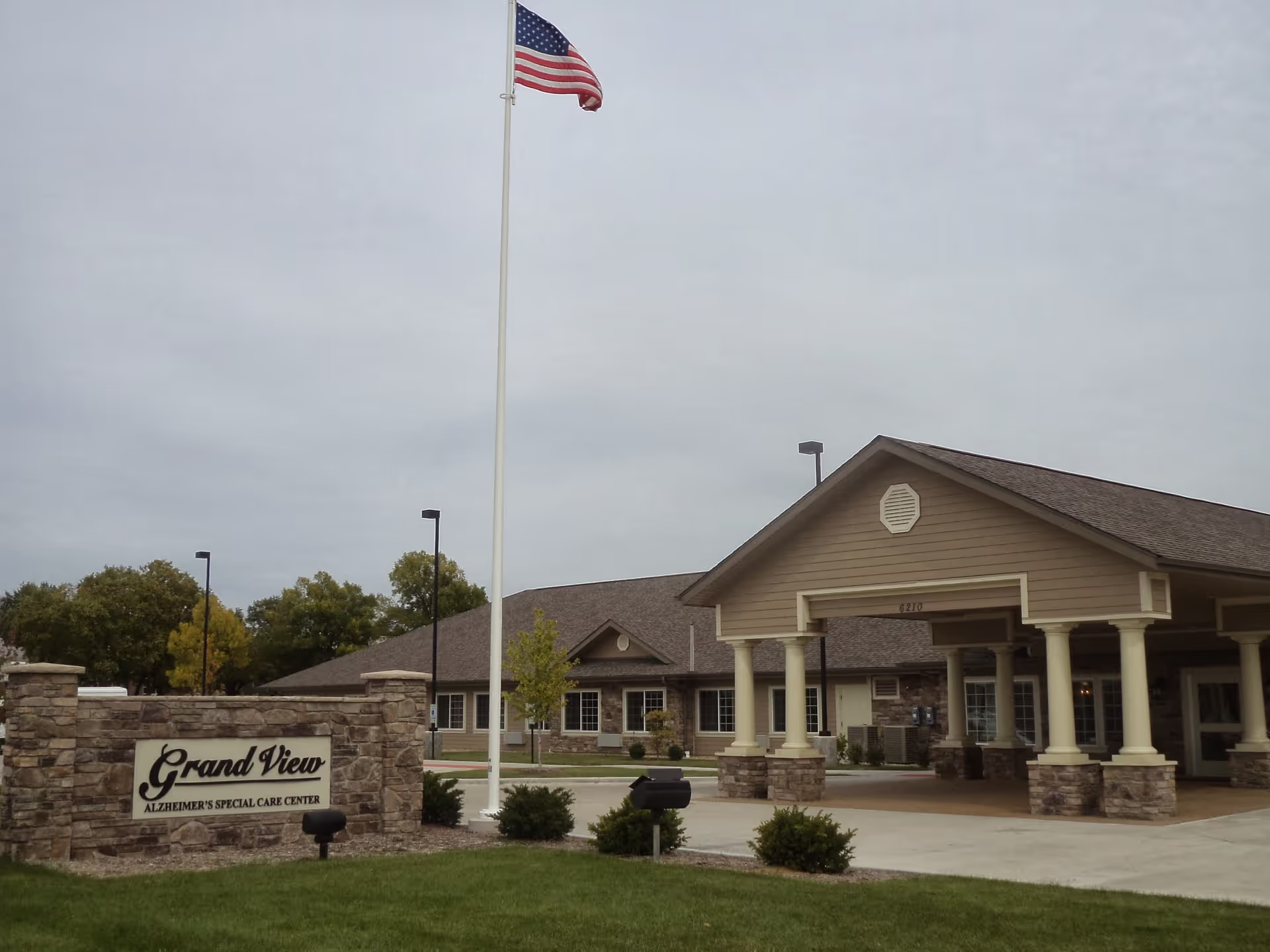
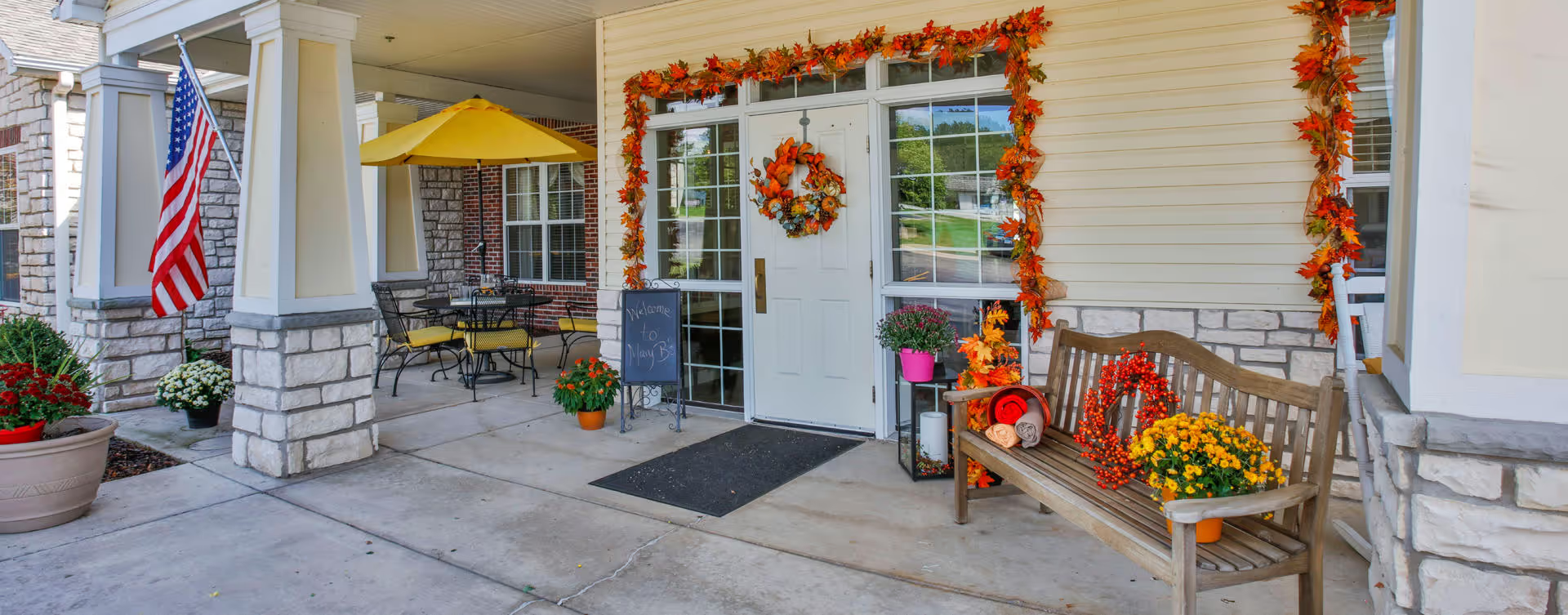
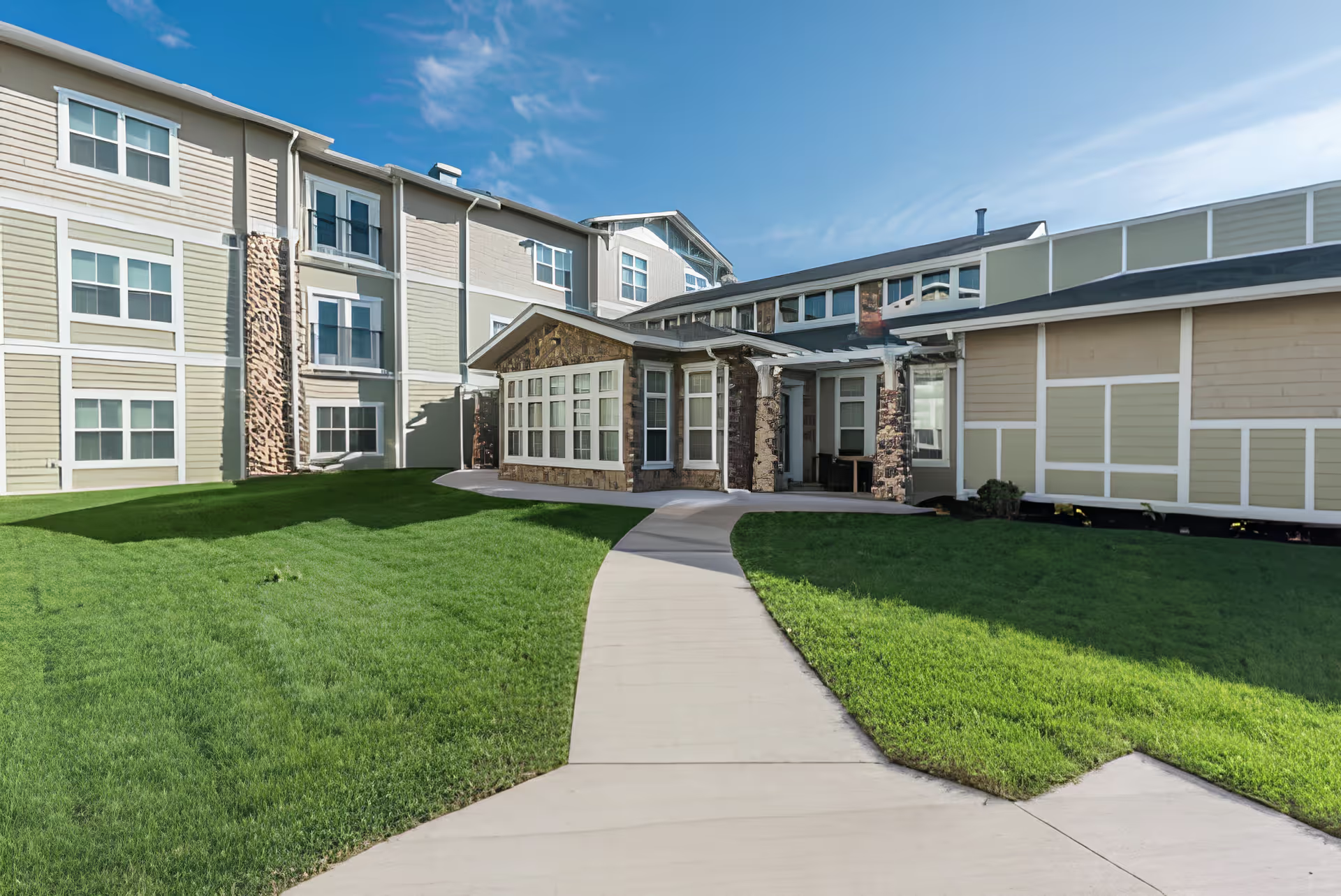
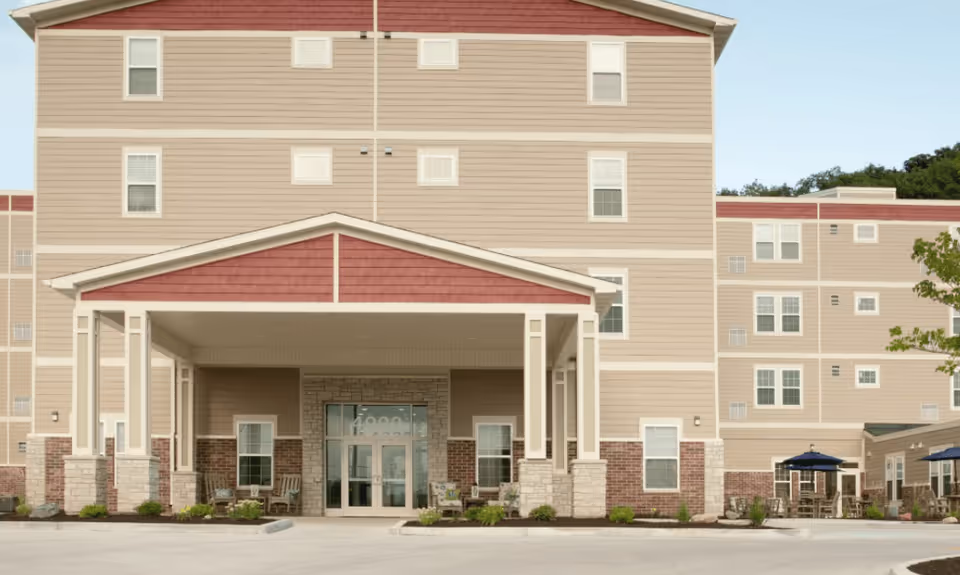
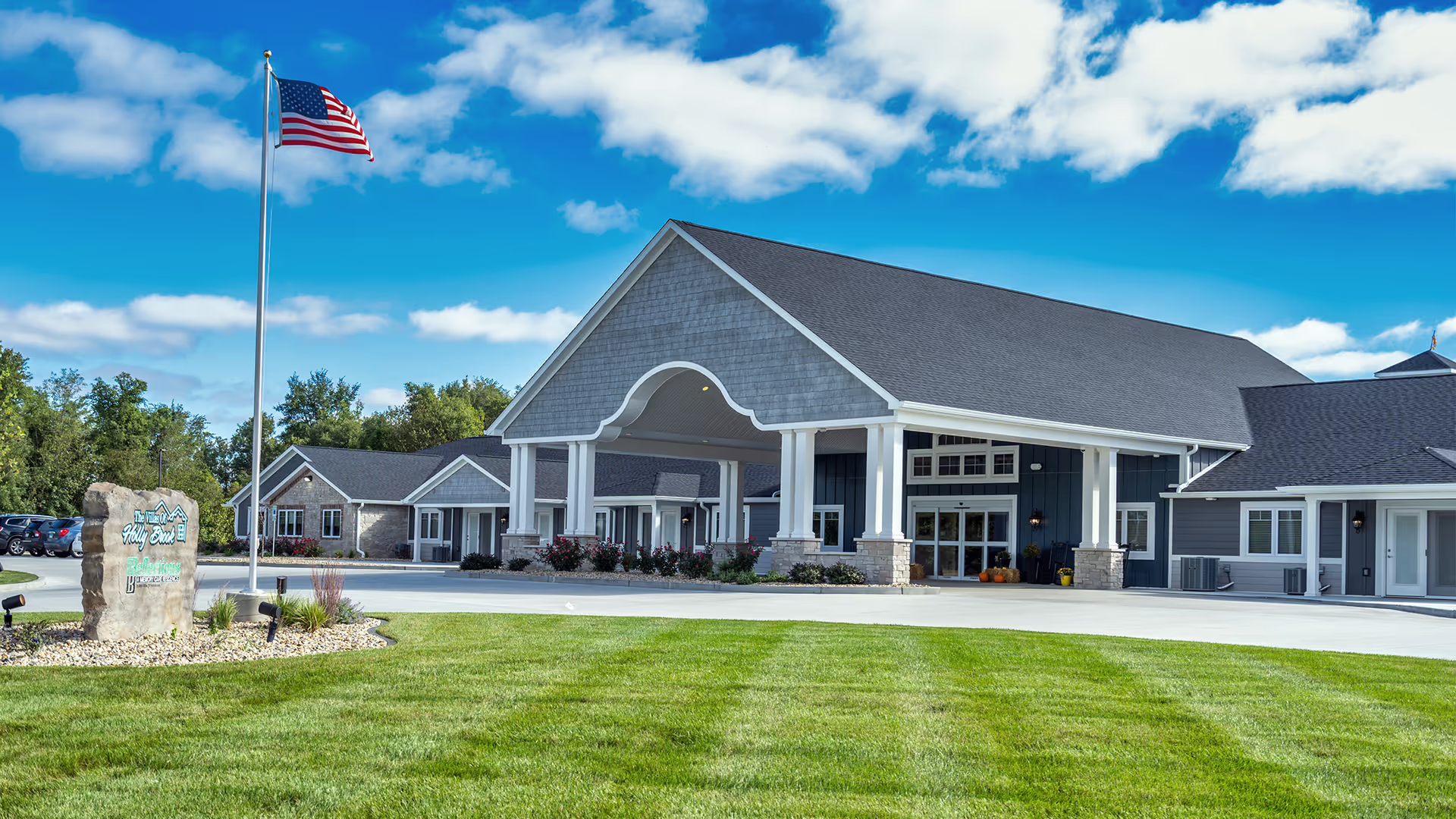
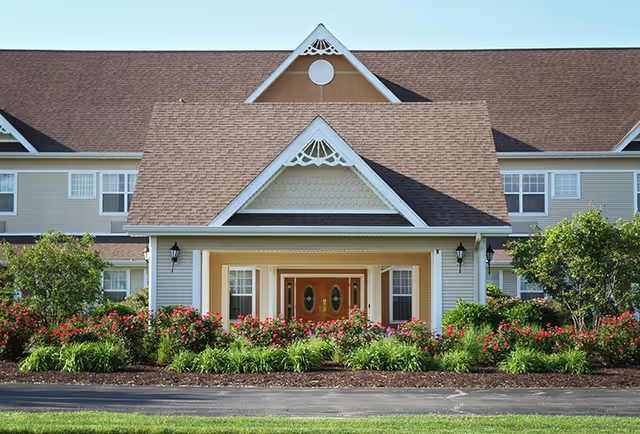
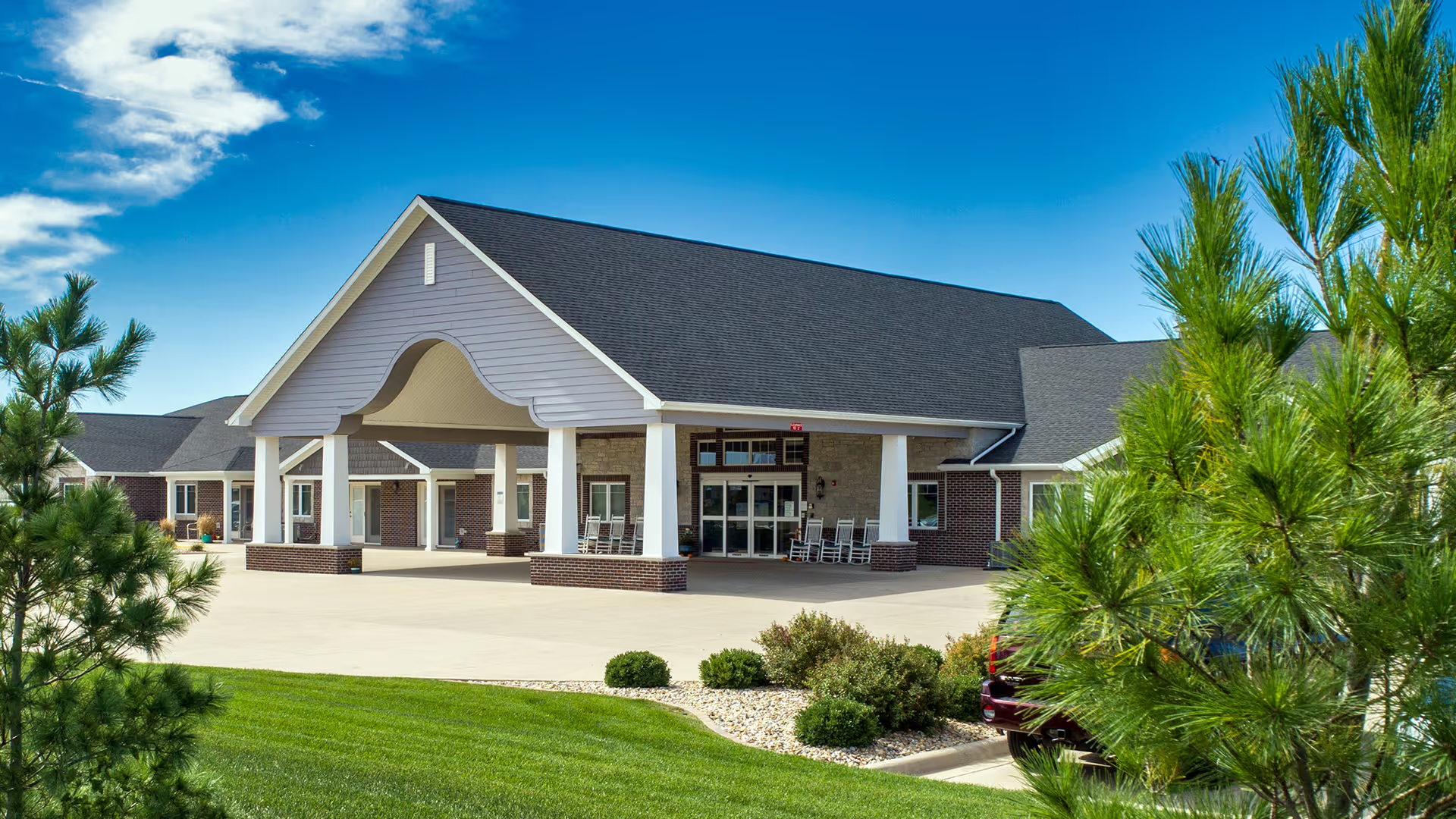
Independence Village presents as a large, hotel-like senior community with a pronounced emphasis on social engagement and an available continuum of care. Strengths repeatedly cited include a compassionate, attentive staff culture, 24/7 front-desk coverage, and on-site clinical supports — including home-care CNAs/LPNs, rehab services, hospice support, and memory-care options. The building layout and communal areas are described as bright and spacious, with many recent renovations and amenities such as a theatre room, library, beauty shop, and valet/bus services that support resident independence.
Care quality and staffing are mixed in the reviews. Many families praise skilled, responsive caregivers and the convenience of staying in the same apartment when care needs increase. At the same time, reviewers described variability in staffing and turnover that has affected consistency of assistance, timeliness of responses, and housekeeping/maintenance responsiveness during peak periods. A minority of reviews raised serious concerns about delayed assistance and injury-related incidents; these were not presented as the community norm but are significant enough to warrant direct discussion with leadership and careful review of care protocols during a tour.
Staff culture is one of the community's most frequent positives: employees are often described as knowing residents by name, engaging proactively, and creating a family-like atmosphere. Several executive-level staff members and activities leaders received individual praise for responsiveness and involvement. Operationally, however, there are occasional communication gaps at the front desk or with management, and reviewers noted periodic turnover that can affect continuity. Billing and ancillary-fee clarity also emerged as a recurring operational weakness; prospective residents should ask for explicit fee schedules and contract terms.
Dining is a highlighted amenity in structure (restaurant-style service, assigned seating options, and meal-delivery), but quality and consistency are areas of concern. Many residents enjoy the variety and chef-prepared offerings; others reported inconsistent food temperature, seasoning, portioning, and service delays tied to kitchen turnover. Families frequently recommend sampling meals and asking about dining routines and staffing during a visit.
The activity program and social environment are strong selling points: a full calendar of daily activities, frequent outings, live music, happy hours, and targeted classes were commonly praised for promoting engagement and social well-being. A small number of reviewers found the schedule crowded or noted limited activity options that appealed to some male residents; some also mentioned a lack of enforced quiet periods in busy communal areas.
Facilities are generally described as clean and well-maintained with recent remodeling in many areas, though renovations leave some amenities in transition. Apartment units tend toward modest square footage with limited storage; two-bedroom units are less available. Connectivity infrastructure was noted as limited in places (DSL-only internet in some units) with plans for Wi‑Fi upgrades mentioned by staff. Pet policies and transportation services are positives, but reviewers also noted occasional sanitation concerns in corridors related to pet traffic and high resident volume.
Overall pattern: strong interpersonal care culture, active social programming, and a broad care continuum counterbalanced by operational gaps in consistency — especially around dining, staffing continuity, maintenance responsiveness, fee transparency, and some clinical responsiveness. Prospective residents and families would benefit from an in-person meal, direct questions about staffing ratios and clinical protocols, a review of fee schedules, and a tour that includes recently renovated and still-under-construction areas. These steps will help confirm whether the community’s strong social environment and available clinical services match an individual’s care and lifestyle priorities.