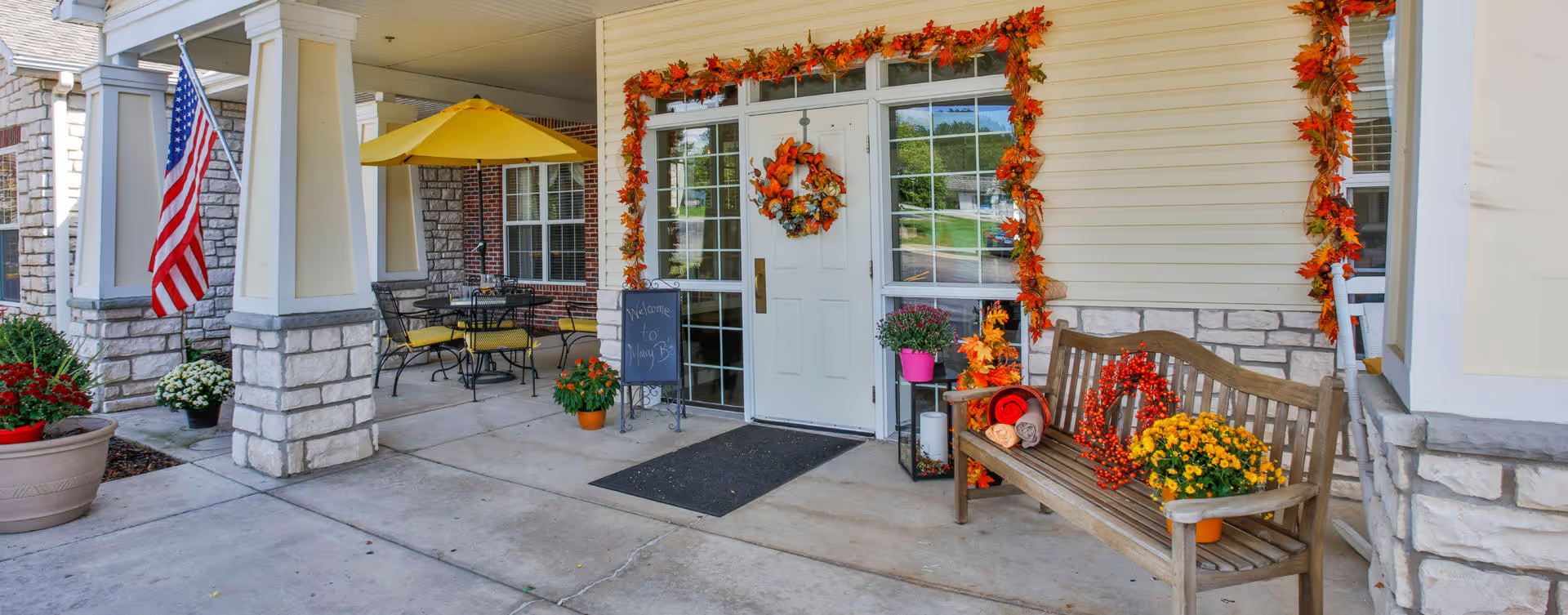
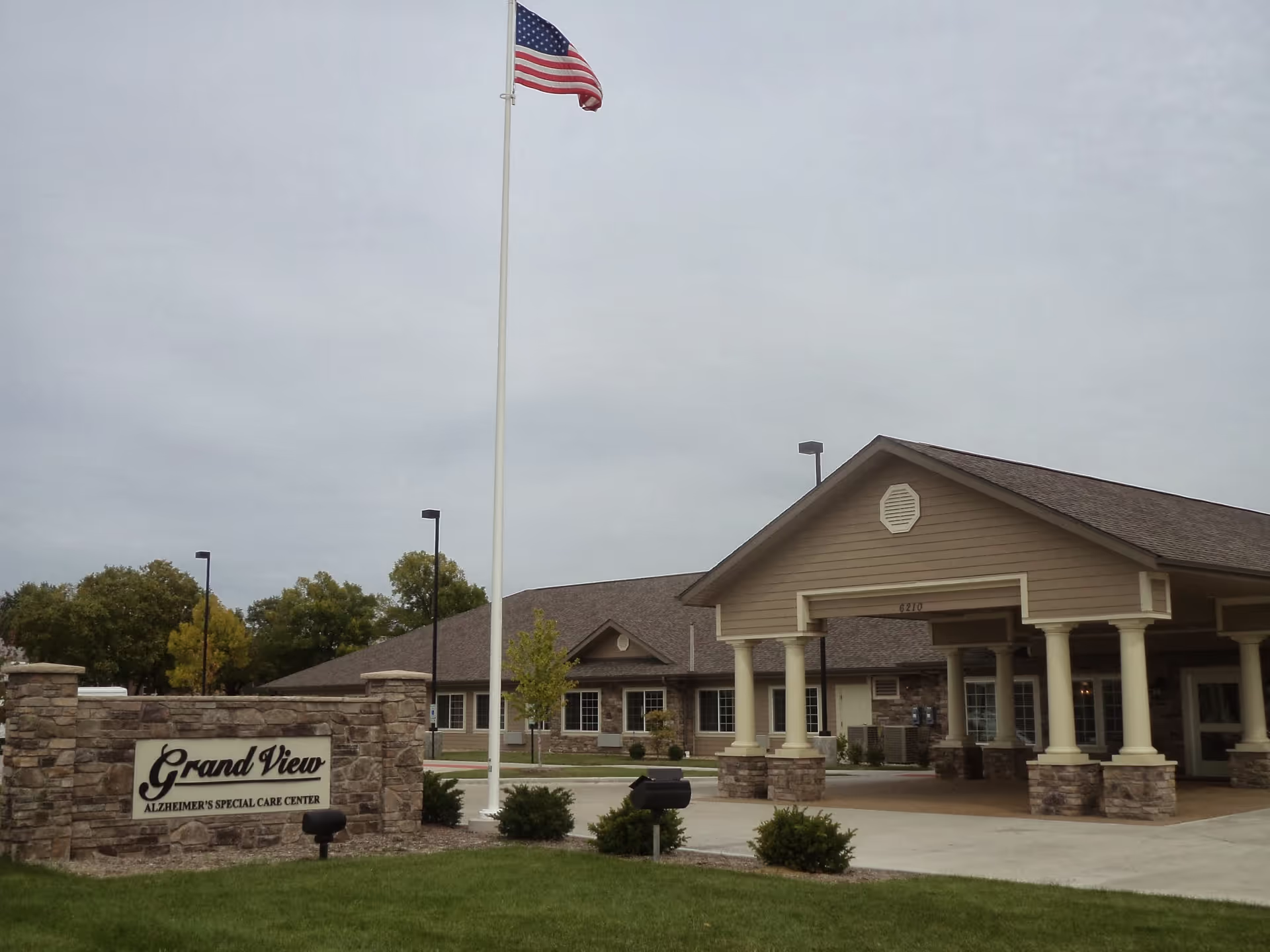
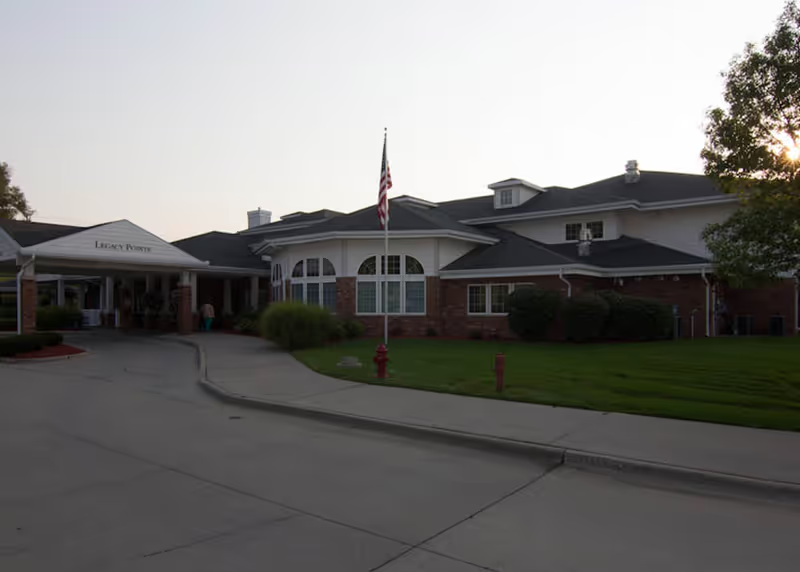
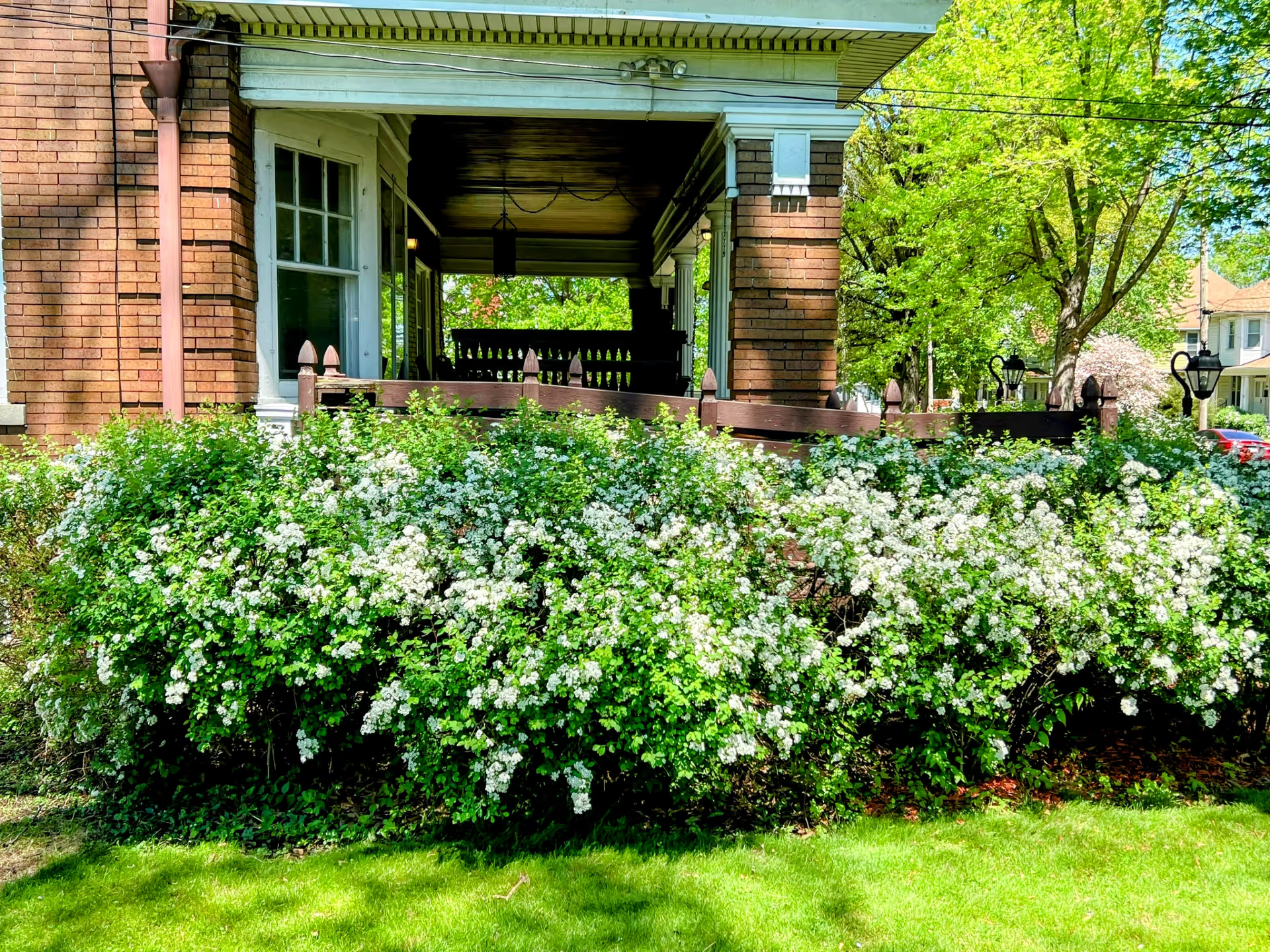
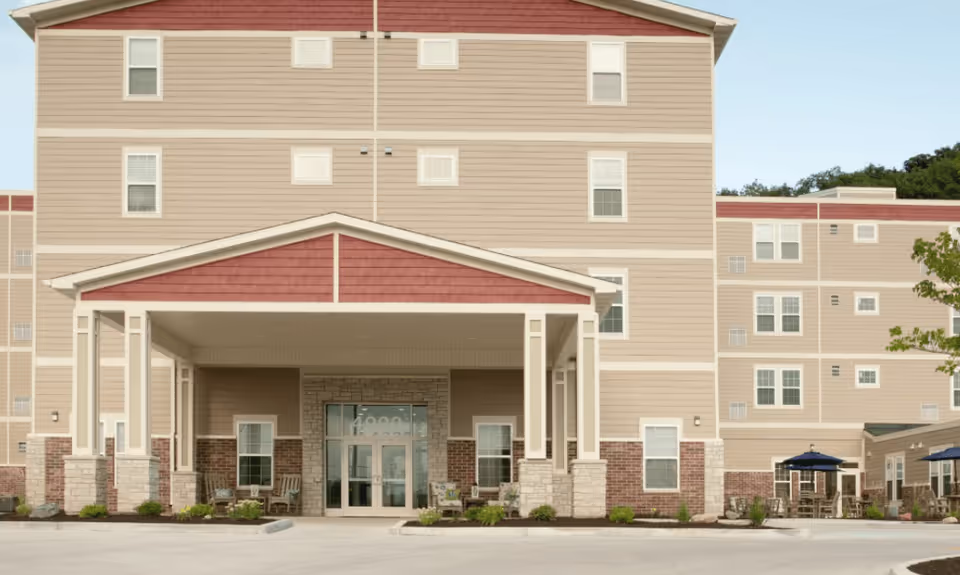
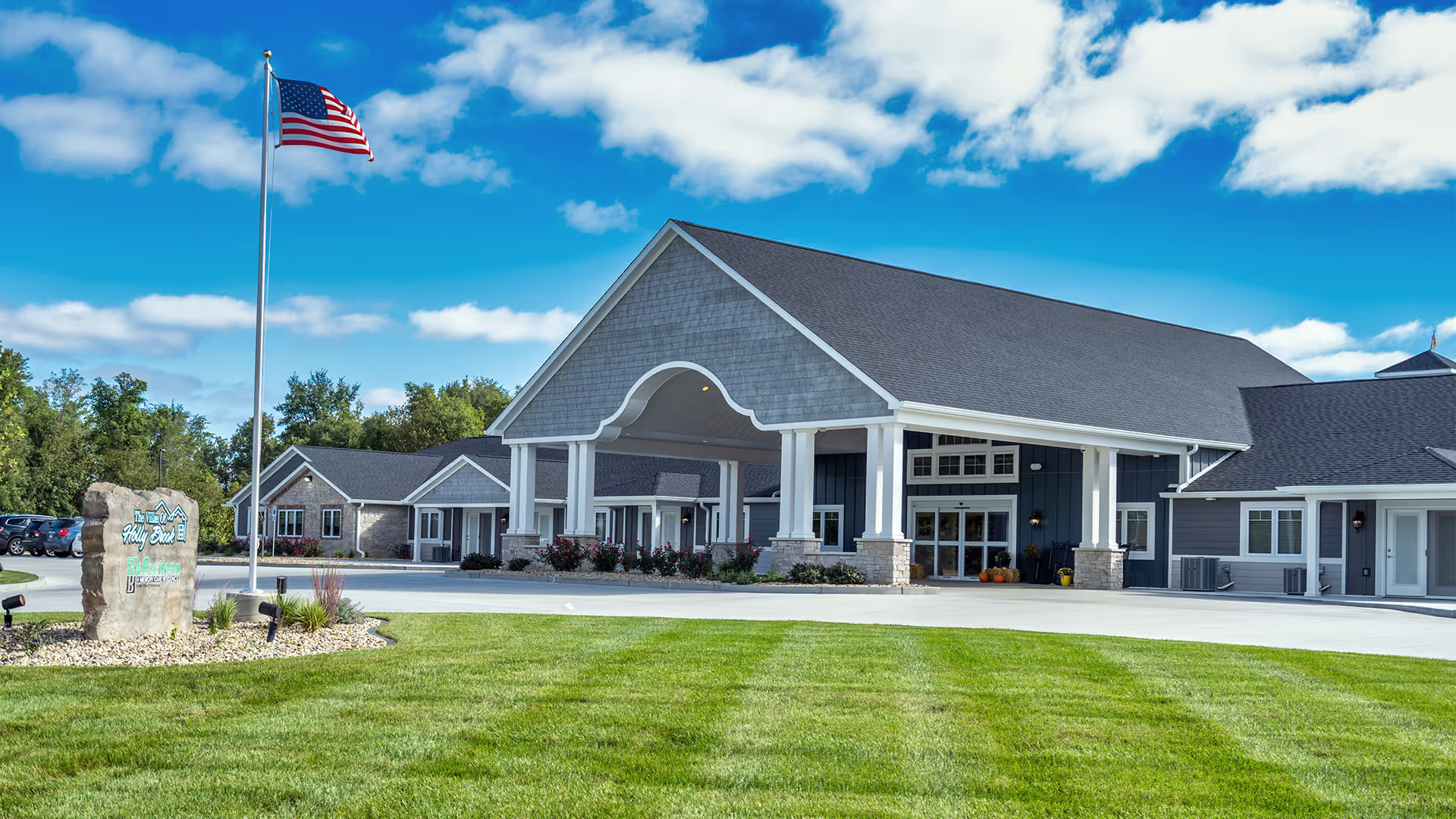
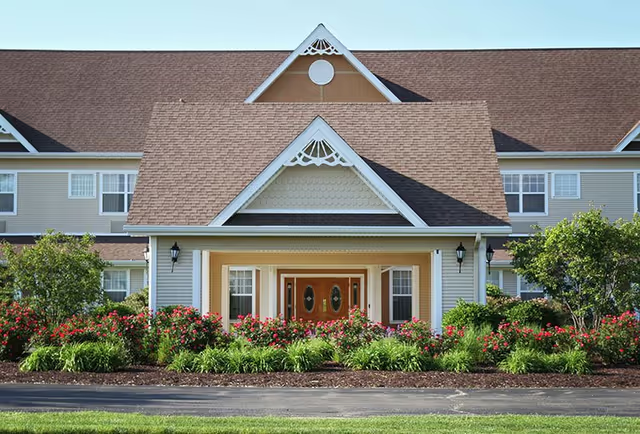
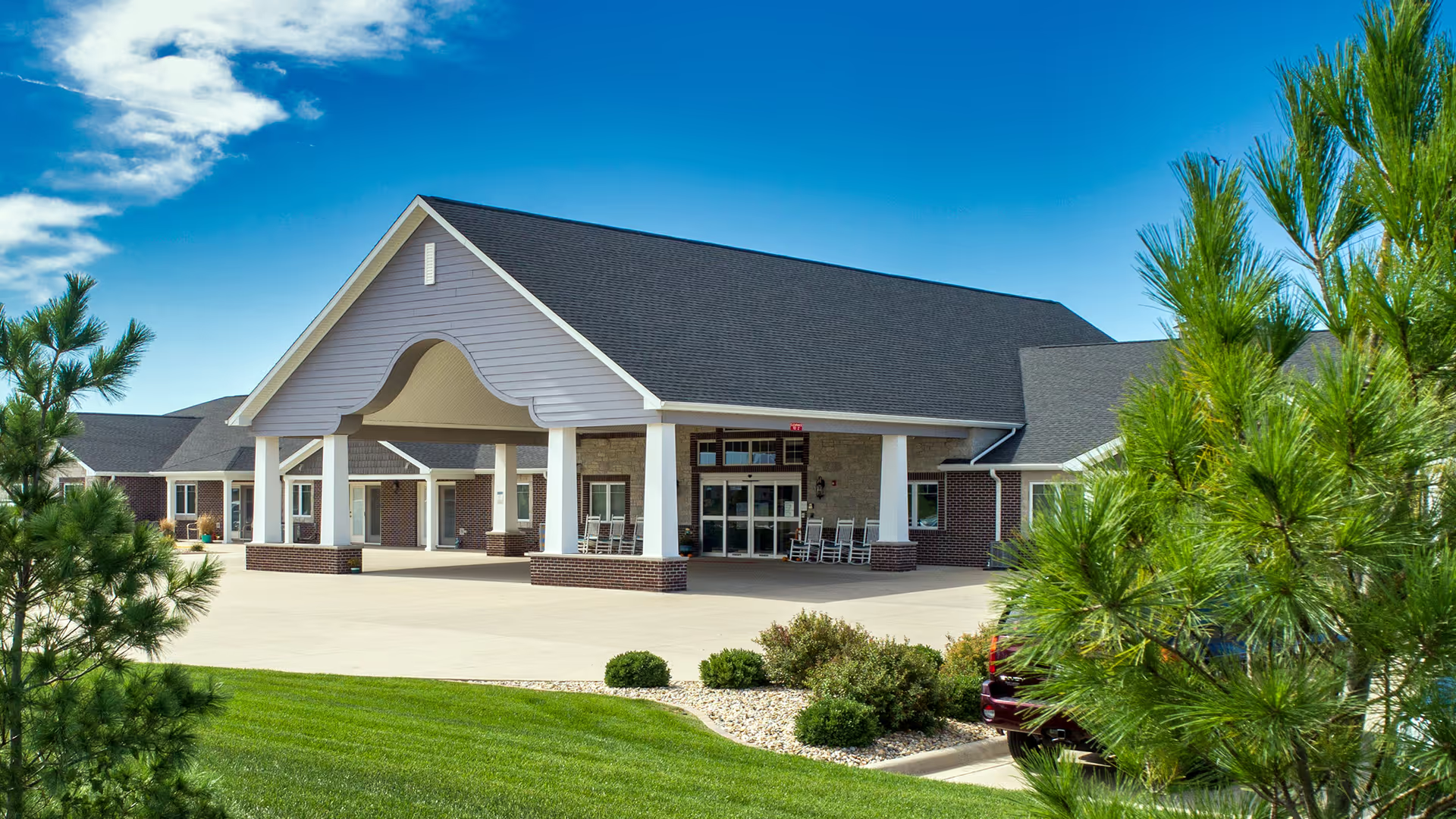
Overall impression: The community is frequently described as a newer, well-maintained, and attractive senior-living environment with hotel-like finishes, landscaped grounds, and spacious apartments. Many families highlighted the facility’s aesthetic qualities, prompt maintenance, and a generally clean, pleasant communal atmosphere. These physical attributes contribute to an easy transition for some residents and a strong first impression for visitors.
Staff and care quality: Staff empathy and interpersonal warmth are recurring strengths; numerous comments cite compassionate, friendly caregivers, attentive nurses and aides, and personalized resident greetings. Therapy services (physical and occupational) are specifically called out as strong. At the same time, reviewers also describe operational inconsistencies: staffing levels and clinical coverage fluctuate, medication-administration practices and nursing availability (including overnight coverage) have been questioned, and some families experienced uneven follow-through on care expectations. In short, interpersonal care is a clear strength, but families should probe current staffing ratios and clinical coverage during evaluation.
Dining and nutrition: The dining program is a mixed picture. The community offers family-style dining areas, an on-site café, and generally varied, nutritious menus that many residents enjoy. Several reviewers praised meal variety and residents’ appetites. Conversely, others noted service issues when meals were delivered to rooms, occasional slow dining service, and a tendency toward institutional batch-style preparation (with comments about higher-salt or sweeter menu items). Prospective families may want to sample meals, observe service flow during peak times, and ask about meal-delivery processes.
Activities and memory care: The community maintains an active calendar with crafts, bingo, entertainers, local outings, and social opportunities; staff engagement with activities is frequently appreciated. Memory-care programming is described in two ways: some families praised a thoughtful, individualized Alzheimer’s approach and calming spaces (for example, sensory-focused rooms), while other accounts indicate limited or less-robust activity options in some memory-care units. Activity availability has also been affected at times by external restrictions (for example, paused bus trips or temporary program reductions). Clarify the current memory-care activity schedule and staffing models for consistent delivery.
Management, communications, and costs: Reviewers commonly note responsive maintenance and an accessible front desk; however, there are repeated remarks about management communication lapses, broken promises, and occasional unprofessional interactions. Cost and contract clarity are additional concerns—some families describe pricing stability as a benefit, while others called costs high and felt additional care needs were not reflected in pricing. When evaluating the community, ask for written details on fees, care-level escalation, transfer policies, and how management handles family concerns.
Notable patterns and recommendations: The strongest, most consistent positives are the facility’s environment, personable caregiving staff, and activity offerings. The most important operational weaknesses to investigate are staffing consistency, nursing and medication-administration practices (including overnight coverage), dining-service continuity, and management communication. Prospective residents and families should: visit during mealtimes and activities, request current staffing ratios and RN coverage schedules, review written policies on medication administration and transfers, ask about housekeeping schedules, and obtain clear contractual pricing and transport policies. These targeted inquiries will help align expectations with the community’s strengths and identify any operational gaps that matter most to your situation.