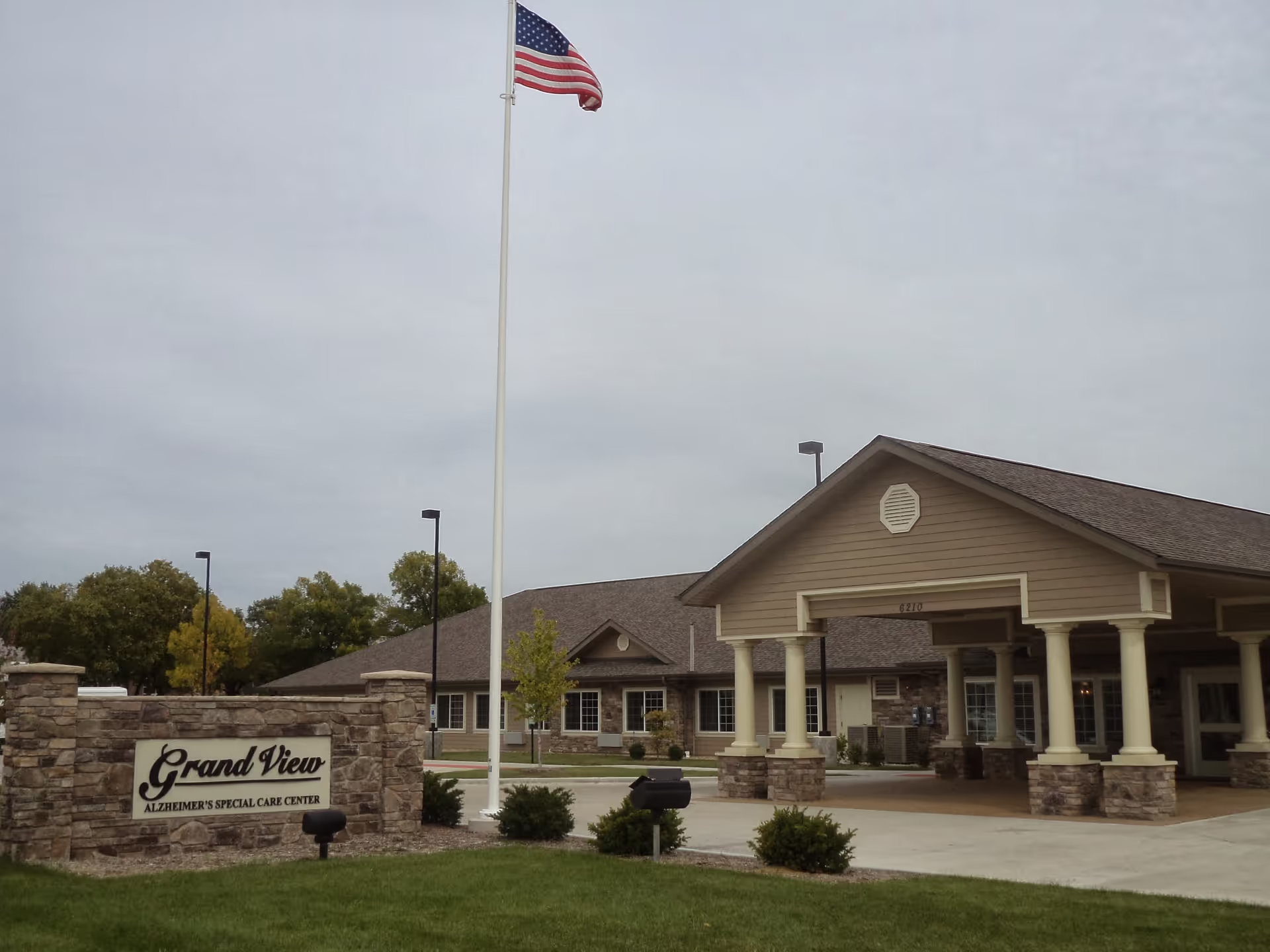
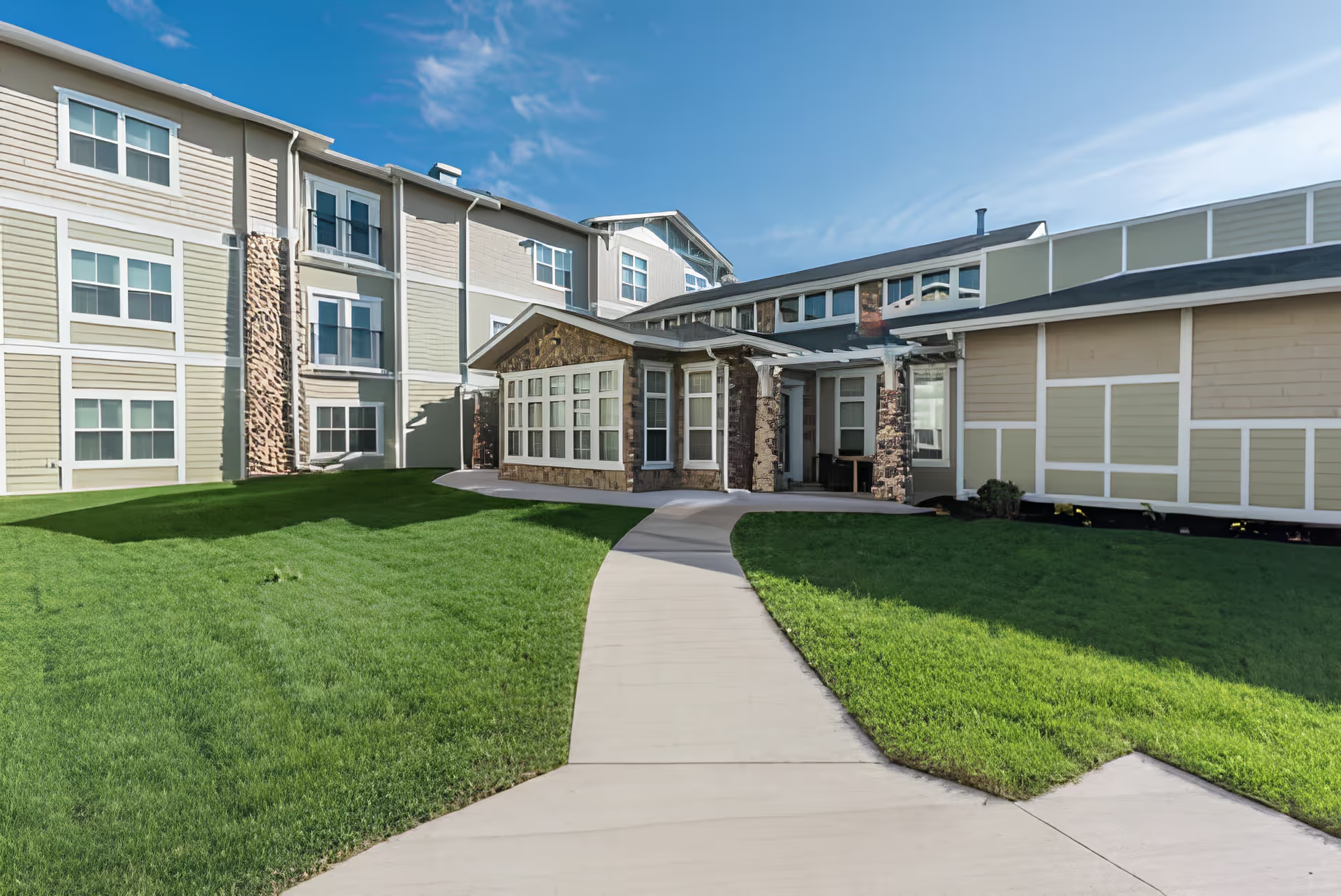
Serenity presents as a modern, well-kept senior living community with many strengths in physical environment, dining, and weekday programming. Reviewers consistently highlight the facility’s attractive, tastefully decorated interiors, private one‑bedroom apartment options, and general cleanliness. The community's restaurant-style dining and chef-prepared menus, along with a bistro and varied menu choices, are frequently described as strong points that contribute to resident satisfaction. Housekeeping and infection-control practices (including COVID-19 adaptations) are also commonly cited as effective.
Care and staffing receive mixed but substantive commentary. Numerous families describe compassionate, respectful, and individualized caregiving—staff who know residents by name, provide personal attention, and maintain a safe atmosphere. The facility’s relatively high caregiver-to-resident ratio and availability of CNAs are noted as positive contributors to day-to-day care. At the same time, there is a discernible pattern of concern about staffing stability: reviewers mention turnover and a perceived decline in consistency and responsiveness after administrative changes. These patterns translate into variability in how reliably care needs are met over time.
Dining and activities are important anchors for resident quality of life at Serenity. The community offers a robust activities calendar with music, art, and social programming that many residents find engaging and helpful for forming friendships. However, programming appears concentrated during weekdays; several comments indicate limited evening and weekend options. A related facility-level limitation is the constrained availability of large open common spaces, which can restrict informal socialization. While the food and dining concept are praised, there are also operational concerns about dining-room service execution and occasional disruptions in meal delivery or dining-room coordination.
Operational and management issues are another notable theme. Some families praise admissions and front-line staff for being accommodating and communicative, but others describe reduced empathy or transparency after leadership or administrative changes. Specific operational weaknesses include gaps in after-hours access/control procedures and inconsistent pet supervision in common areas, both of which raise practical safety and convenience questions. Communication inconsistency—both in day-to-day responsiveness and in administrative transparency—was raised as a reason for concern by some families.
Overall, Serenity’s principal strengths are its environment, dining, and many devoted direct-care staff, which together create a positive experience for many residents. Prospective residents and families should weigh those positives against recurring operational concerns: ask directly about current staff turnover rates and staffing models, after-hours access policies, pet-management rules, the reliability of dining-service procedures, and the schedule for evening and weekend programming during a tour. Doing so will help determine whether the community’s strengths align with a particular resident’s needs and expectations.