The Loft of East Peoria elicits strongly polarized impressions. Many families describe a facility capable of delivering high-quality short-term rehabilitation and attentive daily nursing care, while a substantial number of other accounts identify systemic operational gaps that materially affect resident experience. Overall, the pattern suggests that the facility can provide excellent therapy and compassionate direct care when staffing and coordination are functioning well, but that those strengths are not consistently sustained.
Care quality and clinical services: Positive comments center on effective therapy programs, solid post-hospital recovery outcomes, and several nurses and CNAs who are described as attentive and skilled. Rehabilitation services and activity engagement are repeatedly cited as strengths for residents recovering from hospitalization. Conversely, recurring concerns involve slow responses to call bells, delays in addressing toileting and bathing needs, medication delays or coordination problems with the pharmacy, and instances of inadequate monitoring that have been associated with falls and other safety events. These patterns point to variability in daily clinical follow-through rather than a uniform standard of care.
Staff and conduct: Reviewers name individual staff who are highly valued and helpful, and many report positive, warm interactions with CNAs, therapists, and some nurses. At the same time, there are frequent comments about inconsistent bedside manner, abrupt or unprofessional communication, and occasions when staff training or qualification appear insufficient for care tasks. High staff turnover and coverage gaps—particularly overnight and on weekends—are repeatedly linked to many of the operational failures noted by families.
Dining and activities: Dining and activity programming are cited as meaningful positives. Several reviewers praise particular menu items and an active schedule of social and therapeutic programming. However, meal consistency and beverage/hydration availability are areas of concern for some families, with isolated complaints about poor meal quality or limited options during certain shifts.
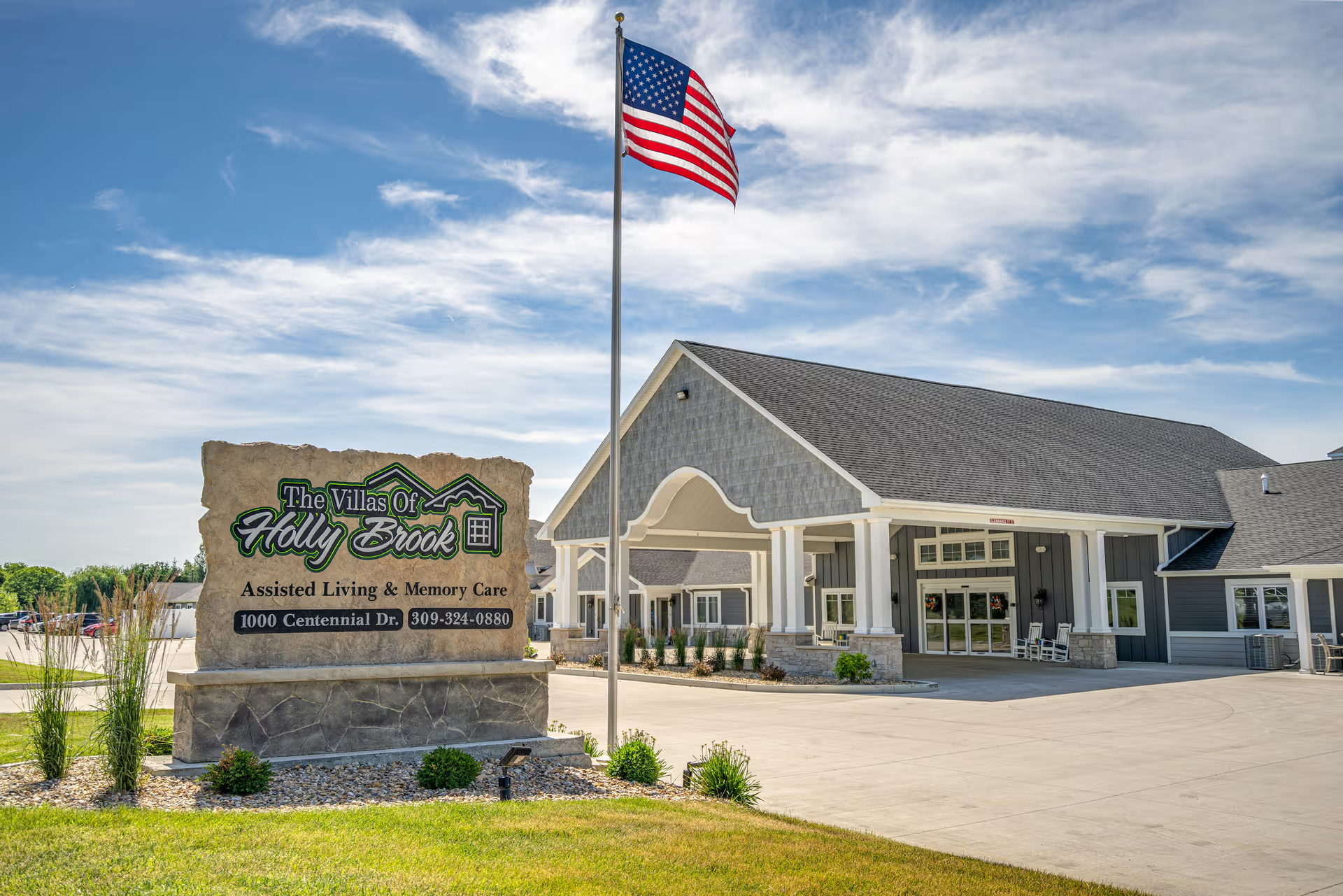
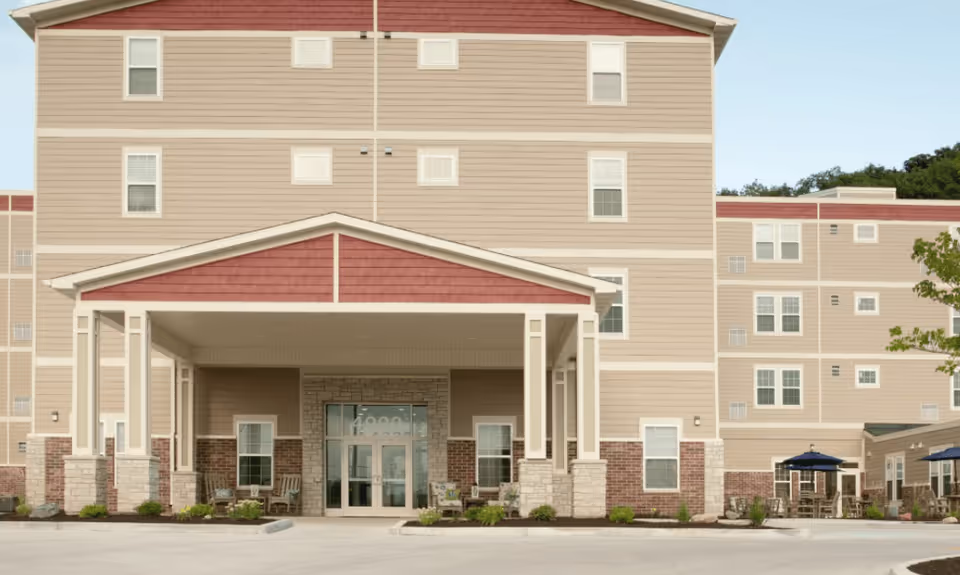
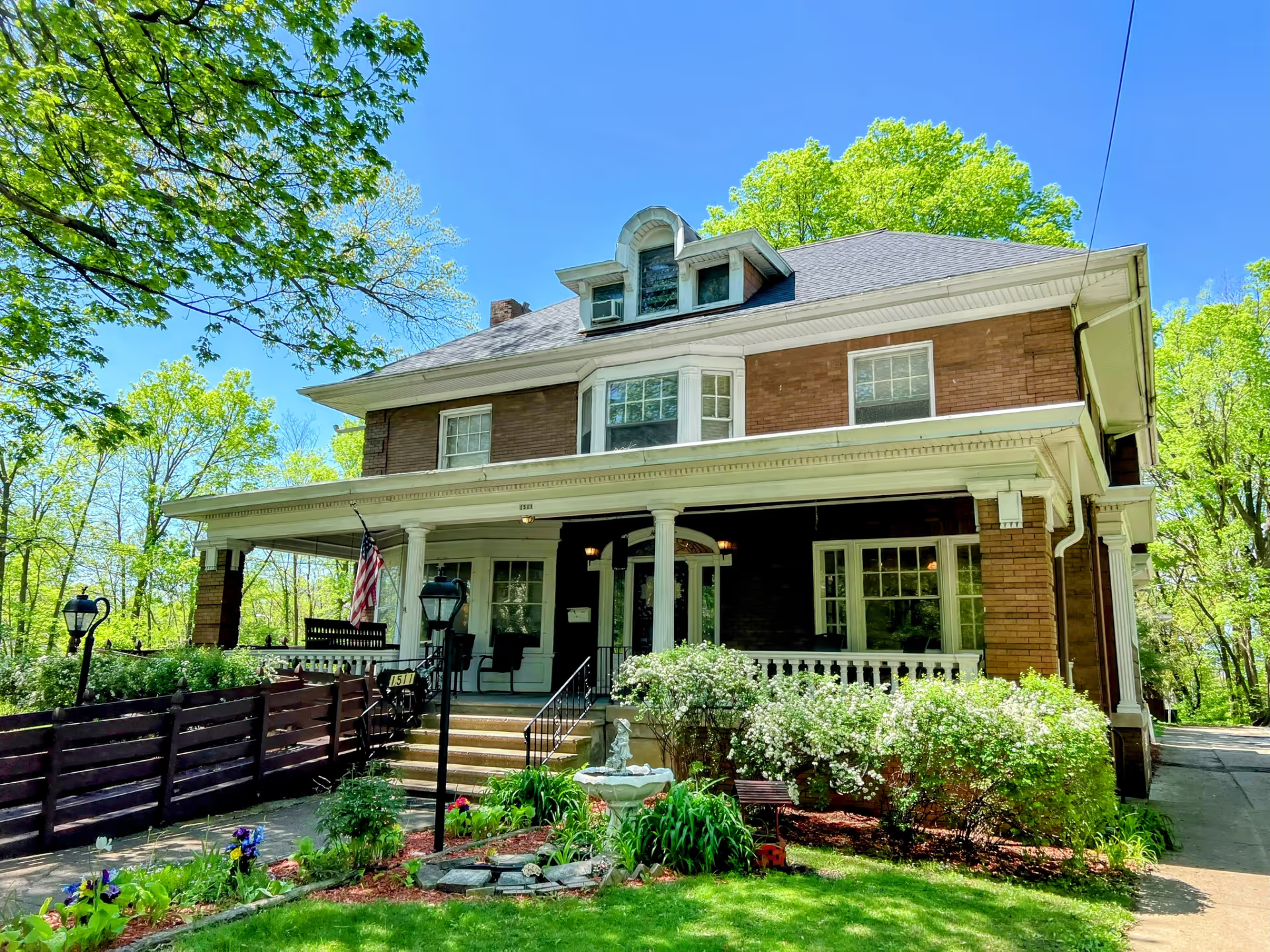
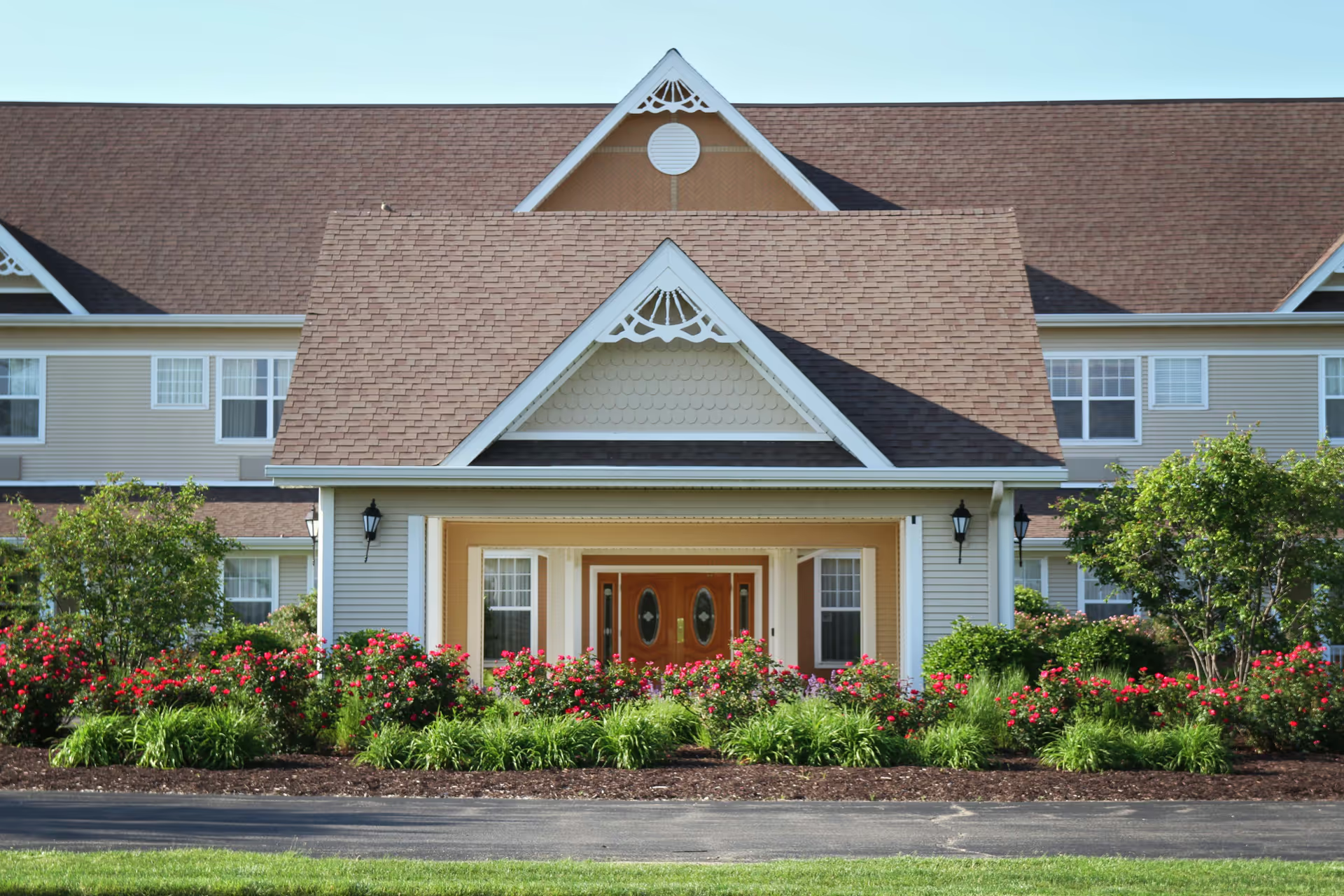
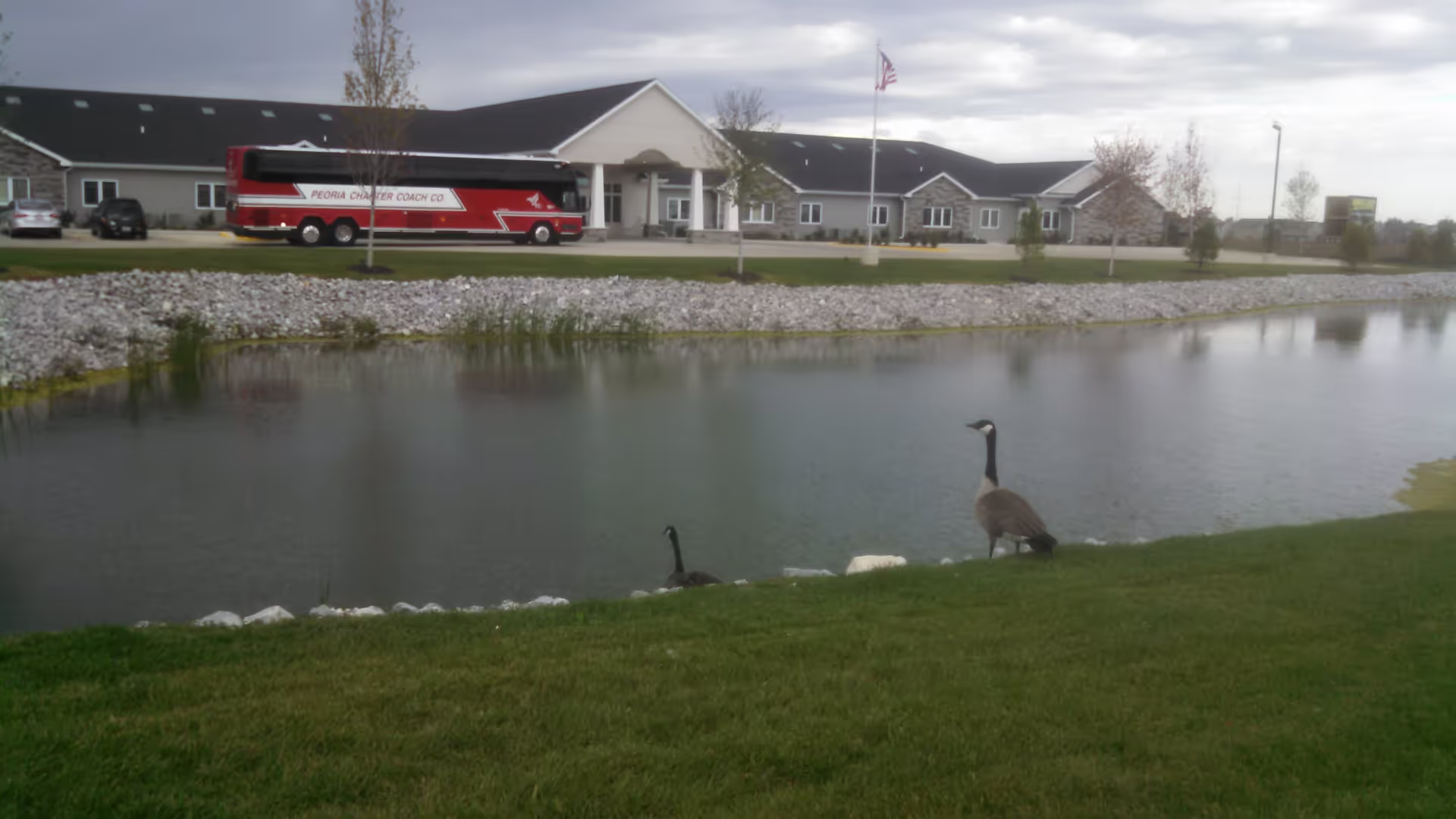
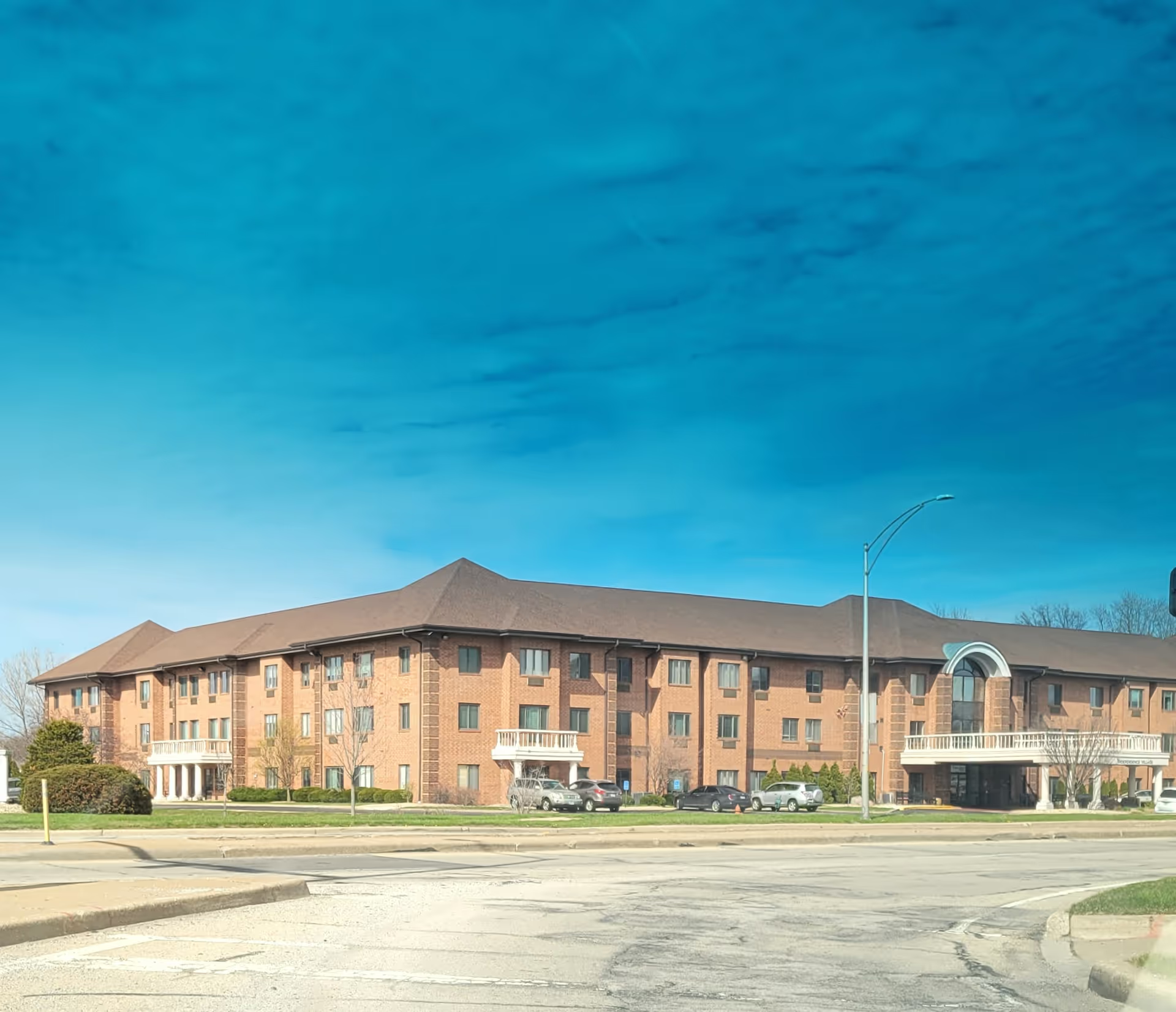
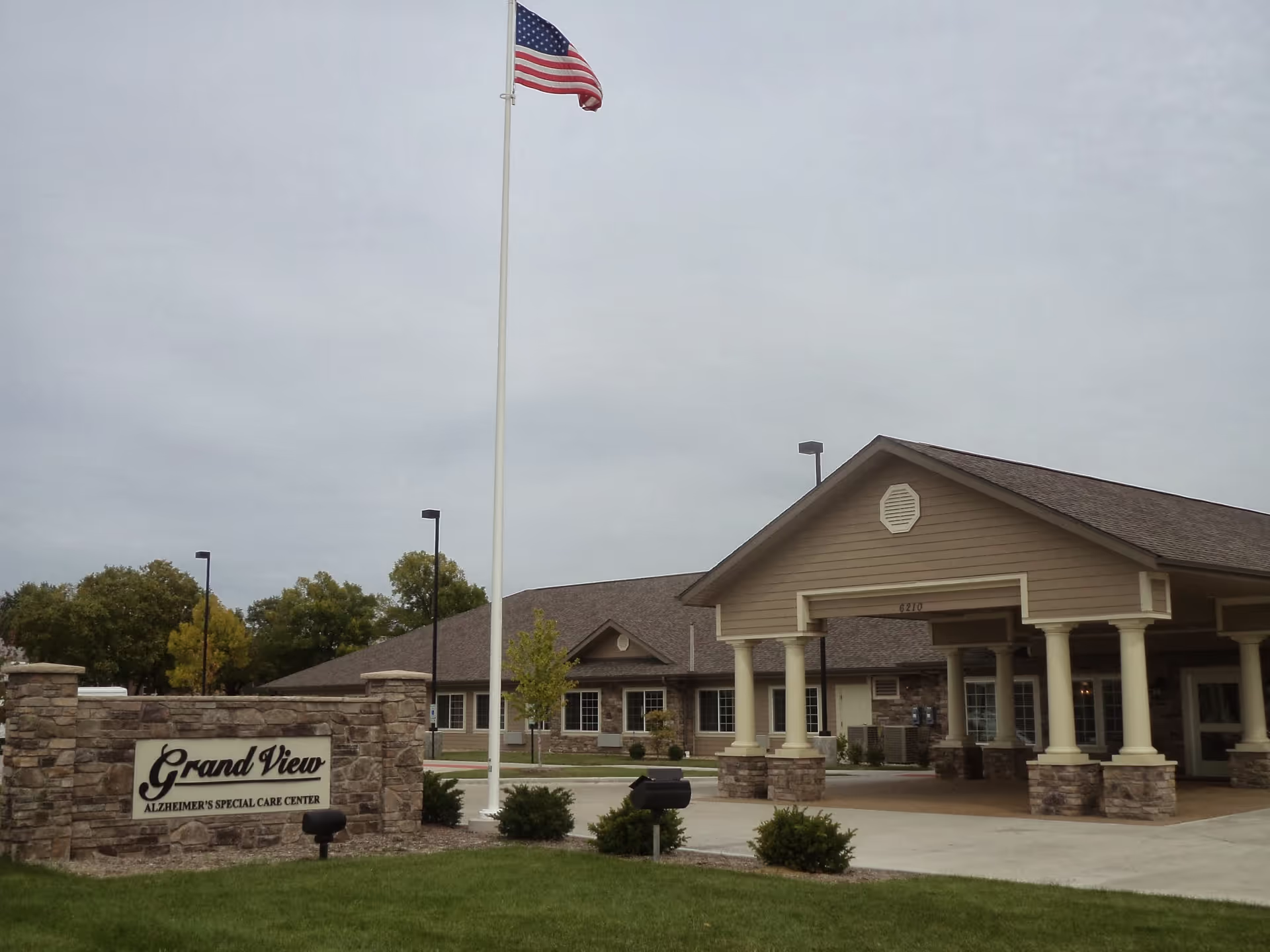
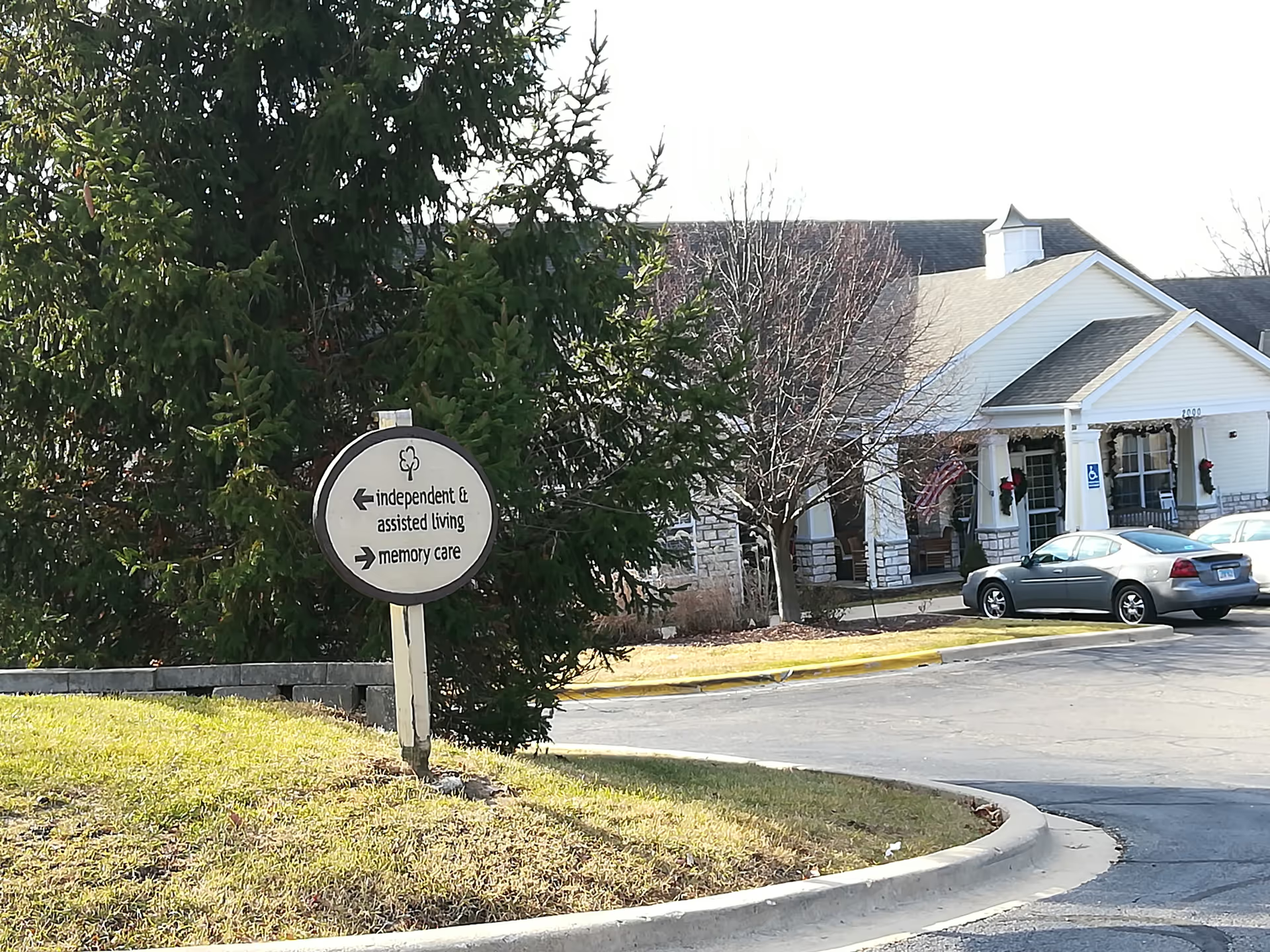
Facilities and operations: The building and common areas receive favorable comments for being bright, recently renovated, and inviting. At the operational level, reviews indicate inconsistent housekeeping, laundry mix-ups, and occasional equipment or room-maintenance issues (for example, broken furniture or nonfunctional fixtures). Supply-management shortcomings are also mentioned and may contribute to interruptions in routine care.
Management, communication, and compliance: Experiences with administration and communication are mixed. Several families describe responsive, clear communication and proactive problem resolution from specific managers, while others report poor follow-up, billing or financial-focus concerns, mishandling of personal belongings, and restrictive visitation practices during infection-control periods. A subset of reviews raises very serious allegations and refers to regulatory attention; prospective families should consider checking current inspection records and Ombudsman contacts for up-to-date regulatory status.
Notable patterns and guidance for families: The dominant theme is variability—excellent care and strong rehabilitation are possible, but not consistently guaranteed. Patterns that consistently appear across reviews include understaffing at night/weekends, slow call-button response times, intermittent lapses in personal-care routines, and occasional medication or coordination failures. For prospective residents and families, recommended steps include in-person visits at varied times (including evenings/weekends), asking for current staffing ratios and on-call coverage, reviewing medication-management and fall-prevention protocols, requesting recent inspection reports or Ombudsman feedback, and obtaining written care plans and escalation pathways. These inquiries can help determine whether the facility’s current operational practices align with the level of care a particular resident requires.