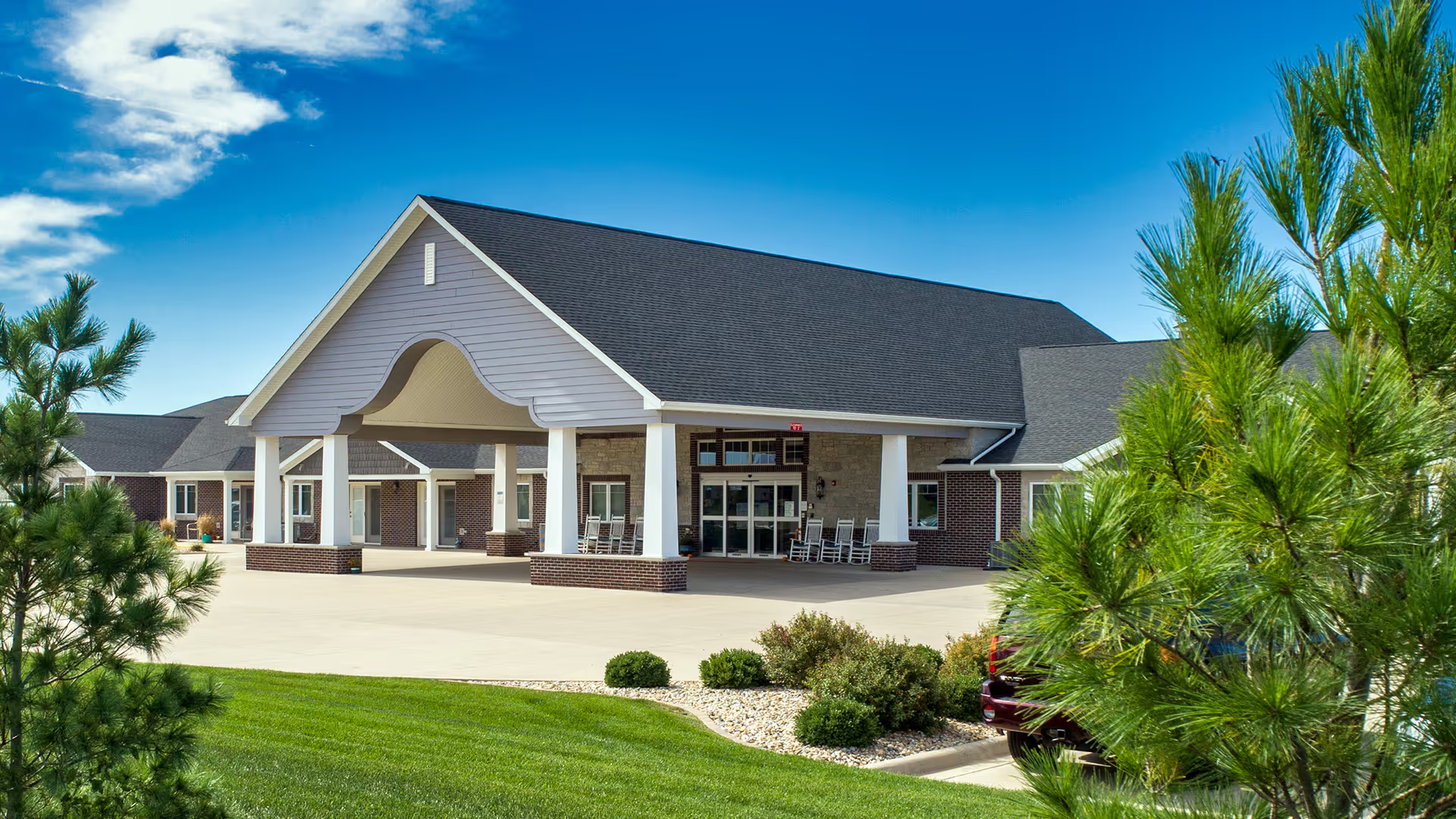
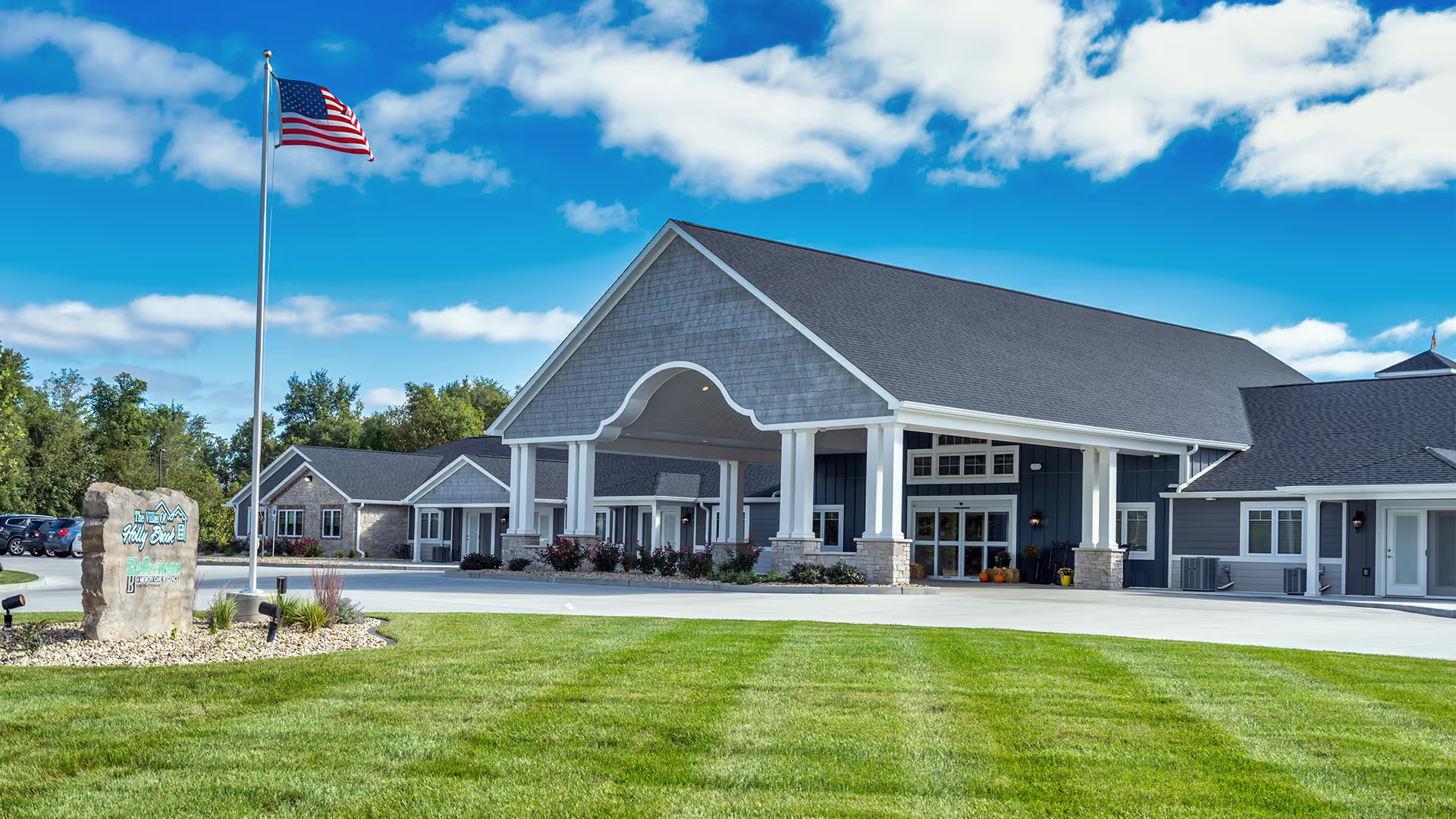
The Loft Rehabilitation & Nursing presents a mixed profile: many families and former residents praise the facility’s compassionate front-line staff, well-maintained environment, and a highly regarded rehabilitation program, while other accounts raise serious operational concerns that merit careful inquiry.
Care quality and clinical oversight: Clinical strengths center on a strong therapy department and staff who are knowledgeable about rehabilitation goals; several accounts describe successful therapeutic outcomes and discharge home. At the same time, reviews indicate significant concerns about medication-management controls, wound and skin-issue oversight, and transfer practices. These concerns point to gaps in clinical-incident response, documentation, and follow-up rather than only isolated interpersonal problems. Prospective families should ask about medication-administration protocols, transfer training, wound-prevention measures, and incident-reporting procedures during a tour.
Staff and management: Many reviewers describe staff as kind, respectful, and willing to go above and beyond, contributing to a warm, family-like atmosphere. Management responsiveness appears uneven: some families report prompt communication and resolution of issues, while others cite poor organization, inconsistent documentation, and variability across shifts. Understaffing and shift-to-shift variability are recurring operational themes that correlate with reports of delayed assistance and inconsistent personal-care delivery. Clarify staffing ratios, supervision structures, and on-shift leadership during the admission process.
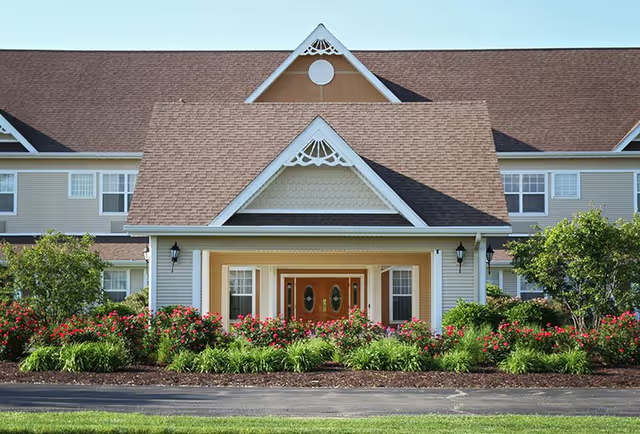
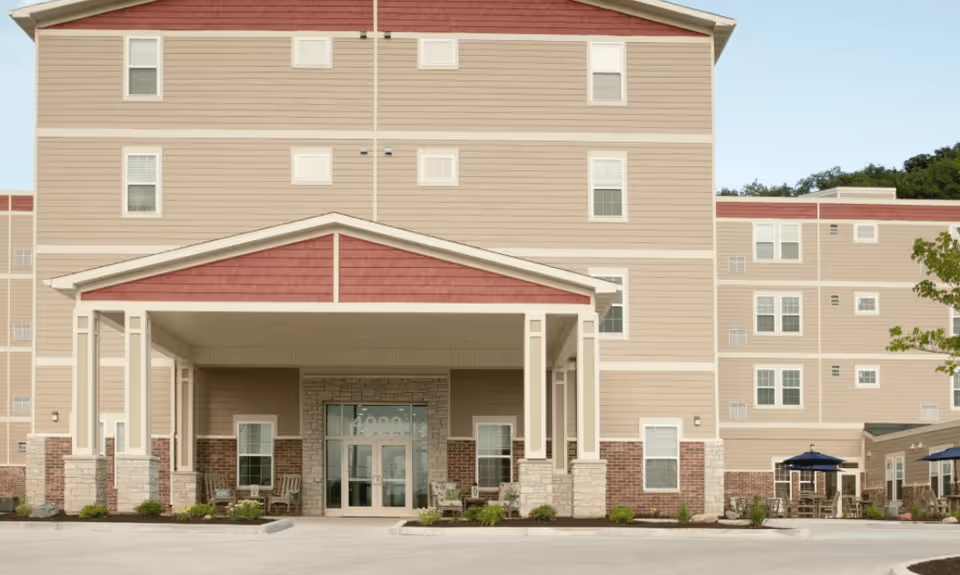
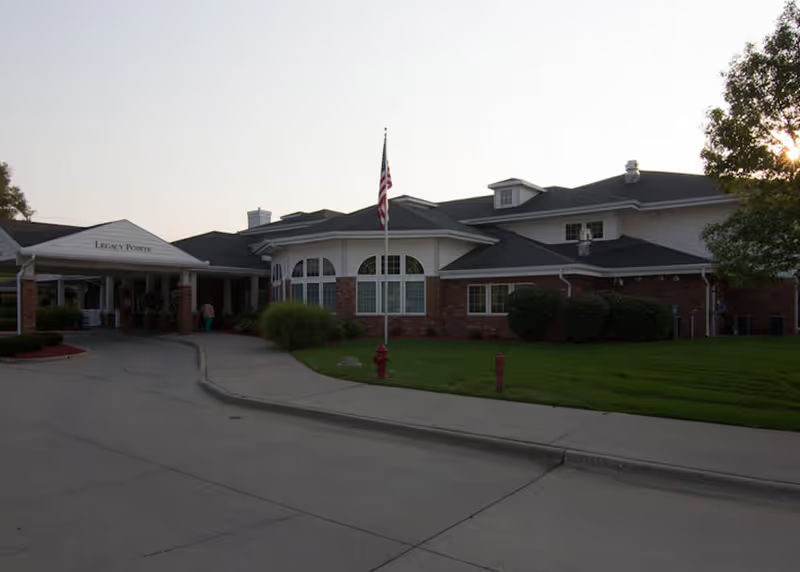
Dining, activities, and facilities: The facility receives consistent praise for cleanliness, a pleasant ambiance, and quality meals. Community engagement — such as fundraisers and organized activities — is presented as a strength that supports resident well-being. The therapy gym and rehab equipment are frequently described as state-of-the-art, and the environment is often characterized as welcoming and home-like. That said, there are isolated sanitation and odor concerns cited; inspect communal areas and housekeeping logs when visiting.
Communication and operations: Several operational weaknesses affect family communication and care continuity: limited in-room phone access and poor cellular reception have interfered with updates, though at least one report indicates phone issues were resolved after staff intervention. Reviews also identify problems with patient-location tracking, coordination of external appointments and shuttle services, and inconsistent bathing or shower schedules. These items suggest the facility would benefit from improved documentation systems and logistical coordination.
Notable patterns and recommendation: Reviews are polarized — many strongly positive experiences co-exist with serious clinical and operational complaints. The pattern suggests that quality may vary by unit, shift, or care team. For those considering The Loft, visit the facility during different shifts, request current staffing ratios, review the facility’s medication-safety and informed-consent policies, ask how wound prevention and transfer training are audited, and confirm communication channels for families. Also verify payer acceptance (including Medicaid) and tour the rehab gym if therapy is a primary consideration. These steps will help determine whether the facility’s strengths align with an individual resident’s needs and risk profile.