Franklin Grove Living and Rehabilitation Center presents a mixed profile: many families and patients praise the bedside staff, therapy services, and the facility environment, while other accounts identify recurring operational issues that can affect clinical continuity and family confidence.
Care quality and clinical services: Strengths are most evident in short-term rehabilitation and therapy. Multiple accounts describe effective PT/OT programs (often five days per week) that helped residents regain mobility, and they cite attentive therapists and nurses who provide measured, supportive care. At the same time, there are documented concerns about medication-management practices and adherence to prescribed treatments. Examples include missed or delayed respiratory and nebulizer treatments, questions about psychotropic prescribing without clear diagnoses, and episodes where clinical deterioration was not recognized or escalated promptly. These clinical-process gaps have, in some narratives, contributed to serious end-of-life concerns. Prospective families should verify current clinical protocols, escalation pathways, and medication-administration safeguards.
Staff and communication: Frontline caregivers — nurses, CNAs, therapists, housekeeping, and kitchen staff — are frequently described as compassionate, personable, and proactive. Many families highlight specific individuals and note good day-to-day interactions, meaningful family updates, and strong social-work support. Contrastingly, administrative leadership and shift-to-shift communication are recurring areas of concern. Common themes include poor intershift handoffs, inconsistent documentation, defensive or evasive administrative interactions, and a perceived lack of accountability for lost items or billing questions. Staffing shortages and staff being overextended emerge as an underlying factor tied to communication breakdowns and inconsistent follow-through.
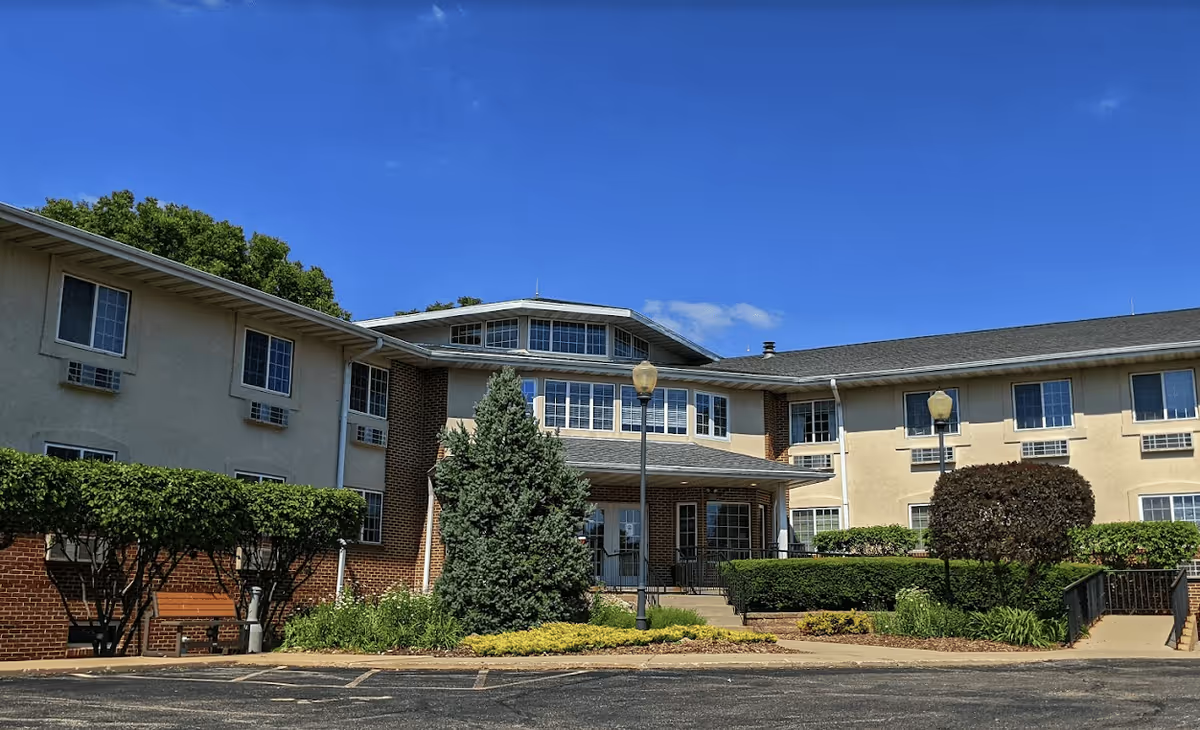
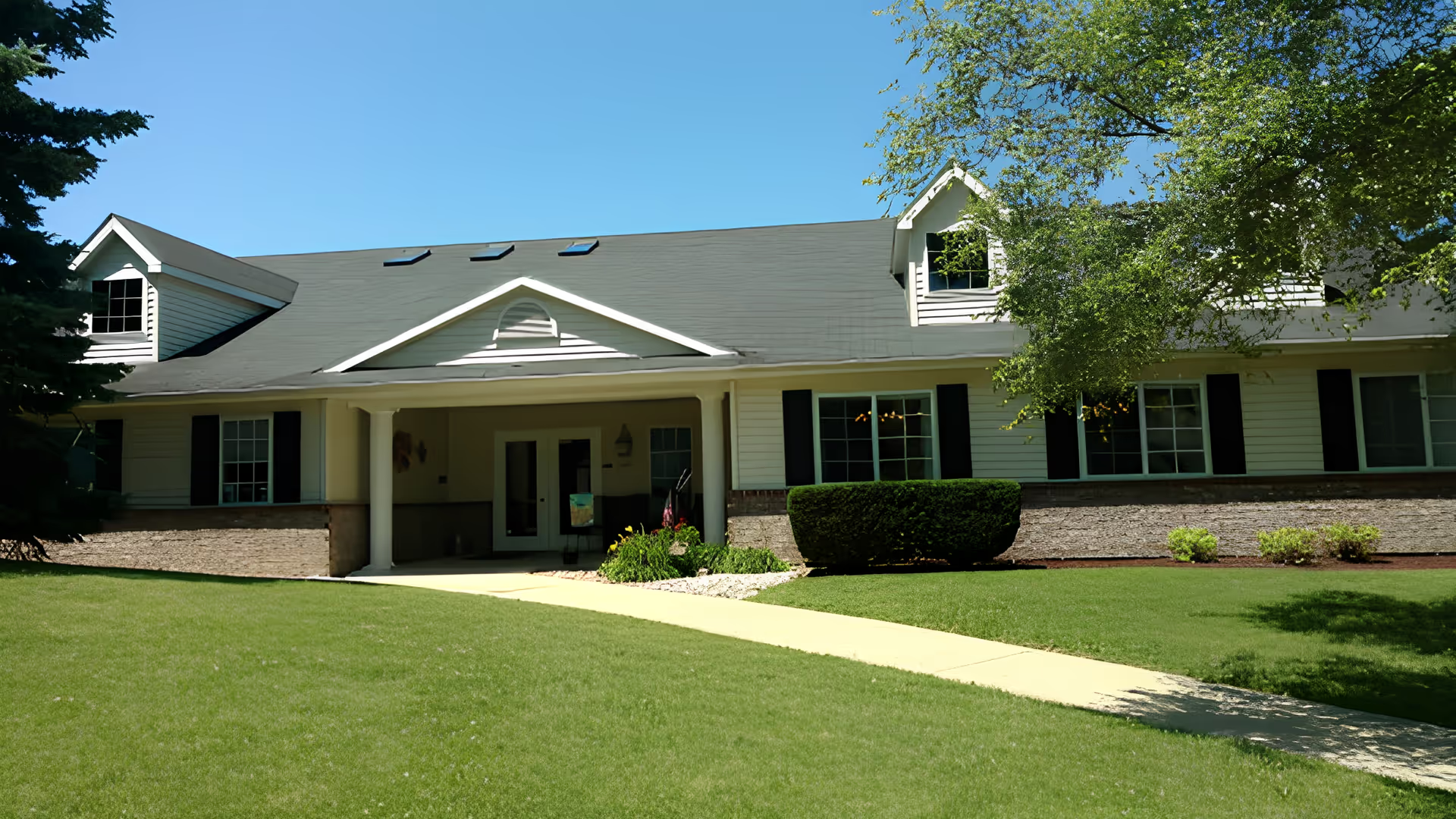
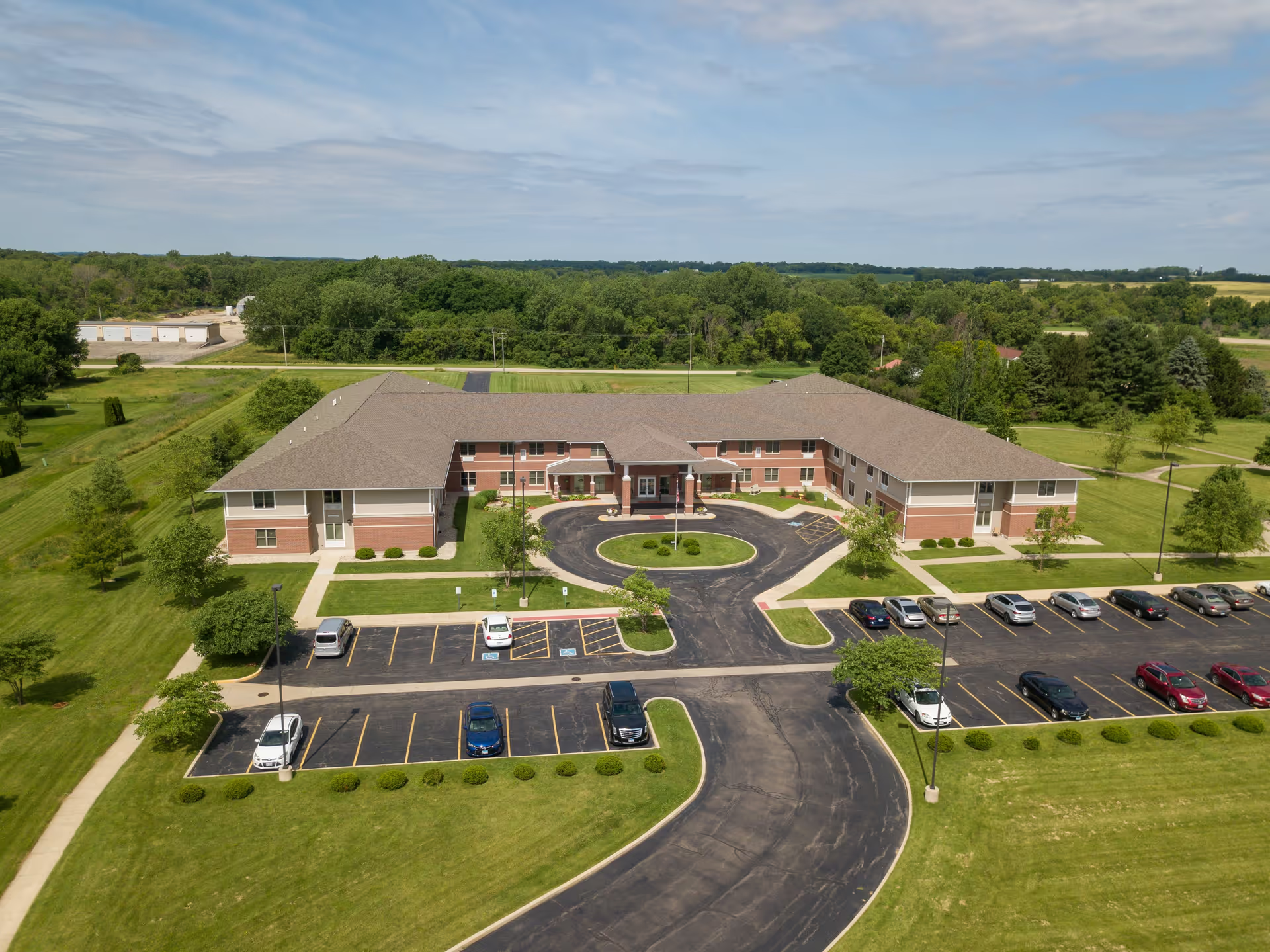
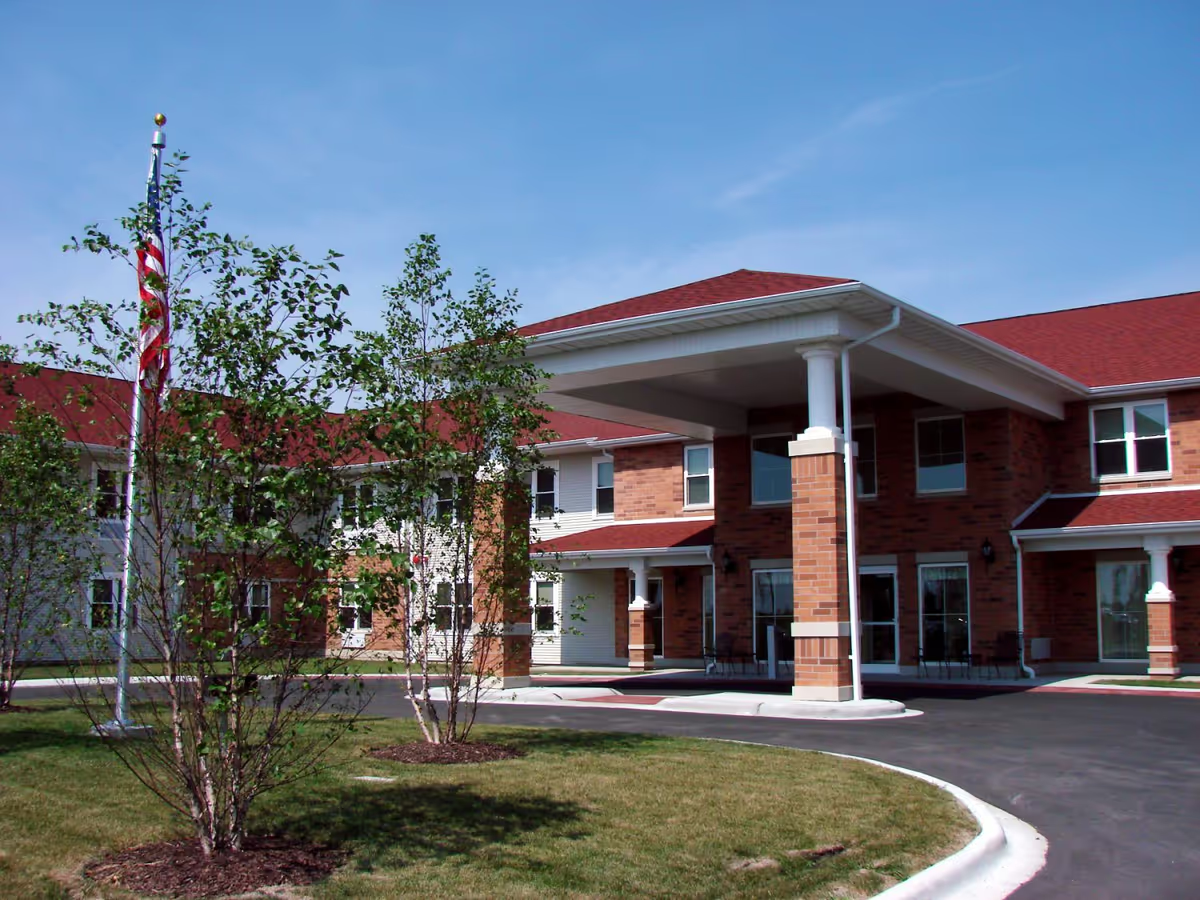
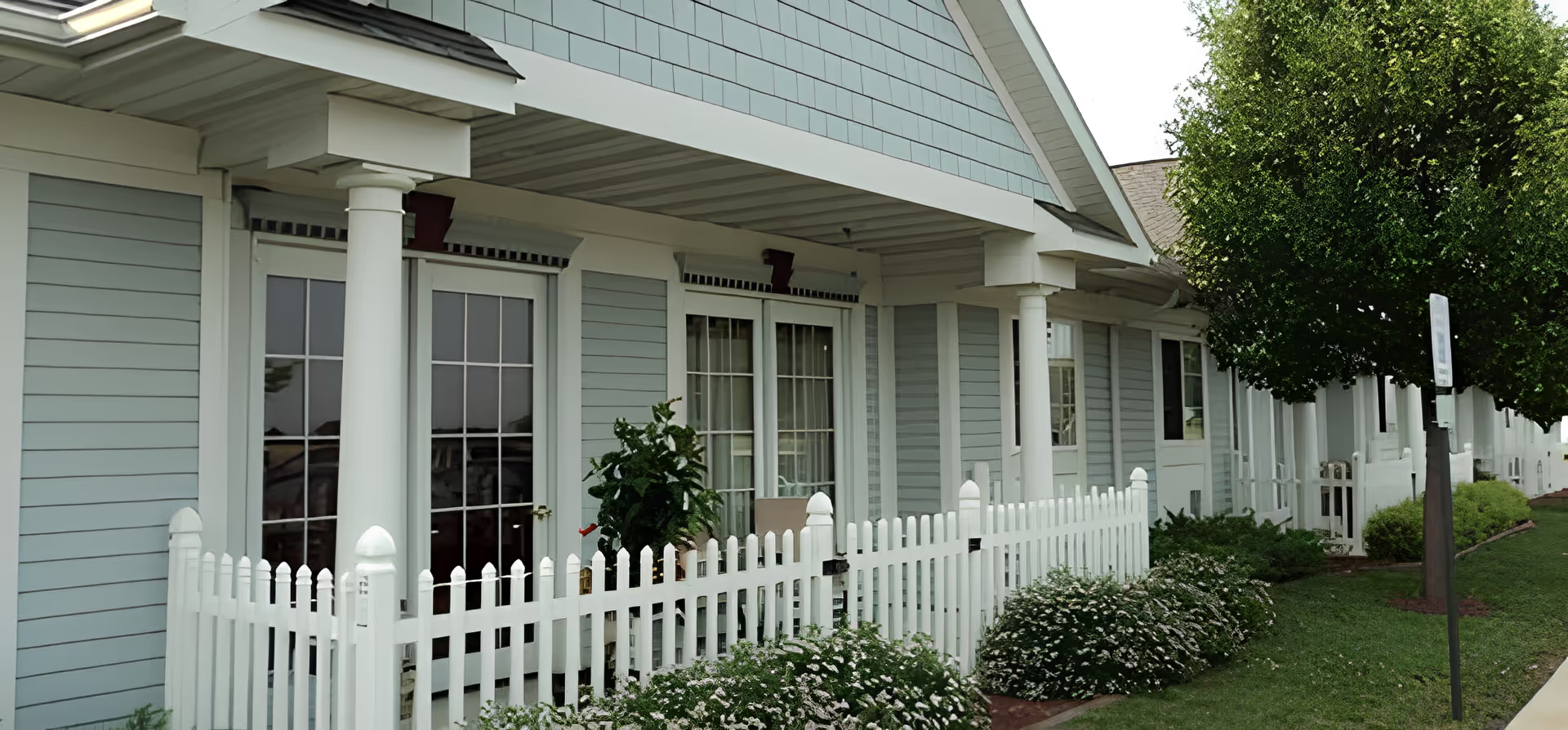
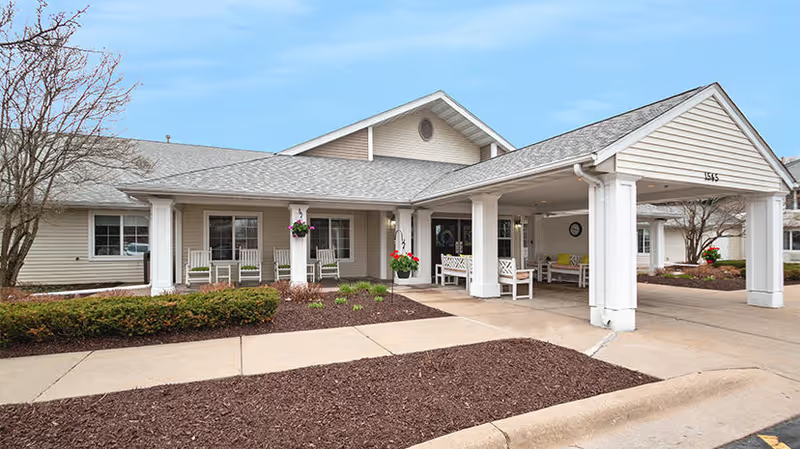
Dining, activities, and facilities: The physical environment is generally viewed positively. The center is described as clean, updated, attractively landscaped, and home-like, with pleasant communal spaces and single-occupancy rehab rooms. Many residents and families praise the variety of activities and social programming. Dining impressions are mixed: several accounts commend nutritious, well-presented meals and attentive dining staff, while others note inconsistent meal quality and temperature issues. Sanitation and pest-control concerns are noted sporadically in some areas and warrant direct inquiry during a visit.
Management, transparency, and governance: Operational weaknesses cluster around administrative responsiveness, financial transparency, and therapist credential disclosure. Families report frustration with billing questions, unexplained charges, and limited clarity about therapists’ qualifications. There are also serious individual claims, including allegations involving staff substance misuse and financial misconduct; these items are significant and should prompt verification with facility leadership and regulatory sources. Additionally, some relatives describe a culture that can be defensive rather than apologetic when care problems arise.
Notable patterns and guidance for families: The overall pattern is one of capable bedside care and strong rehabilitation services, coupled with inconsistent systems and leadership-level issues that can undermine continuity and trust. Before choosing this facility, consider asking for written care-plan commitments, evidence of current therapist credentials, staffing ratios for the unit of interest, documented emergency-transfer procedures, medication-administration protocols, pest-control and sanitation logs, and a clear explanation of billing practices. Visiting during different shifts, meeting the unit nursing leadership, and requesting recent inspection or survey histories can help assess whether operational concerns have been addressed.
In summary, Franklin Grove offers many tangible strengths—especially in rehabilitation, therapy, and day-to-day caregiving—matched by facility features that families often find attractive. However, the presence of recurring administrative, communication, and clinical-process concerns suggests that outcomes may depend substantially on unit-level staffing and management. Prospective residents and families should undertake targeted due diligence to confirm that the specific unit and management team meet their expectations for clinical responsiveness, documentation, and financial transparency.