Overall impression Reviews describe Oakley Courts as a small, home‑like assisted living community with a strong emphasis on personal relationships between staff and residents. Families and residents consistently highlight the compassionate, attentive nature of nursing assistants, nurses, and support staff; many accounts emphasize individualized attention, quick move‑ins, and hands‑on help from administrators during transitions. The community is repeatedly characterized as clean, welcoming, and highly social, with long‑tenured staff who contribute to a stable environment.
Care quality and staff Care-related feedback is uniformly positive about daily assistance and medication management: reviewers note nurse‑administered medications, attentive bathing/hygiene support, and a memory‑care unit for residents with cognitive needs. Staff are described as engaged, responsive, and willing to provide one‑on‑one attention. Leadership and specific staff members (admissions and directors) receive frequent praise for being helpful and communicative. A recurring operational note is that Oakley Courts is an assisted‑living provider rather than a skilled nursing facility, so families should align expectations for complex medical or skilled nursing needs accordingly.
Dining and dietary concerns Dining is another strong point—many reviewers call the food outstanding, restaurant‑style, and varied, with alternatives available and specialty features such as an ice cream parlor, snack bar, and coffee area. At the same time, multiple comments raise concerns about the nutritional profile of meals: salt and sugar content are frequently mentioned, and there is limited reference to robust therapeutic menus for low‑sodium or diabetic needs. This suggests good overall food quality coupled with a need for expanded diet‑specific accommodations for residents with strict nutritional requirements.
Activities and social life The activity program is described as comprehensive and resident‑focused: daily exercise classes, bingo, sing‑a‑longs, games, movie viewings, bird‑watching, outings, and seasonal events are commonly cited. Residents and families note active social lounges, communal dining, and a friendly resident culture that encourages interaction. Memory‑care residents are reported to be engaged and thriving when enrolled in structured programs.
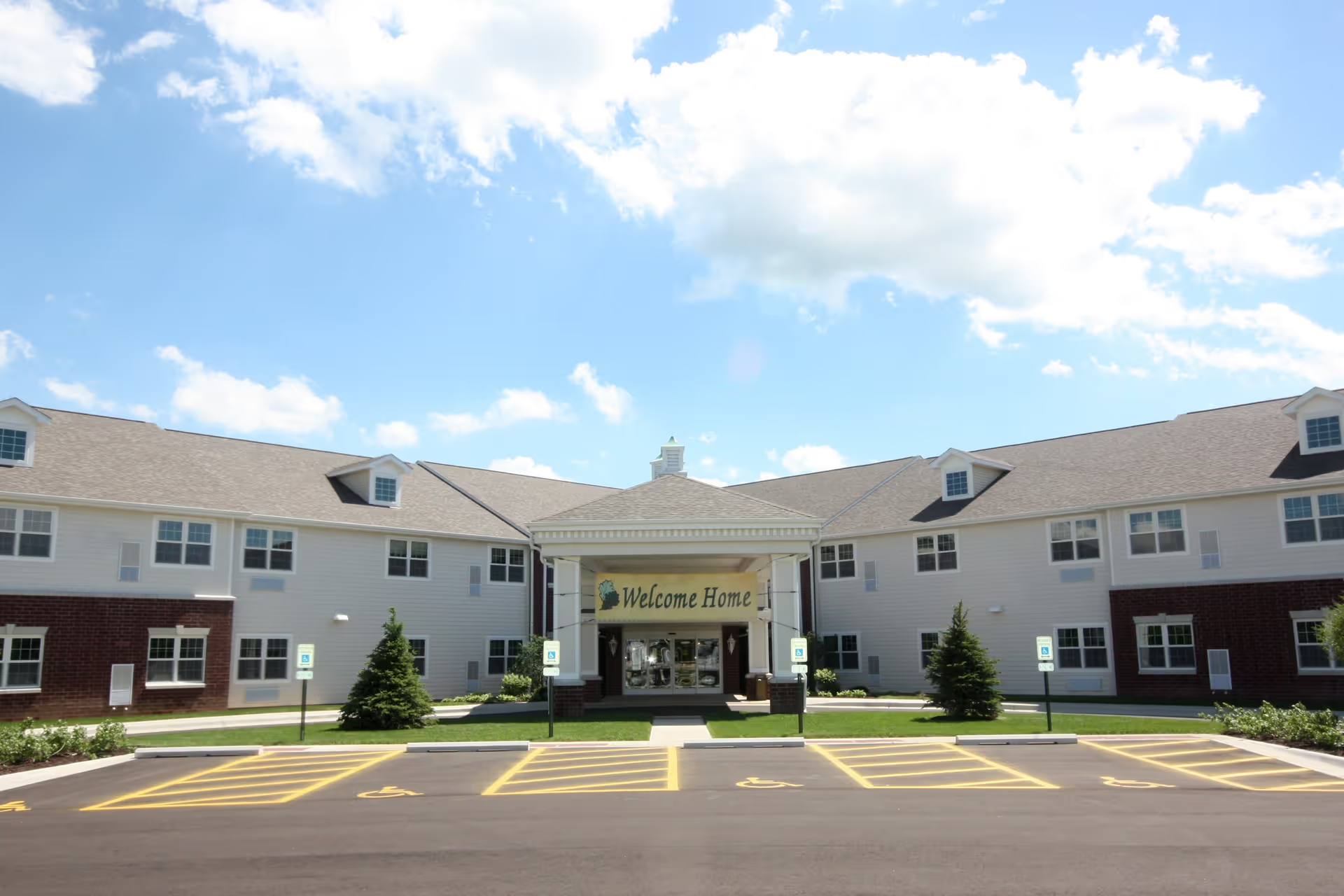
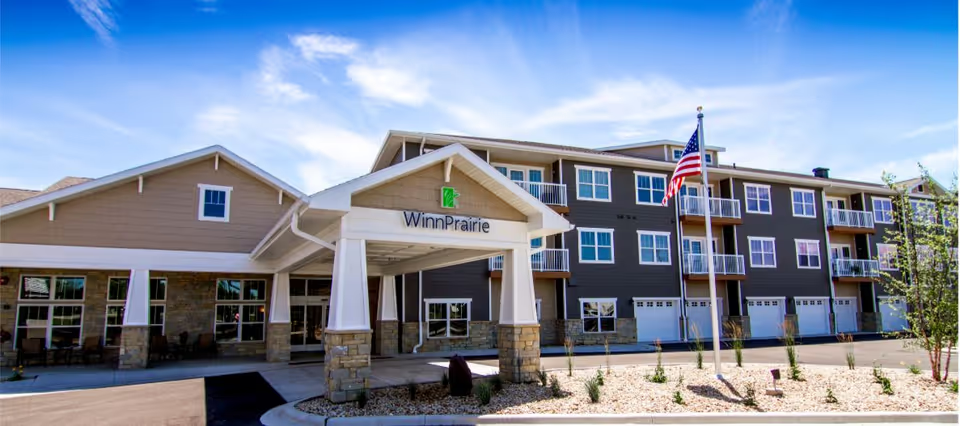
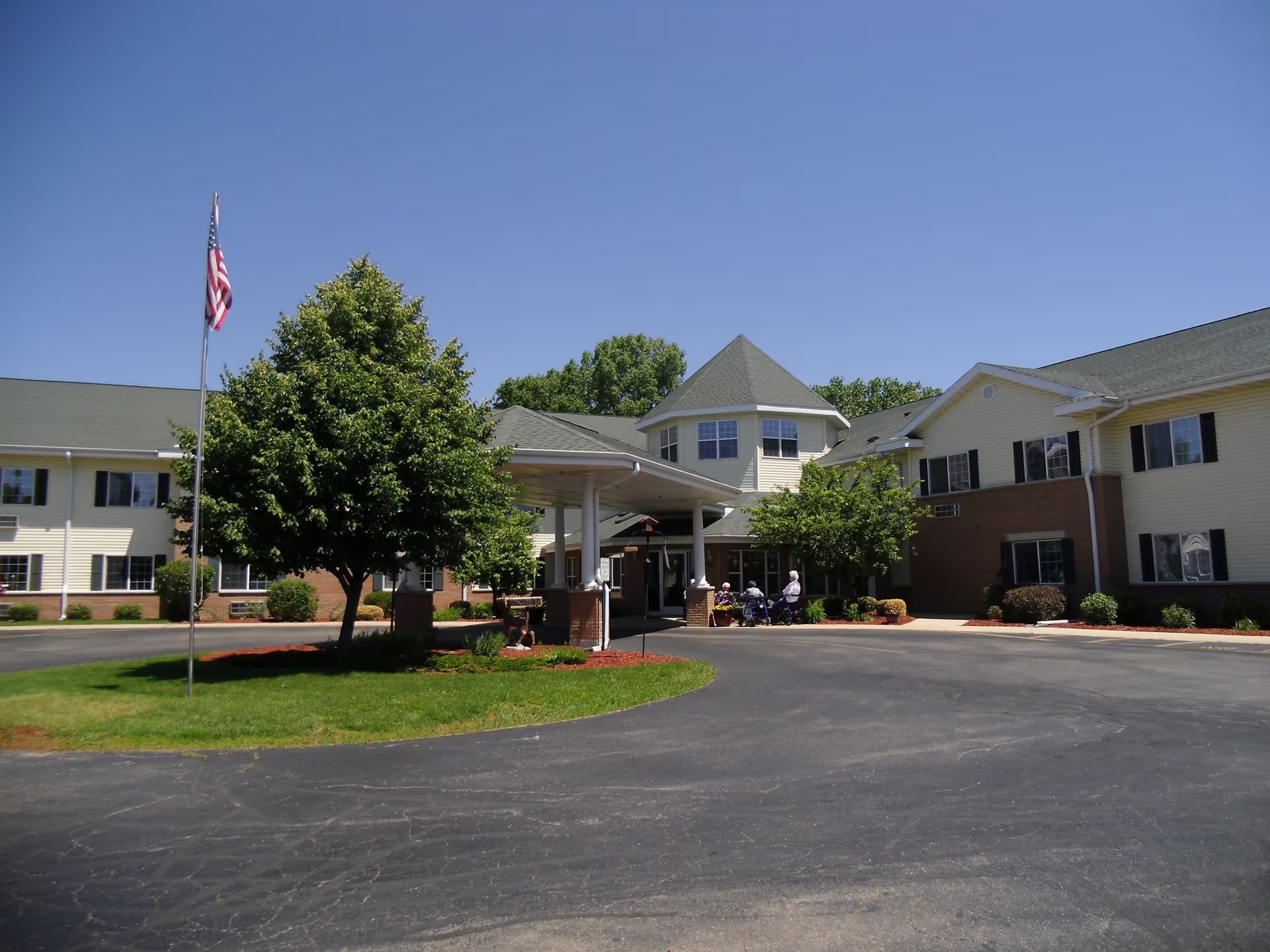
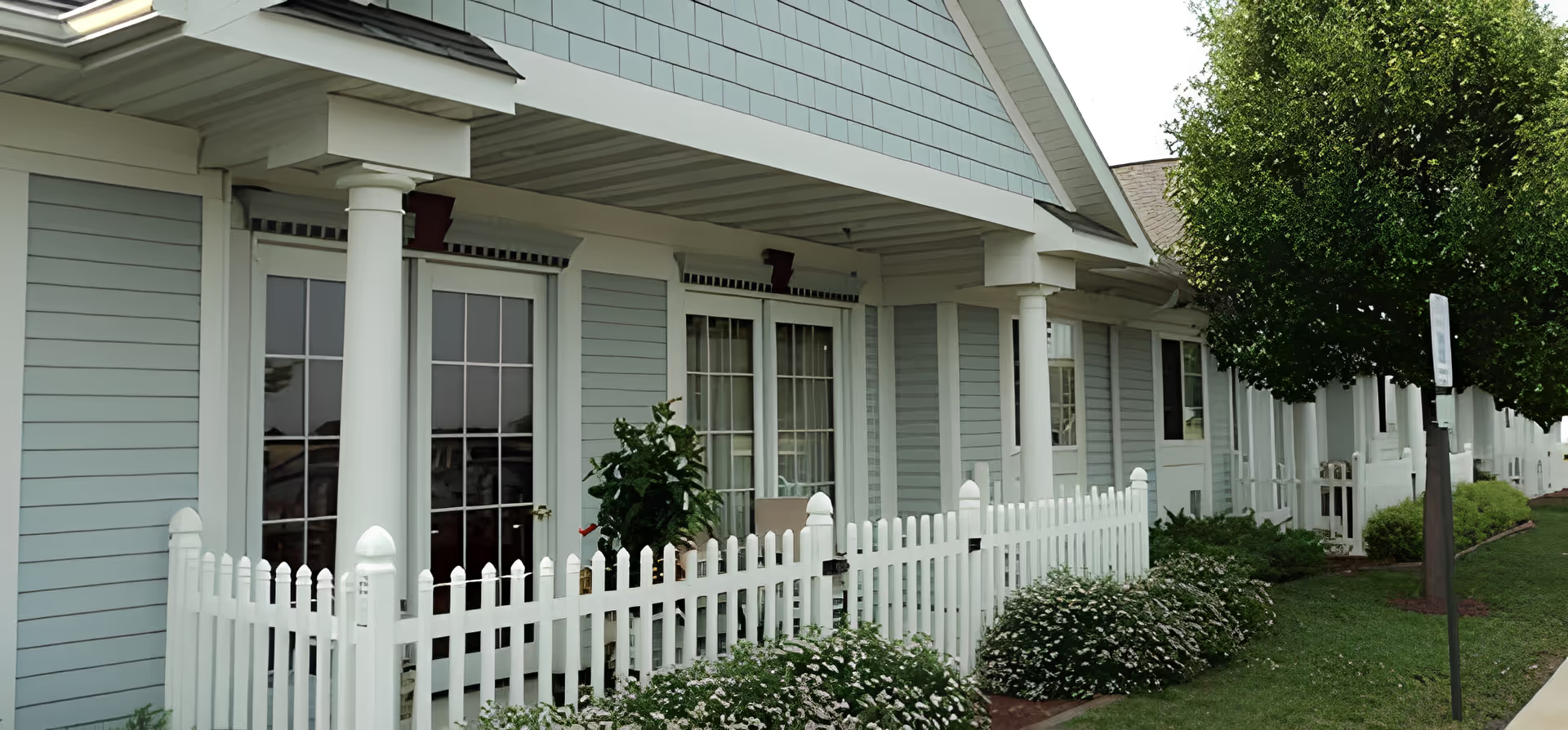
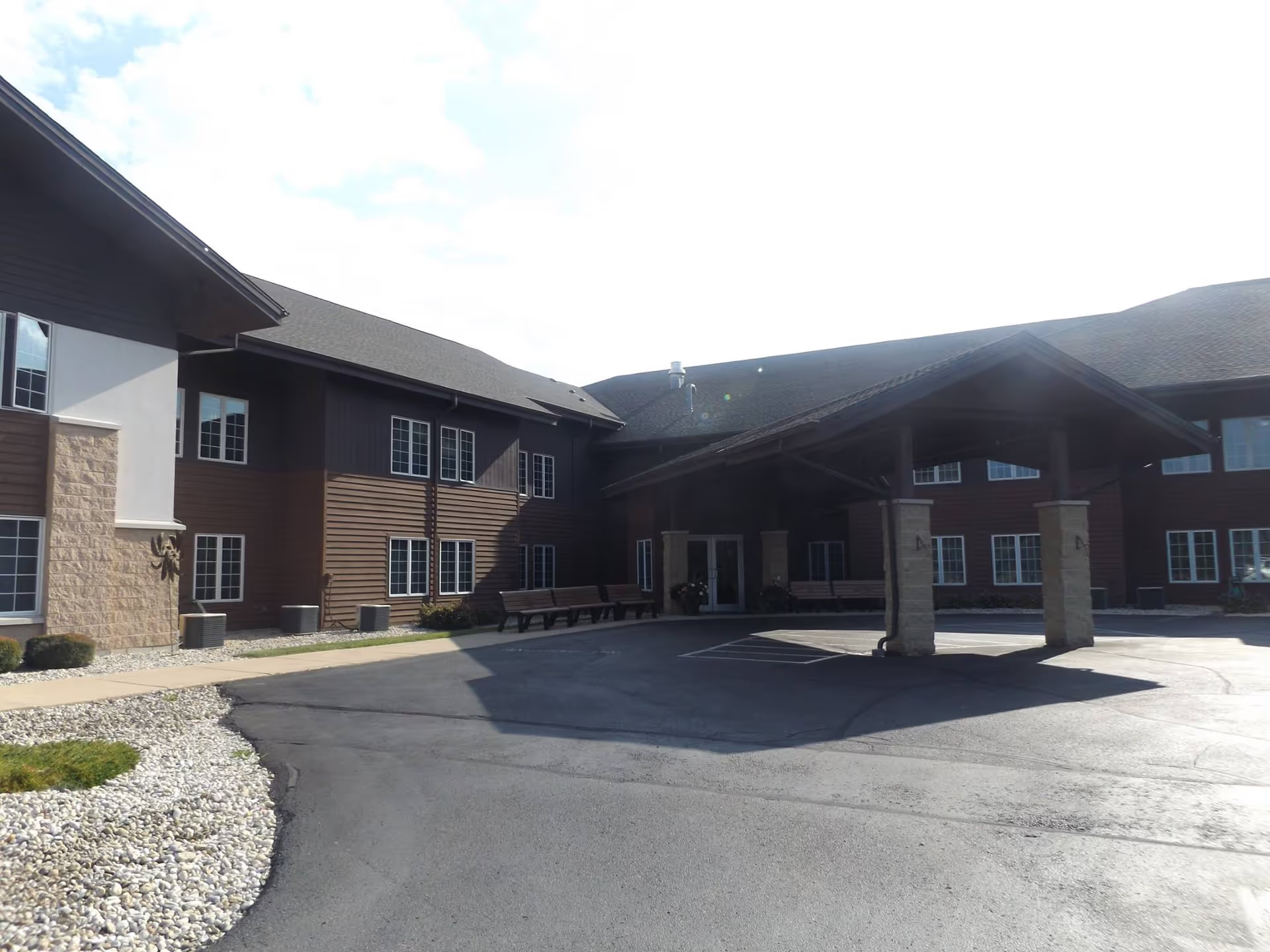
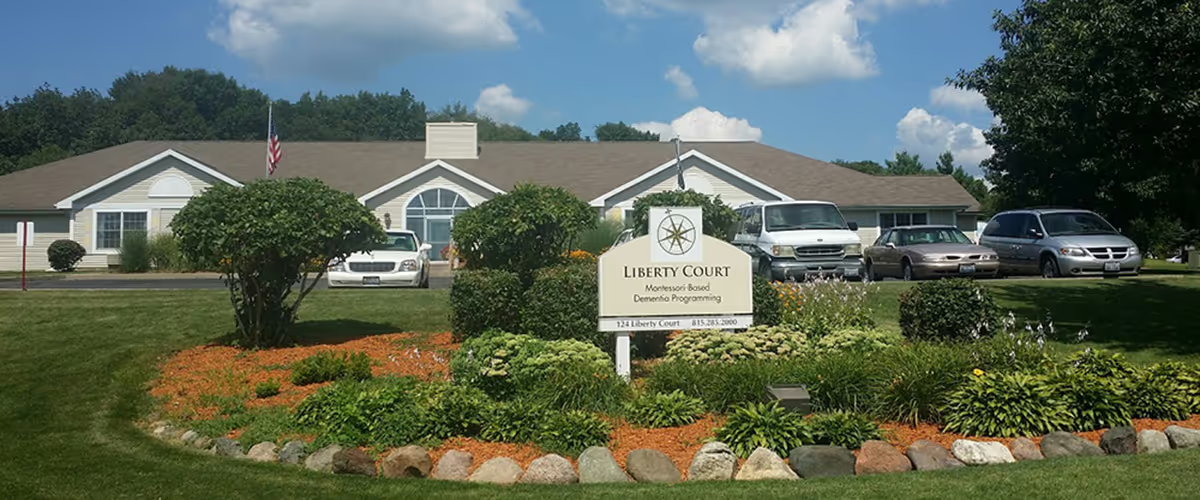
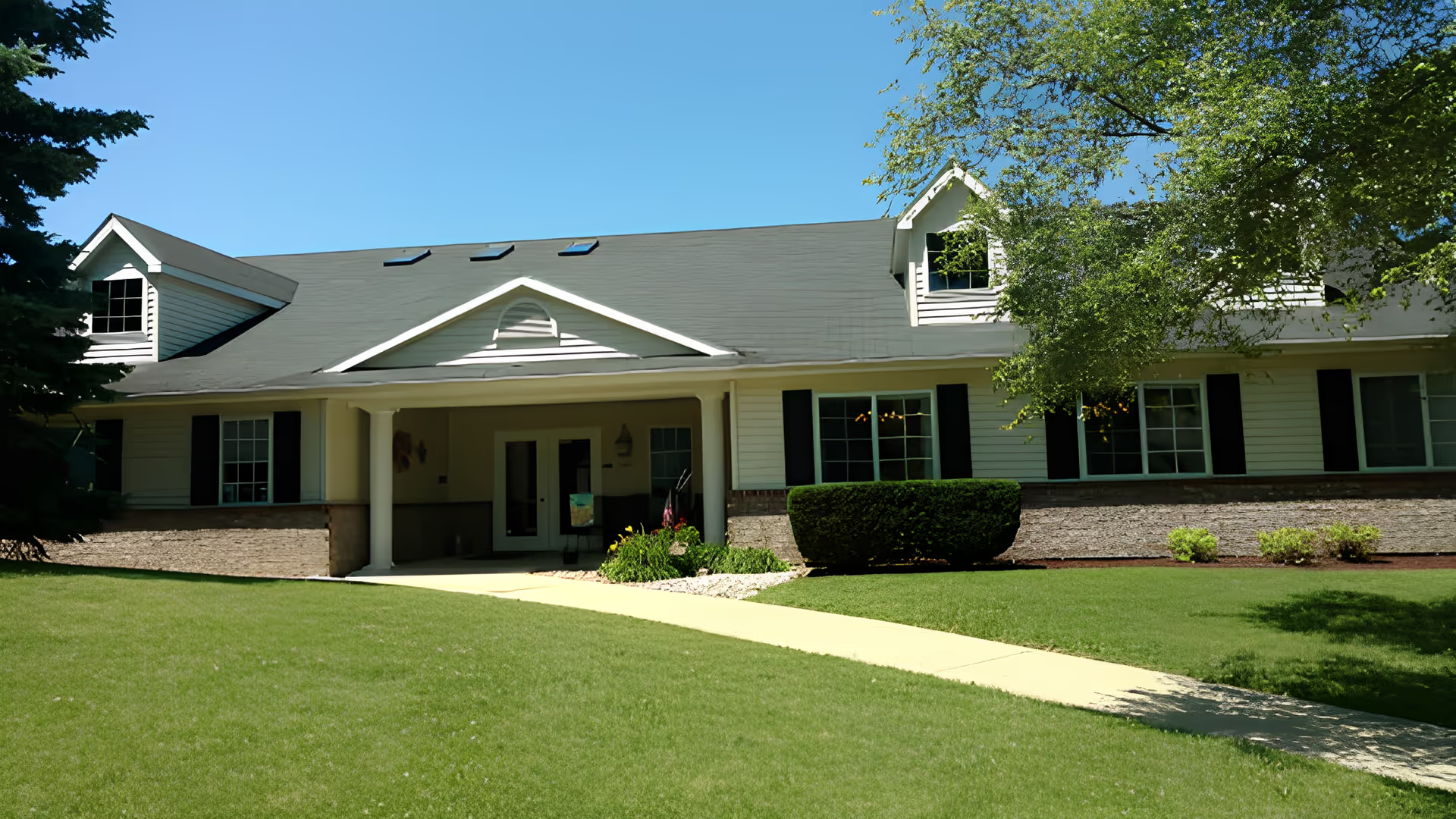
Facility and living spaces Facility amenities include well‑maintained grounds, enclosed courtyards, patios, gardens, and attractive common areas. Apartment descriptions highlight comfortable layouts with kitchenettes, large walk‑in closets, and spacious bathrooms in some units; however, some units are compact and described as small or sterile, and certain kitchenettes lack a stove, limiting in‑unit cooking. The building layout (a square plan with longer walks to dining for some apartments) may present an accessibility consideration for mobility‑limited residents. Housekeeping and laundry services are available and generally reliable.
Management, policies, and patterns to note Management and leadership receive strong positive mentions for responsiveness, pandemic planning, and family communication during admissions and care planning. At the same time, reviewers raise two operational concerns that recur enough to merit mention: periodic rate increases with limited advance communication, and some inconsistency in front‑desk/customer‑service responsiveness. Additionally, the no‑pet policy can be restrictive for residents who wish to keep companion animals.
Bottom line Oakley Courts presents as a well‑maintained, socially active assisted living community with notably caring staff, robust activity programming, and generally high food quality. Prospective residents and families should weigh the strong interpersonal and everyday‑living supports against limitations in therapeutic diet options, apartment size variability, building layout for dining access, and the assisted‑living scope of clinical services. Those with significant medical or complex dietary requirements should discuss those needs explicitly during a tour and admissions conversation; families sensitive to pricing changes should ask about long‑term fee schedules and communication practices.