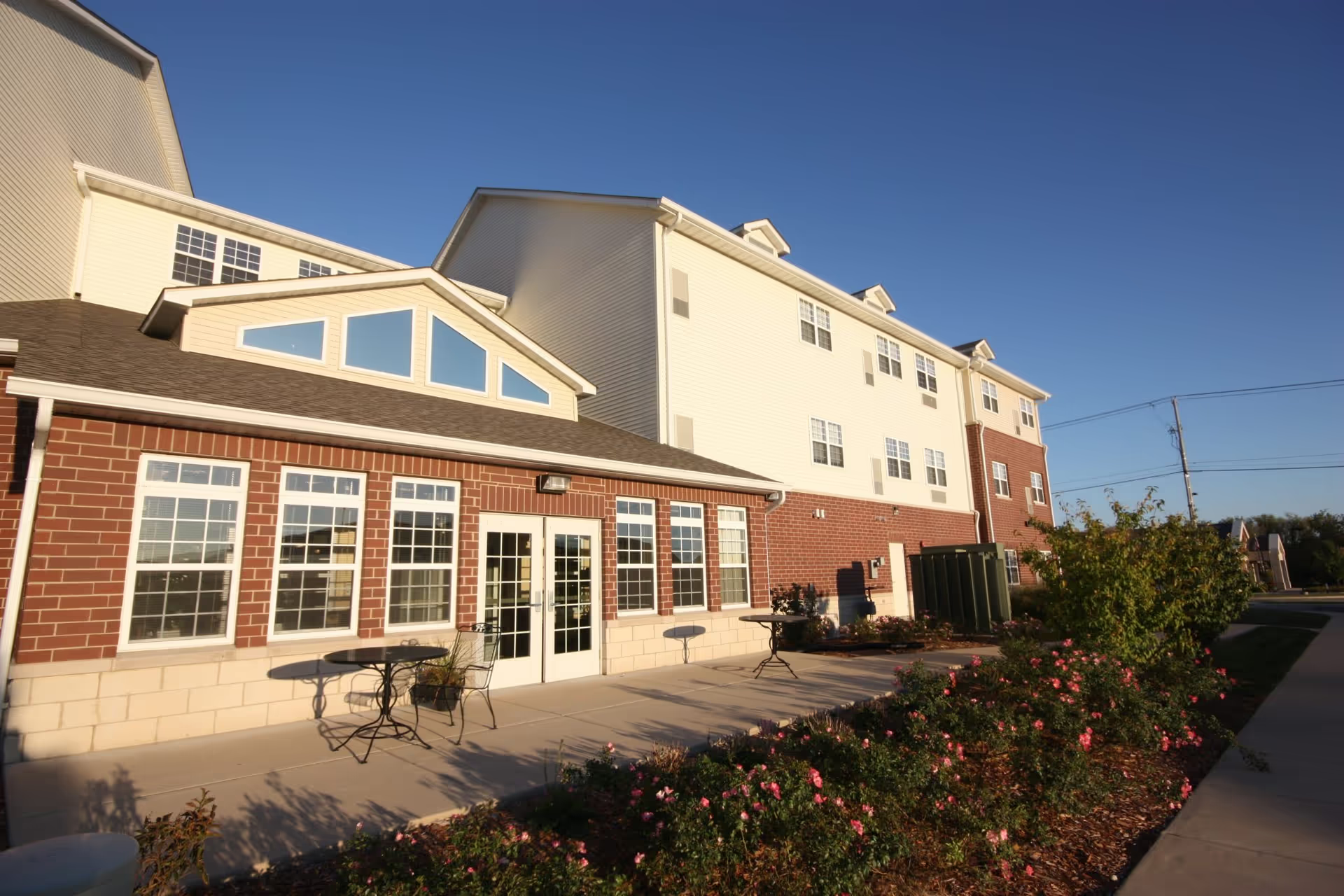
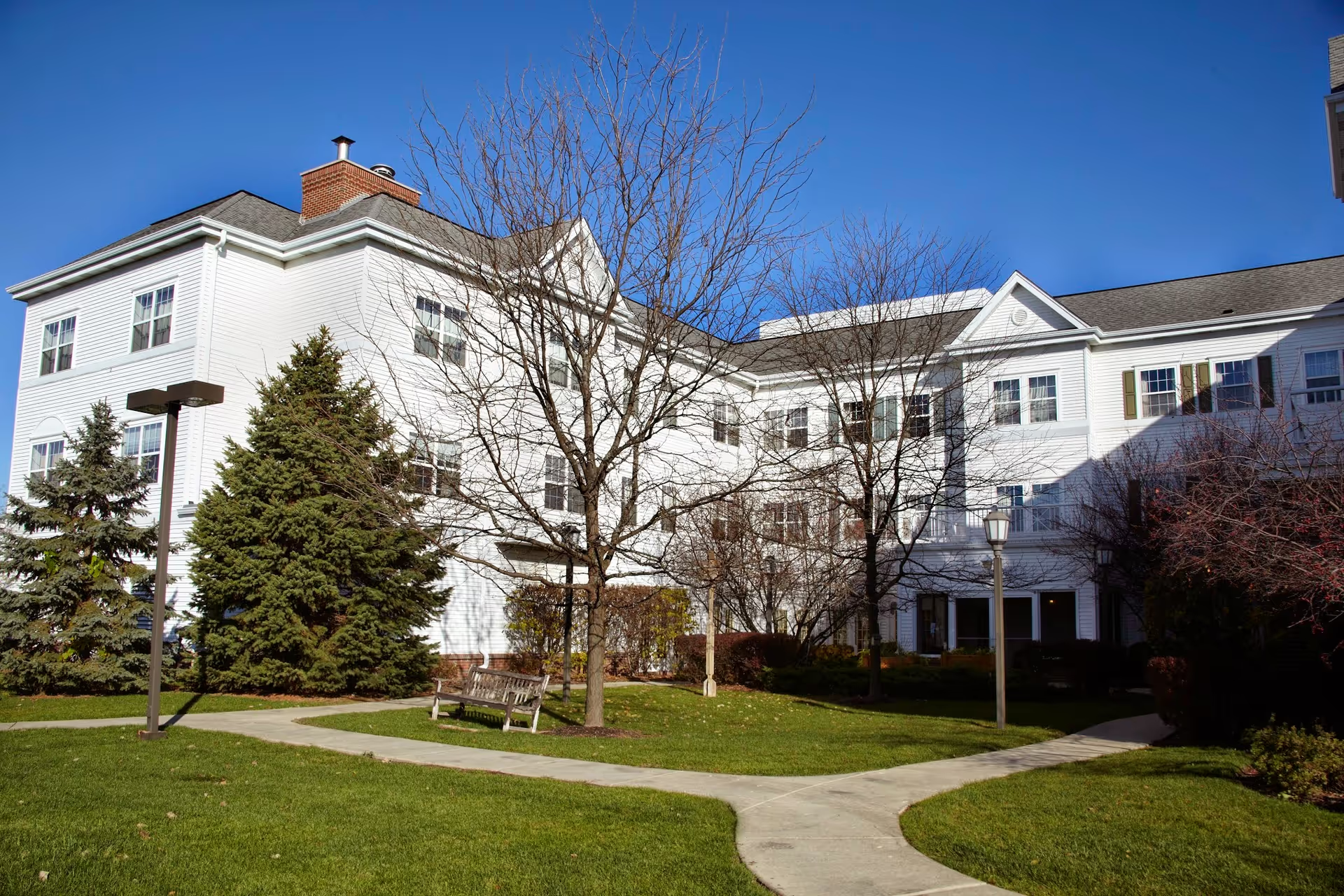
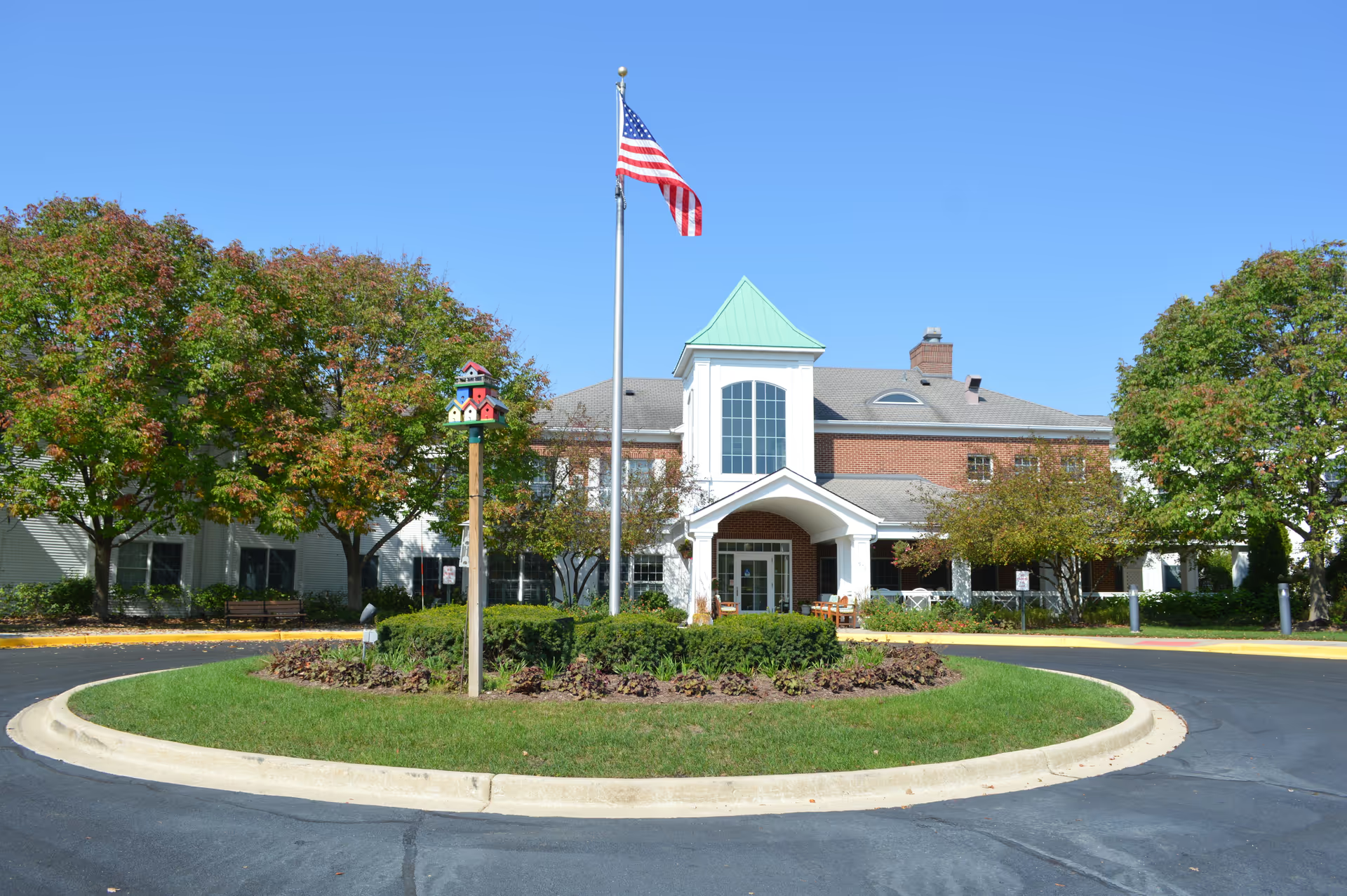
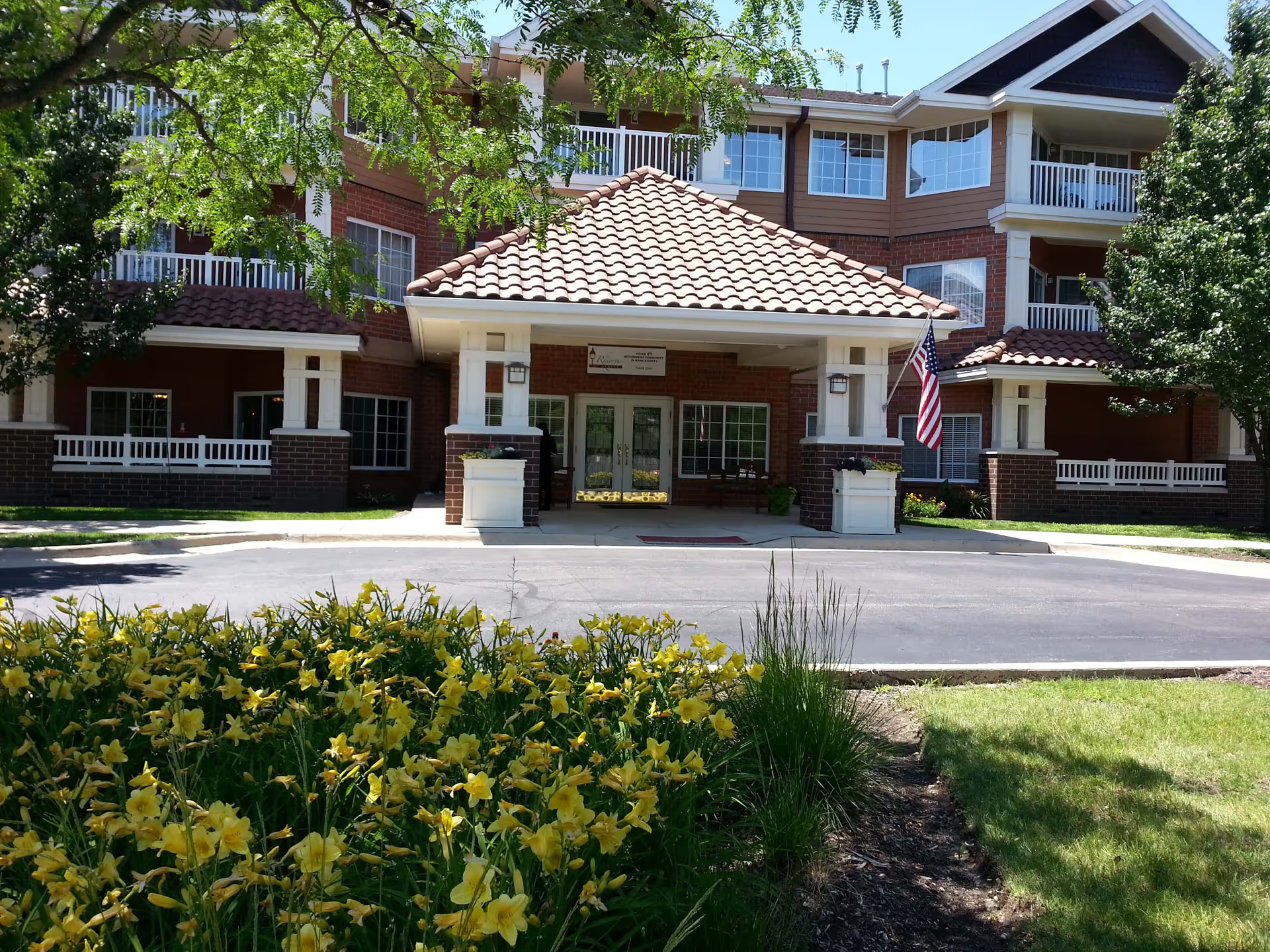
Reviews of BRIA of Geneva describe a facility with a clear pattern of strengths in rehabilitation and individualized therapy, alongside repeated operational and quality-control weaknesses. The therapy departments (physical, occupational, and speech) receive frequent, specific praise for helping residents regain function and independence; several families described measurable progress that influenced discharge planning and permanent placement decisions. Admissions and front-desk staff are often described as helpful and welcoming, and portions of the facility — notably common areas and therapy spaces — are characterized as clean and well-maintained.
At the same time, a substantial body of feedback raises concerns about day-to-day care operations. The most consistent theme is understaffing and variable staffing competency, which reviewers connect to slow call-button responses, delays in assistance with toileting and transfers, inconsistent bathing schedules, and gaps in supervision that have been associated with resident falls and extended periods without repositioning. Families also describe variability in nursing and medication administration practices, including late or missed medications and inconsistent documentation.
Sanitation and housekeeping practices are another recurring issue. While some common areas and units are noted as clean, multiple accounts reference cleanliness issues within resident rooms and shared facilities, odor concerns, and inconsistent room upkeep. These observations are often linked in reviews to lapses in basic care routines such as incontinence care, linen changes, and timely hygiene maintenance. Reviewers also report problems with equipment availability and upkeep, and describe infection-control practices and visitation policies during outbreak periods as a source of stress and confusion for families.
Dining and activities receive mixed assessments. Several families praised the kitchen staff for accommodating dietary needs and for positive dining-room experiences; at the same time, others noted limited healthy meal options, errors in meal delivery, and infrequent in-room meal choices for residents who cannot access the dining room. Activity programming and engagement are described positively in some units, particularly when therapy staff lead groups, but reviewers also cite inconsistent scheduling and insufficient one-on-one engagement for residents who require higher supervision.
Management and communication emerge as polarizing areas. Some families commend an open-door administrative approach, timely responses, and hands-on resolution of concerns; others describe slow or nonresponsive follow-up, inconsistent care planning meetings, and dissatisfaction with discharge coordination and caregiver training. A number of reviews allege missing personal items and inventory-control weaknesses; these are serious allegations that families cite as contributing to mistrust. There are also isolated but significant reports of adverse clinical outcomes and hospital transfers tied to perceived lapses in care; these accounts underline the importance of careful oversight and timely clinical escalation.
In summary, BRIA of Geneva appears to offer strong rehabilitation services and several dedicated staff members who deliver compassionate care. However, persistent operational challenges — especially staffing levels, responsiveness, sanitation consistency, medication and equipment management, and administrative follow-through — create variability in resident experiences. Prospective residents and families should weigh the facility’s therapy strengths and individual staff positives against these operational risks, ask specific questions about staffing ratios, care-plan meetings, incontinence and hygiene protocols, medication administration policies, inventory controls for personal items, and the process for escalation and family communication before admission.