Reviews of ALIYA of Glenwood present a polarized picture: the facility is consistently praised for hands-on caregiving, therapy results, and active programming, while also attracting serious operational concerns that families should probe before placement.
Care quality and clinical services: Many families and visitors highlight compassionate, attentive CNAs and nurses and positive restorative-therapy outcomes — several accounts describe measurable mobility improvements and effective rehab interventions. At the same time, reviewers describe inconsistent clinical follow-up in areas such as wound and skin care, and examples indicate gaps in clinical-incident response and family notification. Those divergences suggest variability in clinical oversight and case coordination; prospective families should ask about wound-care protocols, nurse-to-resident ratios, and incident-reporting processes.
Staff and professional conduct: A repeated strength is the presence of dedicated, empathetic direct-care staff and social-service coordinators who maintain relationships with families and advocate for resident preferences. Specific staff members and teams received multiple commendations for going beyond expected duties. Counterbalancing this, reviewers raised concerns about staff professionalism and conduct in specific instances, along with reports of unresponsive or curt communication from some supervisory staff. There are also serious allegations made about theft and other misconduct; these claims warrant direct discussion with administrators and verification of recent survey and licensing records.
Dining and activities: The facility offers an active program slate — music, hallway bingo, outings, holiday events, and unit-level activities were described as meaningful and morale-boosting. Dining impressions are mixed: menus and food presentation are sometimes praised, but there are recurring complaints about meal temperature, small portions, and repetitive offerings. Ask about meal-service timing, room-delivery policies, and therapeutic diets during your tour.
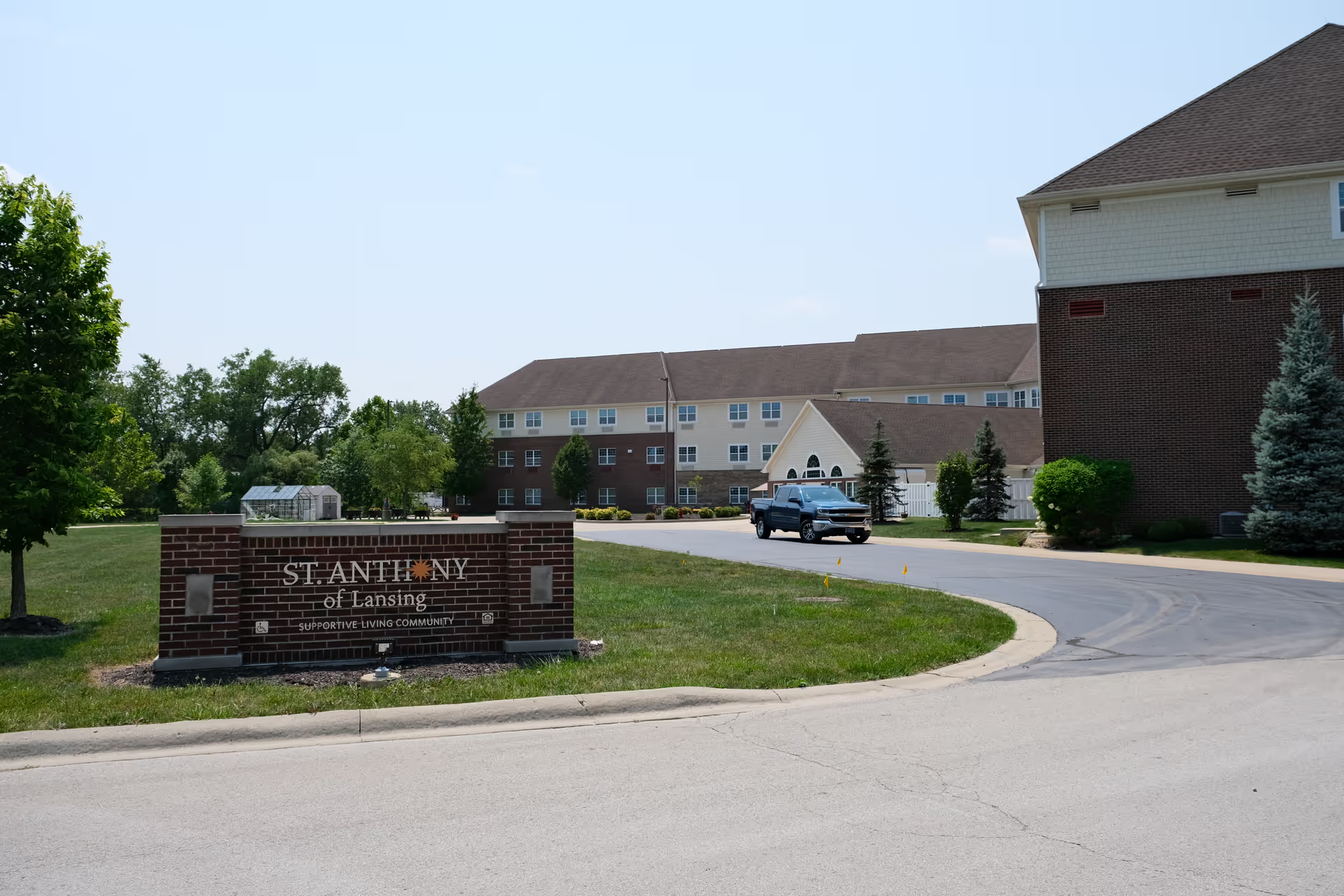
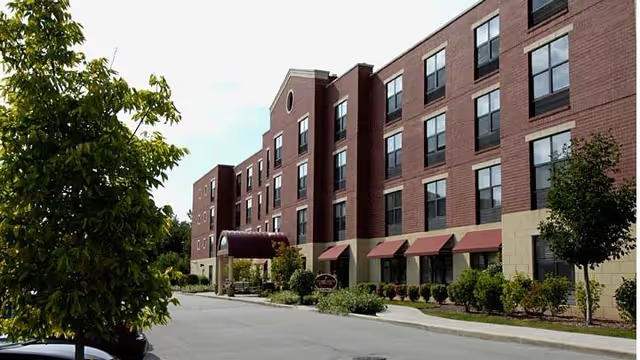
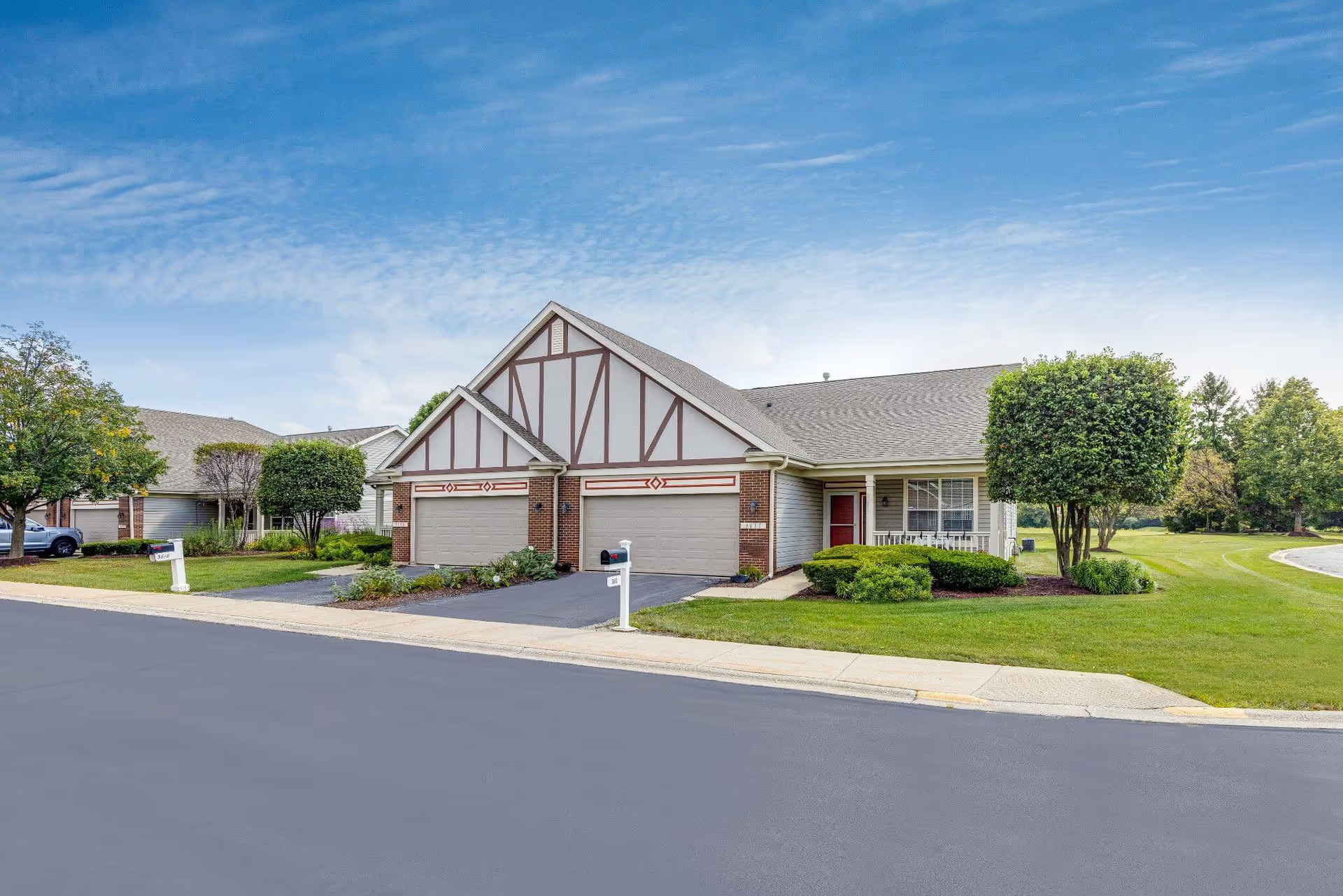
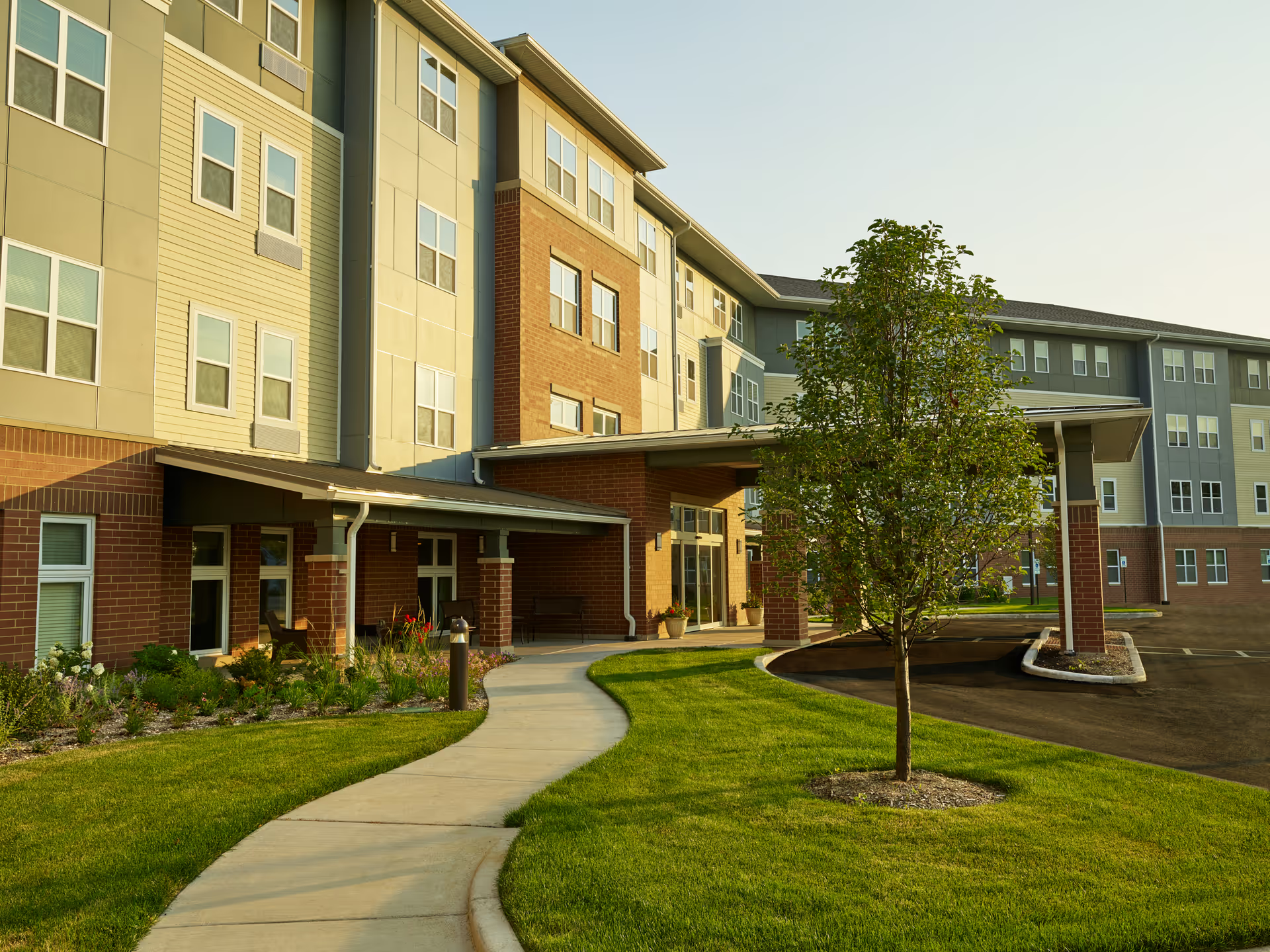
Facilities and cleanliness: The campus exterior and grounds receive positive mentions and there are reports of organized, welcoming common areas. However, sanitation and cleanliness are inconsistent across reviews, with specific concerns about room cleaning, odors in certain areas, and linen/towel availability at times. Ongoing remodeling was noted, which may affect room configurations; families should inspect rooms and common spaces in person and request recent housekeeping protocols.
Management, communication, and patterns to watch: Reviewers describe an initially positive admissions experience for many, but several accounts cite poor follow-up, difficulty reaching administration by phone, and limited responsiveness when clinical concerns arise. A regulatory complaint was referenced by a reviewer, and some reviewers reported being advised to contact state oversight. Given the mixed profile — strong direct-care personnel and therapy results alongside operational and communication weaknesses — prospective residents and families should perform a targeted due diligence checklist: review recent inspection reports, ask for staffing schedules and turnover metrics, clarify wound- and medication-management protocols, observe activity programming, and meet key clinical and administrative staff. This will help distinguish consistent strengths from situational or episodic problems and assess whether the facility’s current practices match your loved one’s care needs.