The reviews paint a polarized picture of Cedarhurst Senior Living of Dyer: the facility’s physical plant and several operational elements are frequently praised, while patterns of inconsistent clinical and administrative execution create notable concerns for some families.
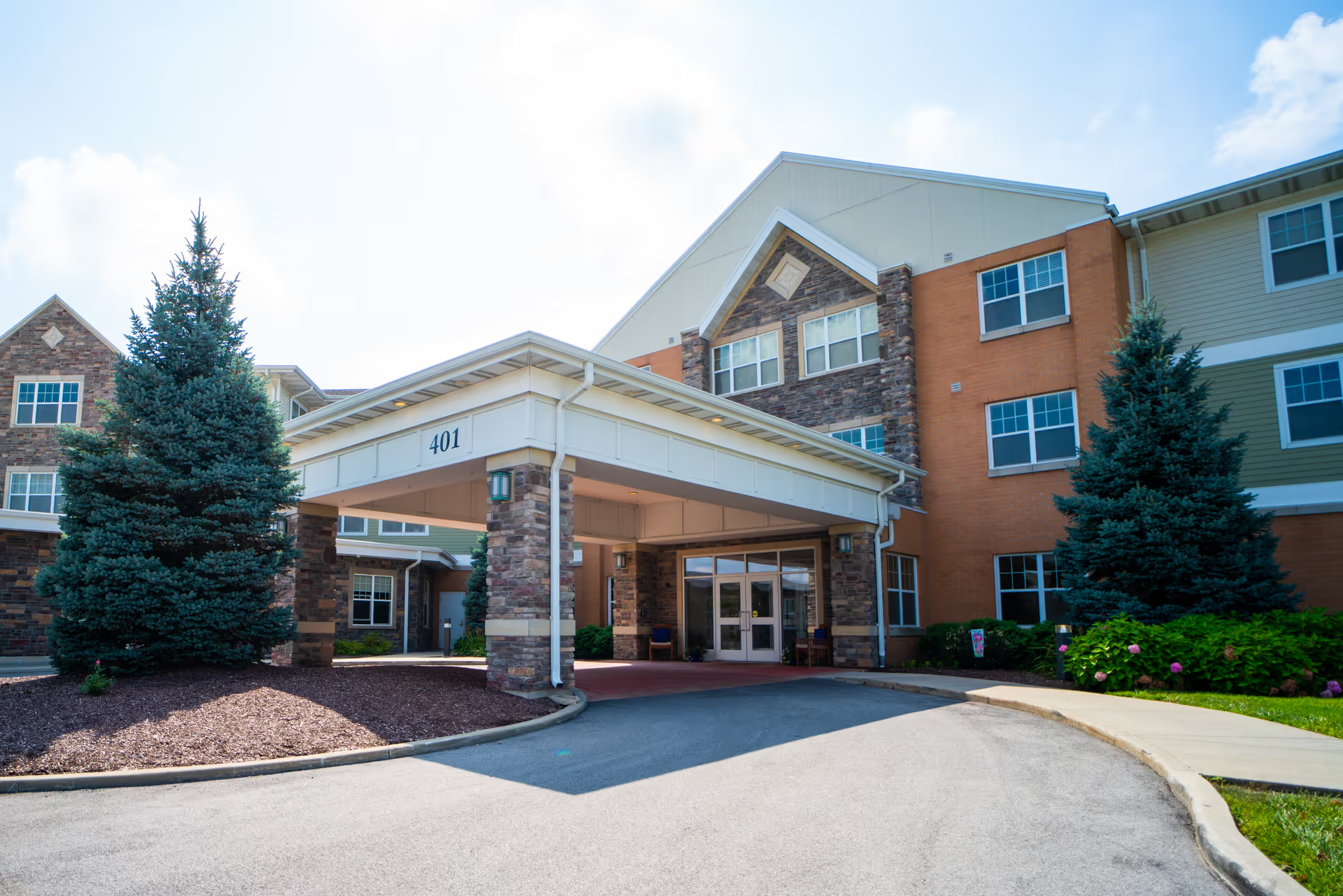
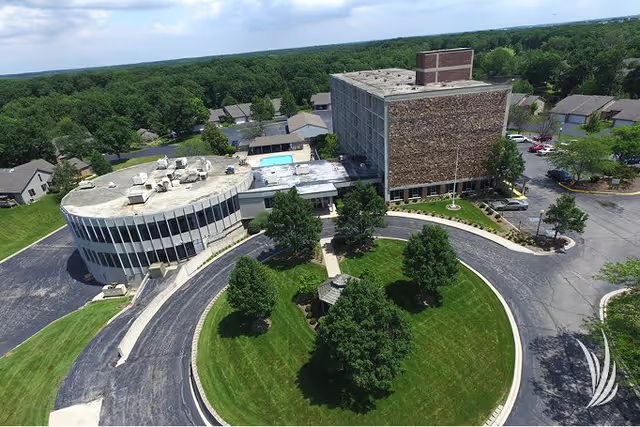
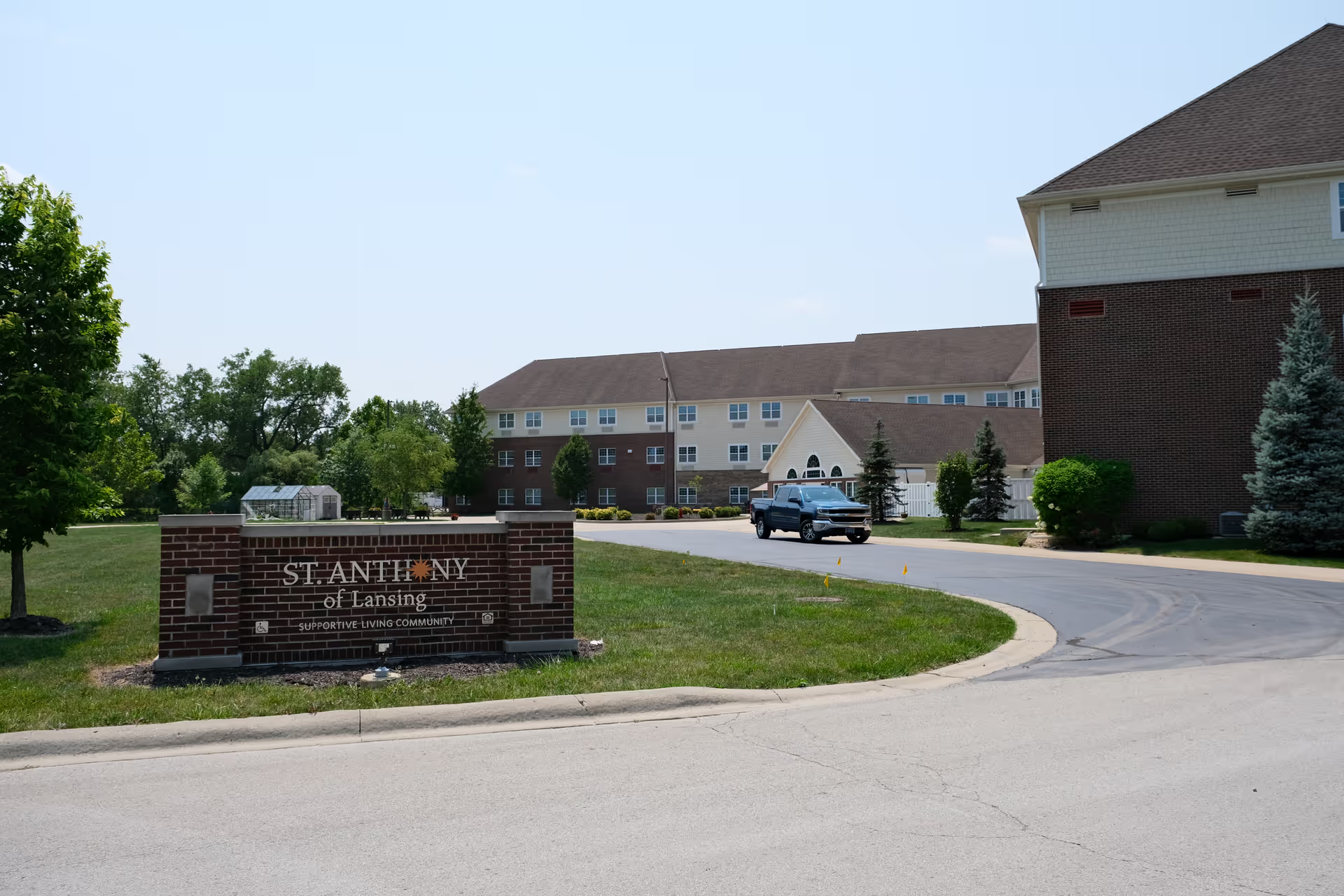
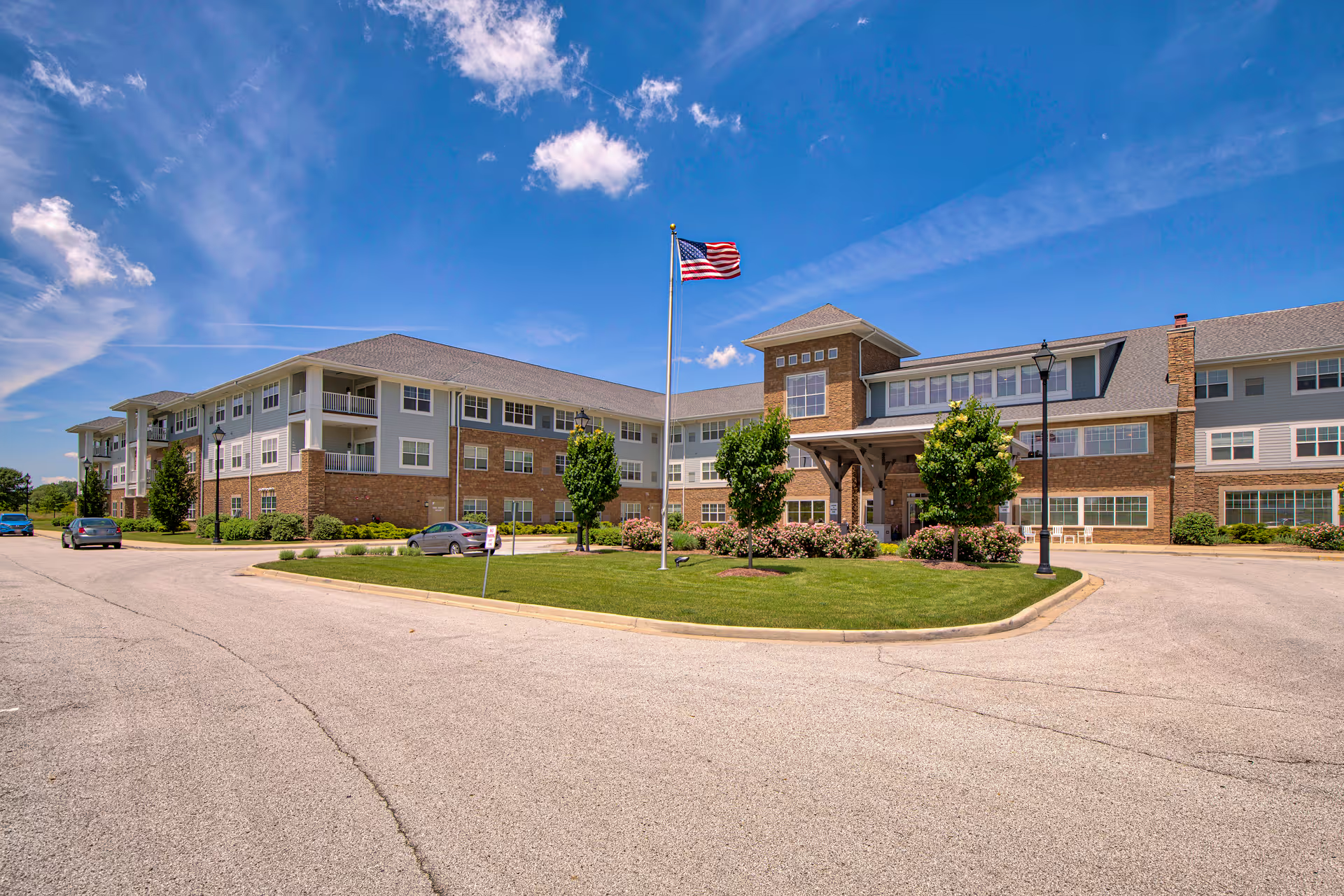
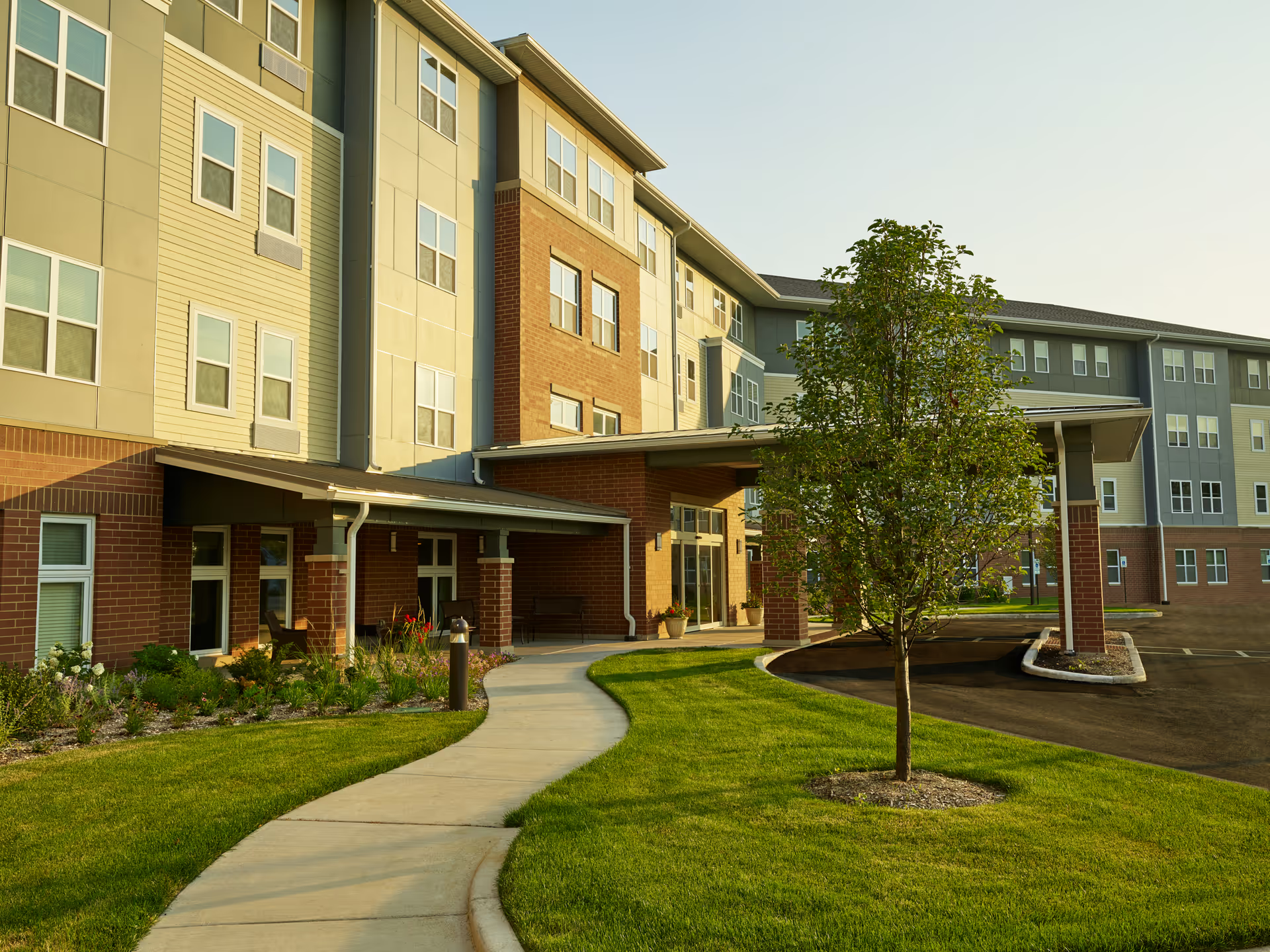
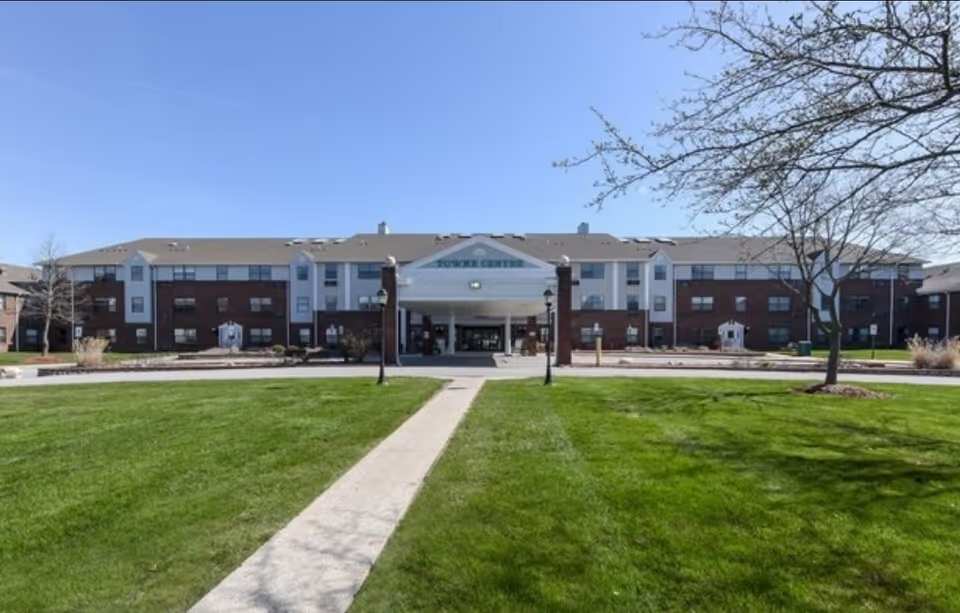
Facilities and amenities: Cedarhurst is consistently described as a newer, attractive building with bright, well-lit apartments, good sight lines in memory care, balconies/patios, and a landscaped central courtyard. Reviewers commonly cite therapy and fitness amenities (therapy room, workout area, and walk-in tub/steam whirlpool), flexible laundry options, and a restaurant-style dining room. Housekeeping and general cleanliness are often cited positively, though there are also references to intermittent sanitation concerns tied to staffing variability.
Staff and care quality: Many families report compassionate, attentive, and personable caregivers and strong activity staff who engage residents with daily programming and outings. The activities director is frequently singled out as a strength, and memory-care programming is described as active and resident-centered in many accounts. However, recurring operational themes include high staff turnover, heavy reliance on agency or temporary staff, and inconsistency in staff familiarity with residents. These staffing patterns correlate with reports of uneven care continuity, delayed or inconsistent assistance for higher-dependency residents, and variability in how clinical tasks are executed.
Clinical operations and safety: A significant negative pattern concerns medication management and clinical oversight: reviewers describe medication-timing errors, misplaced or mishandled medications, and variability in nurse availability. There are also recurring descriptions of inconsistent bathing schedules and incontinence-care practices. Several comments connect those care gaps to intermittent presence of an on-site Director of Nursing and to staffing shortages. Together, these items indicate gaps in clinical-process reliability rather than universally poor clinical capability.
Dining and meals: Dining is a mixed area. Some reviewers praise restaurant-style service, a chef, daily menus, and the ability for families to dine with residents. Others describe inconsistent meal quality, frozen or canned items, and unmet soft-diet requests. This suggests that dining experience may depend on staffing, kitchen continuity, and individual dietary communication being followed reliably.
Management and administration: Administrative communication is another recurring theme. Positive interactions with executive leadership and transition support are contrasted with numerous comments about unresponsive management, broken promises (including billing and refund disputes), unexpected rate increases, and difficulty reaching decision-makers. A small number of serious claims (including allegations related to theft or financial mishandling) elevate the importance of carefully reviewing contract terms and financial policies prior to move-in.
Notable patterns and guidance for prospective families: Overall, Cedarhurst’s environment, amenities, and many frontline staff are strengths. The primary operational risks identified across reviews are staffing instability, inconsistent clinical processes (especially medication and personal-care routines), and variable administrative responsiveness. Prospective residents and families should verify current staffing models (agency vs. in-house), ask about on-site clinical leadership (Director of Nursing presence and coverage), review incident and medication-safety protocols, sample meals and dietary accommodations, and confirm contractual terms for rates, refunds, and billing adjustments. An in-person visit that includes a meal and a tour during a shift change can help assess continuity of care and the reliability of services for a specific resident’s needs.