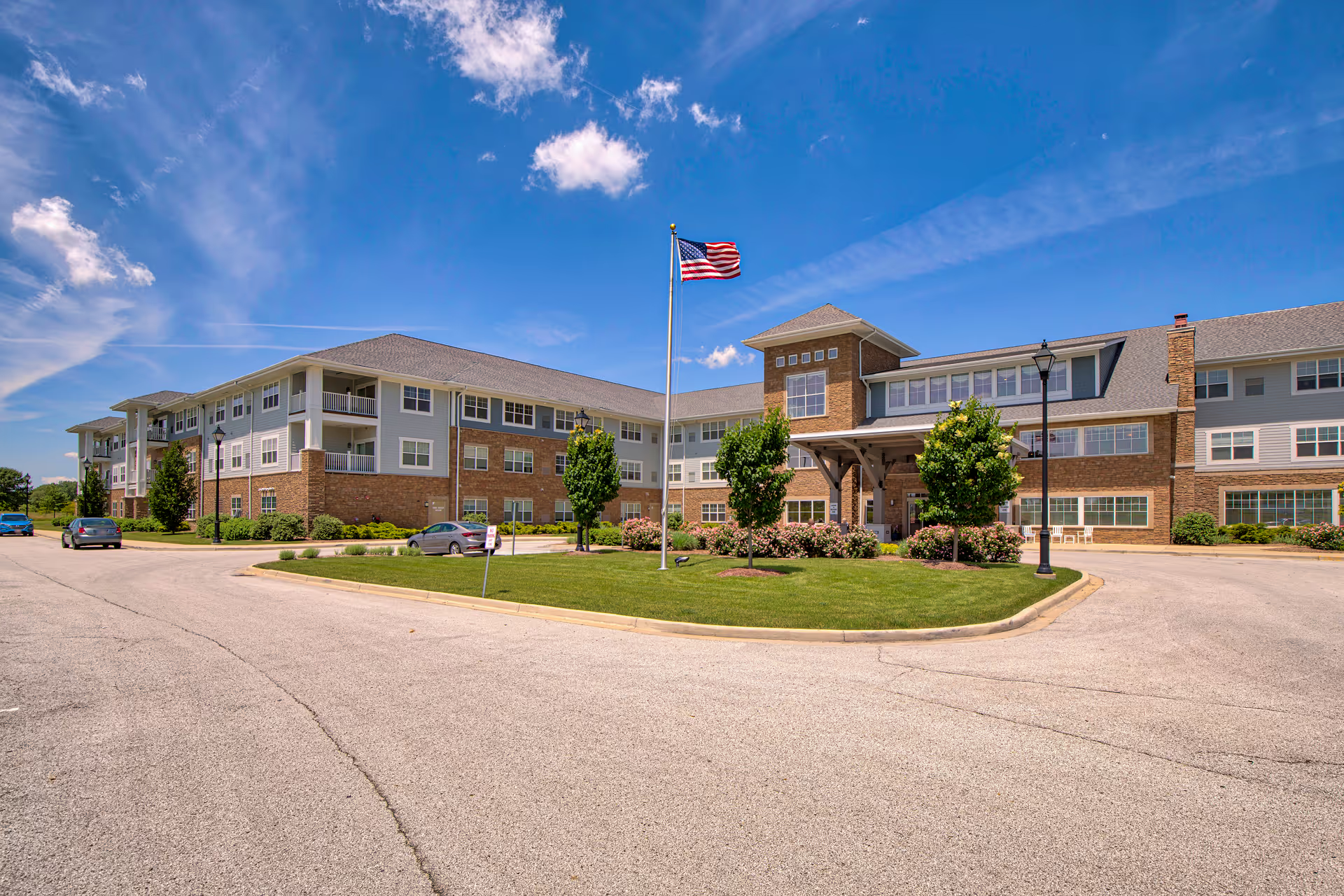
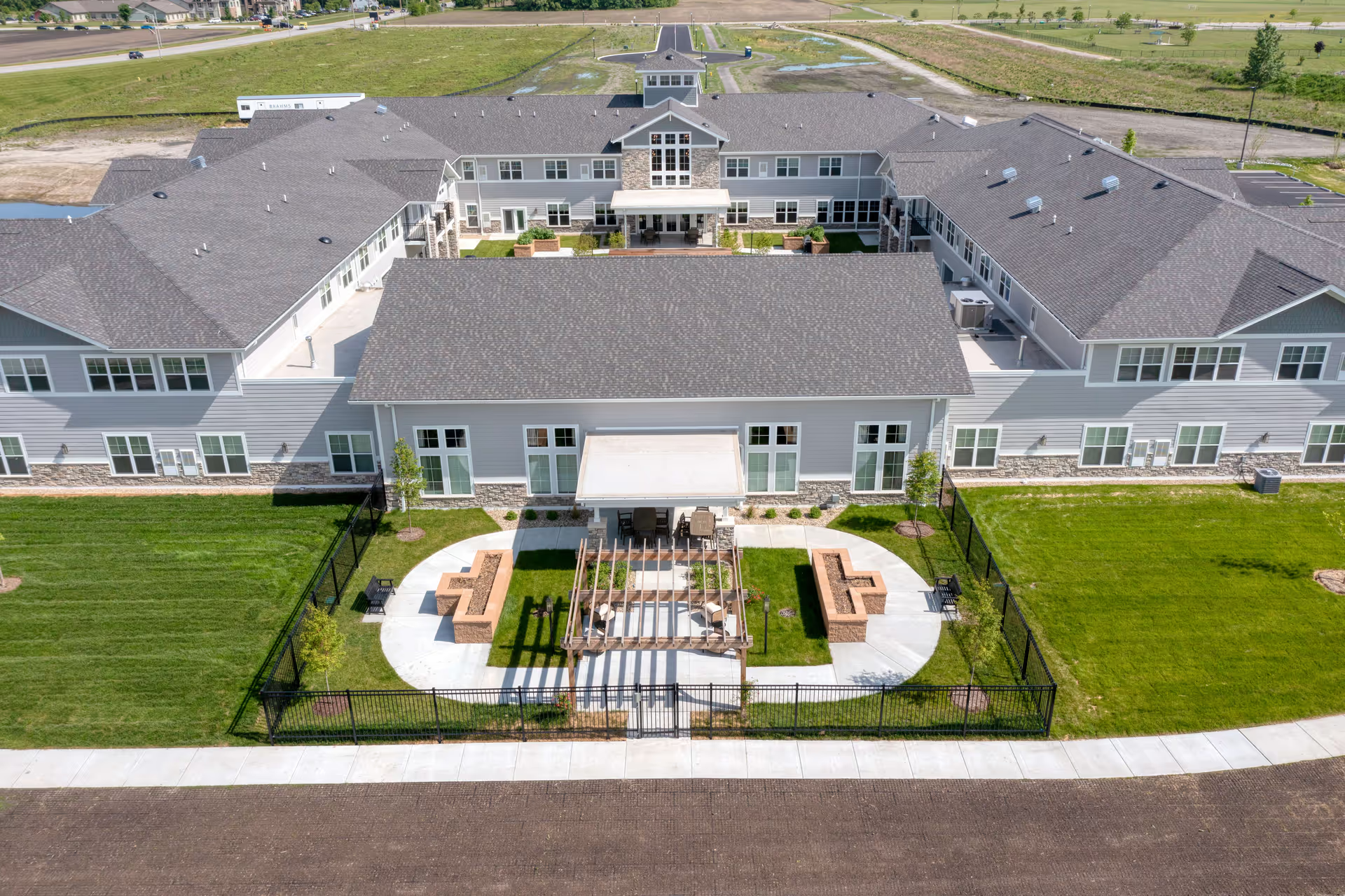
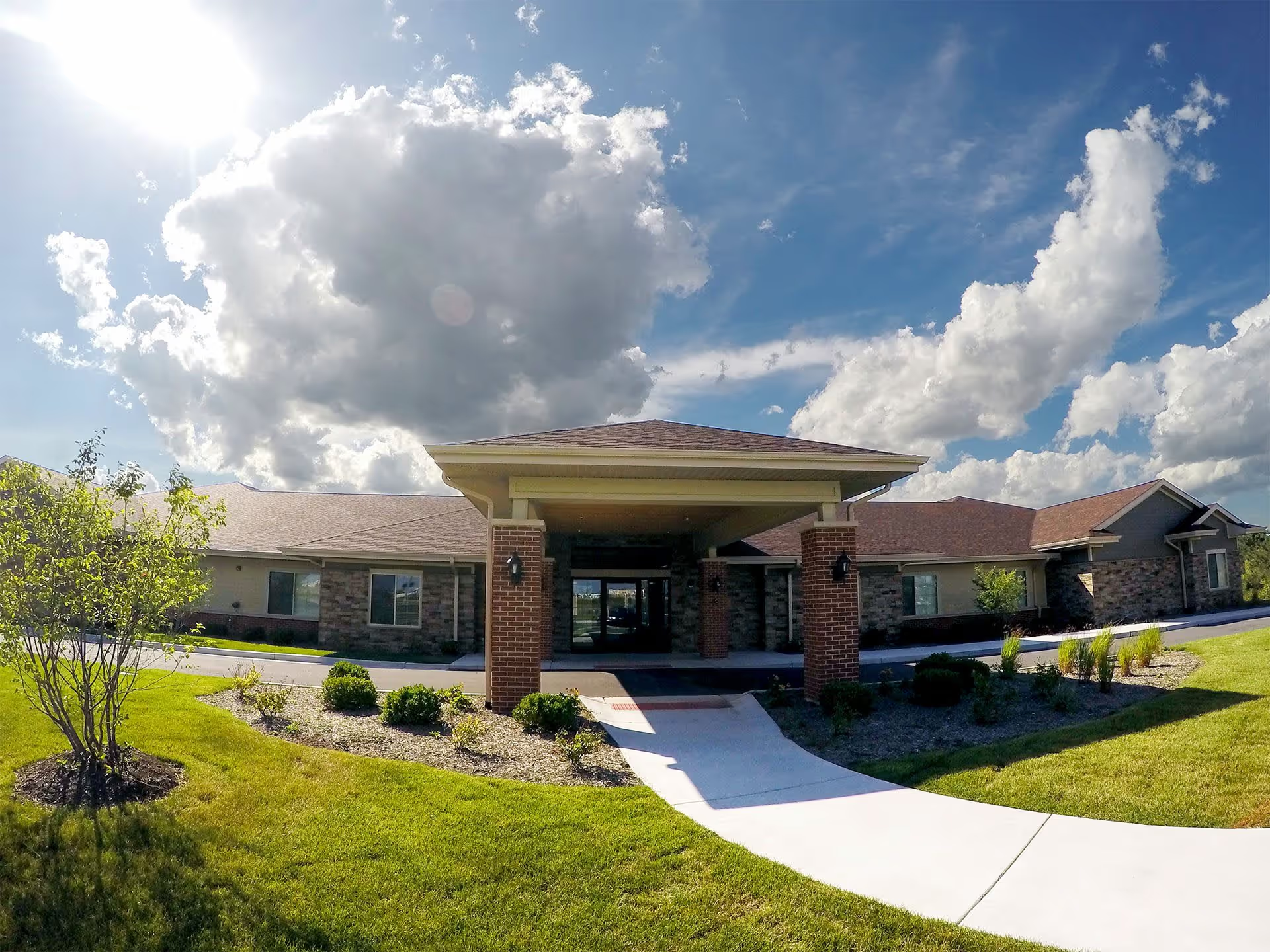
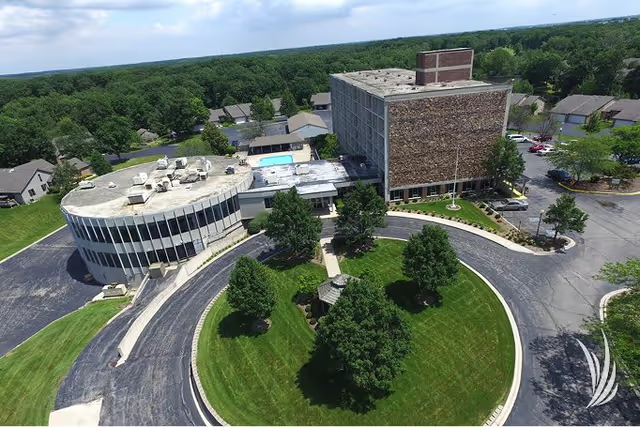
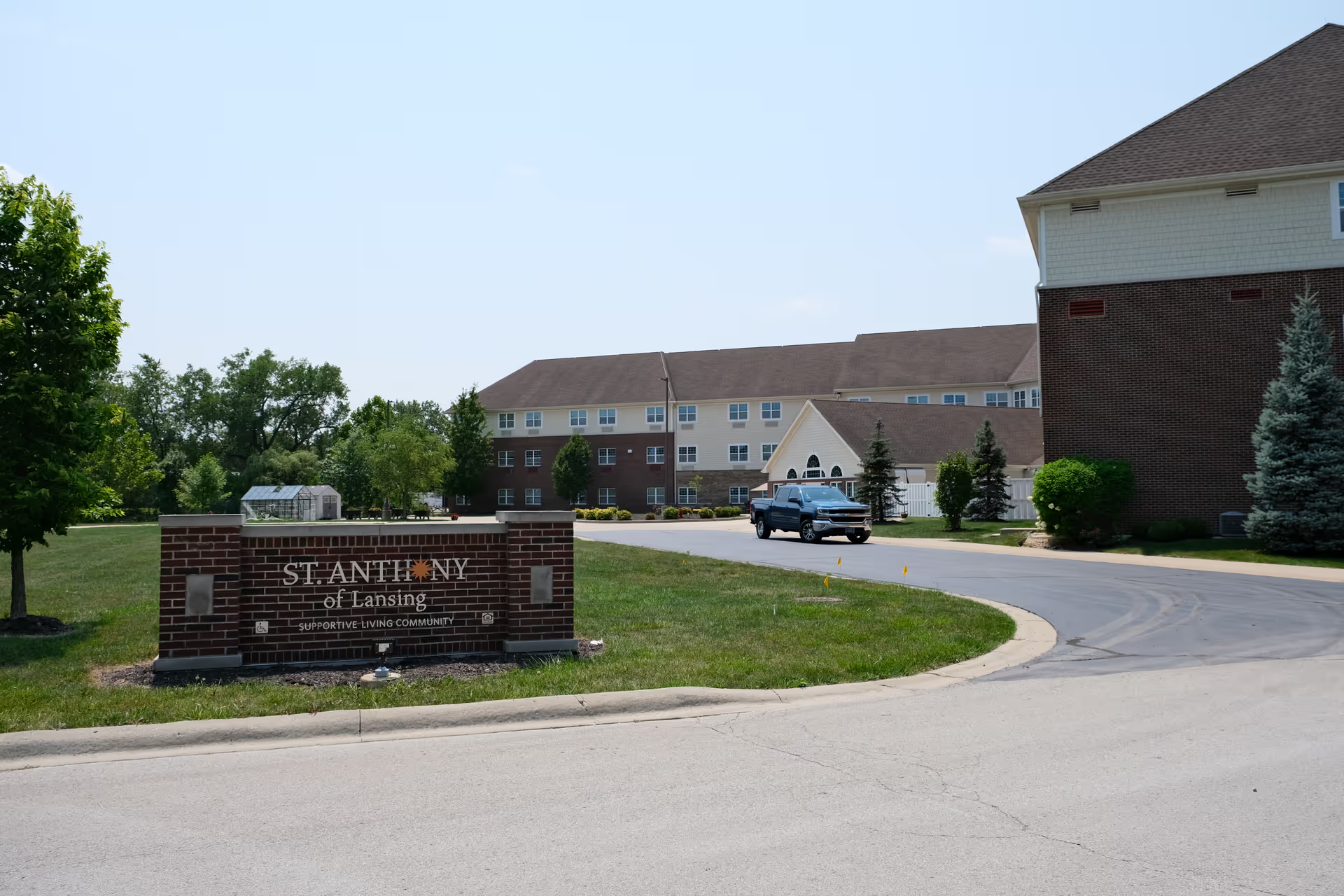
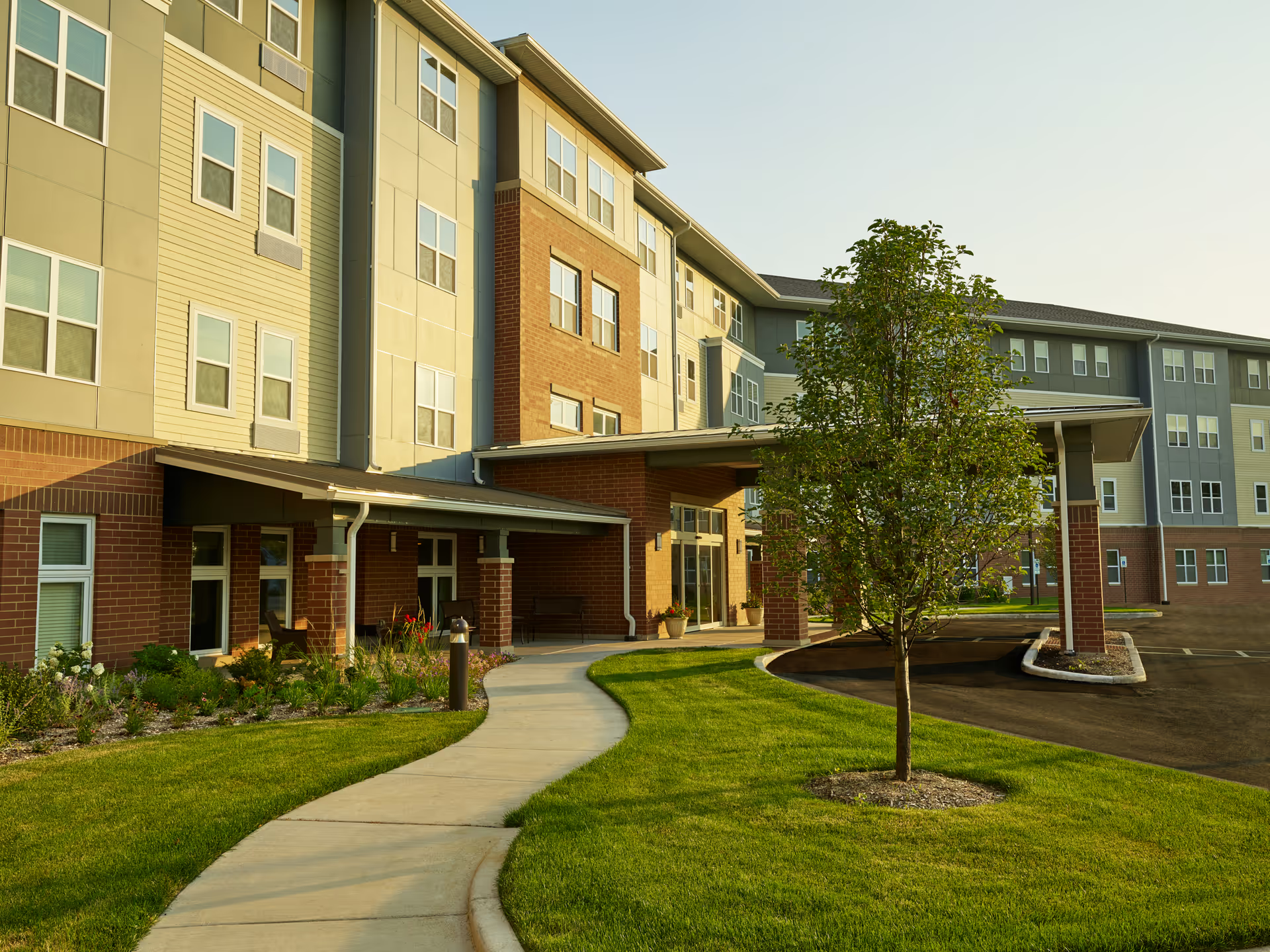
Residences at Deer Creek presents as a well-appointed, mid-to-large senior living community with many operational strengths alongside notable areas for improvement. Facility amenities and common spaces are frequently described as attractive and well maintained: landscaped grounds, multiple activity spaces (library, theater, exercise room), an on-site salon, and a restaurant-style dining room that operates with extended hours. Apartment layouts are often reported as roomy and accessible, with private bathrooms and step-in showers in many units. On-site rehabilitation and therapy services, scheduled transportation, and routine maintenance/repair responsiveness contribute to a campus model that supports independent, assisted, and memory-care needs.
Care quality is a recurrent positive theme. Reviewers emphasize compassionate, patient staff at most levels—nurses, CNAs, dining staff, and leadership are frequently praised for respectful interactions and personalized attention. Several comments highlight long-tenured staff and proactive clinical oversight, which families associate with safety and peace of mind. The dining program is a clear strength for many families: restaurant-style service, seasonal menus, homemade soups and desserts, and consistent meal hours are cited repeatedly. The activities program is extensive, with daily offerings including music performances, group exercise, crafts, bingo, family nights, and outings that support social engagement across care levels.
However, pattern-level concerns emerge around operational consistency. Staffing shortages—particularly on weekends and within some memory-care shifts—are described as causing delays in responses, limited engagement during certain hours, and increased reliance on remaining staff. Relatedly, family communication is described as uneven: while many families report informative and timely updates, others cite difficulty reaching leadership, slow follow-up, or brusque communication tone. Housekeeping and resident-room upkeep appear inconsistent: common areas are typically well maintained, but some families note variability in room cleaning, garbage removal, and resident personal grooming services.
Memory care receives mixed assessments. Some accounts describe warm, secure memory units with attentive nurses and meaningful programming; other accounts identify gaps in dementia-specific training, low staff engagement on particular shifts, and underutilized therapeutic spaces. These descriptions suggest variability in the lived experience across units and shifts rather than a uniform programmatic shortfall. Additional operational issues reported include occasional delays in emergency-call responses, uneven follow-through on tasks such as assistive-device maintenance or personal-care routines, and concerns about transparency in the admissions/deposit process and pricing clarity.
In summary, Residences at Deer Creek offers a robust set of amenities, a strong dining program, and a generally compassionate caregiving culture that many families find reassuring. Prospective residents and families should weigh these strengths against recurring operational weaknesses: inconsistent staffing levels and communication, variable housekeeping at the room level, and uneven dementia-care engagement. Visiting in person, meeting clinical leadership, clarifying deposit and admission policies in writing, and observing the memory-care unit during multiple times of day can help assess whether the community’s operational consistency aligns with an individual resident’s needs.