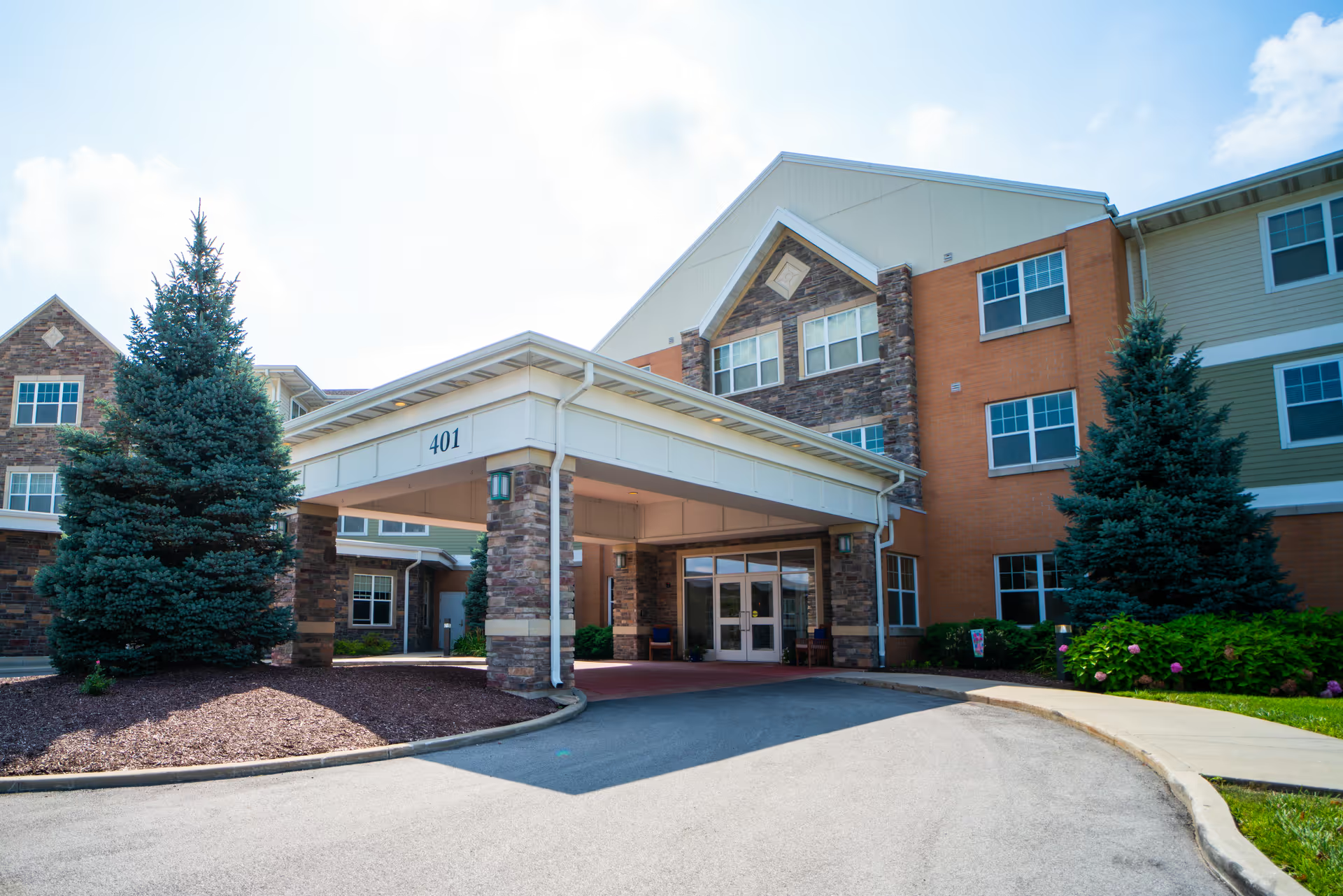
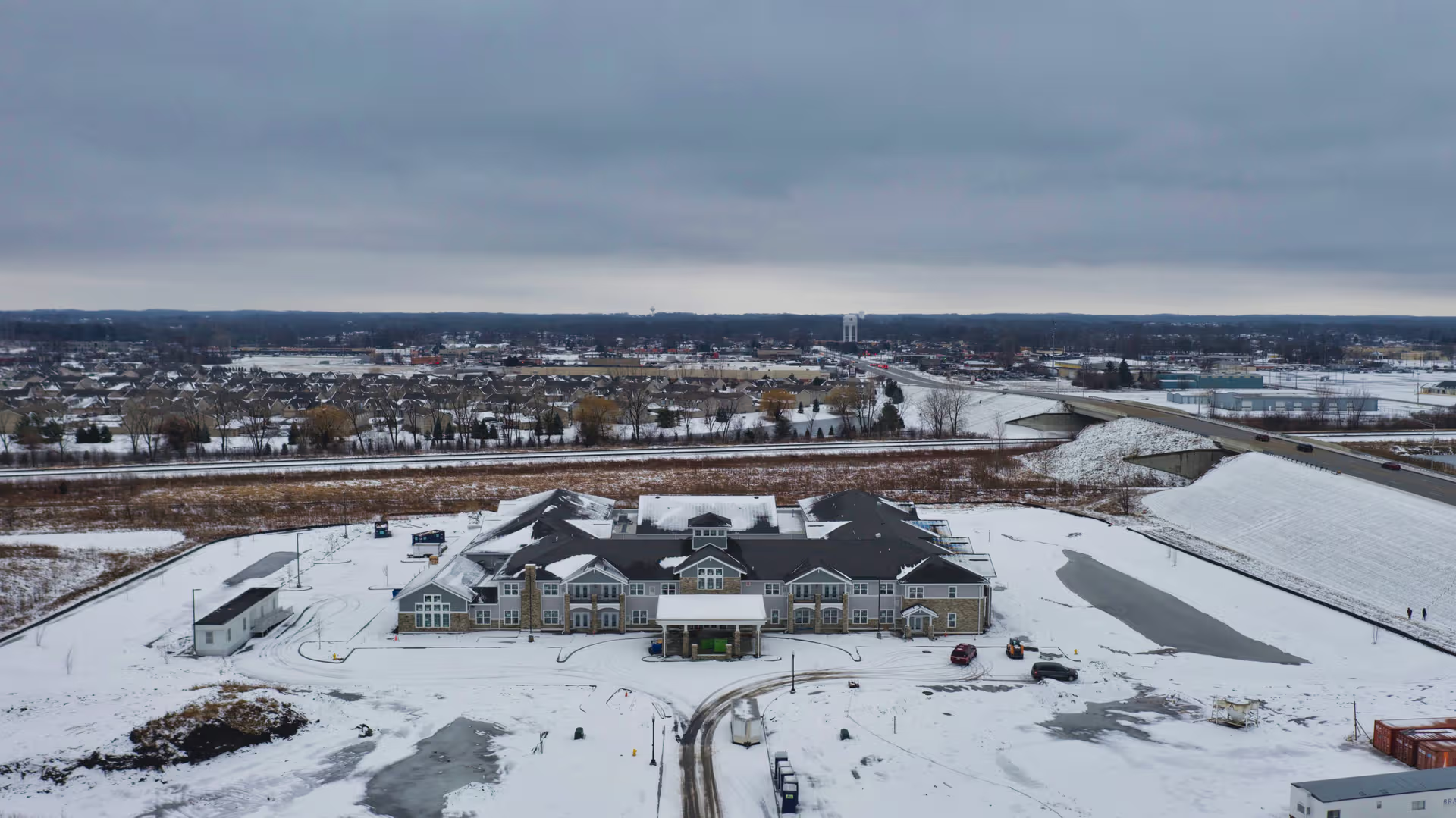
StoryPoint Schererville receives frequent praise for its hospitality‑style environment, extensive amenities, and active social life. Families and residents commonly describe a clean, modern campus with a wide variety of communal spaces — salon, fitness area, theater, game and craft rooms, bar/bistro, and multiple dining venues — that support social engagement. The life‑enrichment program is a consistent strength: scheduled and resident‑initiated activities, themed events (live music, dancing, wine tastings, Thirsty Thursday), frequent outings, and escorted transportation contribute to a highly social atmosphere and many reviewers cite improved quality of life and peace of mind.
Staffing and direct care experiences are described with mixed but often positive language. Many reviewers emphasize warm, compassionate, and attentive staff who create a family‑like culture, provide proactive assistance, and deliver individualized attention during transitions and end‑of‑life care. Several accounts note strong nursing oversight, on‑site physical therapy, and helpful move‑in orientation from community liaisons. At the same time, recurring operational concerns cluster around inconsistent staffing levels, turnover (including leadership roles), and variability in aide reliability. These patterns are linked to reports of delayed responses to call buttons, inconsistent assistance with bathing and laundry, and occasional gaps in clinical communication.
Dining and hospitality are frequently cited as highlights, with many residents enjoying three meals per day, daily specials, and chef‑driven events. Reviewers praise the variety of dining venues and special offerings, although there are also references to uneven day‑to‑day food quality and menu repetition. Housekeeping and common‑area upkeep are often described as excellent; however, there are isolated sanitation and unit‑level cleanliness concerns that several families found notable.
Management and administrative practices elicit mixed feedback. Several reviews commend responsive admissions, helpful front‑desk staff, and visible leadership that improved after an ownership change. Conversely, there are patterns of communication breakdowns between clinical staff and families, unresolved maintenance requests, and perceptions that occupancy and billing are prioritized at times. Serious individual complaints include billing and deposit disputes and allegations of financial mishandling; these are significant for prospective families to investigate directly with the provider and through contract review.
Memory care and higher‑acuity services warrant careful due diligence. Some reviewers praise the memory‑care activity staff and clinical responsiveness, while others raise concerns about service scope, access controls, and whether the unit’s licensing and offerings match family expectations. Given the variability in reported experiences, prospective residents should verify licensing, staffing ratios, clinical protocols, and documentation practices, and request recent quality and inspection records.
Overall, StoryPoint Schererville presents as a well‑appointed, activity‑rich community with many strengths in hospitality, social programming, and on‑site amenities. Those strengths appear to coexist with operational challenges typical of growing senior communities — chiefly staffing consistency, communication and maintenance follow‑through, and some serious but isolated administrative complaints. Families should balance the community’s strong social environment and supportive staff culture against these operational issues, confirm contractual and clinical details in writing, and ask for specific performance metrics (staffing ratios, response‑time expectations, billing policies, and memory‑care licensing) before committing.