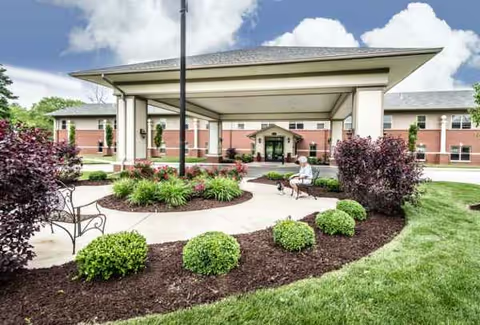
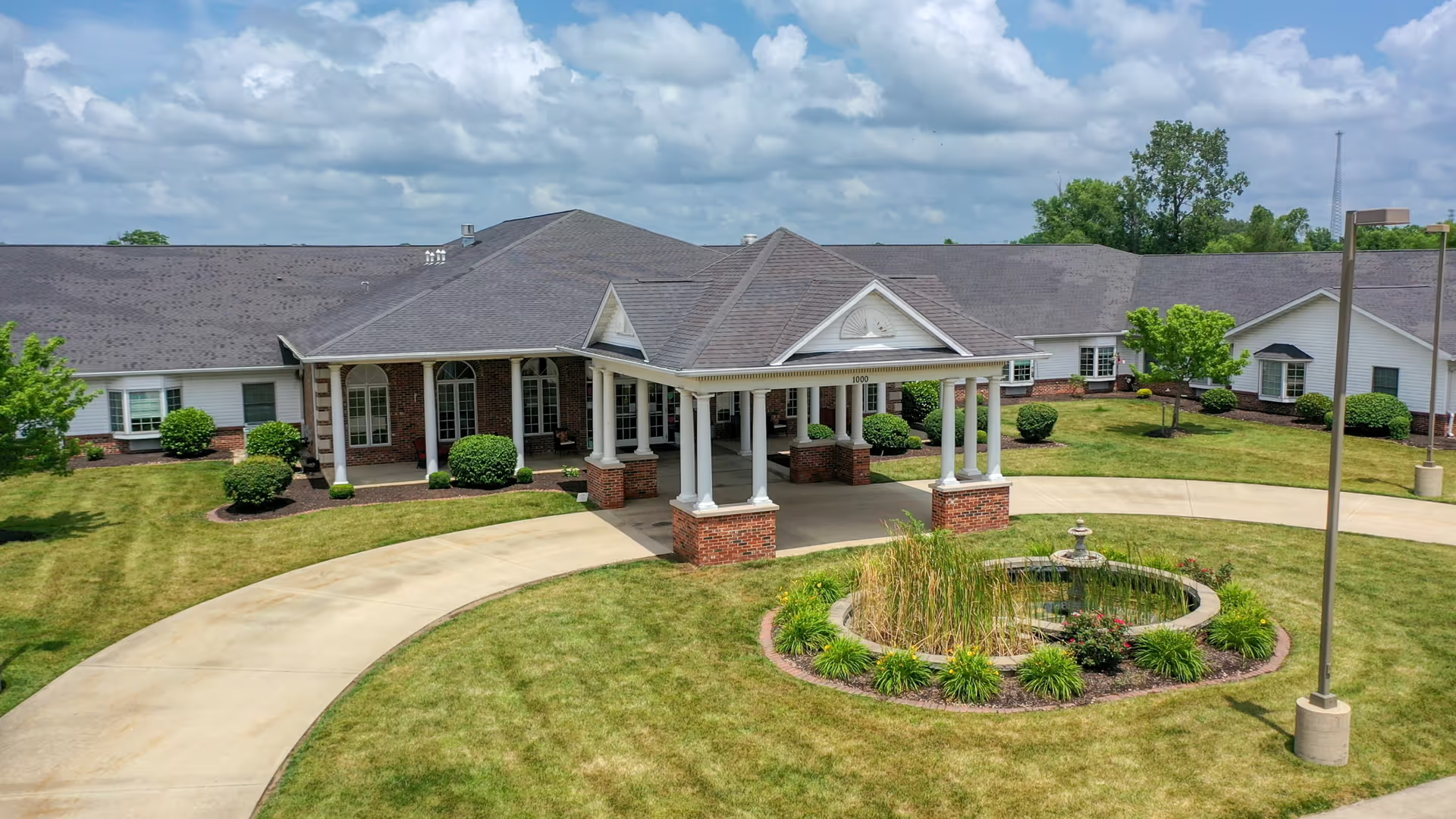
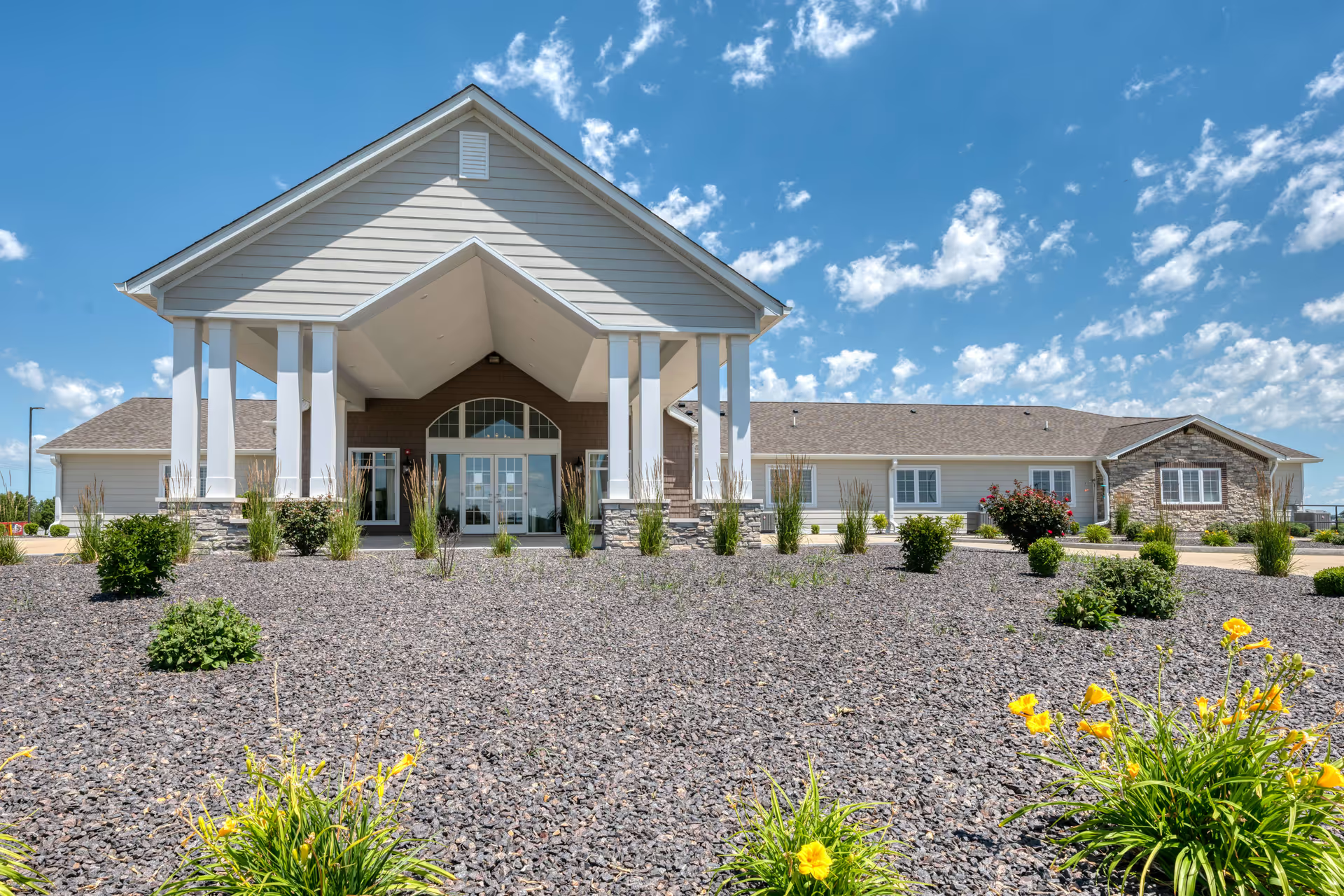
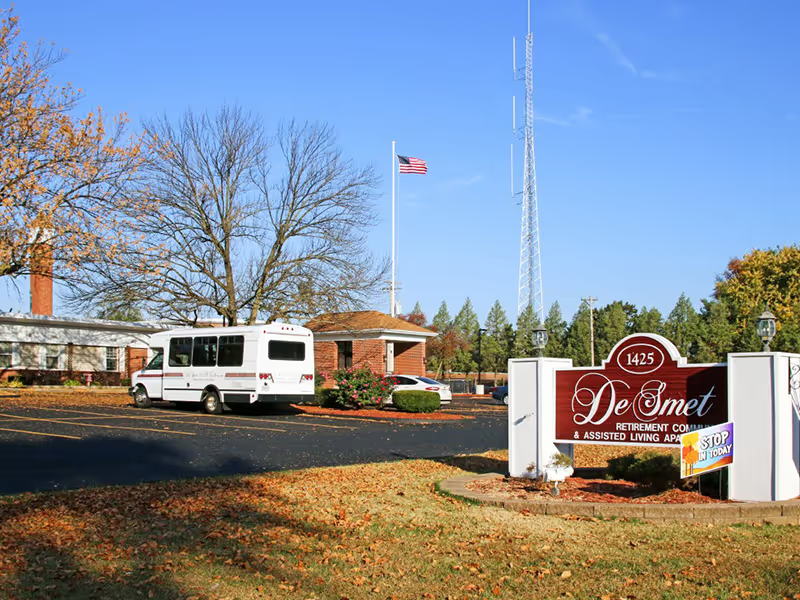
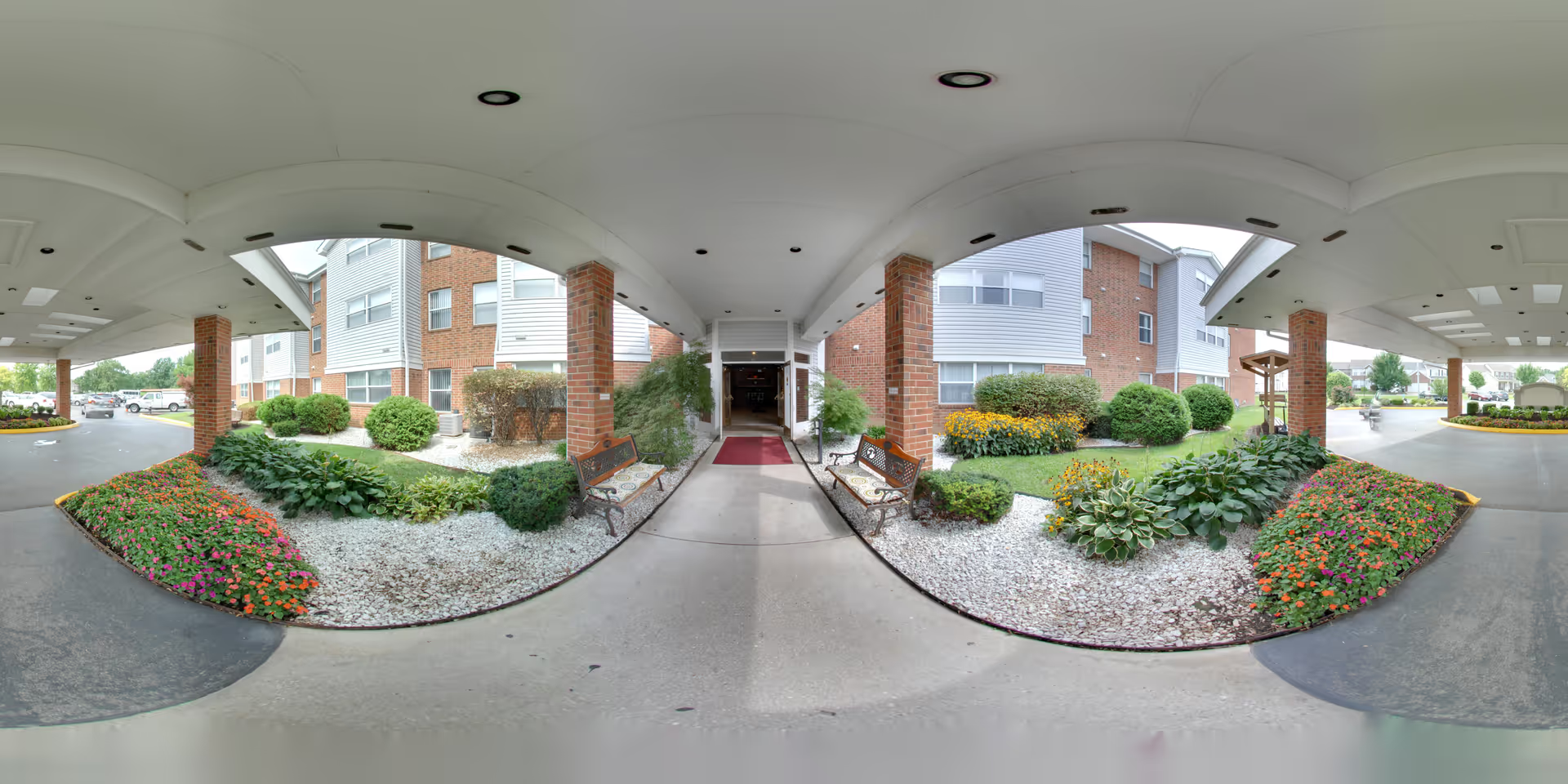
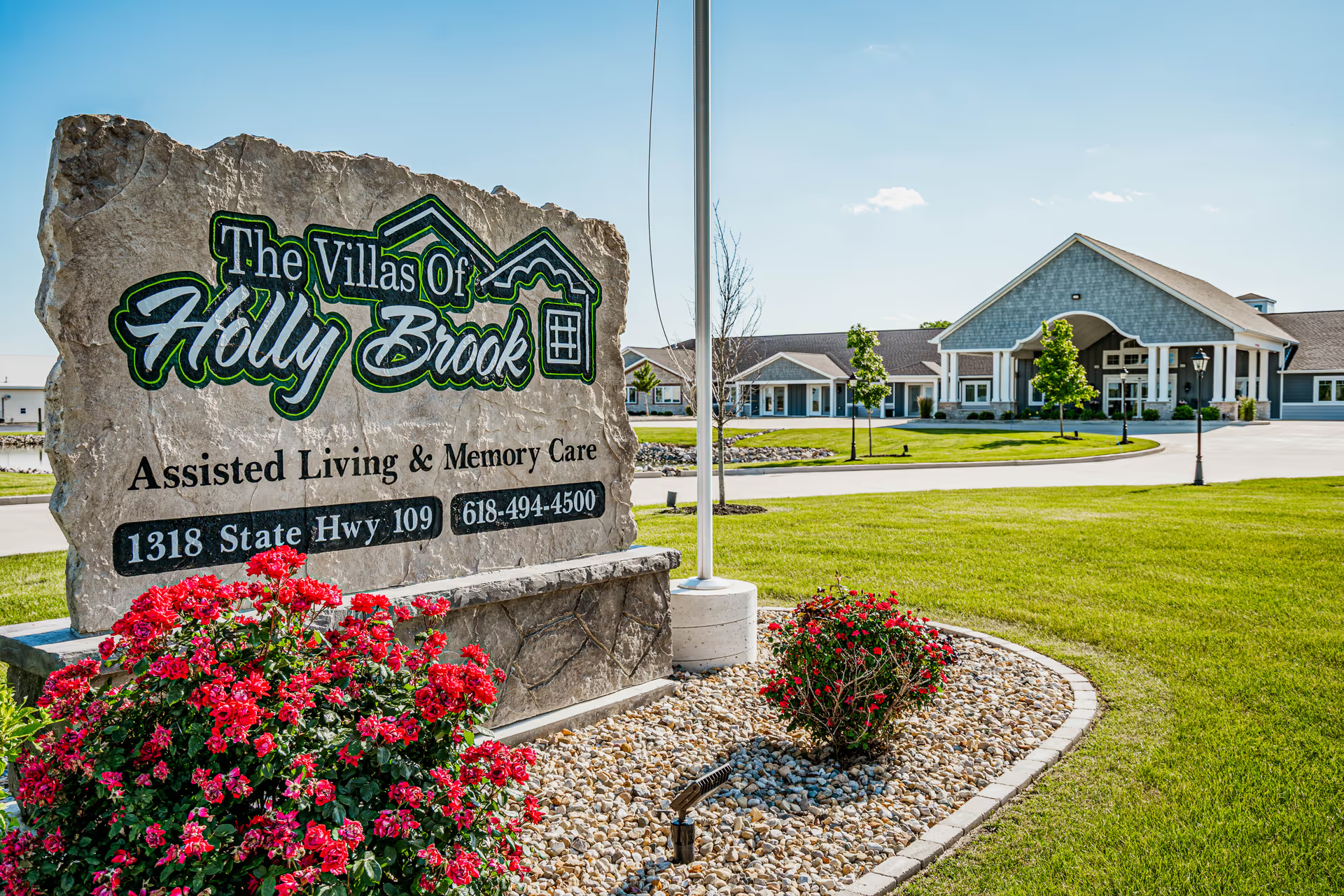
Asbury Village presents as a large, well-maintained nonprofit senior community with a broad set of living options and an active life-enrichment program. Reviewers consistently describe a campus with attractive grounds, multiple housing typologies (villas, apartments, patio units) and many in-unit conveniences (full kitchens, balconies, some in-unit laundry). The nonprofit governance model and volunteer board are cited as factors that direct funds toward resident programming and facility upkeep rather than profit. Safety features such as 24-hour staff, visible security measures, and coordinated hospice support were noted positively.
Staff and care are prominent strengths in the overall narrative. Many accounts highlight compassionate, attentive staff, engaged nursing oversight, and an activities team that delivers a wide range of programs (exercise, crafts, outings, musical events, gardening, faith services). Families frequently credit staff responsiveness for positive clinical outcomes and smooth transitions; hospice coordination and prompt nursing response during acute events are singled out in several descriptions. The community atmosphere is described as family-like, with residents forming lasting friendships and staff-personal connections emphasized as a defining feature.
Dining, amenities, and daily life receive regular praise. An on-site chef and varied menus, a bistro/café, chapel, beauty salon, library, and transport van contribute to a full-service environment. Housekeeping and maintenance are generally characterized as responsive, and the campus supports outdoor activities such as gardening and nature watching. The community also positions itself as pet-friendly and offers social events, trips, and a strong volunteer and donor presence that supports programming.
Notable operational concerns emerge that prospective residents and families should evaluate. There are recurring comments about unclear or changing fee structures and rent increases that contributed to financial uncertainty for some residents. Administrative communication and management follow-through are uneven in the accounts provided: examples include difficulties obtaining clear answers about policy, delays or stress during relocations or transitions between units, and a cited allegation of a privacy breach that suggests a need to confirm information-handling practices. Reviewers also describe gaps in emergency-transfer and return policies and occasional limitations in transportation scheduling that can affect access to appointments and outings.
Other considerations include variability across individual units and building sections (finish levels, amenities, and small maintenance items), and some variability in meal quality from day to day. The community does not offer a full skilled-nursing facility, so it may not meet the needs of residents who require the highest-acuity, on-site nursing care. Finally, the size of the campus is a strength for programming but may feel less intimate for those preferring a smaller, home-like setting.
In sum, Asbury Village appears to be a well-resourced, activity-rich nonprofit community with notable strengths in staff engagement, campus amenities, and cleanliness. Prospective residents should weigh these strengths against operational considerations: verify fee and rent policies in writing, clarify emergency-transfer and return procedures, confirm transportation availability for individual needs, and assess unit-specific finishes and maintenance responsiveness during a tour.