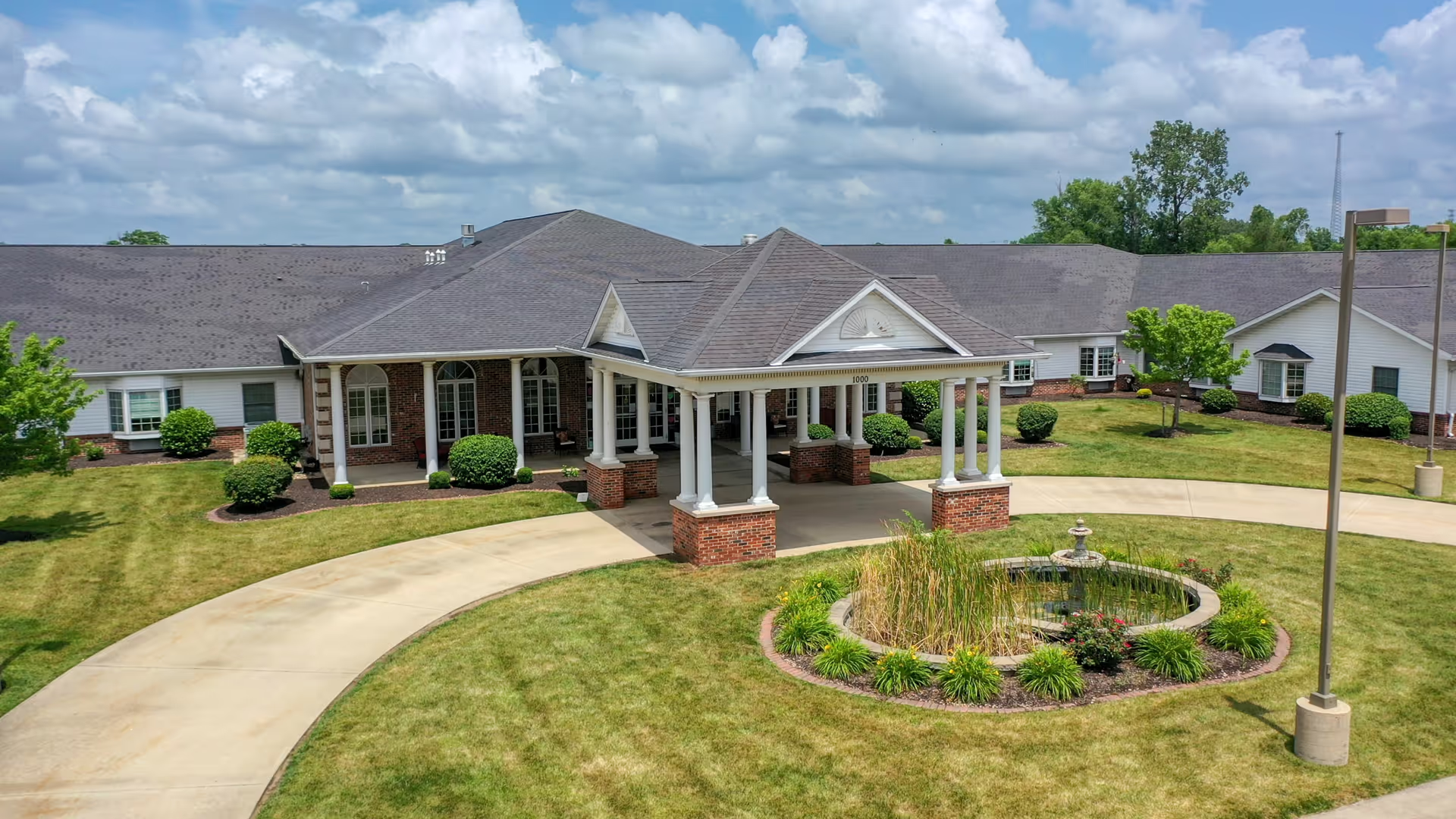
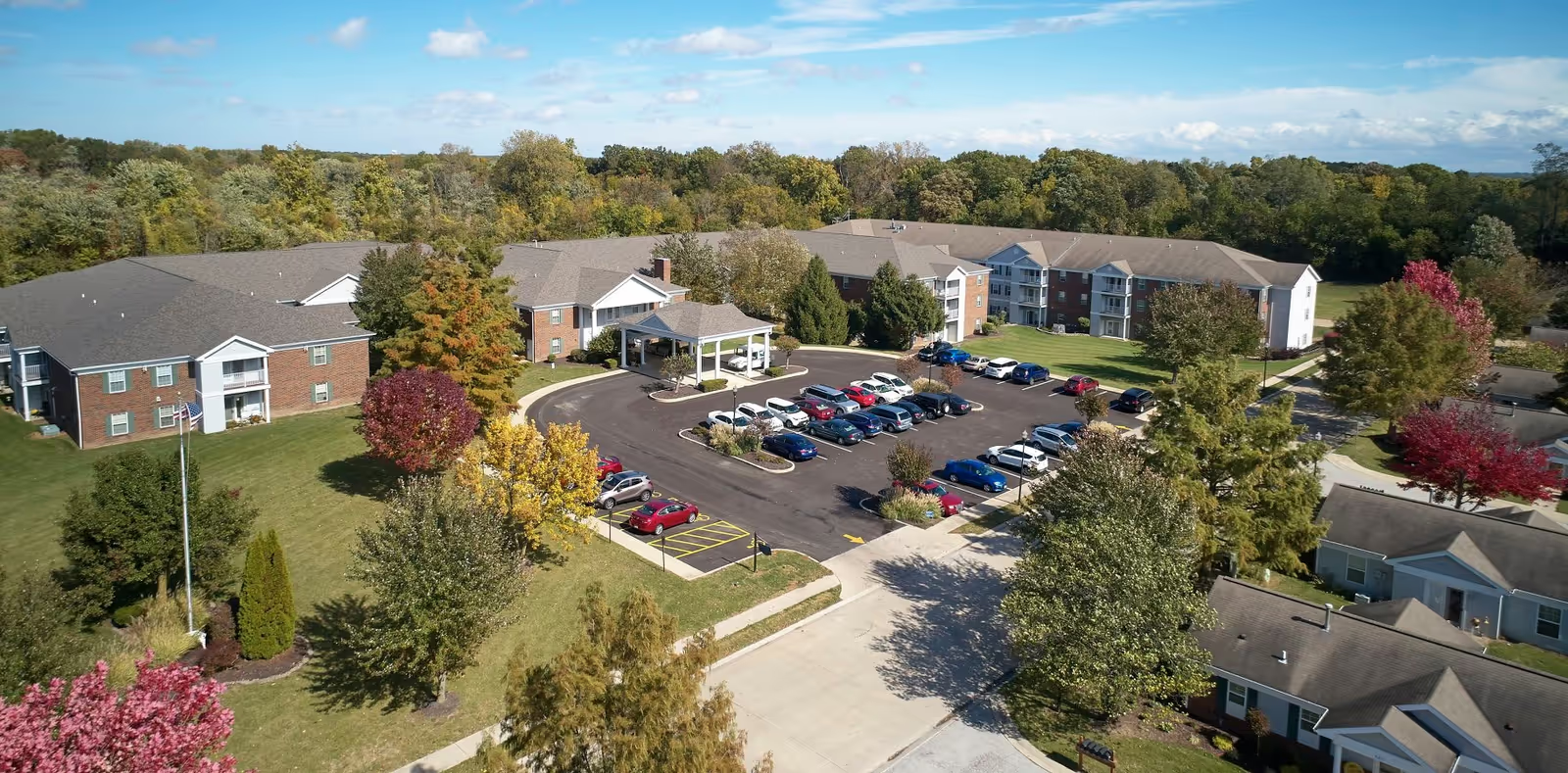
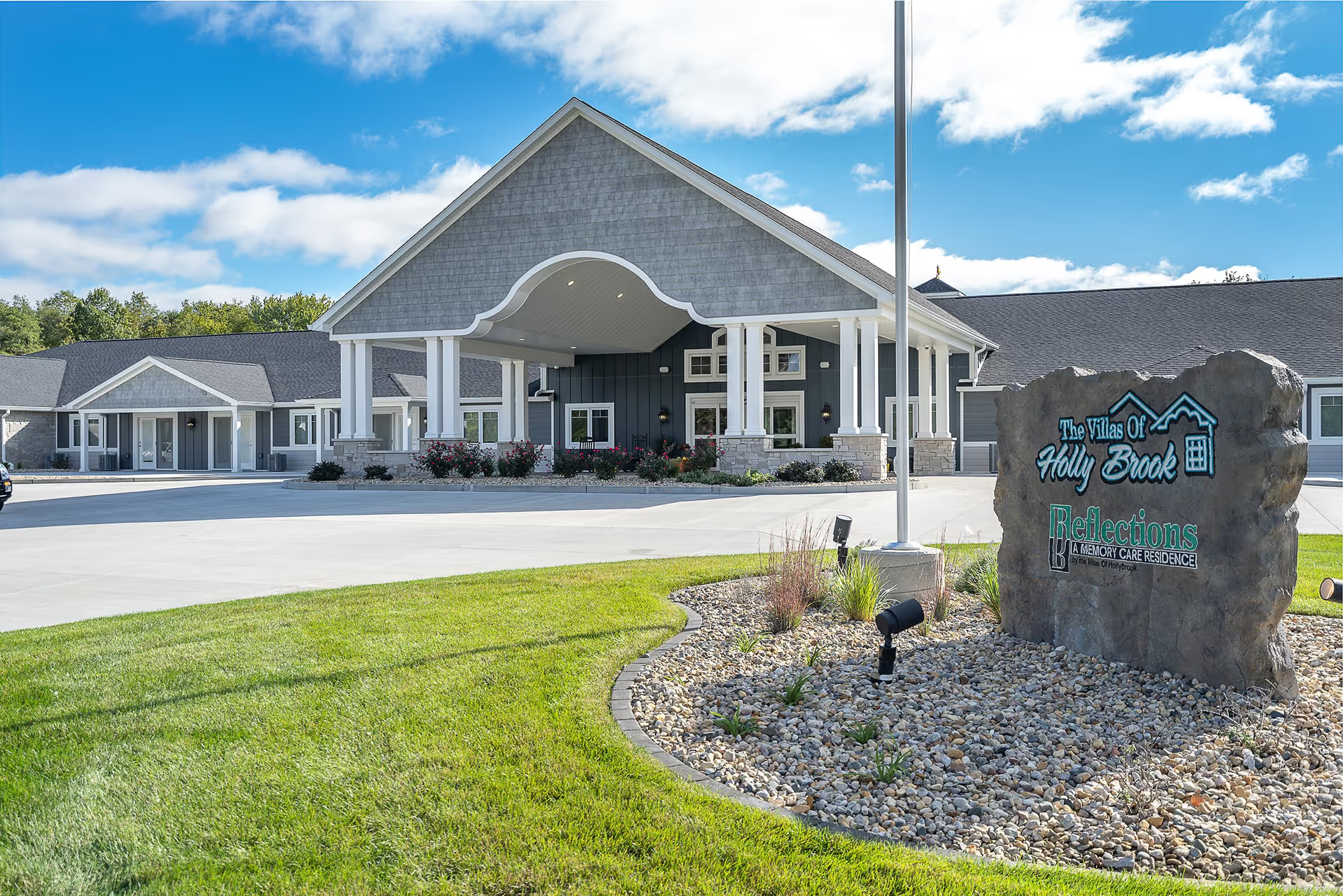
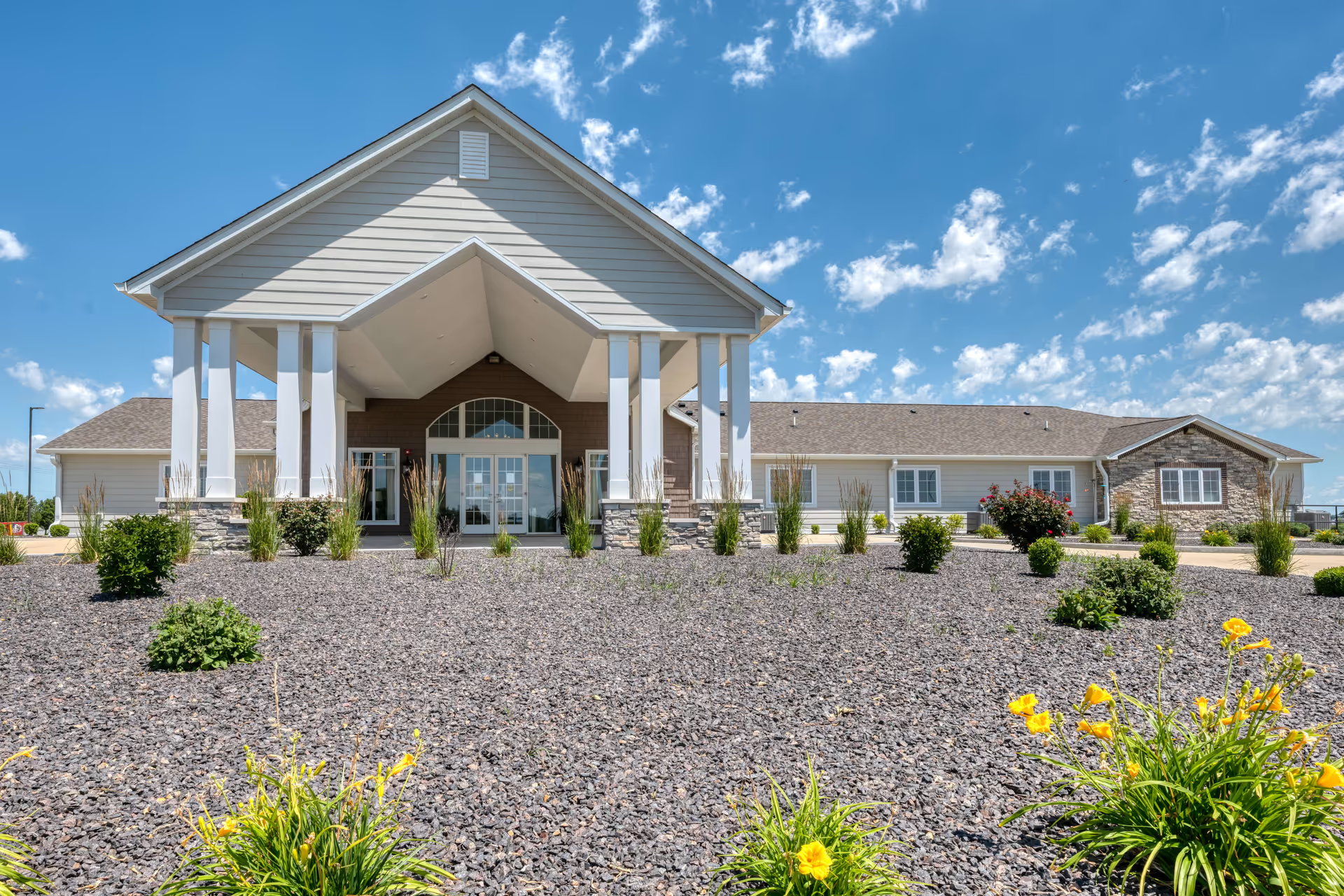
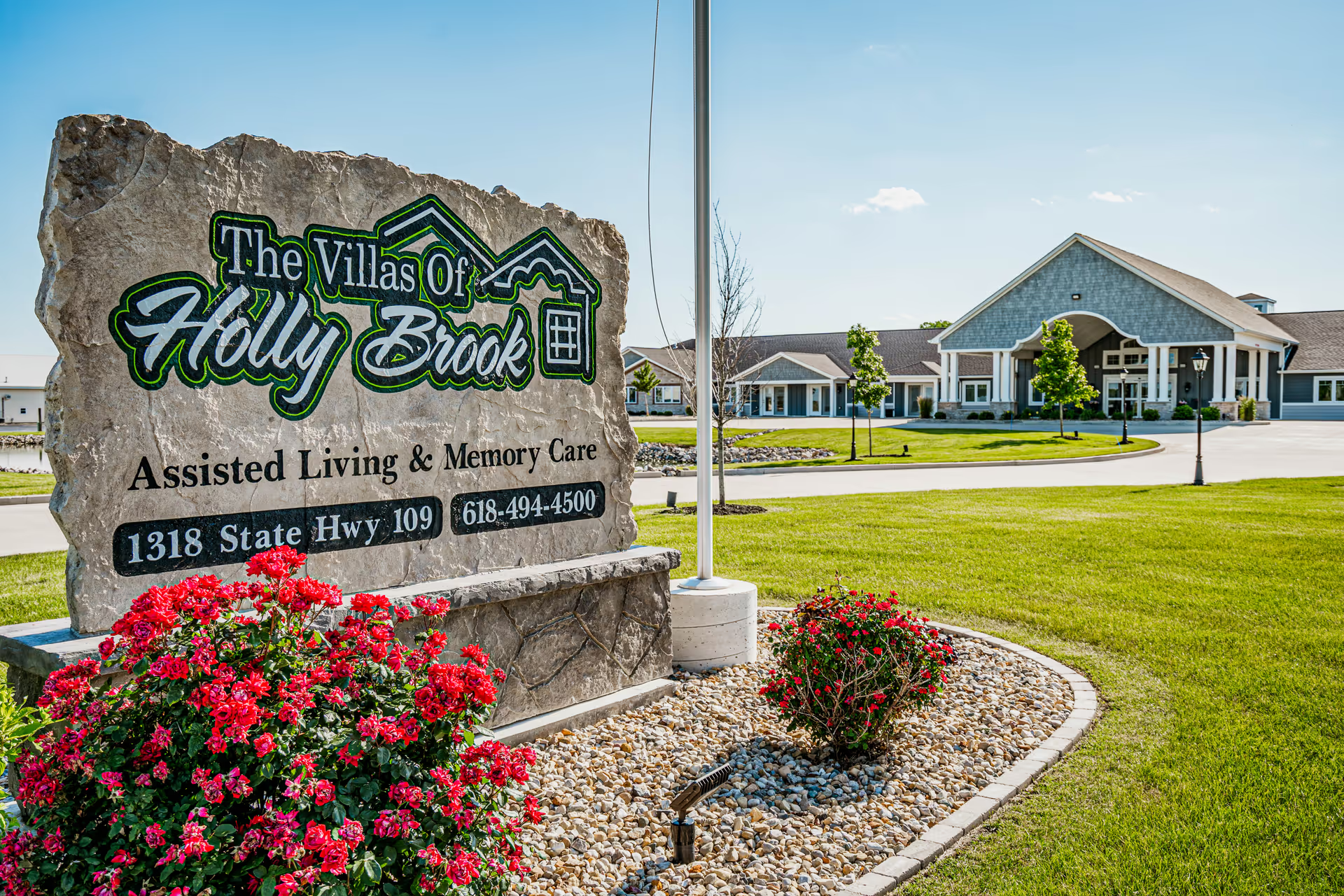
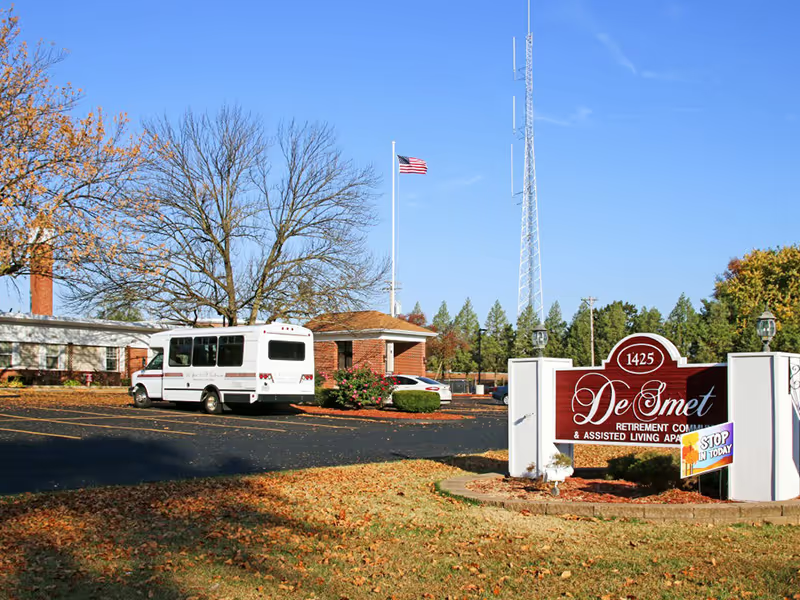
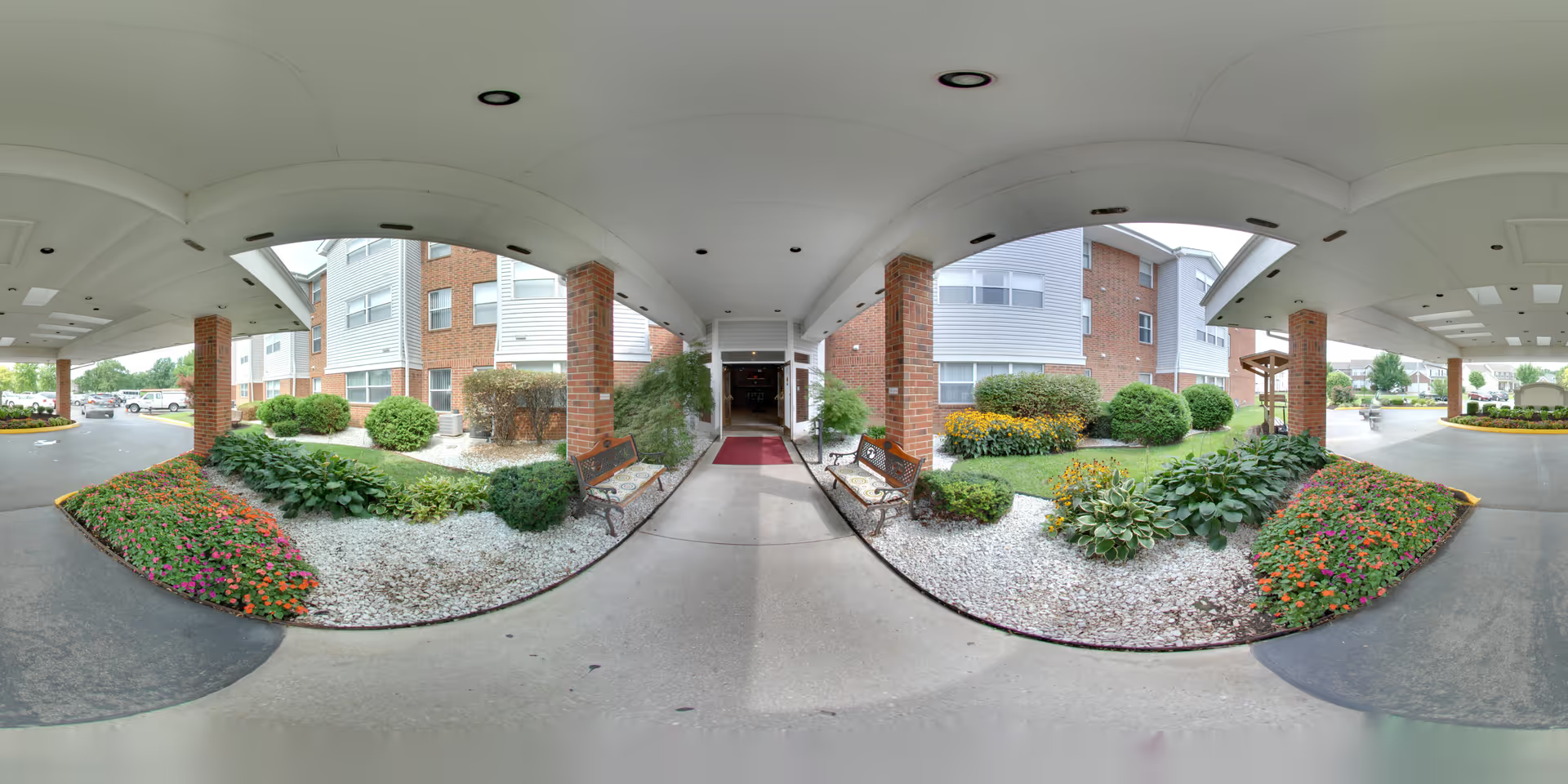
Overall impression: The facility receives consistent praise for its caring staff, clean and well-appointed environment, and a small-community model that many families find comforting. Multiple families emphasize attentive, personable aides and managers, smooth move-ins, and good communication that reduces family caregiving burden. The setting is described as warm and hotel-like, with private rooms, a garden/courtyard, and regular attention to décor and resident personalization.
Care and staff: Reviewers frequently highlight compassionate, engaged caregiving and examples of staff going beyond basic duties. Families note timely communication and staff who enable quality time with residents by handling heavier lifting and daily needs. There are also mentions of standout aides and managers who contribute to staff continuity. However, there are recurrent operational concerns: staffing levels overnight and at times of high demand appear insufficient, creating caregiver workload and burnout risk. A subset of comments raises issues about staff responsiveness or conduct; while this is not the dominant theme, prospective families should assess staff experience with advanced geriatric and later-stage dementia needs during tours.
Dining and nutrition: The facility operates an in-house kitchen and several reviewers praised a chef who personalizes menus and delivers good meals. Others noted that meal personalization can be inconsistent and that dining-room activity levels vary. Overall meal quality is generally viewed positively, but families seeking highly individualized nutrition plans or consistent personalization should confirm kitchen capabilities and communication processes with dietary staff.
Activities and engagement: Activity programming is portrayed as a strong point, with organized offerings such as arts and crafts, manicures, music visits, baking, sing-alongs, bowling-style games, and outings. Staff continued programming during restrictive periods, which reviewers appreciated. That said, some residents do not participate or have limited mobility; the facility’s small size and limited indoor walking area may constrain some activity options for more mobile residents.
Facilities and safety: The physical plant is generally described as clean, bright, and well-decorated, with private rooms and accessible bathrooms. Memory-care safety features are in place, and families feel secure overall. Conversely, some reviewers noted safety-layout issues — for example, unsecured breakables or open desk areas and room layouts not optimized for later-stage dementia — suggesting the facility is better suited to early- to mid-stage memory support rather than advanced clinical needs.
Management and admissions: Many families commend the management for responsiveness and friendly, family-like interactions. A few reviews describe the admissions and discharge process as transactional or marketing-focused, and there are isolated accounts of abrupt transitions; this points to a need for clear, written admission and discharge policies and direct conversations about expectations. Cost is another recurring theme: the facility is often viewed as higher-priced than alternatives, so families should balance perceived service levels against budget and verify what is included in fees.
Notable patterns and recommendations: The dominant pattern is strong interpersonal care, cleanliness, and engaging programming in a small, secure memory-care setting. Areas to probe during an evaluation visit include overnight staffing and coverage plans, the facility’s experience and protocols for later-stage dementia, specific safety features in resident rooms and common areas, consistency of meal personalization, and transparent admission/discharge policies and pricing. Those with residents in earlier stages of memory loss or who prioritize a close-knit, activity-rich environment may find this community well aligned; families needing high-level clinical support or extensive walking space should verify fit before deciding.