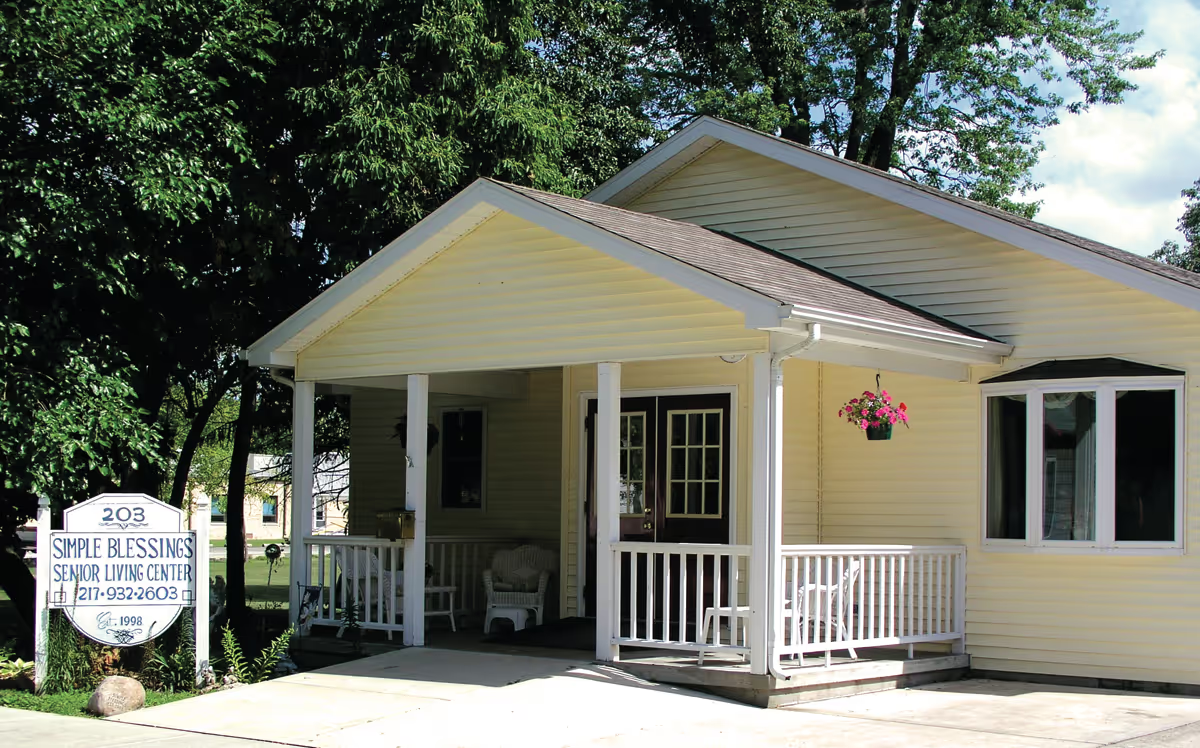
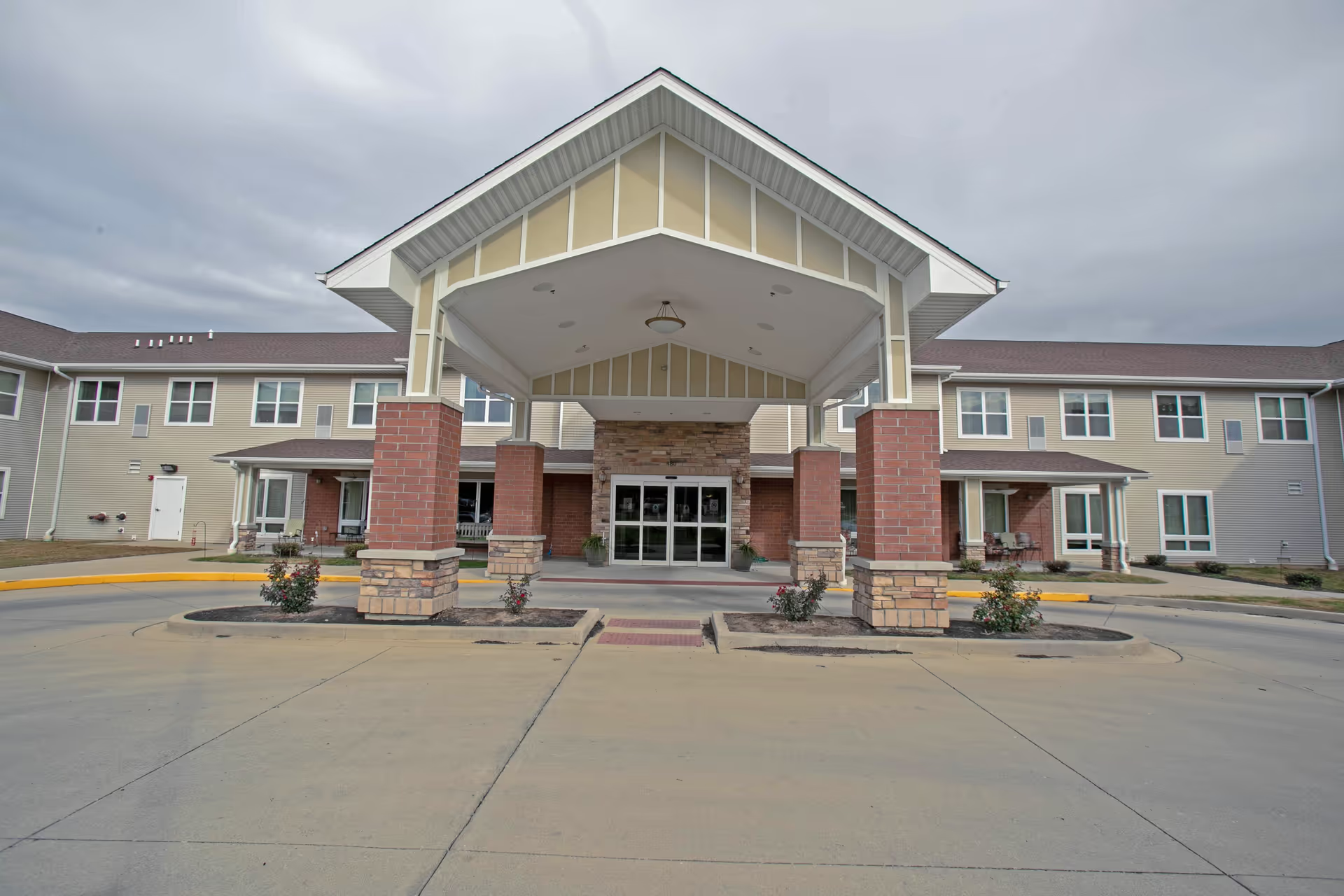
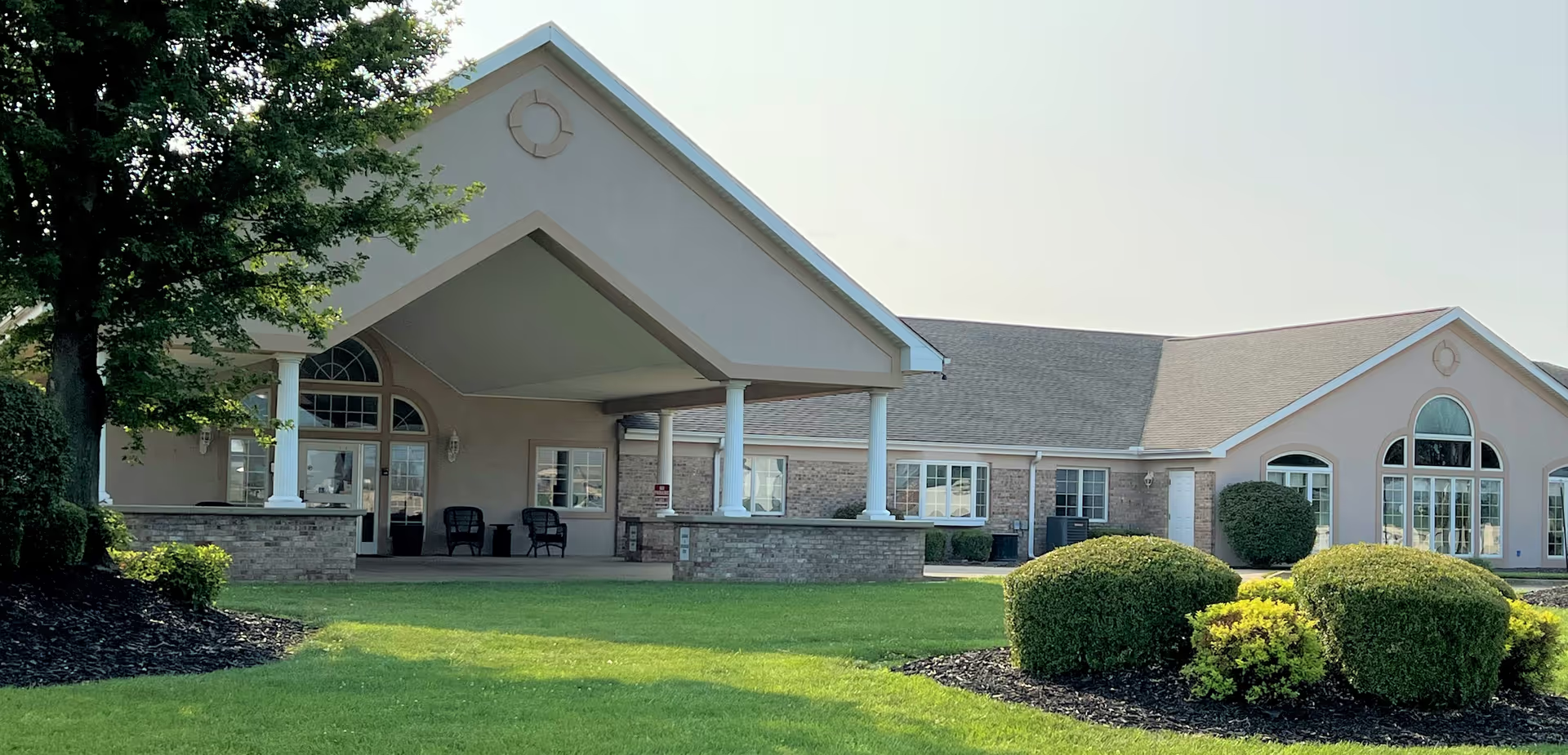
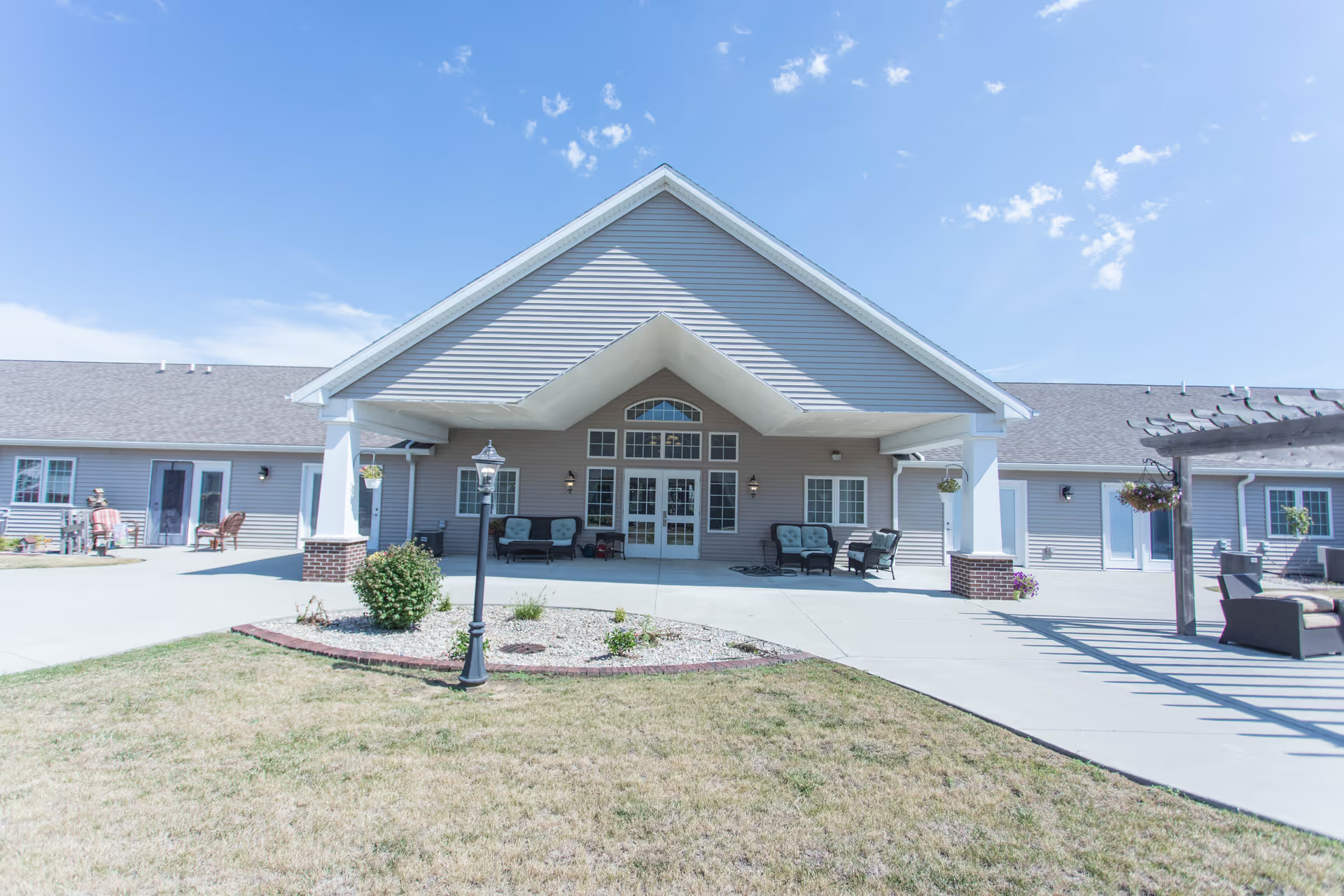
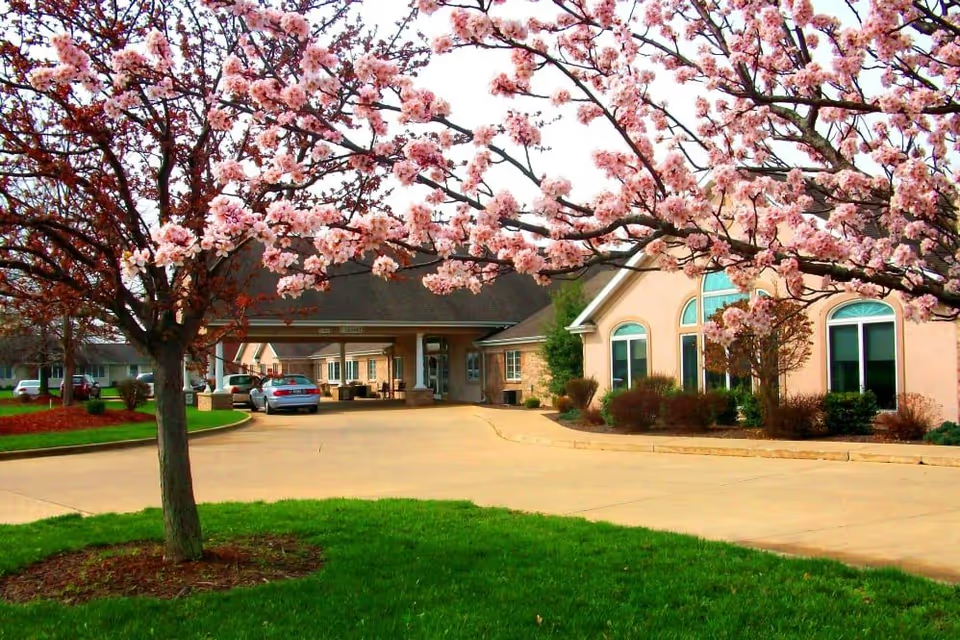
Cumberland Rehabilitation & Health Care is frequently described as a small, well-kept facility with a strong emphasis on cleanliness, housekeeping, and a home-like atmosphere. Families and visitors commonly note an orderly environment, pleasant curb appeal, and consistently maintained common areas. The facility’s physical environment is often cited as a contributor to resident comfort and a positive daily experience.
Care quality and staffing are the most consistently praised elements. Reviewers highlight compassionate, attentive nurses and CNAs, a skilled therapy department that helps residents meet rehabilitation goals, and the presence of a full-time nurse practitioner who supports clinical coordination. Many comments emphasize long-tenured leadership, a supportive management culture, and high staff morale; these organizational factors appear to reinforce consistent interpersonal care and teamwork across departments.
Dining and activities receive favorable mentions as well. Meal quality is described as adequate to good, and the activities program — including music-based events and community outreach — is frequently credited with promoting resident engagement and quality of life. Laundry and housekeeping services are singled out as reliable, and reviewers often describe residents as participating in meaningful daily programming.
Notable patterns of concern appear in clinical access and specialized-care capacity. Several families described limited on-site physician availability and delays in timely doctor access. There are also indications of gaps in staff training for certain specialized needs (for example, developmental differences and some dementia-care approaches). The facility does not appear to offer overnight Alzheimer’s-specific care, and reviewers pointed to constrained memory-care capacity and a need for more robust overnight supervision for residents with significant memory impairment.
Operational variability is another theme. While many reviews praise day and evening staff, others identify inconsistent responsiveness during certain shifts — particularly overnight — and occasional incontinence-care and toileting-response delays. A few comments suggest that discharge or placement practices can be abrupt or inflexible, which families may wish to clarify during placement discussions. There are also isolated concerns about staff conduct and interpersonal boundaries; these are described as cultural or practice-level issues rather than broadly systemic, but prospective families should consider them when evaluating fit.
Overall, Cumberland appears to offer strong rehabilitative services, a caring workforce, and a clean, welcoming environment. Prospective residents and families who prioritize compassionate daily care, active programming, and a smaller, community-oriented setting will find many strengths here. Families considering placement should explicitly inquire about physician coverage, overnight memory-care availability, staff training for specific clinical needs, shift-to-shift staffing patterns, and discharge policies to ensure the facility’s operational capabilities align with the prospective resident’s needs.