Overview Reviews present a mixed picture: many families praise compassionate nurses, attentive aides and effective therapy that supported rehabilitation and return home, while others describe episodic lapses in basic care and clinical follow‑through. The facility shows strengths in individualized rapport, proactive family communication, and an active activities program; however, recurring operational issues — most notably staffing levels and response times — appear to drive much of the negative feedback.
Care quality Clinical experiences range from attentive, outcome‑focused care to instances of inconsistent follow‑through on wounds, dressing changes, ostomy care and medication administration. Several accounts describe timely rehabilitation and responsive medication adjustments, while other accounts indicate delayed interventions and escalation that required hospital transfers. The pattern suggests variability by shift and unit: when staffing and communication are functioning well, clinical care is regarded as competent; when understaffing or communication breakdowns occur, families report important lapses.
Staff and conduct Many reviewers highlight compassionate nurses, dedicated aides, and helpful secretarial staff, and several individuals and teams are singled out for going above and beyond. At the same time, concerns include high CNA turnover, heavy workloads and long shifts, which reviewers link to slower responsiveness and inconsistent caregiving. Comments also reference uneven staff tone and communication style; some families experienced respectful, inclusive engagement, while others described less professional interactions.
Dining and activities Dining impressions are mixed. Multiple reviewers praised flavorful meals, holiday dinners and helpful kitchen staff, while other families reported repetitive menus, small portions and occasional rude service. The activities program is a consistent positive: an engaged activities director, regular bingo, crafts, games and holiday programming are noted as meaningful quality‑of‑life contributors; some reports indicate variability in how frequently residents are engaged depending on staffing and unit assignment.
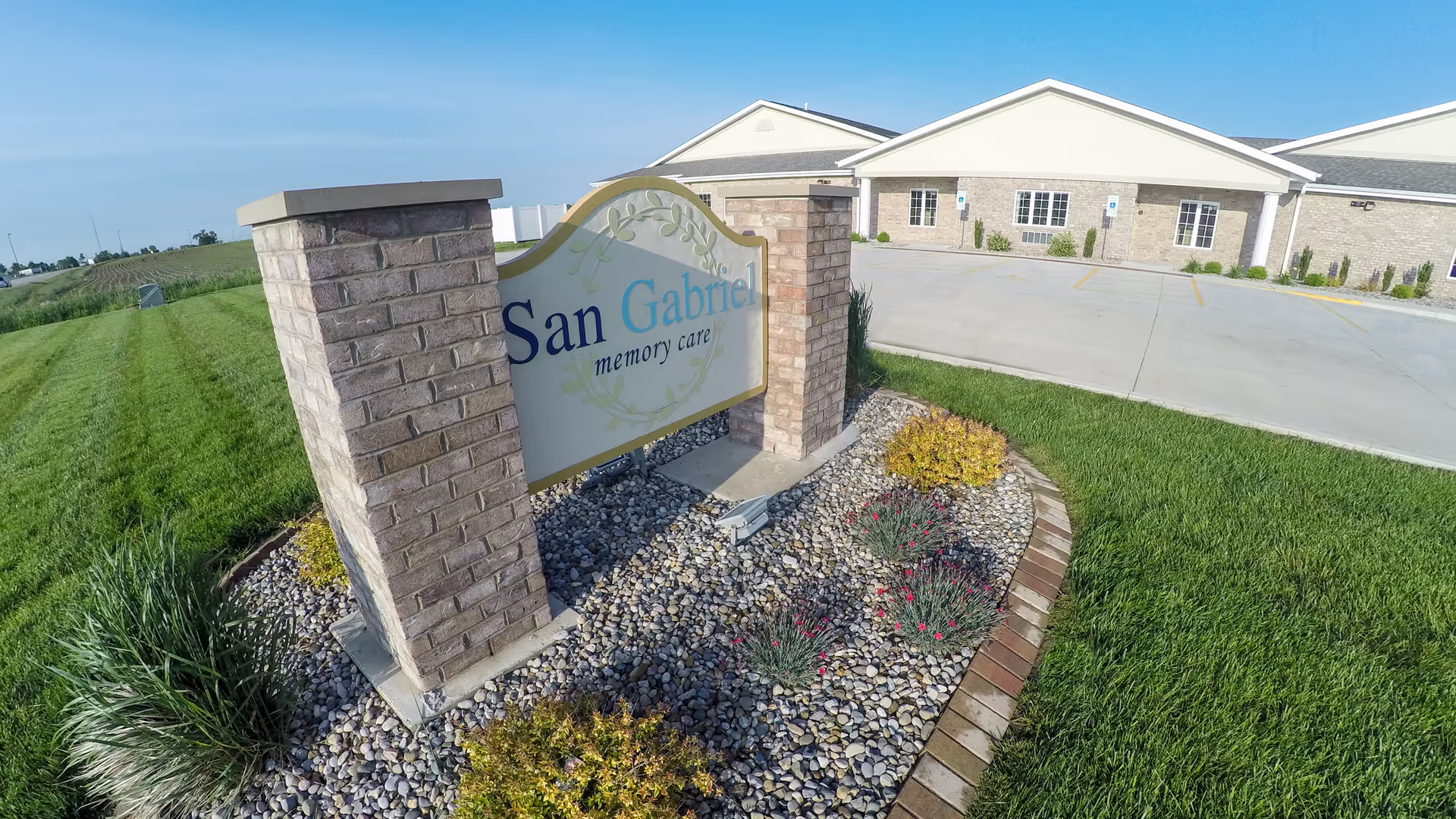
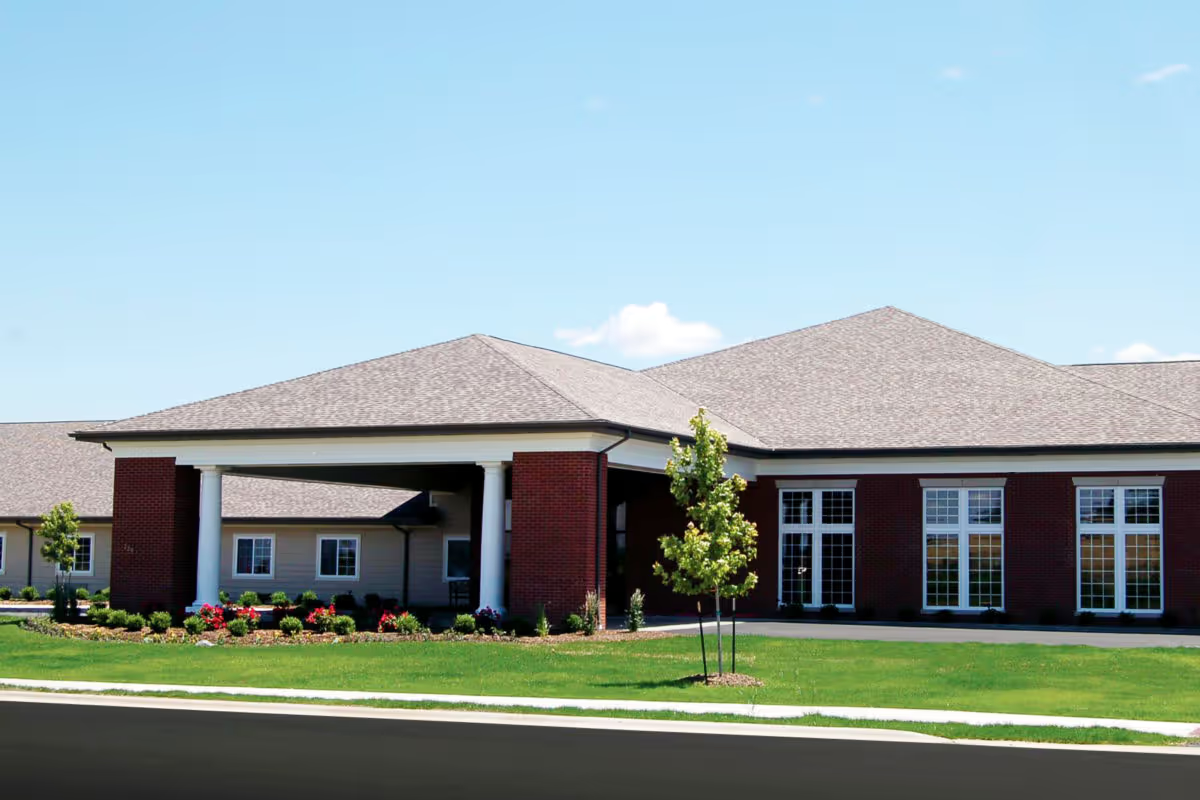
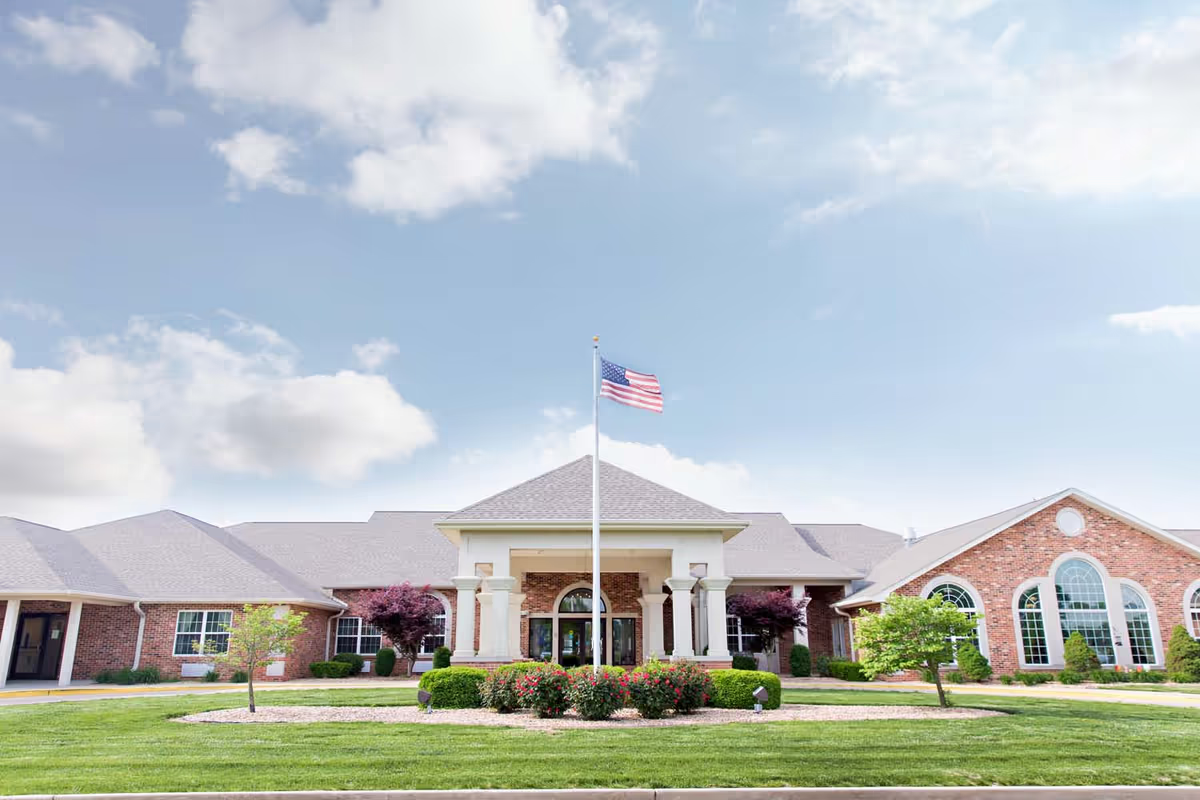
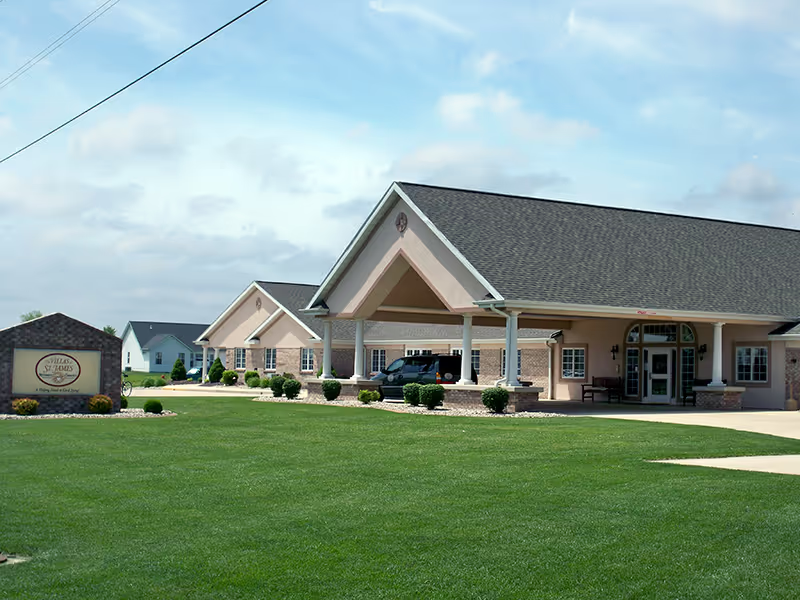
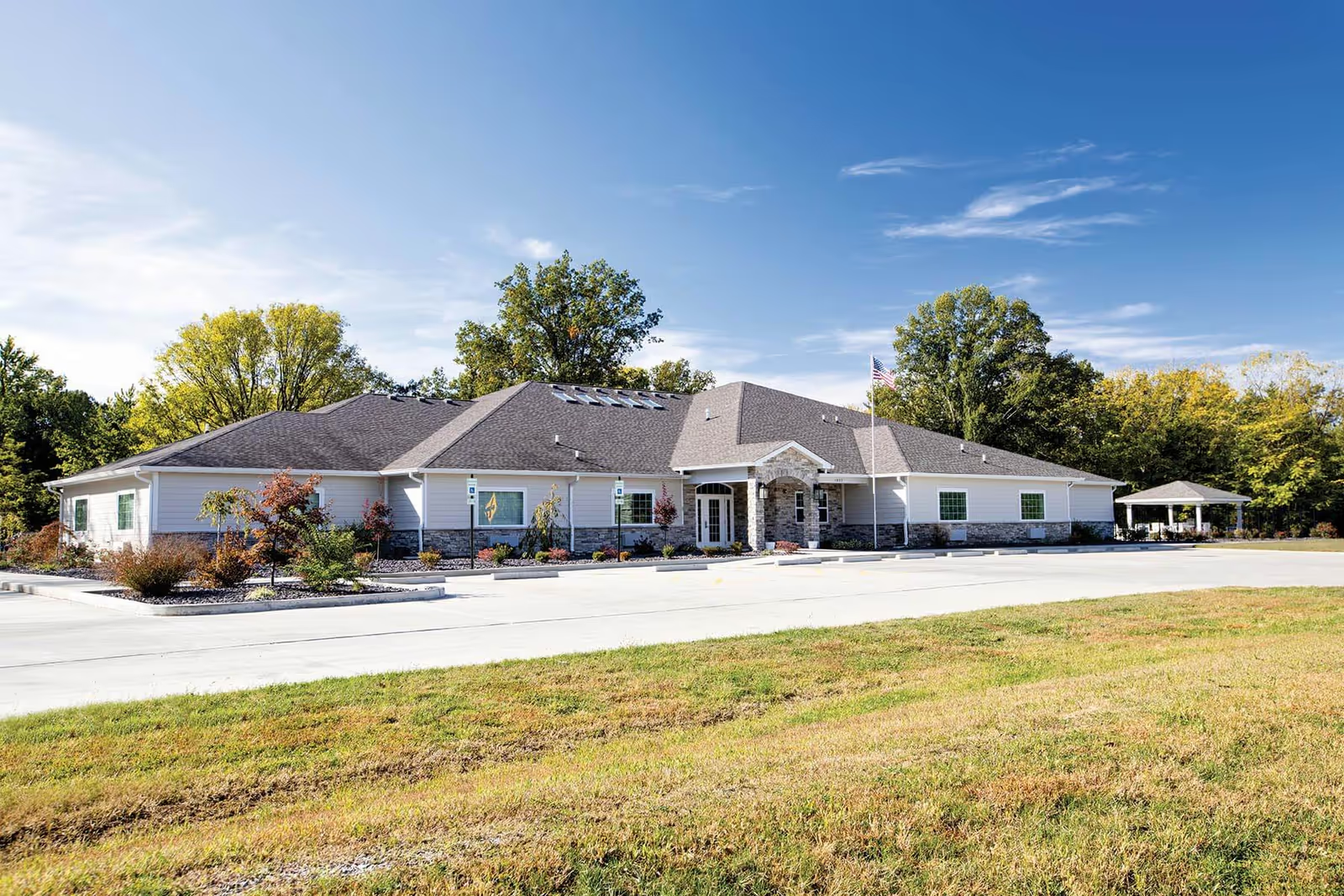
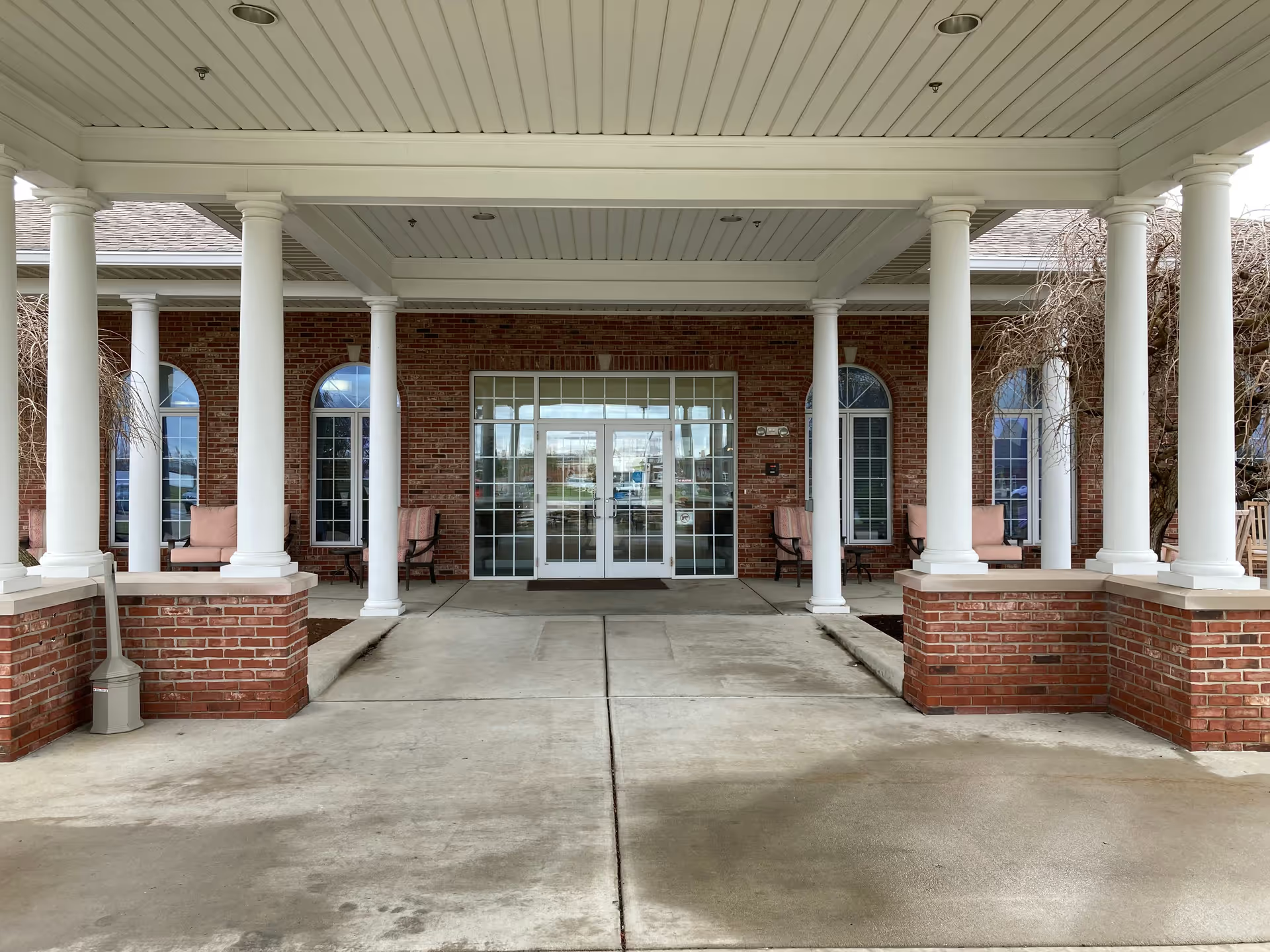
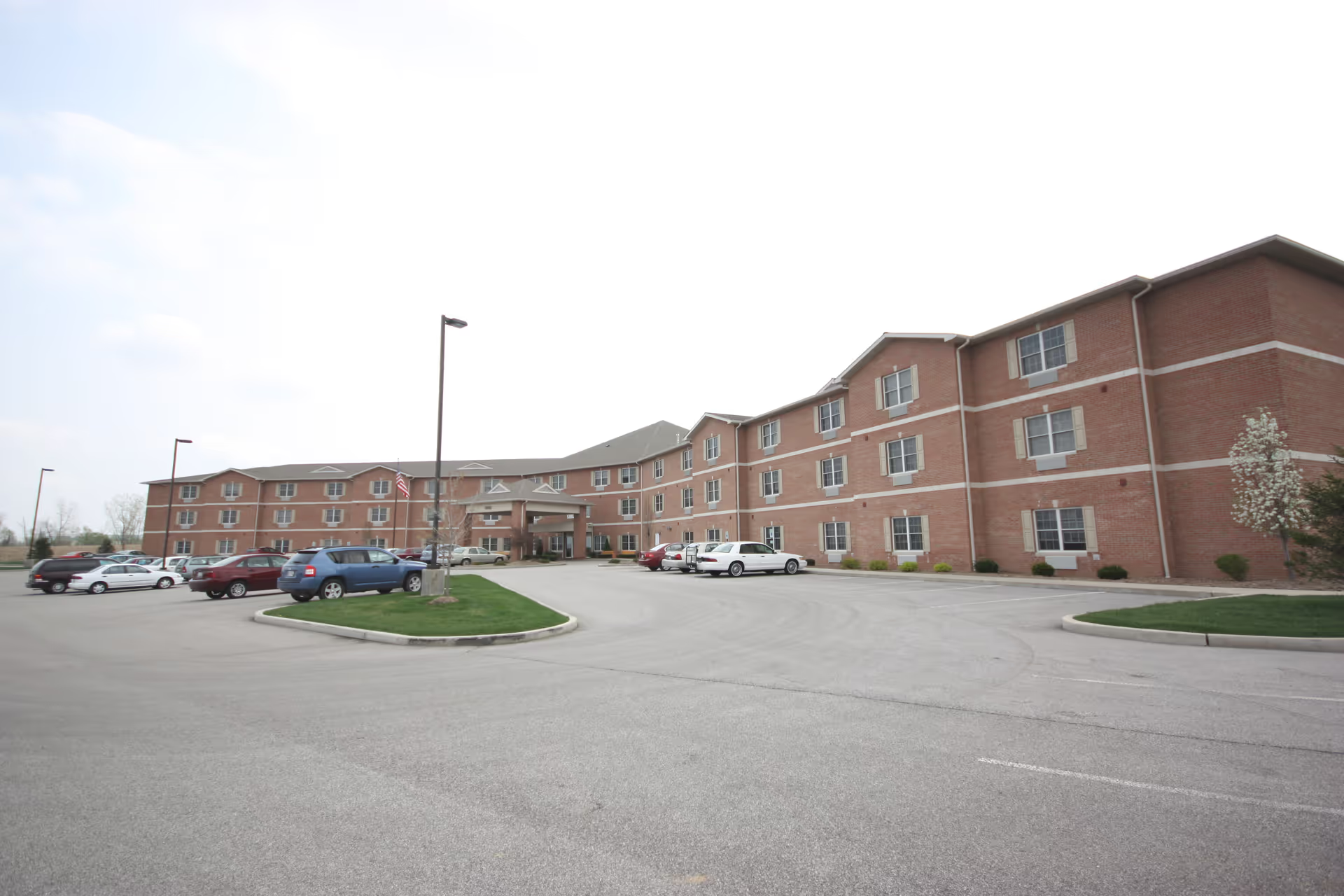
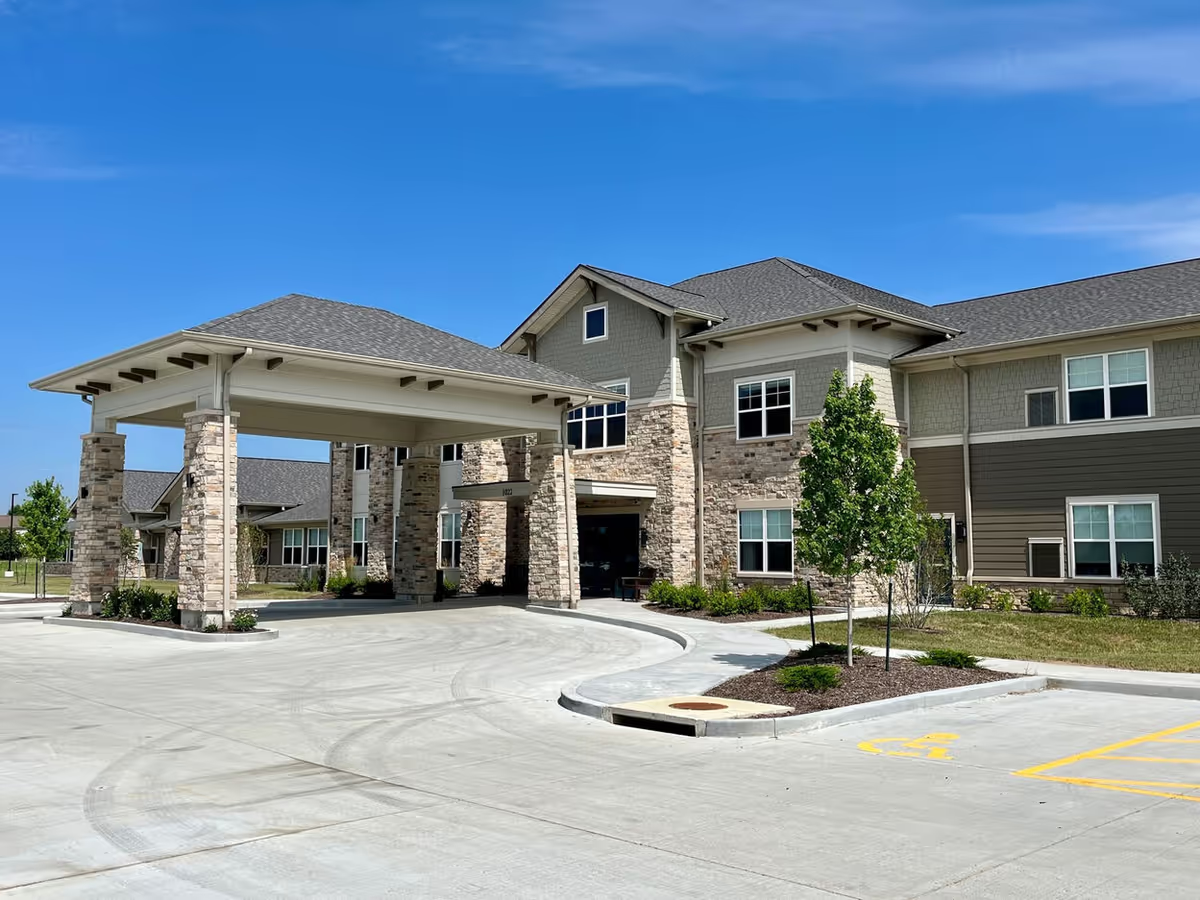
Facilities and cleanliness Many reviewers describe a clean, bright facility with recent updates in parts of the building, private rooms with attached bathrooms, and generally enforced COVID protocols. However, a subset of reviews raises sanitation and odor concerns in specific rooms or areas and notes that some renovation work is incomplete. Overall the physical plant appears functional and increasingly updated, but condition and cleanliness can vary across units.
Management and operations Management impressions vary: some families praise an approachable director of nursing, a receptive administration, and improvements under newer ownership, including better admissions support and HR responsiveness. Conversely, other families report slow phone response, billing or invoice follow‑through issues, and uneven problem resolution. Communication access (difficulty reaching staff by phone, absence of in‑room phones) and front‑office customer‑service inconsistencies are recurring operational frustrations.
Notable patterns and takeaways The dominant themes are variability and staffing pressure. Positive experiences tend to cluster where staffing is adequate, communication is proactive, and established clinical processes are followed; negative experiences correlate with understaffing, delayed responses to calls, and gaps in wound/medication management. Prospective residents and families should weigh the facility's strong rehabilitation and activities offerings and examples of compassionate care against the risk of inconsistent service during periods of staff shortage. If considering admission, important follow‑up topics to discuss with leadership include current staffing ratios, escalation protocols for clinical issues, communication channels for families, and the status/timeline for ongoing facility improvements.