Reviews for Arcadia Care Jacksonville are highly polarized: many families praise individual caregivers, therapy services, and recent management responsiveness, while other accounts describe operational gaps that have affected clinical care, cleanliness, and resident safety. The pattern suggests strengths in person-level caregiving and rehabilitation services alongside weaknesses in systems-level operations such as staffing, equipment availability, and timely clinical response.
Care quality: Several reviewers described attentive, compassionate care from specific nurses and aides and positive rehabilitation outcomes from the facility’s physical therapy program. At the same time, multiple accounts raise concerns about inconsistent medication administration (including insulin delays), limited access to essential clinical equipment and transfer aids, and inadequate fall-risk monitoring and response. There are also notes about incontinence-care processes and bathing/hygiene routines that families found insufficient, which points to variability in daily clinical follow-through.
Staff and communication: Many families commended individual staff members for warmth, professionalism, and going "above and beyond," and some reviewers highlighted effective family communication channels such as regular Zoom updates. Conversely, others reported poor responsiveness to call lights, abrupt or discourteous communication tone from some staff, and instances where assistance was delayed. These mixed impressions suggest that resident experience depends heavily on specific staff on duty and that staffing levels or training consistency may be contributing factors.
Dining and activities: The facility receives praise for hearty, nutritious, and generally well-liked meals along with active programming and holiday events that engage residents. However, there are recurring comments about meal temperature (food served cold at times), watered-down beverages, and limited dietary customization for individual needs. Activities and social programming are commonly mentioned as positive components that families appreciate.
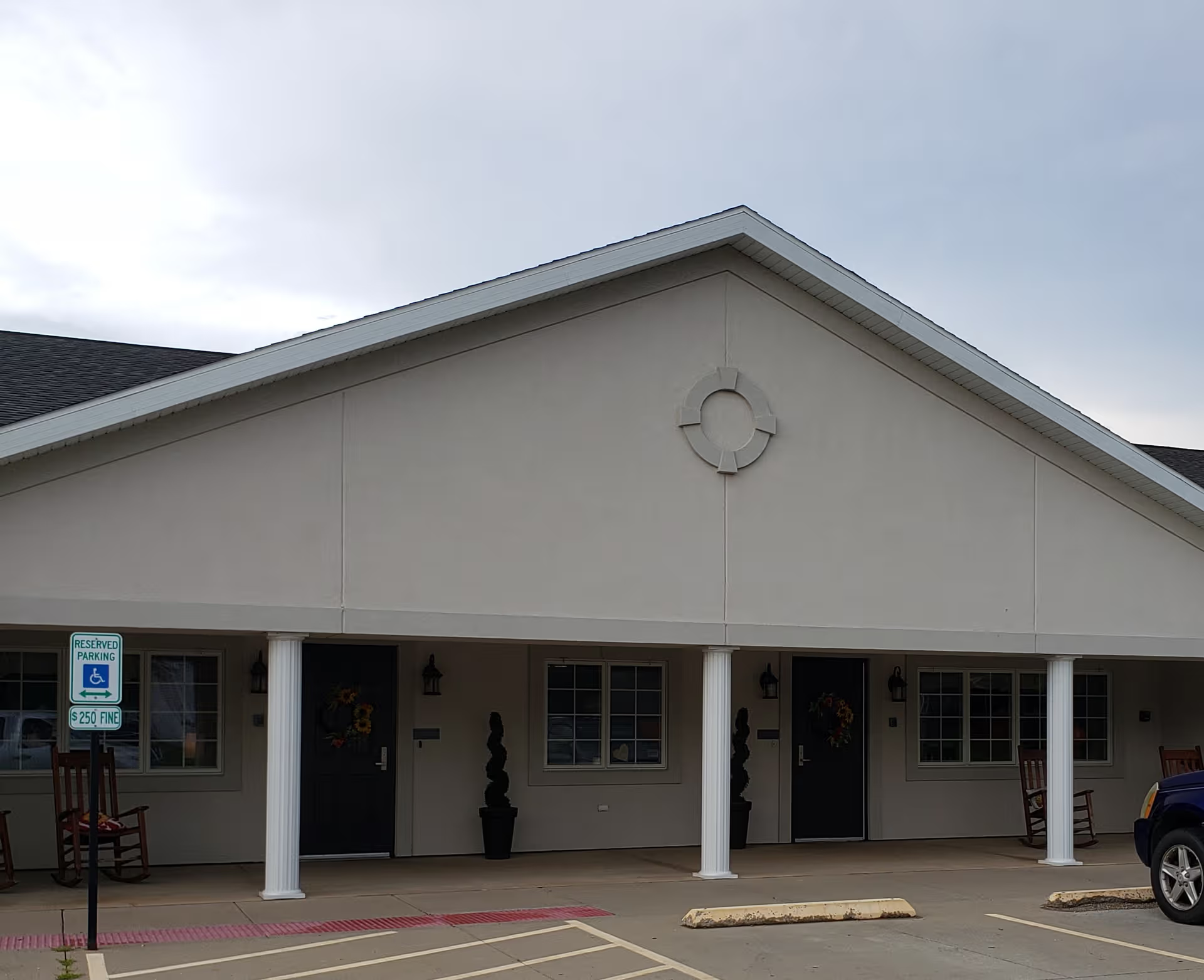
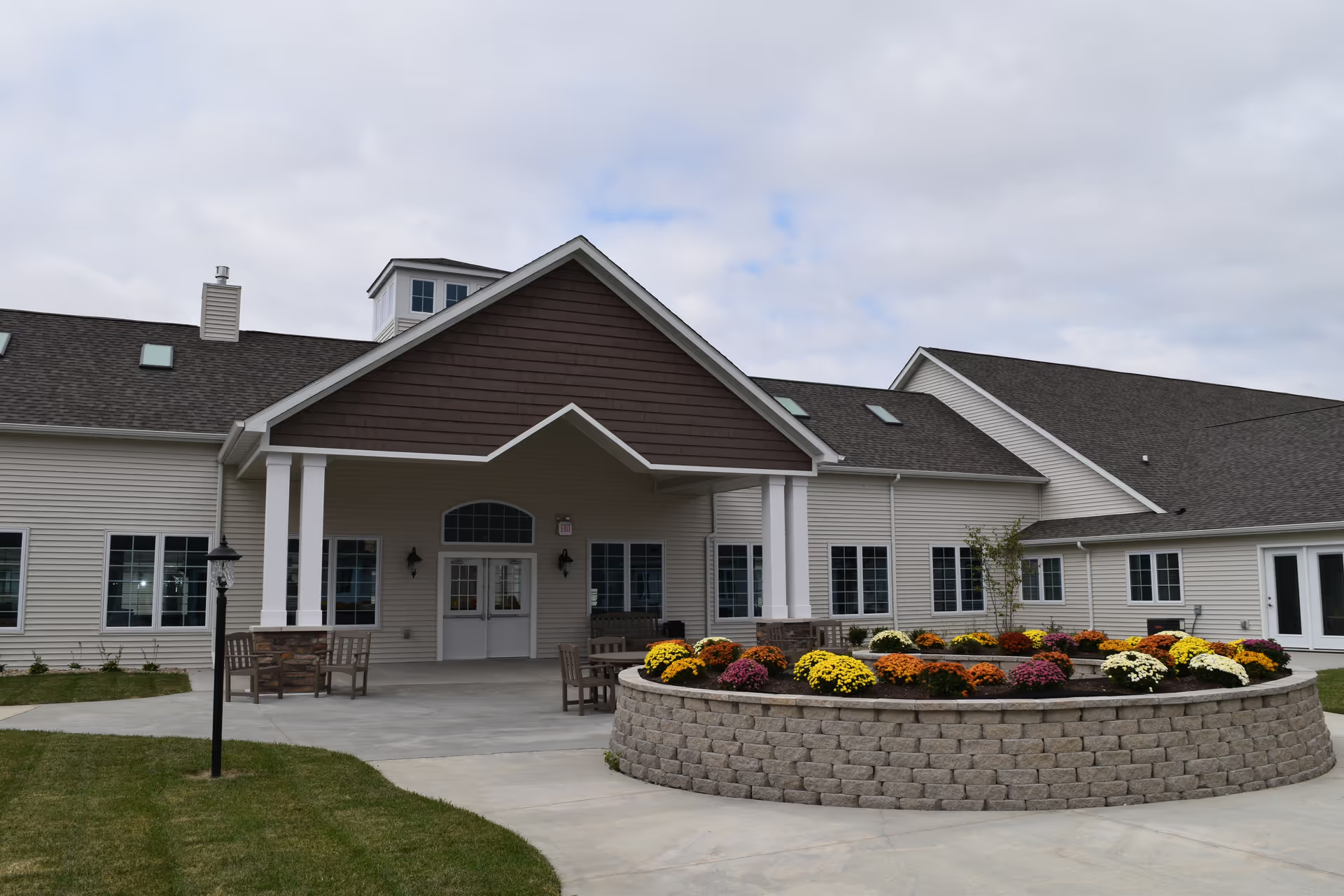
Facilities and maintenance: Reviewers note ongoing renovations and visible improvements, which many found encouraging. At the same time, several accounts cite aging beds, broken or damaged furniture and fixtures, shared-bathroom arrangements on some units, and deferred maintenance in parts of the building. Cleanliness and sanitation concerns, including odor concerns in common areas and perceived housekeeping inconsistencies, are recurring themes that prospective families should evaluate in person.
Management and notable patterns: A number of families reported improvements under newer management and named administrators who were helpful and responsive. There are also serious operational concerns raised by others, including understaffing and at least one allegation of staff theft and financial misconduct; one family reported filing a complaint with state authorities. These conflicting signals indicate active change efforts but also the presence of unresolved systemic issues.
What to watch for and ask during a visit: verify staffing levels and turnover for the unit of interest; observe mealtime service and ask about dietary accommodation procedures; review medication administration protocols and how insulin/timed meds are handled; confirm availability of required clinical equipment (lifts, commodes, wound-care supplies); ask about fall-prevention measures and call-button response expectations; tour recently renovated and non-renovated areas and check housekeeping processes; and inquire about management’s process for handling incidents and family complaints. Given the mixed reports, an in-person visit, targeted questions, and asking for references from current resident families will help clarify whether the facility’s strengths align with an individual resident’s needs.